
1. Introduction to Peptide Injections for Body Fat Management
The pursuit of effective strategies for managing stubborn body fat has led to significant interest in the therapeutic potential of peptide injections. This chapter provides a foundational, evidence-based overview of this emerging area, establishing a framework for understanding their proposed mechanisms, current evidence, and clinical context.
Peptides are short chains of amino acids that act as signaling molecules in the body. Certain peptides are being investigated for their ability to influence metabolism, appetite, and fat breakdown. Unlike anabolic steroids or hormones like human growth hormone (HGH), these compounds are often designed to stimulate the body's own natural secretion pathways in a more targeted manner. The most discussed peptides in the context of body composition include:
- Semaglutide and Liraglutide (GLP-1 receptor agonists): Originally developed for type 2 diabetes, their potent appetite-suppressing effects have led to FDA approval for chronic weight management in specific populations.
- Tesamorelin (GHRH analog): Approved for reducing excess visceral fat in HIV-associated lipodystrophy, it stimulates growth hormone release.
- CJC-1295 and Ipamorelin (Growth Hormone Secretagogues): These are research peptides that promote a pulsatile release of growth hormone, theoretically supporting fat metabolism and muscle preservation.
It is crucial to distinguish between the levels of evidence supporting different peptides. Semaglutide and liraglutide are supported by extensive, high-quality clinical trial data for weight loss. In contrast, evidence for other peptides like CJC-1295/Ipamorelin for general fat loss is primarily preclinical or based on small, short-term studies, making their efficacy and long-term safety profile less certain for the general population.
Clinical Perspective: From a medical standpoint, peptides are not a "magic bullet" for spot reduction. Their legitimate use exists within a structured treatment plan for diagnosed conditions (e.g., obesity, HIV lipodystrophy). Using them for cosmetic or athletic enhancement outside approved indications is an off-label practice with undefined risks. A thorough medical evaluation is essential to assess individual suitability and rule out contraindications.
Individuals with a history of certain medical conditions should exercise extreme caution and must consult a physician before considering peptide therapy. This includes those with a personal or family history of medullary thyroid carcinoma or Multiple Endocrine Neoplasia syndrome type 2 (specifically for GLP-1 agonists), active cancer, severe kidney or liver disease, pregnancy, or those taking multiple medications where interactions are unknown.
This introduction frames peptide injections as a complex pharmacological intervention, not a simple supplement. The following chapters will delve deeper into the mechanisms, evidence, protocols, and significant risks associated with their use for body fat management.
2. Mechanisms of Action and Scientific Evidence
Peptides proposed for fat loss are not a single entity but a class of compounds, each with distinct proposed mechanisms. The most commonly discussed peptides in this context are growth hormone secretagogues (GHSs), such as CJC-1295 and Ipamorelin, and glucagon-like peptide-1 (GLP-1) receptor agonists, like semaglutide and tirzepatide. Their mechanisms of action differ fundamentally.
GHS peptides stimulate the pituitary gland to release pulses of endogenous growth hormone (GH). This, in turn, increases insulin-like growth factor 1 (IGF-1). The proposed fat-loss pathway involves:
- Lipolysis: GH promotes the breakdown of stored triglycerides in adipose tissue into free fatty acids for energy.
- Metabolic Rate: Increased GH and IGF-1 may elevate basal metabolic rate and support lean muscle mass preservation during calorie restriction.
In contrast, GLP-1 receptor agonists are primarily appetite regulators. They work by:
- Slowing gastric emptying, promoting early and prolonged satiety.
- Acting on brain centers that control hunger and food intake.
- Improving glycemic control, which can indirectly affect fat storage.
Expert Insight: Clinically, it's critical to distinguish between mechanism and outcome. While the hormonal pathways for GHS peptides are well-documented, their direct efficacy and safety for cosmetic fat loss in healthy individuals are not. The weight loss from GLP-1 agonists is primarily mediated by reduced caloric intake, not a direct "fat-burning" effect. Using peptides for body recomposition outside of diagnosed deficiencies or obesity is an off-label application with undefined risk-benefit ratios.
The scientific evidence supporting these uses is highly stratified. For GLP-1 agonists like semaglutide, robust, large-scale, randomized controlled trials (RCTs) exist for obesity management, demonstrating significant weight reduction. This evidence is strong and forms the basis for FDA approval.
For GHS peptides, the evidence is far more limited and of lower quality. Small studies and anecdotal reports dominate. While some show favorable changes in body composition, many are short-term, lack rigorous control groups, or are conducted in specific populations (e.g., older adults with GH deficiency). There is a notable absence of large, long-term RCTs evaluating their safety and efficacy for fat loss in otherwise healthy individuals.
Individuals with a history of cancer, active neoplasia, diabetic retinopathy, severe kidney or liver impairment, or those who are pregnant or breastfeeding should avoid these interventions. Anyone considering peptide therapy must consult an endocrinologist or knowledgeable physician to assess individual risk, discuss realistic outcomes, and ensure appropriate monitoring.
3. Risks, Side Effects, and Who Should Avoid Peptide Injections
While certain peptides are promoted for fat loss, their use is not without significant potential risks and adverse effects. The safety profile varies considerably between different compounds, and many are not approved for this specific purpose, leading to a reliance on off-label use and compounded products of uncertain purity.
Common and Potential Adverse Effects
Reported side effects are often injection-site related or systemic. The evidence for these effects is primarily drawn from clinical trials for approved medical conditions (e.g., diabetes) or from user reports, not from large-scale studies on healthy individuals using them for fat loss.
- Local Reactions: Pain, redness, itching, or nodule formation at the injection site.
- Gastrointestinal Distress: Nausea, vomiting, diarrhea, and appetite suppression are frequently reported with GLP-1 receptor agonists like semaglutide and tirzepatide.
- Metabolic and Systemic Effects: Potential for hypoglycemia (low blood sugar), especially when not used under medical supervision. Other concerns include increased heart rate, fatigue, and headaches.
- Long-Term Unknowns: The long-term consequences of using these peptides for cosmetic fat loss in otherwise healthy individuals are not established. Theoretical risks include pancreatitis, gallbladder disease, and thyroid C-cell tumors (a noted contraindication for some GLP-1 drugs).
Who Should Avoid or Exercise Extreme Caution
Peptide injections for fat loss are contraindicated or require stringent medical oversight for several populations. Self-administration without proper screening is strongly discouraged.
- Individuals with Personal or Family History of Medullary Thyroid Carcinoma (MTC) or Multiple Endocrine Neoplasia syndrome type 2 (MEN 2): This is an absolute contraindication for GLP-1 based peptides.
- Patients with a History of Pancreatitis or Severe Gastrointestinal Disease.
- Pregnant or Breastfeeding Women: Safety is not established.
- Individuals with Kidney or Liver Impairment: Altered clearance can increase the risk of adverse events.
- People with a History of Eating Disorders: The potent appetite suppression can exacerbate disordered eating patterns.
- Those on Multiple Medications (Polypharmacy): Risk of drug interactions, particularly with other diabetes or weight-loss medications.
Clinical Perspective: From a medical standpoint, the decision to use peptide therapy should follow a formal risk-benefit analysis conducted by a physician. It is not a first-line or standalone solution for "stubborn fat." A thorough medical history, physical exam, and review of current medications are essential prerequisites to identify contraindications. The treatment must be monitored for efficacy and adverse effects, with clear plans for dose titration and eventual discontinuation.
In summary, peptide injections carry a non-trivial risk profile. Their use for body fat reduction should not be undertaken lightly and is most appropriate only after a comprehensive evaluation by a qualified healthcare provider who can manage the potential side effects and long-term implications.
4. Practical Considerations and Realistic Outcomes
Integrating peptide injections into a fat-loss strategy requires a pragmatic understanding of the logistics, costs, and realistic expectations. This is not a passive treatment but an adjunct that demands significant personal commitment to foundational lifestyle habits.
Commitment to Lifestyle is Non-Negotiable
The most critical practical consideration is that peptides are not a standalone solution. Their efficacy is predicated on and amplified by consistent adherence to a caloric deficit and regular physical activity, particularly resistance training. Without these pillars, results will be negligible. Patients must be prepared to maintain disciplined nutrition and exercise routines for the duration of therapy and beyond to sustain any benefits.
Logistical and Financial Realities
The protocol involves several practical hurdles:
- Administration: Most peptides require daily or near-daily subcutaneous injections, which necessitates comfort with self-injection or access to a healthcare provider.
- Cost: Treatment can be expensive, often costing hundreds to thousands of dollars per month, and is typically not covered by insurance for body composition purposes.
- Source Quality: The regulatory landscape for peptides is complex. Sourcing from reputable, pharmacy-compounding sources is essential to ensure purity and correct dosing, as products from non-clinical sources carry significant contamination risks.
Clinical Perspective: In practice, the patients who benefit most are those already close to their goals—seeking to lose the "last 5-10 pounds" or target specific, stubborn fat deposits. The outcomes are modest and incremental, not transformative. We frame it as a potential tool for fine-tuning, not for initiating major weight loss.
Setting Realistic Outcome Expectations
Evidence from clinical studies and clinical practice suggests outcomes are measured, not dramatic. Realistic expectations include:
- A modest increase in fat loss rate (e.g., an additional 0.5-1 kg per month) when combined with diet and exercise, compared to lifestyle changes alone.
- Potential improvements in body composition (slightly greater fat loss relative to muscle preservation).
- Reduction in hunger and cravings for some individuals, which can improve dietary adherence.
It is not a "spot reduction" cure. Results vary widely based on individual physiology, the specific peptide protocol, and lifestyle compliance.
Who Should Exercise Caution?
Consultation with a physician is mandatory prior to starting therapy. Particular caution is advised for individuals with:
- A history of neoplasms or certain cancers, as some peptides influence cell growth.
- Unmanaged diabetes or severe kidney/liver impairment.
- Pregnancy, breastfeeding, or plans for pregnancy.
- Those on complex medication regimens, due to potential unknown interactions.
Ultimately, peptide therapy represents a sophisticated tool with specific applications. Its practical demands and realistic, incremental outcomes must be carefully weighed against its cost and commitment.
5. Safety Protocols and When to Consult a Healthcare Professional
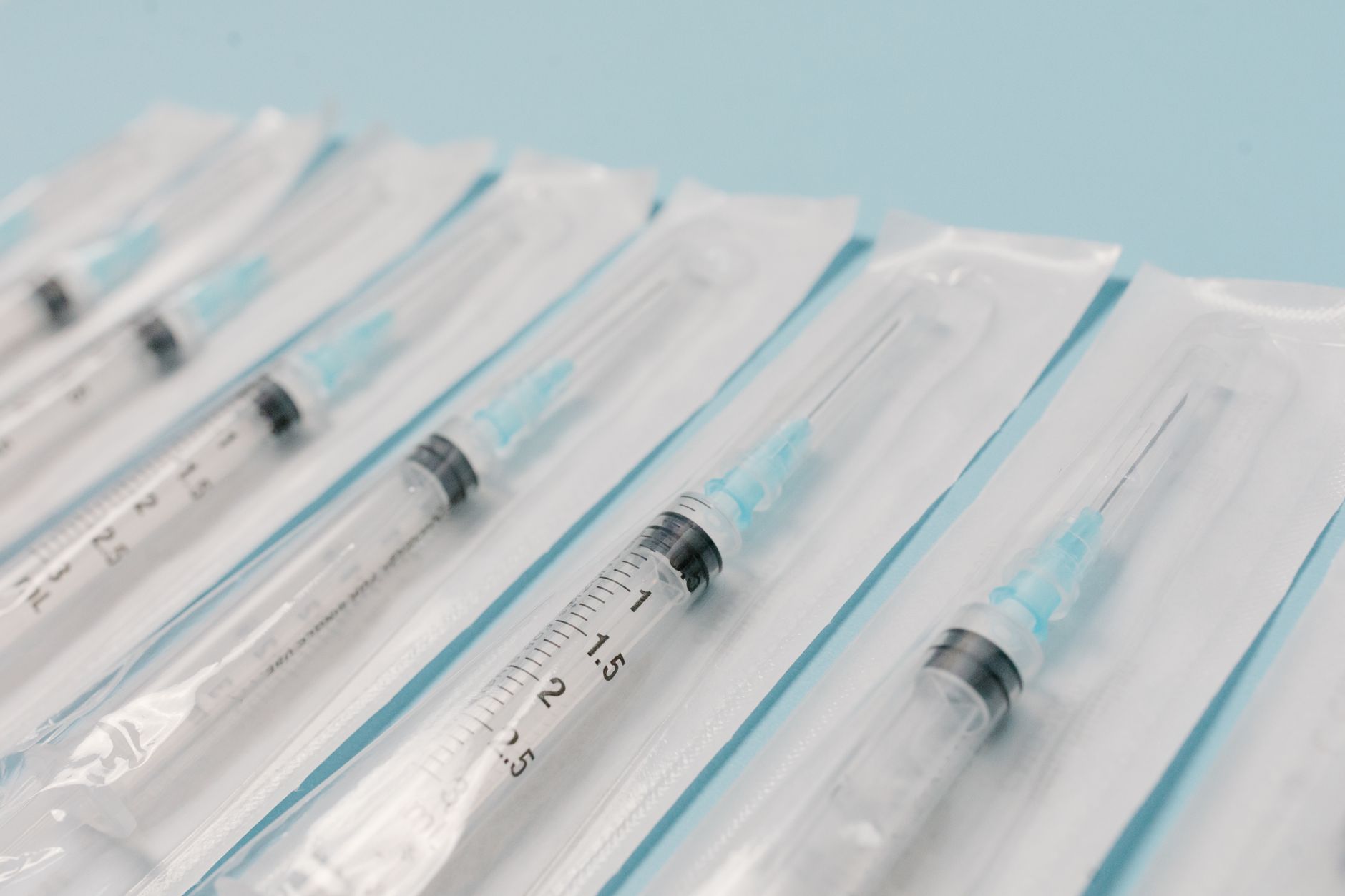
Peptide injections for fat loss are not over-the-counter supplements; they are potent pharmacological agents. A rigorous safety protocol is non-negotiable. This begins with a comprehensive medical evaluation by a qualified healthcare professional to establish candidacy, rule out contraindications, and establish baseline health metrics.
Key components of a responsible protocol include:
- Medical Supervision: A physician should prescribe the peptide, determine the appropriate dosage, and provide instructions for sterile administration.
- Pharmaceutical-Grade Source: Peptides should be obtained from a licensed, reputable pharmacy to ensure purity, correct concentration, and sterility, mitigating risks of contamination or incorrect dosing.
- Aseptic Technique: Patients must be trained in proper injection site rotation, sterile needle use, and disposal to prevent infections, lipoatrophy, or tissue irritation.
- Monitoring and Titration: Starting at the lowest effective dose and gradually titrating up allows the body to adjust and helps identify side effects early. Regular follow-ups are essential to monitor progress, adjust the protocol, and check for adverse effects.
Clinical Insight: In practice, the most common safety issues arise from patient self-prescription using peptides of uncertain provenance from online vendors. Without medical oversight, individuals cannot accurately assess their suitability for therapy, manage side effects like nausea or appetite suppression, or differentiate between expected physiological responses and signs of a serious adverse reaction.
Who Should Be Cautious or Avoid Use?
Peptide therapy is not appropriate for everyone. Contraindications and groups requiring extreme caution include:
- Individuals with a personal or family history of medullary thyroid carcinoma or Multiple Endocrine Neoplasia syndrome type 2 (specific to GLP-1 receptor agonists like semaglutide).
- Patients with a history of pancreatitis, severe gastrointestinal disease, or gastroparesis.
- Those with significant renal impairment or severe hepatic disease.
- Pregnant, breastfeeding, or those trying to conceive.
- Individuals with a history of eating disorders.
- Patients on multiple medications, especially those affecting blood sugar (e.g., insulin, sulfonylureas), due to risk of hypoglycemia.
When to Consult a Healthcare Professional
You should consult a doctor before starting and immediately if any of the following occur during use:
- To discuss if peptide therapy is a suitable option for your specific health profile and weight loss goals.
- If you experience severe or persistent abdominal pain, which could indicate pancreatitis.
- Upon noticing symptoms of an allergic reaction (e.g., rash, itching, swelling, dizziness).
- If you develop symptoms of hypoglycemia, such as shakiness, sweating, confusion, or rapid heartbeat.
- For any signs of infection at injection sites (redness, warmth, pus).
The evidence for the efficacy of peptides for fat loss, while promising, is still evolving from clinical trials. Their safety profile outside of controlled studies, particularly with long-term or off-label use for cosmetic weight loss, is less defined. Professional guidance is the cornerstone of mitigating risk and ensuring a therapeutic approach is medically sound.
6. Questions & Expert Insights
What does the evidence actually say about peptides for fat loss?
The evidence is preliminary and largely confined to specific contexts. The most studied peptides for body composition are growth hormone secretagogues (GHSs) like CJC-1295 and Ipamorelin, and glucagon-like peptide-1 (GLP-1) receptor agonists like semaglutide. GHSs may modestly increase fat-free mass and reduce fat mass in studies of older adults or those with growth hormone deficiency, but data in healthy, young individuals is sparse. GLP-1 agonists are FDA-approved for chronic weight management and demonstrate significant efficacy, but they are not typically classified as "peptide injections" in the wellness context. Crucially, most evidence for other peptides comes from small, short-term, or non-peer-reviewed studies. The claim of being an "ultimate solution for stubborn fat" is not supported by high-quality, long-term clinical trials in the general population.
What are the key risks and who should absolutely avoid peptide injections?
Risks vary by peptide but can include injection-site reactions, headaches, water retention, joint pain, increased hunger after dose wears off (for GHSs), and gastrointestinal issues like nausea (for GLP-1s). More serious concerns involve the potential for long-term endocrine disruption, insulin resistance, and the stimulation of benign or malignant cell growth. Certain individuals should avoid these injections entirely: those with a history of cancer (especially hormone-sensitive cancers), active tumors, uncontrolled diabetes, severe kidney or liver disease, pregnant or breastfeeding women, and individuals with a history of eating disorders. The lack of long-term safety data for off-label use is a significant concern.
How do peptide injections compare to established methods like diet, exercise, or FDA-approved medications?
They should not be considered a first-line or replacement therapy. Lifestyle modification—a sustained caloric deficit and resistance training—remains the cornerstone of fat loss, with proven benefits for metabolic health, longevity, and mental well-being. FDA-approved medications for obesity (e.g., semaglutide, liraglutide, phentermine-topiramate) have undergone rigorous Phase 3 trials demonstrating efficacy and safety profiles for chronic disease management. In contrast, peptide injections marketed for fat loss often lack this robust evidence, are frequently compounded without standardized dosing, and are not monitored within a chronic care framework. They may be pursued as an adjunct by some, but not without acknowledging the superior evidence base for established approaches.
If I'm considering this, what should I discuss with my doctor, and what information should I bring?
Initiate a conversation with a physician experienced in endocrinology or metabolic medicine. Come prepared with specific information: the exact name(s) of the peptides you are considering, the proposed dosage and cycle length, the source (e.g., a specific clinic or online pharmacy), and your complete personal and family medical history. Key discussion points must include: 1) Your specific health goals and why you believe peptides are necessary. 2) A review of your contraindications and risk factors. 3) A plan for monitoring potential side effects and metabolic markers (e.g., fasting glucose, HbA1c, IGF-1 levels, lipid panel). 4) A clear understanding that this is an off-label, evidence-light use. This conversation is essential for contextualizing the potential benefits against the very real and potentially serious risks.
7. In-site article recommendations
8. External article recommendations
9. External resources
The links below point to reputable medical and evidence-based resources that can be used for further reading. Always interpret them in the context of your own situation and your clinician’s advice.
-
wikipedia wikipedia.orgpeptide injections – Wikipedia (search)
-
mayoclinic mayoclinic.orgpeptide injections – Mayo Clinic (search)
-
drugs drugs.compeptide injections – Drugs.com (search)
These external resources are maintained by third-party organisations. Their content does not represent the editorial position of this site and is provided solely to support readers in accessing additional professional information.