
1. Introduction to the 3-Day Exercise Reset Concept
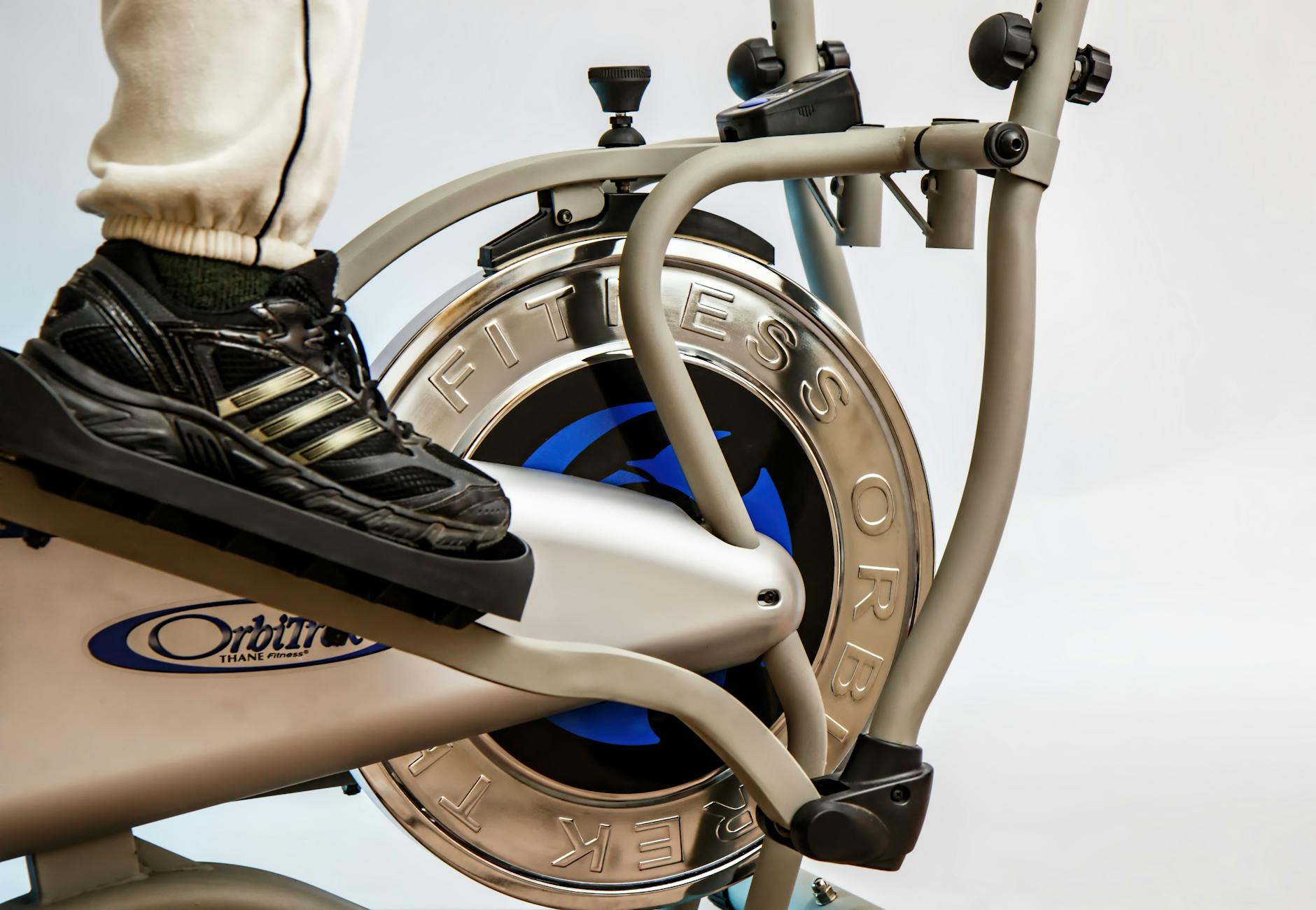
The "3-Day Exercise Reset" is a structured, short-term intervention designed to address a common barrier in physical activity: the erosion of intrinsic motivation. It is not a fitness program focused on maximal performance or body composition, but rather a psychological and behavioral strategy aimed at re-establishing a positive, sustainable relationship with movement.
At its core, the concept proposes a deliberate pause from one's usual, potentially burdensome exercise routine. For three consecutive days, an individual engages in brief, low-to-moderate intensity physical activity chosen primarily for enjoyment and feasibility. The primary goal is to decouple exercise from feelings of obligation, performance pressure, or aversion, and to reconnect it with immediate positive sensations like pleasure, accomplishment, and stress relief.
The theoretical basis for this approach draws from several evidence-based principles in behavioral psychology and exercise science:
- Habit Disruption: Breaking an automatic, negatively perceived routine can create a cognitive opening for new, more positive associations to form.
- Self-Efficacy: Successfully completing short, manageable sessions can rebuild confidence in one's ability to exercise consistently.
- Autonomous Motivation: Choosing activities based on personal enjoyment (rather than external pressure) is strongly linked to long-term adherence in exercise psychology research.
It is crucial to distinguish the level of evidence supporting this concept. While the individual psychological principles (e.g., self-efficacy, autonomous motivation) are well-supported by robust research in behavioral science, the specific efficacy of a standardized "3-day reset" protocol as a standalone intervention has not been extensively studied in large, long-term clinical trials. Anecdotal reports and small-scale pilot studies suggest it can be a useful tool for overcoming motivational slumps, but it should be viewed as a strategic tool within a broader lifestyle management plan, not a definitive solution.
Clinical Perspective: From a medical standpoint, this reset is generally low-risk for healthy individuals. However, its emphasis on "listening to the body" and reducing intensity makes it unsuitable as a substitute for prescribed rehabilitation or graded exercise therapy for certain conditions. The focus on psychological reset aligns well with cognitive-behavioral approaches to health behavior change.
Who should proceed with caution? Individuals with known cardiovascular, metabolic, or musculoskeletal conditions, those who are pregnant, or anyone returning to exercise after a prolonged sedentary period should consult a physician before initiating any new physical activity regimen, including this reset. Furthermore, individuals with a history of exercise addiction or disordered eating patterns should approach this concept under the guidance of a mental health professional, as the framework could potentially be misinterpreted.
2. Scientific Basis: Mechanisms Linking Exercise to Motivation
The connection between physical activity and enhanced motivation is not merely anecdotal; it is grounded in well-established neurobiological and psychological mechanisms. A short, intensive period of exercise, such as a 3-day reset, can initiate a cascade of physiological changes that directly influence the brain's motivational circuitry.
Neurochemical and Neurotrophic Effects
Acute bouts of exercise trigger the release of key neurotransmitters and growth factors:
- Dopamine: Exercise increases dopamine synthesis and receptor availability in the brain's reward pathways, particularly the mesolimbic system. This enhances feelings of pleasure, reward anticipation, and goal-directed behavior, which are core components of motivation.
- Endorphins & Endocannabinoids: These endogenous compounds are released during moderate to vigorous activity, producing a state of mild euphoria (often called "runner's high") and reducing the perception of effort and discomfort, making the initiation of future exercise more likely.
- Brain-Derived Neurotrophic Factor (BDNF): Exercise elevates BDNF, a protein crucial for neuroplasticity—the brain's ability to form new neural connections. This supports learning, cognitive flexibility, and the formation of new, positive behavioral habits linked to motivated states.
Psychological and Cognitive Mechanisms
Beyond biochemistry, exercise influences motivation through several psychological pathways:
- Self-Efficacy and Mastery: Successfully completing a structured exercise regimen, even a short one, builds a sense of mastery and self-efficacy. This belief in one's capability to execute tasks is a powerful predictor of future motivation and effort.
- Stress Reduction: By modulating the hypothalamic-pituitary-adrenal (HPA) axis, exercise reduces circulating cortisol levels. Lower stress and anxiety remove a significant barrier to motivation, clearing mental space for goal-oriented thinking.
- Improved Executive Function: Physical activity enhances prefrontal cortex function, improving skills like task initiation, planning, and impulse control—all essential for maintaining motivation over time.
Clinical Perspective: While the acute effects of a 3-day protocol can "jump-start" these systems, the evidence for long-term motivational change from such a brief intervention is more limited. Sustained benefits typically require consistent exercise integrated into one's lifestyle. The mechanisms described are strongly supported by human and animal studies for general populations, but individual responses can vary based on genetics, baseline fitness, and psychological state.
A Note of Caution: Individuals with pre-existing cardiovascular conditions, musculoskeletal injuries, or uncontrolled metabolic diseases (e.g., diabetes) should consult a physician before beginning any new exercise regimen, especially one involving intensive activity. Those with a history of significant depression or anxiety disorders may benefit from professional guidance to align exercise with their overall treatment plan.
3. Risks and Contraindications for Specific Populations

While a structured 3-day exercise reset can be a powerful tool for many, it is not universally appropriate. Certain populations face elevated risks and should either modify the approach significantly or avoid it altogether until cleared by a healthcare professional. The primary concerns involve cardiovascular strain, musculoskeletal injury, and metabolic dysregulation.
Cardiovascular and Pulmonary Conditions
Individuals with known or suspected heart or lung disease require extreme caution. A sudden increase in physical activity can precipitate adverse events.
- Coronary Artery Disease, Heart Failure, or Uncontrolled Hypertension: Increased cardiac demand can lead to angina, arrhythmia, or acute decompensation.
- Recent Cardiac Event or Procedure: Any exercise program must follow a physician-supervised cardiac rehabilitation protocol.
- Severe Pulmonary Hypertension or COPD: Exertion can cause dangerous drops in blood oxygen levels (desaturation) and acute respiratory distress.
For these individuals, initiating any new exercise regimen requires prior medical evaluation, likely including stress testing.
Metabolic and Endocrine Disorders
Altered activity and diet during a reset can disrupt metabolic control.
- Type 1 Diabetes and Insulin-Dependent Type 2 Diabetes: Increased exercise dramatically alters insulin sensitivity and glucose utilization, raising the risk of severe hypoglycemia or, paradoxically, hyperglycemia and ketoacidosis. Meticulous glucose monitoring and insulin adjustment under medical guidance are non-negotiable.
- Adrenal Insufficiency: The physical stress of a new, intense regimen can precipitate an adrenal crisis, a life-threatening emergency.
Musculoskeletal and Neurological Considerations
Those with pre-existing conditions are at high risk for acute injury or flare-ups.
- Active Inflammatory Arthritis, Acute Tendon/Ligament Injuries, or Recent Surgery: The reset may exacerbate inflammation and delay healing.
- Severe Osteoporosis: High-impact or unfamiliar movements increase fracture risk.
- Neurological Disorders (e.g., Uncontrolled Epilepsy, Certain Neuropathies): Balance issues and fatigue can lead to falls and injury.
Clinical Perspective: The principle of "first, do no harm" is paramount. A clinician's role is to identify these contraindications that a motivated individual might overlook. The most common pitfall is the "weekend warrior" effect in someone with undiagnosed coronary disease. A pre-participation screening questionnaire (like the PAR-Q+) is a bare minimum, but it does not replace a formal evaluation for those in high-risk categories. The goal is to channel motivation into a safe, sustainable plan, not a risky short-term push.
Other Key Populations
- Pregnancy: While exercise is generally encouraged, a novel, intensive 3-day protocol is not recommended without obstetrician approval, especially in the third trimester or with pregnancy-related complications.
- History of Eating Disorders: The structured, performance-focused nature of a "reset" can trigger disordered eating patterns and unhealthy fixation.
- Older Adults with Sarcopenia/Frailty: The focus should be on gradual strength and balance training, not a short-term intensity spike, to prevent falls.
The evidence supporting the benefits of gradual exercise is robust, but data on specific, short-term "resets" in at-risk populations is limited. The safest approach for anyone in the categories above is to consult a physician or relevant specialist (e.g., cardiologist, endocrinologist, physiatrist) to develop a personalized, medically supervised plan.
4. Practical Implementation and Evidence-Based Takeaways
Implementing a structured 3-day exercise reset requires a deliberate and evidence-informed approach. The primary goal is to create a short, manageable period of consistent, low-to-moderate intensity movement to disrupt inertia and build a positive feedback loop. This is not a high-intensity training block or a test of endurance.
A practical framework for the three days could include:
- Day 1 (Re-engagement): A 30-minute session of an accessible, enjoyable activity like brisk walking, light cycling, or gentle yoga. The focus is on consistency and completing the session without performance pressure.
- Day 2 (Variety): A different 30-minute activity to engage different muscle groups and maintain novelty, which can support motivation. This could be bodyweight strength exercises or swimming.
- Day 3 (Integration): A slightly longer session (e.g., 40-45 minutes) of the Day 1 activity, aiming to reinforce the habit and provide a sense of progression.
The evidence supporting this specific 3-day model is more conceptual than direct. Strong evidence exists for the benefits of acute exercise on mood, self-efficacy, and cognitive function, which are key drivers of motivation. The act of planning and successfully completing a short sequence aligns with behavioral science principles of "small wins" and habit formation. However, long-term adherence data from such brief interventions is limited and mixed; the reset is best viewed as a catalyst, not a standalone solution.
Clinical Perspective: From a behavioral medicine standpoint, the value lies in the psychological "reboot"—breaking the cycle of all-or-nothing thinking. Success is defined by adherence to the plan, not workout intensity or calories burned. This cognitive shift is often more sustainable than physical outcomes alone in the initial phase of re-engagement.
Key evidence-based takeaways are that this approach can:
- Utilize the acute mood-enhancing effects of exercise to counteract motivational deficits.
- Reinforce self-efficacy through the accomplishment of a defined, short-term goal.
- Serve as a structured "on-ramp" to re-establish routine before progressing to more demanding programming.
Important Considerations: Individuals with known cardiovascular, metabolic, or musculoskeletal conditions, those who are pregnant, or anyone returning to exercise after a prolonged sedentary period should consult a physician for personalized clearance and guidance. The prescribed activities should be adapted to individual fitness levels to avoid injury, which would undermine the motivational goal.
5. Safety Monitoring and Indications for Medical Consultation
While a structured 3-day exercise reset can be a powerful tool for building momentum, its safety and appropriateness are not universal. A foundational principle is that any significant change in physical activity level requires careful self-monitoring and, for many individuals, prior medical consultation. The goal is to foster sustainable motivation, not to incur injury or exacerbate an underlying condition.
Strong evidence supports the benefits of moderate-intensity physical activity for most adults. However, the evidence for the specific safety of condensed, multi-day "resets" in untrained or at-risk populations is limited. The primary risk lies in overexertion, which can lead to musculoskeletal injury, cardiovascular strain, or extreme fatigue that undermines the motivational objective.
Key Safety Parameters to Self-Monitor
During the reset, pay close attention to your body's signals. These are indications to stop, rest, and potentially seek advice:
- Pain: Sharp, shooting, or joint-specific pain is a clear stop signal. Distinguish this from general muscular discomfort or delayed onset muscle soreness (DOMS).
- Excessive Breathlessness: Inability to speak in short phrases during activity may indicate excessive intensity.
- Dizziness, Lightheadedness, or Chest Discomfort: These require immediate cessation of activity and warrant medical evaluation.
- Persistent Fatigue: Fatigue that lasts more than 24-48 hours after activity or significantly impairs daily function suggests inadequate recovery.
Clinical Perspective: In practice, we see the most adverse events when enthusiasm outpaces physiological readiness. A "reset" should feel challenging but manageable, not punitive. The focus should be on consistency of movement and positive reinforcement, not on achieving maximal performance metrics in a short window. This approach minimizes injury risk and supports the psychological goals of the intervention.
Who Should Consult a Physician First?
It is clinically prudent for individuals with known health conditions or specific risk factors to obtain medical clearance before initiating a structured exercise reset. This is not a barrier but a risk-management step to tailor the approach safely.
- Individuals with diagnosed cardiovascular, pulmonary, or metabolic diseases (e.g., hypertension, coronary artery disease, diabetes, asthma).
- Those with musculoskeletal conditions, recent surgery, or injury.
- People with symptoms suggestive of underlying illness (e.g., unexplained chest pain, shortness of breath at rest, dizziness).
- Sedentary individuals over the age of 45 initiating vigorous activity.
- Pregnant or postpartum individuals.
Ultimately, the most successful reset is one conducted with awareness and respect for the body's limits. Consulting a healthcare provider or a certified exercise professional can help adapt the framework to your personal health context, ensuring the experience builds a foundation for long-term motivation safely.
6. Questions & Expert Insights
Is a 3-day exercise reset scientifically proven to boost long-term motivation?
The concept of a short-term "reset" aligns with psychological principles of behavioral momentum and self-efficacy, but long-term evidence is limited. A structured 3-day program can create a "fresh start effect," breaking the inertia of inactivity and providing an immediate sense of accomplishment. This can positively rewire reward pathways in the brain, temporarily boosting dopamine and motivation. However, the critical factor for sustained motivation is the transition from this short burst into consistent, manageable habits. Most high-quality studies on exercise adherence focus on longer-term behavioral strategies (e.g., goal setting, social support) rather than ultra-short interventions. View the 3-day reset as a potential catalyst, not a standalone solution. Its success depends entirely on the sustainable plan you implement immediately afterward.
Who should avoid or be extremely cautious with an intensive 3-day exercise reset?
This approach is not suitable for everyone and carries risks if undertaken without proper screening. Individuals who should avoid it or seek medical clearance first include: those with known cardiovascular conditions (e.g., hypertension, heart disease), uncontrolled metabolic disorders (e.g., diabetes), or recent musculoskeletal injuries. It is also not advised for individuals with a history of eating disorders, as it can promote an "all-or-nothing" mindset. Sedentary individuals or those returning from a long hiatus must prioritize gradual progression over intensity to avoid injury, burnout, or extreme muscle soreness that derails progress. The principle "start low and go slow" is a cornerstone of safe exercise initiation.
When should I talk to a doctor before starting, and what should I discuss?
Consult a physician or a qualified exercise professional (like a physiotherapist or certified exercise physiologist) if you have any pre-existing medical conditions, are over 45 and sedentary, are pregnant or postpartum, or take medications that affect heart rate or blood pressure. Before the appointment, prepare to discuss: 1) Your specific plan for the 3-day reset (activities, duration, intensity), 2) Your full medical history and current medications, 3) Any symptoms you experience during daily activities (e.g., chest discomfort, dizziness, joint pain). This allows the professional to give personalized advice on modifications, intensity limits, and warning signs to stop. This step is not a barrier but a responsible strategy for safe participation.
Can a short reset actually lead to overtraining or burnout?
Yes, this is a significant risk if the reset is approached with excessive zeal. A common pitfall is interpreting "reset" as a mandate for maximum intensity and volume for three consecutive days, especially for those compensating for prior inactivity. This can lead to acute overuse injuries, severe delayed-onset muscle soreness (DOMS), and mental fatigue. Physiologically, it imposes sudden stress without adequate conditioning, increasing injury risk. Psychologically, it can set an unsustainable standard, making the subsequent "normal" routine feel inadequate and leading to abandonment. The reset should focus on consistent, mindful movement and rhythm re-establishment, not personal bests. Listening to your body and incorporating rest or active recovery is essential within the 3-day framework itself.
7. In-site article recommendations
8. External article recommendations
9. External resources
The links below point to reputable medical and evidence-based resources that can be used for further reading. Always interpret them in the context of your own situation and your clinician’s advice.
-
drugs drugs.com3-day exercise reset – Drugs.com (search)
-
wikipedia wikipedia.org3-day exercise reset – Wikipedia (search)
-
mayoclinic mayoclinic.org3-day exercise reset – Mayo Clinic (search)
These external resources are maintained by third-party organisations. Their content does not represent the editorial position of this site and is provided solely to support readers in accessing additional professional information.