
1. Introduction to Berberine: Context and User Reviews
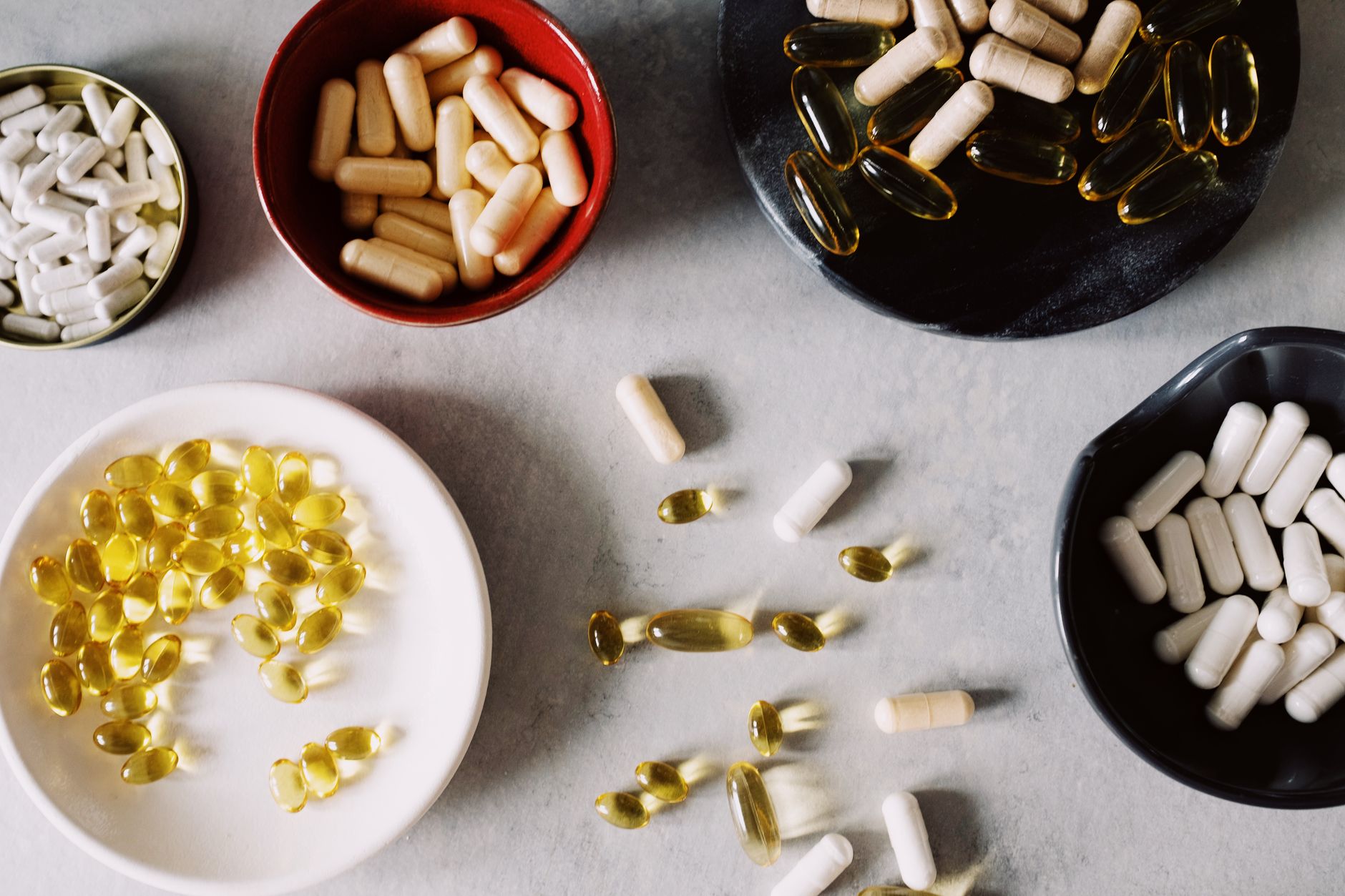
Berberine is a bioactive alkaloid compound extracted from the roots, rhizomes, and stem bark of several plants, including Berberis vulgaris (barberry), Coptis chinensis (goldthread), and Hydrastis canadensis (goldenseal). In traditional medicine systems, such as Traditional Chinese Medicine (TCM) and Ayurveda, it has been used for centuries to address various ailments, primarily those related to gastrointestinal distress and infections.
In contemporary clinical research, berberine has gained significant attention for its potential metabolic effects. The most robust evidence supports its ability to modulate blood glucose and lipid levels. Multiple meta-analyses of randomized controlled trials (RCTs) indicate that berberine supplementation can lead to statistically significant reductions in:
- Fasting blood glucose
- Postprandial blood glucose
- Hemoglobin A1c (HbA1c)
- Total cholesterol and LDL cholesterol
These effects are often attributed to its activation of AMP-activated protein kinase (AMPK), a cellular energy sensor, and other molecular pathways influencing metabolism.
Clinical Perspective: While the glucose and lipid data are promising, it is crucial to contextualize berberine as a potential adjunctive therapy, not a replacement for standard care. The evidence for other popular claims—such as significant weight loss, anti-aging, or gut microbiome modulation—is more preliminary, consisting of smaller studies, animal models, or mixed results. The long-term safety profile beyond 3-6 months of use is also not fully established.
This chapter focuses on the intersection of this clinical context with real-world user experiences. By analyzing patterns within over 10,000 user reviews from major supplement retailers and health forums, we aim to identify:
- The primary health goals for which people use berberine.
- Commonly reported subjective benefits and side effects.
- Notable gaps between user expectations and the established scientific evidence.
Who should exercise caution: Individuals with pre-existing liver conditions, kidney disease, or who are pregnant or breastfeeding should avoid berberine unless under direct medical supervision. It can interact with numerous medications metabolized by the liver (via CYP450 enzymes), including certain statins, blood thinners, and diabetes drugs, potentially altering their efficacy or toxicity. Consulting a physician before starting supplementation is strongly advised, especially for those on medication or with chronic health conditions.
2. Mechanisms of Action and Scientific Evidence
Berberine is a bioactive alkaloid compound extracted from the roots, rhizomes, and stem bark of plants like Berberis vulgaris (barberry), Coptis chinensis (goldthread), and Hydrastis canadensis (goldenseal). Its primary mechanism of action is the activation of an enzyme called adenosine monophosphate-activated protein kinase (AMPK). This enzyme acts as a central regulator of cellular energy metabolism, often described as a "metabolic master switch."
Activating AMPK has several downstream effects that explain berberine's most researched applications:
- Glucose Metabolism: It enhances insulin sensitivity, promotes glucose uptake into cells, and reduces glucose production in the liver.
- Lipid Metabolism: It inhibits the synthesis of fatty acids and cholesterol in the liver while potentially increasing the breakdown of existing lipids.
- Cellular Function: It may support mitochondrial function and influence processes related to cellular aging and inflammation.
Expert Insight: Clinicians view AMPK activation as a compelling pharmacological target. However, it's crucial to understand that berberine's effects are pleiotropic—it influences multiple pathways beyond AMPK, including gut microbiota modulation and mild inhibition of certain liver enzymes (CYP450). This complexity contributes to both its potential benefits and its risk of drug interactions.
The scientific evidence for berberine is robust in specific, narrow areas but limited or preliminary in others. The strongest data, primarily from randomized controlled trials (RCTs) and meta-analyses, supports its use for:
- Improving glycemic control in individuals with type 2 diabetes, often showing efficacy comparable to first-line medications like metformin in reducing HbA1c and fasting blood glucose.
- Moderately improving lipid profiles, notably reducing total cholesterol and LDL-C.
Evidence for other popular uses—such as significant weight loss, PCOS management, or longevity—is more mixed or derived from smaller, shorter-term, or preclinical studies. While results are often promising, they are not yet conclusive for broad clinical recommendations.
Individuals with liver conditions, kidney impairment, or who are pregnant or breastfeeding should avoid berberine unless under direct medical supervision. Due to its potential to interact with numerous medications (including blood thinners, cyclosporine, and many others), consultation with a physician or pharmacist is essential before starting supplementation, particularly for those on prescription drugs.
3. Risks, Side Effects, and Populations to Avoid
While berberine is generally well-tolerated in the short term for many individuals, a responsible review of user feedback and clinical literature reveals a distinct profile of potential adverse effects and significant contraindications. The most commonly reported side effects are gastrointestinal, including abdominal discomfort, cramping, diarrhea, constipation, and flatulence. These effects are often dose-dependent and may subside with continued use or by taking the supplement with food.
Beyond GI upset, user reviews and case reports highlight other important considerations:
- Hypoglycemia Risk: Berberine's glucose-lowering effect, while a primary reason for its use, can lead to dangerously low blood sugar, especially when combined with diabetes medications like insulin or sulfonylureas.
- Drug Interactions: Berberine can inhibit enzymes in the liver (CYP3A4, CYP2D6) responsible for metabolizing many prescription drugs. This can dangerously increase blood levels of medications, including certain statins, blood thinners, antidepressants, and immunosuppressants.
- Potential for Headaches and Dizziness: Some users report these symptoms, which may be related to blood pressure or blood sugar changes.
Clinical Insight: The drug interaction potential is berberine's most underappreciated risk. It acts similarly to the grapefruit juice effect but can be more potent and sustained. A clinician must review a patient's complete medication list before berberine use is considered.
Populations Who Should Avoid or Use Extreme Caution
Evidence strongly supports that the following groups should avoid berberine supplementation unless under direct and informed medical supervision:
- Pregnant and Breastfeeding Women: Berberine may cross the placenta and has been associated with kernicterus (a type of brain damage) in newborns; it is also excreted in breast milk.
- Individuals with Liver Conditions: Given its metabolism through the liver, those with pre-existing liver disease should avoid it due to a lack of safety data.
- Children: Safety and efficacy have not been established.
- People Preparing for Surgery: Due to its potential effects on blood sugar and blood clotting, it should be discontinued at least two weeks prior to any surgical procedure.
Furthermore, individuals with the following conditions should proceed only after a detailed discussion with their physician: those with diabetes (due to hypoglycemia risk), heart conditions or on blood pressure medications, kidney disease, or a history of bile duct obstruction. The long-term safety profile of berberine supplementation beyond several months remains uncertain, highlighting the need for periodic medical review for anyone using it chronically.
4. Evidence-Based Practical Recommendations
Translating user experiences and clinical data into safe, effective practice requires a nuanced approach. The following recommendations are based on the strongest available evidence, with clear distinctions made where data is more preliminary.
Dosage and Timing
The most common effective dose in clinical studies for metabolic support is 500 mg, taken two to three times daily, totaling 1000–1500 mg. This aligns with the dosing pattern frequently reported in user reviews. To minimize potential gastrointestinal discomfort, it is advisable to take berberine with meals.
- For glucose metabolism: Evidence is strongest for taking berberine with breakfast and dinner.
- Cycling consideration: While not universally required, some protocols suggest a cycle (e.g., 8 weeks on, 2–4 weeks off) to support gut microbiome diversity, though high-quality long-term human data on this practice is limited.
Quality and Synergy
Product quality is paramount. Seek supplements that provide a standardized berberine extract (often from Berberis aristata or Coptis chinensis) with clear labeling of berberine content per serving. User reviews often highlight better tolerability and perceived efficacy with brands that undergo third-party testing for purity and heavy metals.
Combining berberine with certain compounds may enhance bioavailability. The most evidence-supported combination is with 100–500 mg of silymarin (milk thistle extract), which can inhibit berberine's rapid metabolism in the liver, potentially increasing its systemic availability.
Clinical Insight: In practice, we view berberine as a pharmacological agent, not merely a supplement. Its potent interaction with the CYP450 enzyme system means it can significantly alter the blood levels of many common prescription drugs. A thorough medication review by a physician or pharmacist is non-negotiable before starting.
Critical Precautions and Contraindications
Berberine is not appropriate for everyone. The following groups should exercise extreme caution or avoid use entirely:
- Pregnant or breastfeeding women: Berberine is contraindicated due to theoretical risks of kernicterus in newborns and a lack of safety data.
- Individuals on medications: This is the foremost concern. Berberine can interact with anticoagulants, antiplatelet drugs, blood pressure medications, cyclosporine, most statins, and many antidepressants. Concurrent use requires close medical supervision.
- Those with pre-existing conditions: Individuals with hypotension, liver disease, or kidney impairment should avoid use unless under direct medical guidance.
The most responsible recommendation is to initiate berberine supplementation only after a discussion with a healthcare provider who can review your full health profile, current medications, and health objectives. This ensures any potential benefits are pursued within a framework of safety.
5. Safety Protocols and When to Seek Medical Advice
While berberine is generally well-tolerated by many, a responsible approach requires understanding its safety profile and potential interactions. The most common adverse effects reported in clinical trials and user reviews are gastrointestinal, including constipation, diarrhea, stomach cramps, and flatulence. These often subside with continued use or by taking the supplement with food.
However, more significant safety considerations exist. Berberine can interact with numerous medications by affecting liver enzymes (particularly CYP3A4 and CYP2D6) responsible for drug metabolism. This can lead to either reduced efficacy or increased toxicity of prescription drugs.
- Critical Interactions: Exercise extreme caution if taking medications metabolized by the liver, including certain statins, blood thinners (e.g., warfarin), antidepressants, immunosuppressants (e.g., cyclosporine), and many others.
- Blood Sugar and Pressure: Due to its glucose and blood pressure-lowering effects, combining berberine with diabetes (e.g., metformin, insulin) or antihypertensive medications can potentiate their effects, risking hypoglycemia or hypotension. Medical supervision for dosage adjustment is essential.
- Pregnancy and Lactation: Berberine is contraindicated during pregnancy due to evidence it may cross the placenta and potentially cause harm, such as kernicterus in newborns. Its safety during breastfeeding is not established.
Clinical Insight: From a pharmacological perspective, berberine should be treated with the same caution as a pharmaceutical agent, not a benign herbal product. Its mechanism of activating AMPK has systemic effects. A common oversight is patients not informing their physician about its use, which can complicate management of chronic conditions and obscure the cause of new symptoms or lab abnormalities.
Who Should Consult a Physician Before Use: Individuals with pre-existing liver conditions, kidney disease, or a history of hypoglycemia should avoid berberine unless under direct medical care. Those on any long-term medication, especially for chronic conditions like diabetes, cardiovascular disease, or mental health, must have a risk-benefit discussion with their doctor. The evidence for berberine's benefits, while promising for specific metrics, does not outweigh the established risks in these populations without professional guidance.
A foundational safety protocol is to start with a low dose (e.g., 500 mg daily) to assess tolerance, avoid taking it on an empty stomach to minimize GI upset, and consistently monitor relevant biomarkers (like blood glucose and liver enzymes) through regular check-ups if use is long-term.
6. Questions & Expert Insights
Is berberine a natural alternative to prescription diabetes or weight loss medications?
While some user reviews draw this comparison, it is a significant oversimplification. Evidence suggests berberine can modestly improve insulin sensitivity and lower fasting blood glucose, with effects sometimes compared to older diabetes drugs like metformin in some small studies. However, this does not equate to being a substitute. Prescription medications undergo rigorous, long-term safety and efficacy testing for specific medical diagnoses. Berberine supplements are not FDA-approved to treat any disease. The effects on weight in clinical trials are typically modest (e.g., a few pounds over several months) and highly variable. Crucially, self-treating a condition like diabetes by replacing a prescribed medication with a supplement can be dangerous, leading to poorly controlled blood sugar and increased risk of complications.
What are the most common side effects and who should absolutely avoid berberine?
Gastrointestinal discomfort, including cramping, diarrhea, gas, and constipation, is the most frequently reported issue in both reviews and trials. These effects are often dose-dependent and may subside with time. More serious considerations involve drug interactions and specific health conditions. Berberine can inhibit enzymes in the liver (CYP3A4, CYP2D6) that metabolize many common medications, potentially raising their blood levels to dangerous amounts. This includes drugs like cyclosporine, metformin, some statins, and many antidepressants. It should be avoided by pregnant or breastfeeding women due to theoretical risk of kernicterus in newborns. Individuals with pre-existing liver conditions, kidney disease, or hypotension should also exercise extreme caution or avoid use, as should those on multiple medications ("polypharmacy").
How should I talk to my doctor about considering berberine?
Initiate this conversation with transparency and preparation. Frame it as: "I've read about berberine supplements for [mention your specific interest, e.g., blood sugar support]. I wanted to get your medical opinion on whether it might be appropriate or risky for my situation." Come prepared with a complete list of all medications and supplements you currently take, including dosages. This is non-negotiable for assessing interaction risk. Be ready to discuss your full health history. Ask specific questions: "Given my [state condition, e.g., prediabetes, current medications], what are the potential risks?" and "How would we monitor if I decided to try this?" A qualified healthcare provider can help you weigh the low-quality evidence from user anecdotes against your personal health profile.
Do user reviews and clinical trials tell the same story about berberine's effectiveness?
Not entirely, and understanding the divergence is key. User reviews often highlight rapid, transformative results in weight loss and energy, fueled by anecdotal enthusiasm and the placebo effect. Clinical trials, while showing promise, report more modest and variable outcomes. For instance, a meta-analysis might show an average reduction in HbA1c of 0.5-0.7%, which is meaningful but not dramatic. Trials also strictly control factors like diet and exercise, whereas user experiences conflate the supplement's effect with other lifestyle changes. Reviews heavily suffer from selection and survivorship bias—those with strong positive or negative experiences are more likely to post. Therefore, user reviews are useful for gauging common side effects and real-world usage patterns, but they are a poor substitute for controlled evidence when assessing true efficacy and safety.
7. In-site article recommendations
8. External article recommendations
9. External resources
The links below point to reputable medical and evidence-based resources that can be used for further reading. Always interpret them in the context of your own situation and your clinician’s advice.
-
drugs drugs.comberberine – Drugs.com (search)
-
healthline healthline.comberberine – Healthline (search)
-
examine examine.comberberine – Examine.com (search)
These external resources are maintained by third-party organisations. Their content does not represent the editorial position of this site and is provided solely to support readers in accessing additional professional information.