
1. Introduction to Berberine and Insulin Sensitivity Context
Berberine is a bioactive alkaloid compound extracted from the roots, rhizomes, and stem bark of several plants, including Berberis aristata (tree turmeric), Coptis chinensis (goldthread), and Hydrastis canadensis (goldenseal). For centuries, it has been a cornerstone of traditional Chinese and Ayurvedic medicine, primarily used for gastrointestinal infections and inflammation. In modern clinical research, its potential role in modulating metabolic health, particularly insulin sensitivity, has become a significant focus.
Insulin sensitivity refers to how effectively the body's cells respond to the hormone insulin. Reduced sensitivity, known as insulin resistance, is a core pathological driver of metabolic dysfunction. It is a hallmark of:
- Prediabetes and type 2 diabetes mellitus
- Polycystic ovary syndrome (PCOS)
- Non-alcoholic fatty liver disease (NAFLD)
- Metabolic syndrome
Managing insulin resistance is therefore a critical therapeutic target for preventing and managing these widespread conditions. While lifestyle modification (diet and exercise) remains the first-line intervention, there is considerable scientific and public interest in adjunctive nutraceutical approaches.
This is the context in which berberine has gained prominence. Preliminary mechanistic and clinical studies suggest it may influence glucose metabolism through several pathways, including:
- Activating adenosine monophosphate-activated protein kinase (AMPK), an enzyme often called a "cellular energy sensor."
- Improving insulin receptor signaling.
- Modulating gut microbiota composition.
Expert Insight: It is crucial to frame berberine not as a replacement for established medical therapy but as a compound of interest within a broader metabolic management strategy. The evidence, while promising, is primarily derived from in vitro studies, animal models, and a growing number of human randomized controlled trials (RCTs) that are often of moderate size and duration. Readers should understand that "promising mechanism" does not equate to "proven standard of care."
Individuals with diagnosed metabolic conditions, those taking prescription medications (especially for diabetes, hypertension, or cholesterol, due to potential interactions), pregnant or breastfeeding women, and individuals with liver or kidney disease should consult a physician before considering berberine supplementation. This chapter lays the foundational context for a detailed, evidence-based exploration of berberine's real-world impact on insulin sensitivity.
2. Mechanisms and Evidence on Berberine's Effects
Berberine's proposed impact on insulin sensitivity is rooted in its ability to influence several key cellular and metabolic pathways. The most well-supported mechanism involves the activation of an enzyme called AMP-activated protein kinase (AMPK), often described as a cellular energy sensor. When activated, AMPK promotes glucose uptake in muscle and liver cells, enhances fatty acid oxidation, and inhibits glucose production in the liver—actions that collectively improve insulin signaling and reduce blood sugar.
Other plausible mechanisms supported by preclinical and some human data include:
- Modulation of the gut microbiome: Berberine may alter bacterial populations, potentially reducing inflammation and improving gut barrier function, which are linked to metabolic health.
- Anti-inflammatory effects: By inhibiting pro-inflammatory signaling molecules like NF-κB, berberine may help lower the chronic, low-grade inflammation associated with insulin resistance.
- Improvement in adipose tissue function: Some evidence suggests it may promote healthier fat storage and adipokine secretion.
Clinical Perspective: While the AMPK pathway is a robust explanatory model, human metabolism is complex. The observed clinical effects are likely the result of multiple, overlapping mechanisms rather than a single "magic bullet." This also means individual responses can vary significantly based on genetics, diet, and baseline health status.
The evidence for berberine's efficacy in humans comes primarily from randomized controlled trials (RCTs), though with important caveats. A 2022 meta-analysis in Phytomedicine concluded that berberine significantly improves fasting blood glucose, HbA1c, and HOMA-IR (a marker of insulin resistance) compared to placebo or lifestyle intervention alone. The effect size is often comparable to first-line medications like metformin.
However, the evidence has limitations. Many trials are of relatively short duration (3-6 months) and conducted in specific populations, primarily individuals with type 2 diabetes or prediabetes. Data on its long-term efficacy and safety beyond one year is sparse. Furthermore, results in metabolically healthy individuals or those with only mild insulin resistance are less consistent and not strongly evidence-based.
Who should exercise caution? Individuals with known liver conditions, kidney disease, or who are pregnant or breastfeeding should avoid berberine unless under direct medical supervision. It can interact with numerous medications metabolized by the liver (via CYP450 enzymes), including certain statins, blood thinners, and cyclosporine. Anyone on prescription medication or with a significant chronic health condition must consult their physician before use.
3. Risks, Side Effects, and Populations to Avoid
While berberine is associated with potential metabolic benefits, its use is not without risks. A balanced assessment requires a clear understanding of its side effect profile and the specific populations for whom it may be contraindicated. The most commonly reported adverse effects are gastrointestinal, which are strongly supported by clinical trial data.
- Gastrointestinal Distress: Diarrhea, constipation, flatulence, and abdominal discomfort are frequently reported, especially at higher doses or during initial use. These effects often diminish with time but can be a significant barrier to adherence.
- Hypoglycemia Risk: For individuals taking glucose-lowering medications (e.g., insulin, sulfonylureas, meglitinides), berberine may have an additive effect, increasing the risk of dangerously low blood sugar (hypoglycemia). This interaction is a major clinical concern.
- Drug Interactions: Berberine is metabolized by the liver enzyme CYP3A4 and can inhibit it. This can alter the blood levels of numerous prescription drugs, including certain statins, blood thinners (like warfarin), immunosuppressants (like cyclosporine), and some antidepressants, potentially leading to toxicity or reduced efficacy.
The evidence for other potential risks, such as liver toxicity, is more limited and based primarily on case reports rather than large-scale trials. However, the potential for harm in vulnerable groups is well-established and necessitates caution.
Clinical Insight: From a prescribing perspective, berberine is not an inert supplement. Its pharmacologic activity demands the same caution as a pharmaceutical agent. Clinicians evaluate it within a patient's full medication regimen and health history, not in isolation. The CYP3A4 inhibition is a particularly critical consideration in polypharmacy, common in the populations seeking metabolic support.
Populations Who Should Avoid or Use Extreme Caution
Certain individuals should avoid berberine or only consider it under direct medical supervision:
- Pregnant and Breastfeeding Individuals: Berberine may cross the placental barrier and has been associated with kernicterus (a type of brain damage) in newborns; it is contraindicated in pregnancy and lactation.
- Individuals with Liver or Kidney Impairment: As berberine is metabolized by the liver and excreted by the kidneys, impaired function can lead to accumulation and increased risk of adverse effects.
- Those on Medications Metabolized by CYP3A4: As noted above, concurrent use requires careful monitoring and likely dose adjustment of the concomitant drug.
- Children: Safety and efficacy data in pediatric populations are lacking.
- Individuals Preparing for Surgery: Due to its potential effects on blood sugar and blood clotting, it is generally advised to discontinue berberine at least two weeks prior to elective procedures.
Before initiating berberine, a consultation with a physician or a clinical pharmacist is essential to review your complete health profile, current medications, and underlying conditions. Self-supplementation without this oversight carries significant and avoidable risks.
4. Practical Takeaways for Balanced Berberine Use
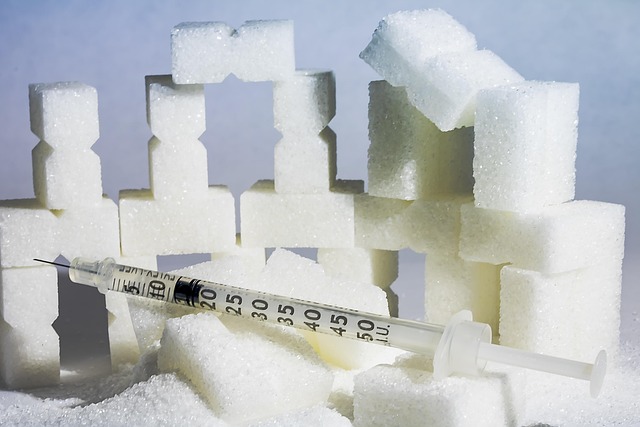
For individuals considering berberine to support metabolic health, a balanced and evidence-informed approach is essential. The most consistent data supports its use for modest improvements in fasting blood glucose, HbA1c, and insulin sensitivity, particularly in individuals with prediabetes or type 2 diabetes. However, it should be viewed as a potential adjunct to, not a replacement for, foundational lifestyle interventions like a balanced diet and regular physical activity.
Key Usage Guidelines
To maximize potential benefit and minimize risk, consider the following practical steps:
- Consult a Healthcare Provider First: This is non-negotiable, especially if you have a diagnosed medical condition or take other medications. Berberine can interact with many drugs, including blood thinners, blood pressure medications, and cyclosporine.
- Start with a Standard Dose: Clinical trials typically use 500 mg taken two to three times daily, totaling 1000–1500 mg per day. It is prudent to start at the lower end of this range to assess tolerance.
- Time Your Doses: Take berberine with meals or shortly after. This can improve absorption and may help mitigate common gastrointestinal side effects like cramping or diarrhea.
- Commit to a Trial Period: Evidence suggests effects on glucose metabolism may become noticeable within weeks, but a meaningful assessment often requires 8–12 weeks of consistent use.
- Monitor and Document: If approved by your doctor, track relevant markers like fasting blood glucose (if you self-monitor) and note any changes in energy or side effects. This creates objective data for review.
Clinical Perspective: In practice, berberine is often considered a "nutraceutical" with pharmacological activity. Its mechanism—activating AMPK—mimics some effects of exercise and metformin. Therefore, its greatest utility is likely in a comprehensive management plan. Clinicians are primarily cautious about its drug-interaction potential and lack of long-term safety data beyond a few years of use.
Who Should Exercise Particular Caution?
Berberine is not suitable for everyone. The following groups should avoid use or proceed only under direct medical supervision:
- Pregnant or Breastfeeding Women: Berberine may stimulate uterine contractions and can cross the placenta; safety is not established.
- Individuals with Liver Conditions: As berberine is metabolized by the liver, those with existing liver disease require careful monitoring.
- People Taking Multiple Medications: Due to its effect on liver enzymes (CYP450 system), it can alter the levels of many prescription drugs.
- Those with a History of Gastrointestinal Disorders: It may exacerbate symptoms like IBS or chronic constipation/diarrhea.
In summary, berberine presents a promising but nuanced option for metabolic support. Its responsible use hinges on professional guidance, realistic expectations of moderate benefit, and a primary commitment to lifestyle as the cornerstone of health.
5. Safety Considerations and When to Consult a Doctor
While berberine is generally well-tolerated in clinical trials of short to medium duration, its potent biological activity necessitates a cautious approach. The most common adverse effects are gastrointestinal, including abdominal discomfort, constipation, diarrhea, and flatulence. These effects are often dose-dependent and may subside with continued use, but they are a primary reason for discontinuation.
The most significant safety concerns arise from berberine's potential for drug interactions and its effects on specific organ systems. As a compound that influences metabolic pathways and is metabolized by the liver, it can interfere with the efficacy and safety of numerous prescription medications.
- Drug Interactions: Berberine can inhibit enzymes in the cytochrome P450 system (notably CYP2D6 and CYP3A4), potentially increasing blood levels of drugs metabolized by these pathways. It poses a serious risk when combined with medications like certain statins (e.g., simvastatin), blood thinners (e.g., warfarin), immunosuppressants (e.g., cyclosporine), and some antidepressants. Concurrent use with diabetes medications (metformin, sulfonylureas, insulin) may potentiate hypoglycemia, requiring close glucose monitoring and possible dose adjustment under medical supervision.
- Pregnancy and Lactation: Berberine is contraindicated during pregnancy due to evidence it can cross the placenta and may cause kernicterus, a type of brain damage in newborns. Its safety during breastfeeding is not established.
- Pre-existing Conditions: Individuals with liver disease, kidney impairment, or heart conditions (particularly bradycardia or heart failure) should exercise extreme caution, as berberine's effects on these systems are not fully characterized in diseased states.
Clinical Perspective: From a clinician's standpoint, berberine is not an innocuous "natural" supplement. Its mechanism parallels pharmaceutical actions, warranting the same vigilance. A thorough medication reconciliation is non-negotiable before considering its use. The evidence for its benefits, while promising, does not yet outweigh the established risks for individuals on complex medication regimens or with significant comorbidities.
When to Consult a Healthcare Professional
You should consult a doctor or a pharmacist before starting berberine if any of the following apply:
- You are currently taking any prescription or over-the-counter medications.
- You have been diagnosed with a chronic condition (e.g., diabetes, heart disease, liver or kidney disorder).
- You are pregnant, planning to become pregnant, or breastfeeding.
- You are scheduled for surgery, as berberine may affect blood sugar and interact with anesthesia.
The decision to use berberine should be an informed one, made in partnership with a healthcare provider who can evaluate your full health profile, monitor for interactions and side effects, and determine if the potential metabolic benefits align with your personal health goals and risks.
6. Questions & Expert Insights
Can berberine supplements really improve insulin sensitivity like some medications?
Evidence suggests berberine can have a measurable, positive effect on insulin sensitivity, but it is not a pharmaceutical-grade replacement for prescribed medication. The mechanism appears to involve activating an enzyme called AMP-activated protein kinase (AMPK), which improves cellular glucose uptake and metabolism. Several meta-analyses of randomized controlled trials show berberine can significantly lower fasting blood glucose, HbA1c, and insulin resistance (HOMA-IR) markers, with some studies showing effects comparable to first-line drugs like metformin. However, these trials are often of short to medium duration (3-6 months) and conducted in specific populations, primarily with type 2 diabetes or metabolic syndrome. The long-term sustainability and cardiovascular outcomes of berberine use remain unknown. It should be viewed as a potential adjunct to foundational lifestyle therapy, not a standalone or first-line pharmaceutical substitute.
What are the main risks and side effects, and who should absolutely avoid berberine?
The most common adverse effects are gastrointestinal, including cramping, diarrhea, constipation, and flatulence, which may subside with time. More serious risks involve drug interactions. Berberine can inhibit enzymes (CYP3A4, CYP2D6) responsible for metabolizing many prescription drugs, potentially raising their blood levels to dangerous amounts. This is particularly critical for drugs like cyclosporine, warfarin, certain statins, and many antidepressants. It may also lower blood pressure and blood sugar, posing risks for those already on antihypertensive or hypoglycemic medications. Individuals who should avoid berberine include: pregnant or breastfeeding women (risk of kernicterus in newborns), individuals with significant liver disease or elevated bilirubin, those with severe kidney impairment, and people taking medications with a narrow therapeutic index. A history of hypoglycemia or hypotension also warrants extreme caution.
If I want to try berberine, when and how should I talk to my doctor?
You must consult your physician or a specialist (endocrinologist, pharmacist) before starting berberine, especially if you have any diagnosed condition or take any medications. This conversation is non-negotiable due to interaction risks. Come prepared to discuss: 1) Your complete medication and supplement list, including dosages, 2) Your most recent lab results (e.g., HbA1c, liver enzymes, creatinine), 3) Your specific health goals, and 4) The brand and dosage of berberine you are considering. Ask your doctor to review potential interactions with your current regimen and to help establish safety parameters for monitoring (e.g., checking blood glucose more frequently initially). This ensures a coordinated approach and prevents you from inadvertently undermining your prescribed therapy.
How does the evidence for berberine compare to foundational lifestyle changes for insulin sensitivity?
While berberine shows pharmacological activity, its impact is modest compared to the profound and multi-system benefits of sustained lifestyle intervention. High-quality evidence consistently ranks nutrition (e.g., Mediterranean or low-glycemic load patterns), regular physical activity (both aerobic and resistance training), stress management, and adequate sleep as first-line, cornerstone strategies for improving insulin sensitivity. These interventions offer wide-ranging benefits for cardiovascular, neurological, and mental health without the risk of drug interactions. Berberine may provide an additional, incremental benefit for some individuals when layered on top of these foundational practices. It should not be viewed as a shortcut that replaces them. The limited trial data often studies berberine in conjunction with lifestyle advice, making it difficult to isolate its independent effect.
7. In-site article recommendations
8. External article recommendations
9. External resources
The links below point to reputable medical and evidence-based resources that can be used for further reading. Always interpret them in the context of your own situation and your clinician’s advice.
-
drugs drugs.comberberine – Drugs.com (search)
-
mayoclinic mayoclinic.orgberberine – Mayo Clinic (search)
-
healthline healthline.comberberine – Healthline (search)
These external resources are maintained by third-party organisations. Their content does not represent the editorial position of this site and is provided solely to support readers in accessing additional professional information.