
1. Introduction to Berberine and Energy Enhancement Claims
Berberine is a bioactive alkaloid compound extracted from the roots, rhizomes, and stem bark of several plants, including Berberis aristata (tree turmeric), Coptis chinensis (goldthread), and Hydrastis canadensis (goldenseal). It has a long history of use in traditional Chinese and Ayurvedic medicine, primarily for managing gastrointestinal infections and diarrhea. In recent decades, modern scientific inquiry has shifted focus to its potential metabolic effects, positioning it as a popular dietary supplement for blood sugar regulation, lipid management, and, increasingly, for combating fatigue and enhancing energy.
The central claim that berberine can boost energy is not typically framed as a direct stimulant effect, like caffeine. Instead, it is proposed to work indirectly by improving cellular energy metabolism. The primary mechanisms cited in the scientific literature include:
- AMPK Activation: Berberine is a well-documented activator of AMP-activated protein kinase (AMPK), an enzyme often called the body's "master metabolic switch." Activated AMPK promotes cellular energy production and enhances glucose uptake in muscles, which could theoretically reduce feelings of low energy.
- Mitochondrial Function: Some preclinical studies suggest berberine may support mitochondrial biogenesis and efficiency, potentially improving the energy output of cells.
- Glycemic Control: By improving insulin sensitivity and reducing post-meal blood sugar spikes and crashes, berberine may help stabilize energy levels throughout the day, particularly in individuals with metabolic concerns.
It is crucial to distinguish the strength of evidence behind these mechanisms. The activation of AMPK and the benefits for glycemic control in individuals with insulin resistance are supported by a robust body of human and animal research. However, the direct translation of these biochemical effects to a perceptible, sustained increase in "energy" or reduced fatigue in otherwise healthy individuals is less established and often relies on preliminary or mixed data.
Clinical Perspective: From a clinical standpoint, the energy-enhancing potential of berberine is most plausible in the context of underlying metabolic dysfunction, where fatigue is a common symptom. For a healthy individual with normal blood sugar and insulin function, the tangible energy benefits are far less certain and not strongly validated by high-quality human trials.
As we explore these claims in depth, a balanced, evidence-based approach is essential. Individuals with pre-existing liver or kidney conditions, those who are pregnant or breastfeeding, and people on medications—particularly for diabetes, blood pressure, or cholesterol—should consult a physician before considering berberine, due to its potent biological activity and potential for interactions.
2. Evidence and Mechanisms Behind Berberine's Effects
Berberine's potential to influence energy metabolism is supported by a growing body of preclinical and clinical research, though the evidence for a direct, subjective "energy boost" in healthy individuals is more nuanced. The primary mechanisms are rooted in its well-documented effects on cellular metabolism and insulin signaling.
Core Mechanisms of Action
Berberine's most robustly studied mechanism involves the activation of an enzyme called AMP-activated protein kinase (AMPK). Often termed the body's "metabolic master switch," AMPK activation promotes cellular energy homeostasis. When activated, it can:
- Enhance glucose uptake into cells, improving insulin sensitivity.
- Stimulate fatty acid oxidation (burning fat for energy) in the mitochondria.
- Support mitochondrial biogenesis, the creation of new cellular power plants.
This metabolic shift can lead to more efficient energy production at the cellular level, which may translate to improved energy availability, particularly in individuals with metabolic dysregulation.
Evidence from Human Studies
The clinical evidence is strongest in populations with insulin resistance or type 2 diabetes. Multiple randomized controlled trials and meta-analyses show berberine can significantly lower fasting blood glucose, HbA1c, and insulin levels. For individuals in these groups, improved glycemic control often correlates with reduced fatigue and more stable energy levels throughout the day, as blood sugar spikes and crashes are mitigated.
Evidence for a direct energizing effect in metabolically healthy individuals is limited. Some studies note modest improvements in markers like fasting insulin or lipid profiles, but subjective reports of increased "energy" are less consistent and often anecdotal.
Clinical Perspective: Clinicians view berberine primarily as a metabolic modulator, not a stimulant like caffeine. The perceived "energy" benefit likely stems from correcting underlying inefficiencies in glucose and lipid metabolism, rather than providing a direct stimulatory jolt. Its effects are systemic and gradual.
Important Cautions and Limitations
It is crucial to interpret this evidence with its limitations. Many trials, while promising, are of relatively short duration (often 3-6 months) and have been conducted in specific, often unwell, populations. Long-term safety data in healthy individuals is less comprehensive.
Given its potent biological activity, certain individuals should exercise caution and consult a physician before use:
- Those taking medications metabolized by the liver (especially via CYP450 enzymes), as berberine can interact.
- Individuals on blood sugar-lowering drugs (e.g., metformin, insulin) due to risk of additive effects and hypoglycemia.
- Pregnant or breastfeeding women, and those with severe liver or kidney disease.
In summary, berberine's evidence for enhancing energy is most compelling through the lens of improving metabolic efficiency, particularly in the context of insulin resistance. Its mechanism is foundational, not superficial, and its use requires an informed, cautious approach.
3. Risks and Contraindications for Berberine Use
While berberine is often discussed for its potential metabolic benefits, a thorough understanding of its risks and contraindications is essential for safe use. Its potent biological activity, which drives its proposed effects, also underpins its potential for significant adverse interactions and side effects.
Primary Contraindications and Major Risks
Certain individuals should avoid berberine entirely unless under strict medical supervision. The most critical contraindications include:
- Pregnancy and Lactation: Berberine can cross the placental barrier and is contraindicated during pregnancy due to a risk of kernicterus (a type of brain damage) in the newborn. It should also be avoided while breastfeeding.
- Neonates and Young Infants: Due to immature liver function, berberine can cause or exacerbate jaundice.
- Pre-existing Liver Conditions: Individuals with liver disease or elevated liver enzymes should avoid berberine, as there are case reports of it potentially exacerbating liver injury.
- Severe Kidney Dysfunction: Berberine is primarily excreted by the kidneys. Its use in individuals with significant renal impairment could lead to unsafe accumulation.
Common Side Effects and Drug Interactions
Common, typically mild, gastrointestinal side effects include diarrhea, constipation, flatulence, and abdominal discomfort. These often subside with time or dose adjustment. More serious considerations involve drug interactions.
Clinical Insight: Berberine's most clinically significant risk is its interaction with medications metabolized by the cytochrome P450 enzyme system, particularly CYP3A4 and CYP2D6. It can inhibit these enzymes, potentially increasing the blood levels and toxicity of a wide range of drugs to dangerous levels. This is not a theoretical risk; it requires proactive management.
Key medication classes that require extreme caution and physician consultation include:
- Diabetes Medications: Combining berberine with drugs like metformin, sulfonylureas, or insulin can potentiate their glucose-lowering effect, raising the risk of hypoglycemia.
- Blood Pressure Medications: Interactions may lead to hypotension (dangerously low blood pressure).
- Immunosuppressants: Drugs like cyclosporine and tacrolimus have narrow therapeutic windows. Berberine can drastically increase their levels, leading to toxicity or organ rejection.
- Anticoagulants/Antiplatelets: Berberine may increase the effects of drugs like warfarin, raising bleeding risk.
- Many Others: Including certain statins, antiarrhythmics, and antidepressants.
Practical Guidance for Safe Consideration
Given these risks, a cautious approach is mandatory. Individuals considering berberine, especially those with chronic conditions or on any regular medication, must consult a physician or pharmacist first. Dosing should start low (e.g., 500 mg/day) to assess tolerance. It is prudent to avoid long-term, uninterrupted use without medical oversight, as data on its safety profile beyond several months is limited.
4. Practical Takeaways for Safe and Effective Use
If you are considering berberine to support energy metabolism, a structured, evidence-based approach is essential for safety and efficacy. The primary mechanism for its potential energy-enhancing effects is through the activation of AMP-activated protein kinase (AMPK), a cellular energy sensor. This action may improve insulin sensitivity and mitochondrial function, which can translate to more stable energy levels, particularly in individuals with metabolic concerns.
To apply this knowledge practically, consider the following guidelines:
- Dosage: Most clinical trials use a dosage range of 900–1500 mg per day, typically divided into two or three doses (e.g., 500 mg three times daily). Starting at the lower end of this range allows you to assess tolerance.
- Timing: Take berberine with meals or shortly after. This can help mitigate potential gastrointestinal side effects like cramping or diarrhea and may align its action with postprandial glucose metabolism.
- Duration and Patience: Berberine is not a stimulant. Its effects on energy are indirect and metabolic. Do not expect an immediate "boost." Consistent use over several weeks is typically needed to observe potential benefits on energy parameters.
- Synergy with Lifestyle: The compound is not a substitute for foundational health practices. Its effects are most pronounced and safest when combined with a balanced diet and regular physical activity.
Clinical Insight: In practice, clinicians view berberine as a metabolic modulator, not a direct energizer. The perceived improvement in "energy" often correlates with better glycemic control and reduced post-meal fatigue. It is crucial to manage expectations: this is a subtle, systemic support, not a replacement for addressing sleep disorders, nutritional deficiencies, or thyroid dysfunction.
Critical Safety Considerations: Berberine is a pharmacologically active compound with significant drug-interaction potential. It inhibits certain cytochrome P450 enzymes and can affect the metabolism of numerous prescription drugs.
- Consult a Physician First If: You are taking any medications, especially for diabetes (risk of hypoglycemia), hypertension, cholesterol, blood thinners, or immunosuppressants. You have a known liver condition, are pregnant, breastfeeding, or trying to conceive.
- Discontinue and Seek Advice: If you experience severe gastrointestinal upset, signs of hypoglycemia (lightheadedness, sweating, confusion), or unusual fatigue.
The evidence for berberine's metabolic benefits is promising but primarily from short-to-medium term studies. Long-term safety data in healthy populations is limited. Therefore, its use should be intentional, monitored, and part of a broader, physician-guided health strategy.
5. Safety Considerations and When to Consult a Healthcare Provider
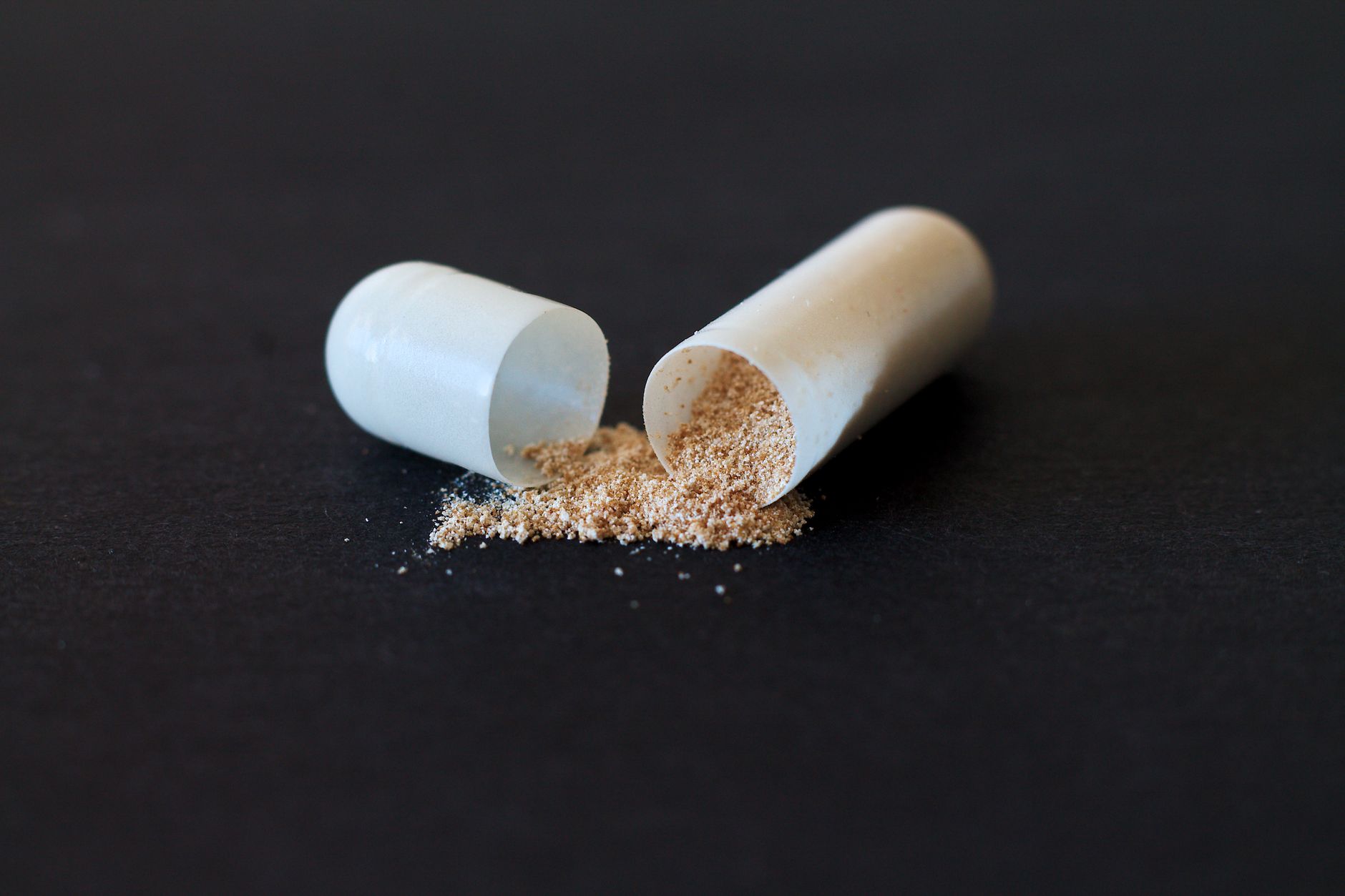
While berberine is generally well-tolerated in clinical trials of short to medium duration, its safety profile is not fully established for long-term, unsupervised use. The most common adverse effects are gastrointestinal, including abdominal discomfort, constipation, diarrhea, and flatulence. These effects are often dose-dependent and may subside with continued use, but they are a primary reason for discontinuation.
The most significant safety concerns arise from berberine's potent biological activity, particularly its interaction with prescription medications. Berberine is metabolized by the cytochrome P450 enzyme system, specifically CYP3A4 and CYP2D6. This can lead to altered blood levels of numerous common drugs.
- Hypoglycemic Agents: Concurrent use with diabetes medications (e.g., metformin, insulin, sulfonylureas) can potentiate their effect, raising the risk of hypoglycemia.
- Antihypertensives: It may lower blood pressure, potentially causing additive effects with blood pressure medications.
- Immunosuppressants: It can dangerously increase levels of drugs like cyclosporine and tacrolimus.
- Anticoagulants: Potential interactions with blood thinners like warfarin could increase bleeding risk.
Furthermore, certain populations should exercise extreme caution or avoid berberine supplementation entirely without direct medical supervision.
Clinical Insight: From a pharmacological perspective, berberine should be treated with the same caution as a prescription drug due to its significant interaction potential. Clinicians often advise a "start low, go slow" approach if use is deemed appropriate, and they emphasize that it is not a benign herbal product for casual experimentation, especially for individuals on complex medication regimens.
When to Consult a Healthcare Provider
You should consult a physician or a qualified pharmacist before starting berberine if you fall into any of the following categories:
- You are currently taking any prescription or over-the-counter medications.
- You have a diagnosed medical condition, particularly diabetes, liver disease, kidney impairment, or heart conditions.
- You are pregnant, breastfeeding, or trying to conceive (berberine is contraindicated in pregnancy).
- You are scheduled for surgery, due to its potential effects on blood sugar and blood pressure.
- You experience persistent gastrointestinal distress, signs of hypoglycemia (shaking, sweating, confusion), or any other unusual symptoms after starting the supplement.
In summary, while berberine shows promise for influencing metabolic pathways linked to energy, its use is not without risk. A discussion with a healthcare provider is a non-negotiable step to evaluate individual risk factors, potential drug interactions, and to determine if its use is appropriate and safe within the context of your overall health picture.
6. Questions & Expert Insights
How does berberine work to potentially boost energy, and is this effect direct?
Berberine is not a direct stimulant like caffeine. Its proposed energy-enhancing effects are primarily indirect, operating through metabolic pathways. The most robust evidence centers on its ability to activate an enzyme called AMP-activated protein kinase (AMPK), often described as a cellular "energy sensor." By activating AMPK, berberine may improve cellular glucose uptake and mitochondrial function, potentially leading to more efficient energy production. Another key mechanism is its impact on insulin sensitivity; by helping cells respond better to insulin, it can facilitate better blood sugar management. Stable blood sugar levels can prevent the energy crashes associated with glucose spikes and dips, which may be perceived as increased daily energy. However, it's crucial to understand that these are systemic, metabolic effects with a delayed onset (weeks), not an immediate "boost."
What are the most common side effects, and who should absolutely avoid berberine?
The most frequently reported side effects are gastrointestinal, including diarrhea, constipation, abdominal cramping, and flatulence. These often subside with time or by taking the supplement with meals. More serious concerns involve drug interactions. Berberine can inhibit enzymes in the liver (CYP450 system) that metabolize many prescription drugs, potentially raising their blood levels to dangerous amounts. It is contraindicated for pregnant and breastfeeding women due to the risk of kernicterus (a type of brain damage) in newborns. Individuals with pre-existing liver conditions, kidney disease, or low blood pressure should also avoid it unless under strict medical supervision. Due to its blood sugar-lowering effect, those with diabetes on medication must use extreme caution to avoid hypoglycemia.
What should I discuss with my doctor before considering berberine for low energy?
Initiate this conversation by framing your primary concern: persistent fatigue. Before discussing supplements, your doctor should rule out common underlying causes like anemia, thyroid disorders, sleep apnea, or clinical depression. If you wish to explore berberine, come prepared. Bring a list of all medications and supplements you take, as interactions are the paramount risk. Be ready to discuss your personal and family medical history, particularly regarding liver/kidney health, diabetes, and heart conditions. Ask your doctor to review your recent metabolic markers (fasting blood glucose, HbA1c, lipid panel) to see if you even fit the profile of someone who might benefit. A responsible physician will help you weigh the unproven benefits for energy against the known risks for your specific health context.
What does the current evidence actually say about berberine and energy levels in healthy people?
The evidence for berberine directly enhancing energy in otherwise healthy individuals is sparse and low-quality. Most clinical trials investigate berberine for specific conditions like type 2 diabetes, PCOS, or high cholesterol. Improvements in fatigue in these studies are likely secondary to better metabolic control. There are few, if any, rigorous, long-term randomized controlled trials examining "energy" as a primary outcome in a metabolically healthy population. Anecdotal reports of increased vitality are difficult to interpret due to the placebo effect and concurrent lifestyle changes. Therefore, while the mechanistic rationale for improved metabolic efficiency exists, it is premature to state that berberine is a proven, safe energy enhancer for the general public. The potential benefits do not outweigh the known risks for those without a clear metabolic indication.
7. In-site article recommendations
8. External article recommendations
9. External resources
The links below point to reputable medical and evidence-based resources that can be used for further reading. Always interpret them in the context of your own situation and your clinician’s advice.
-
wikipedia wikipedia.orgberberine – Wikipedia (search)
-
examine examine.comberberine – Examine.com (search)
-
drugs drugs.comberberine – Drugs.com (search)
These external resources are maintained by third-party organisations. Their content does not represent the editorial position of this site and is provided solely to support readers in accessing additional professional information.