
1. Introduction: The Role of Chia Seeds in Dietary Fiber Enhancement

In the context of modern dietary patterns, achieving adequate fiber intake remains a significant public health challenge. Many individuals fall short of the recommended daily intake of 25 to 38 grams, a deficit linked to various gastrointestinal and metabolic concerns. This article examines the potential role of chia seeds (Salvia hispanica L.) as a strategic, concentrated source of dietary fiber to help bridge this nutritional gap, with a specific focus on mitigating the gastrointestinal discomfort that can accompany a rapid increase in fiber consumption.
Chia seeds are distinguished by their exceptionally high fiber content, with approximately 34-40% of their weight being dietary fiber. A single one-ounce (28-gram) serving provides about 10 grams of fiber, constituting a substantial portion of the daily requirement. Crucially, the fiber in chia seeds is predominantly soluble, forming a viscous gel when mixed with liquids. This property is central to their proposed dual function:
- Enhancing Satiety: The gel-forming action can slow gastric emptying, potentially promoting a feeling of fullness.
- Modulating Digestion: By absorbing water and forming a gel matrix, soluble fiber can help soften stool and moderate the rate of glucose absorption, which may contribute to more comfortable digestion compared to some insoluble fibers when introduced appropriately.
The evidence supporting chia seeds as a high-fiber food is robust and well-established in nutritional science. However, clinical data on their specific superiority over other fiber sources for universally preventing discomfort is more nuanced. While their gel-forming nature is a plausible mechanism for gentler integration, individual tolerance varies significantly based on baseline diet, gut microbiota, and existing gastrointestinal conditions.
Clinical Perspective: From a gastroenterological standpoint, chia seeds are a valuable tool, but not a unique solution. Their effectiveness and tolerability depend entirely on the method of incorporation. A gradual, phased introduction with ample hydration is non-negotiable to avoid bloating, gas, or constipation—the very issues one aims to prevent. They are a supplement to, not a replacement for, a diverse, whole-food-based diet rich in various fibers.
It is imperative to identify individuals for whom caution is warranted. Those with a history of dysphagia, esophageal strictures, or major gastrointestinal surgeries should consult a physician, as the gel-forming property may pose a risk of obstruction if not consumed correctly. Individuals with irritable bowel syndrome (IBS), particularly those sensitive to fermentable oligosaccharides, disaccharides, monosaccharides, and polyols (FODMAPs), should introduce chia seeds cautiously in small amounts to assess personal tolerance.
This chapter establishes the foundational rationale for exploring chia seed integration. The subsequent analysis will delve into the practical methodologies for their use, the comparative evidence on gastrointestinal effects, and a balanced assessment of their role within a comprehensive dietary strategy for fiber enhancement.
2. Evidence and Mechanisms: Scientific Basis for Chia Seeds' Fiber Contribution
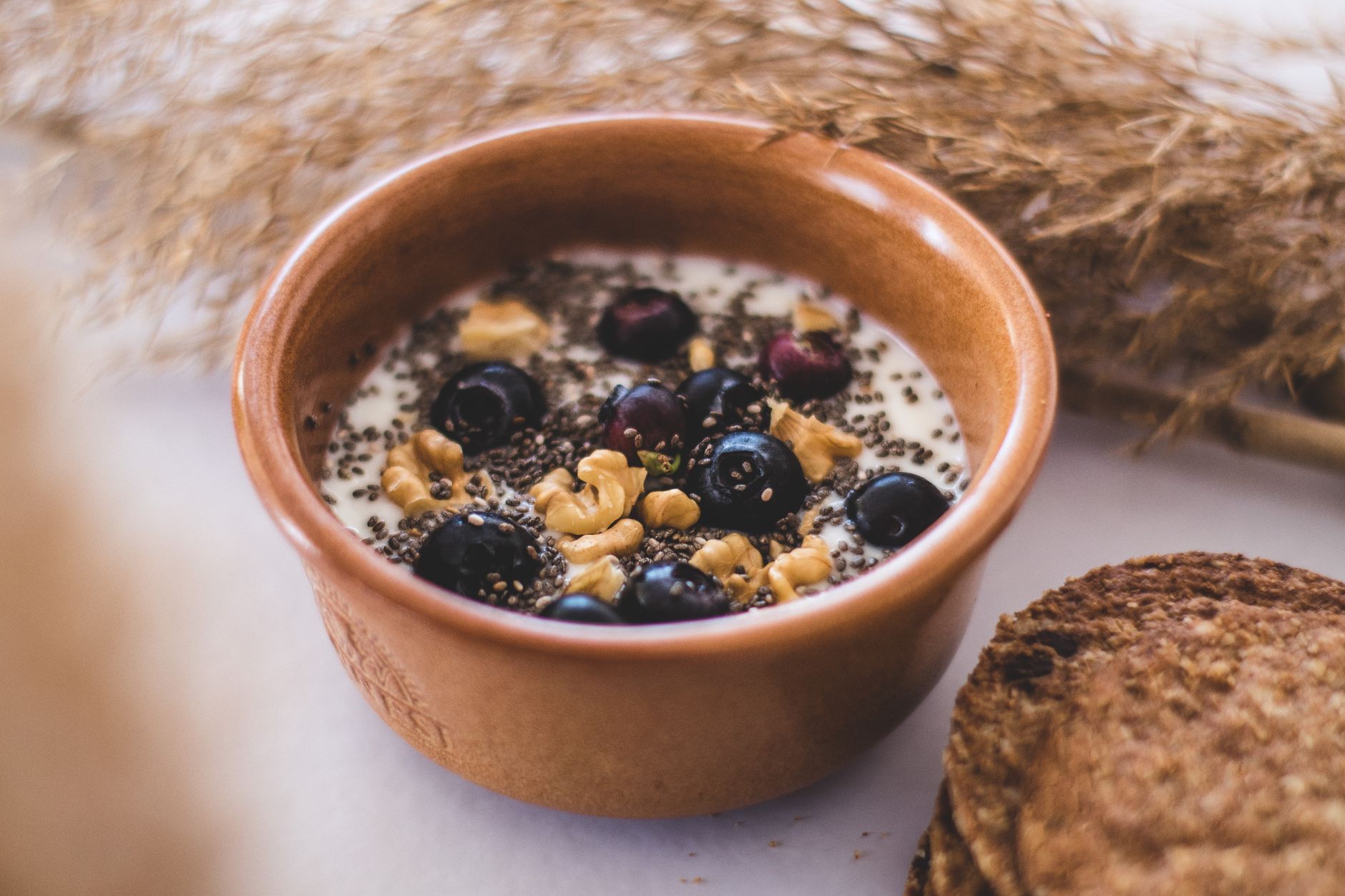
Chia seeds (Salvia hispanica L.) are a concentrated source of dietary fiber, with approximately 34-40 grams of fiber per 100-gram serving. The scientific basis for their contribution to daily intake rests on their unique composition and the physiological mechanisms triggered by their soluble fiber content, primarily mucilage.
The primary mechanism is gel formation. When chia seeds are mixed with liquid, the soluble fiber on their outer layer absorbs water, expanding to form a viscous, gel-like substance. This process has several documented effects:
- Increased Satiety: The gel physically occupies space in the stomach, which may promote a feeling of fullness and slow gastric emptying. This is supported by short-term human studies, though long-term weight management data is more limited.
- Modulated Nutrient Absorption: The viscous gel can slow the digestion and absorption of carbohydrates, potentially leading to a more gradual rise in postprandial blood glucose levels. Several randomized controlled trials have shown this beneficial effect in individuals with type 2 diabetes or impaired glucose tolerance.
- Prebiotic Effect: The fiber in chia seeds resists digestion in the upper gastrointestinal tract and reaches the colon largely intact, where it can be fermented by beneficial gut bacteria. This supports a healthier gut microbiota, though the specific bacterial shifts compared to other fiber sources require more research.
The evidence for chia seeds' role in improving bowel regularity is strong, aligning with the well-established benefits of dietary fiber for colonic function. Their effect on blood lipid profiles, particularly reducing LDL cholesterol, is supported by several human trials, though results are not uniform across all studies.
It is important to contextualize this evidence. Many studies use specific doses (often 25-50 grams per day) over weeks. The generalizability of findings to lower, more typical dietary inclusion levels is less clear. Furthermore, individuals with a history of dysphagia, esophageal strictures, or inflammatory bowel disease should exercise caution and consult a physician, as the gel-forming property could pose a risk of obstruction if not consumed with sufficient fluid.
3. Risks and Who Should Avoid Chia Seeds

While chia seeds are generally safe for most people, their concentrated fiber and nutrient profile necessitate caution for specific individuals. A responsible approach requires understanding potential adverse effects and clear contraindications.
Primary Gastrointestinal Risks
The most common adverse effects are gastrointestinal, directly related to the seeds' high soluble fiber content. A sudden, significant increase in fiber intake can overwhelm the digestive system, leading to:
- Bloating, gas, and abdominal discomfort
- Constipation, particularly if adequate fluid is not consumed with the seeds
- Diarrhea in some individuals, as the gut microbiome adjusts
These effects are strongly supported by clinical evidence on fiber physiology. Mitigation involves starting with a small dose (e.g., half a teaspoon daily) and increasing gradually over weeks while ensuring consistent, ample water intake.
Populations Who Should Exercise Caution or Avoid
Certain medical conditions and medications warrant particular vigilance. It is strongly recommended that individuals in the following groups consult their physician or a registered dietitian before integrating chia seeds into their diet:
- Individuals with diagnosed diverticulitis: While the historical advice to avoid seeds in diverticular disease is now debated, many clinicians still recommend avoidance during active flare-ups due to limited, mixed evidence on their role.
- Those on blood-thinning medications (e.g., warfarin) or with bleeding disorders: Chia seeds are a source of omega-3 fatty acids (ALA), which may have mild antiplatelet effects. The clinical significance is likely low with moderate dietary intake, but coordination with a healthcare provider is essential to monitor coagulation parameters.
- People with low blood pressure: Preliminary animal studies and anecdotal reports suggest chia may have a hypotensive effect. Individuals with already low blood pressure or those on antihypertensive medications should monitor their levels closely.
- Those with known seed allergies: Although rare, allergic reactions to chia seeds have been documented. Individuals allergic to mustard seeds or sesame seeds may be at higher risk due to potential cross-reactivity.
Finally, due to a lack of safety data, pregnant and breastfeeding women should consume chia seeds only in typical food amounts and discuss significant dietary changes with their obstetrician. The principle is clear: a food's nutritional benefits do not override individual medical history, and professional guidance is the cornerstone of safe dietary modification.
4. Practical Takeaways: Safe and Effective Integration Strategies

Integrating chia seeds to boost fiber intake is a practical strategy, but its success hinges on a gradual, mindful approach to prevent the gastrointestinal discomfort—such as bloating, gas, or cramping—that can accompany a rapid increase in fiber. The evidence strongly supports that a slow, incremental introduction allows the gut microbiome to adapt, thereby minimizing adverse effects.
Stepwise Integration Protocol
Begin with a small serving, such as one teaspoon (approximately 5 grams) of dry seeds per day. Maintain this dose for 3-5 days to assess tolerance. If well-tolerated, you can gradually increase the amount by half a teaspoon every few days. A common maintenance dose is one to two tablespoons (10-20 grams) daily, which provides 4-8 grams of fiber, a significant portion of the daily recommended 25-38 grams.
- Hydration is Non-Negotiable: Chia seeds absorb 10-12 times their weight in water. Consume them with ample fluids—at least one large glass of water—to prevent them from drawing water from the digestive tract, which can cause constipation or obstruction.
- Preparation Matters: Soaking chia seeds for 15-30 minutes to form a gel (chia gel) or using pre-ground chia meal can make the fiber more readily accessible and may be gentler on some digestive systems compared to consuming large quantities of dry seeds.
- Diversify Your Intake: Incorporate the seeds into various foods:
- Stir into yogurt, oatmeal, or smoothies.
- Use as an egg substitute in baking (1 tbsp chia + 2.5 tbsp water = 1 egg).
- Add to soups, sauces, or salad dressings as a thickener.
Clinical Insight: From a gastroenterological perspective, the principle of "start low and go slow" is paramount with any concentrated fiber source. While chia seeds are generally safe, their high soluble fiber content can act as a bulking agent and, if consumed improperly, may exacerbate symptoms in individuals with certain gastrointestinal motility disorders or a history of strictures. Always prioritize whole-food integration over supplementation in isolation for balanced nutrition.
Important Precautions and Contraindications
Certain individuals should exercise particular caution or consult a healthcare provider before significantly increasing chia seed intake:
- Individuals with Dysphagia or Swallowing Difficulties: Dry chia seeds pose a serious aspiration risk and can expand in the esophagus. They must always be consumed pre-soaked or mixed thoroughly into a wet food.
- Those with Inflammatory Bowel Disease (IBD) or a History of Bowel Obstruction: The bulking effect may be poorly tolerated during flares or with narrowed sections of bowel.
- People on Medications or with Blood Pressure Concerns: Chia seeds may have a mild blood-thinning and blood pressure-lowering effect. Those on anticoagulants (e.g., warfarin), antiplatelet drugs, or blood pressure medications should discuss consistent intake with their doctor to monitor for potential interactions.
- Individuals with Kidney Disease: Chia seeds are a source of phosphorus and should be consumed in moderation under medical guidance in cases of advanced chronic kidney disease.
Listen to your body's signals. Persistent discomfort is a sign to reduce the dose or pause intake. For a sustainable increase in daily fiber, chia seeds are a valuable tool when used as part of a varied, fluid-rich diet.
5. Safety Considerations: When to Seek Medical Advice

While chia seeds are a nutrient-dense food, their high fiber and specific compound content necessitates a cautious approach for certain individuals. Integrating them safely requires understanding when self-management is appropriate and when professional medical consultation is essential.
Key Populations for Pre-Use Consultation
You should consult a physician or a registered dietitian before adding significant amounts of chia seeds to your diet if you fall into any of the following categories:
- Individuals with gastrointestinal disorders: Those with a history of inflammatory bowel disease (e.g., Crohn's, ulcerative colitis), diverticulitis, or chronic constipation should seek guidance. The rapid swelling of chia seeds can exacerbate symptoms or cause obstruction in susceptible individuals.
- People with swallowing difficulties (dysphagia) or esophageal strictures: Dry chia seeds can absorb saliva and expand in the throat, posing a significant choking hazard. They must always be consumed pre-soaked or incorporated into wet foods like yogurt or pudding.
- Those on specific medications: Chia seeds' high soluble fiber can slow gastric emptying and potentially delay or reduce the absorption of certain oral medications (e.g., some diabetes or heart medications). A healthcare provider can advise on timing doses appropriately.
- Individuals with kidney disease or on a potassium-restricted diet: Chia seeds contain a moderate amount of potassium. While generally safe, those with compromised kidney function who cannot excrete excess potassium need to account for this in their overall dietary plan.
- People with a history of food allergies, particularly to mustard or sesame seeds: While rare, allergic reactions to chia seeds have been documented, and cross-reactivity with other seeds is possible.
Clinical Perspective: From a clinical standpoint, the primary safety issues with chia are mechanical (choking, GI obstruction) and pharmacological (drug-nutrient interactions). The evidence for direct toxicity is very limited. The prudent approach is to treat chia as a concentrated fiber supplement. Just as you would not start a new prescription fiber without assessing patient history, dietary changes of this magnitude warrant a review of an individual's complete health profile and current medications.
Recognizing Adverse Reactions
Even for those without pre-existing conditions, starting with a large dose can cause significant gastrointestinal discomfort, including bloating, gas, and cramping. This is due to the fermentation of fiber by gut bacteria, a normal but sometimes intense process. The strong evidence supports starting with a small amount (e.g., one teaspoon) and increasing intake gradually over several weeks to allow the gut microbiome to adapt.
If you experience severe abdominal pain, vomiting, signs of an allergic reaction (hives, swelling, difficulty breathing), or symptoms of intestinal blockage after consumption, discontinue use immediately and seek prompt medical attention.
6. Questions & Expert Insights
How much chia seed should I start with to avoid digestive discomfort?
Begin with a conservative dose of approximately 1 teaspoon (about 5 grams) per day. This provides roughly 2 grams of fiber, allowing your gastrointestinal system to adapt to the increased soluble fiber load. After a week with no adverse effects (like bloating or gas), you can gradually increase to a standard serving of 1-2 tablespoons (10-20 grams) daily. The key is gradual integration with consistent, adequate water intake—aim for an extra glass of water with your chia seeds. This slow approach helps mitigate the osmotic and fermentative effects that can cause discomfort, as the gut microbiota adjusts. Evidence supporting specific dosing is largely from observational and small-scale studies, so individual tolerance varies significantly.
What are the main risks or side effects, and who should avoid chia seeds?
The primary risks are gastrointestinal (bloating, gas, constipation or diarrhea) and are often dose-dependent. Individuals with a history of dysphagia (swallowing difficulties) or esophageal strictures must exercise extreme caution, as dry chia seeds can expand rapidly and pose a choking or obstruction risk; they must always be pre-soaked. Those with diagnosed irritable bowel syndrome (IBS), particularly with a sensitivity to high-FODMAP foods, may experience flare-ups, as chia seeds contain fermentable fibers. People with kidney disease or on potassium-restricted diets should consult a doctor, as chia seeds are a source of potassium. There is also a theoretical risk of blood-thinning interactions due to omega-3 content, so individuals on anticoagulant therapy (e.g., warfarin) should discuss this with their physician.
When should I talk to my doctor about increasing fiber with chia seeds, and what should I bring to the appointment?
Consult a physician or a registered dietitian before starting if you have a chronic digestive condition (e.g., IBD, IBS, diverticulitis), kidney disease, are on multiple medications, or are planning a pregnancy. For the appointment, bring a clear log of your current diet, any specific gastrointestinal symptoms you experience, a list of all medications and supplements, and your goals for fiber intake. Mention any past adverse reactions to high-fiber foods or seeds. This information allows your clinician to assess potential interactions (e.g., with diabetes or blood pressure medications), tailor advice to your condition, and rule out contraindications like strictures or active inflammatory bowel disease. They can help create a personalized, monitored plan.
Is the fiber in chia seeds superior to the fiber in other foods like oats or beans?
Not necessarily "superior," but it has a distinct profile. Chia seeds provide a concentrated source of soluble fiber, primarily mucilage, which forms a gel and can slow gastric emptying and moderate blood sugar spikes. However, a diverse fiber intake from various sources (whole grains, legumes, fruits, vegetables) is clinically recommended for optimal gut health, as different fibers nourish different microbial populations. Oats provide beta-glucan (excellent for cholesterol), while beans offer resistant starch. Relying solely on chia seeds may mean missing out on the broader spectrum of phytonutrients and insoluble fiber found in other plant foods. The evidence for unique long-term health benefits from chia fiber alone, compared to a mixed-fiber diet, is limited. It is best viewed as a convenient supplement to, not a replacement for, a varied high-fiber diet.
7. In-site article recommendations
8. External article recommendations
9. External resources
The links below point to reputable medical and evidence-based resources that can be used for further reading. Always interpret them in the context of your own situation and your clinician’s advice.
-
examine examine.comchia seeds – Examine.com (search)
-
wikipedia wikipedia.orgchia seeds – Wikipedia (search)
-
healthline healthline.comchia seeds – Healthline (search)
These external resources are maintained by third-party organisations. Their content does not represent the editorial position of this site and is provided solely to support readers in accessing additional professional information.