
1. Introduction to Chia Seeds and Breakfast Context

Chia seeds (Salvia hispanica L.) are small, nutrient-dense seeds with a long history of use as a food source. In contemporary nutrition, they are often highlighted for their high content of soluble fiber, plant-based omega-3 fatty acids (alpha-linolenic acid, or ALA), and protein. When mixed with liquid, they form a gel-like consistency, a property that lends itself to various culinary applications, particularly in breakfast foods like puddings, smoothies, and overnight oats.
The concept of "transforming" a breakfast routine typically centers on improving the meal's nutritional profile. A common challenge with morning meals is achieving a balance of macronutrients—protein, fiber, and healthy fats—that promotes satiety and sustained energy. Many conventional breakfast options are high in refined carbohydrates and sugars, which can lead to rapid spikes and subsequent drops in blood glucose levels.
From an evidence-based perspective, several of chia seeds' constituent nutrients are strongly supported for general health benefits:
- Dietary Fiber: The high soluble fiber content is well-established to support digestive regularity and may contribute to modest improvements in LDL cholesterol levels.
- Satiety: The gel-forming property can increase the volume of food and slow gastric emptying, which is associated with increased feelings of fullness.
However, claims about rapid transformation or specific metabolic effects over short periods like 14 days should be viewed cautiously. While incorporating a nutrient-dense food can be a positive step, measurable health outcomes—such as significant changes in body composition, blood lipids, or glycemic control—typically require consistent, long-term dietary patterns alongside other lifestyle factors.
Clinical Note: While chia seeds are generally safe for most people, their high fiber content requires a gradual introduction to avoid gastrointestinal discomfort. Individuals with a history of dysphagia (swallowing difficulties) or certain gastrointestinal disorders like inflammatory bowel disease should consult a physician. Those on blood-thinning medications or with upcoming surgical procedures should discuss significant increases in ALA intake with their doctor due to its mild antiplatelet potential.
This chapter provides a foundational understanding of chia seeds' nutritional composition and their potential role in addressing common nutritional gaps in breakfast. The following sections will examine the specific evidence behind common health claims and offer practical, balanced guidance for their inclusion in a daily routine.
2. Mechanisms and Evidence Base

The proposed health benefits of chia seeds are primarily attributed to their unique nutritional composition. The key mechanisms are grounded in their high content of soluble fiber, omega-3 fatty acids (alpha-linolenic acid, or ALA), and protein. Understanding these mechanisms helps contextualize the scientific evidence.
Proposed Biological Mechanisms
When mixed with liquid, chia seeds form a viscous gel due to their soluble fiber. This gel-forming property is central to several proposed effects:
- Appetite and Glycemic Control: The gel may slow gastric emptying and carbohydrate digestion, potentially leading to increased satiety and a more moderated post-meal blood glucose response.
- Digestive Health: The fiber acts as a prebiotic, supporting beneficial gut microbiota, and adds bulk to stool, which can aid regular bowel movements.
- Cardiovascular Markers: The ALA and fiber content may contribute to modest improvements in lipid profiles, such as reducing LDL cholesterol and triglycerides, through mechanisms related to bile acid binding and fatty acid metabolism.
Analysis of the Evidence
The evidence supporting these mechanisms is promising but varies in strength and is often specific to certain health markers.
Stronger Evidence: Multiple randomized controlled trials (RCTs) consistently show that chia seed consumption can significantly increase blood levels of ALA and, in some studies, eicosapentaenoic acid (EPA). Evidence for a beneficial effect on systolic blood pressure and postprandial blood sugar is also relatively robust in trials involving individuals with type 2 diabetes or hypertension.
Limited or Mixed Evidence: Data on weight loss and substantial reductions in body fat from chia seeds alone are less conclusive. While the satiety effect is mechanistically sound, clinical trials have shown mixed results, with some demonstrating modest weight loss and others showing no significant effect compared to control groups. Effects on LDL cholesterol and triglycerides are also inconsistent across studies.
Clinical Perspective: From an evidence-based standpoint, chia seeds are a nutrient-dense food that can be a healthy component of a balanced diet. However, they are not a singular solution for metabolic health. The observed benefits are generally modest and should be viewed as complementary to overall dietary patterns, not as a replacement for medical nutrition therapy or medication where indicated.
Who Should Exercise Caution: Individuals with swallowing difficulties, a history of esophageal strictures, or significant inflammatory bowel disease should consult a doctor, as the gel-forming property may pose a risk. Those on blood-thinning medication or with upcoming surgery should discuss ALA intake with their physician due to its mild antiplatelet potential. Always increase fiber intake gradually with adequate water to avoid gastrointestinal discomfort.
3. Potential Risks and Contraindicated Groups
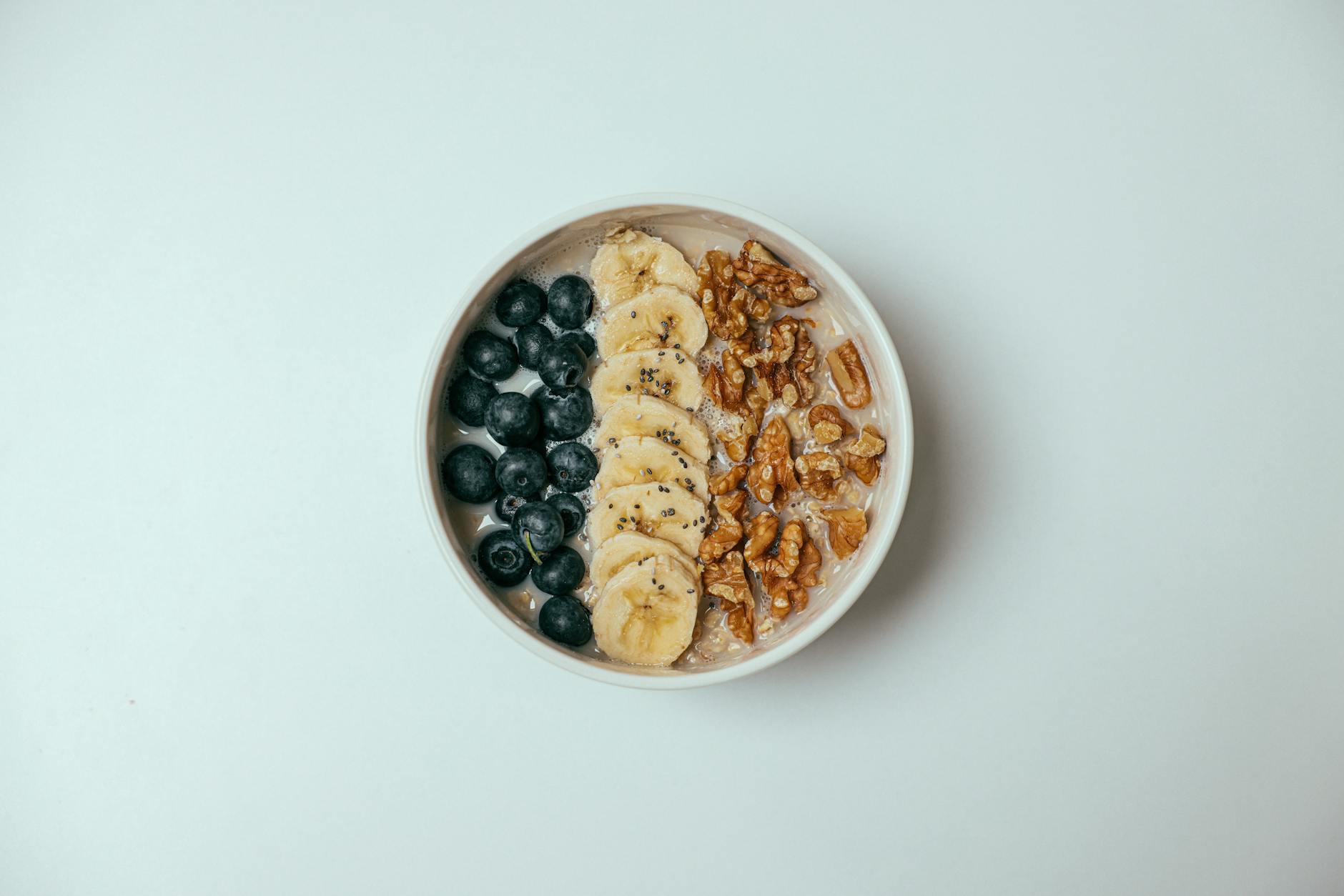
While chia seeds are generally safe for most people, incorporating them into your diet requires awareness of potential adverse effects and specific contraindications. A balanced, evidence-based approach is essential for safe consumption.
Digestive Distress and Gastrointestinal Blockage
The most common side effects are gastrointestinal. Chia seeds absorb 10–12 times their weight in water, forming a gel. Consuming them dry or without adequate hydration can lead to:
- Bloating, gas, and abdominal discomfort: This is due to their high soluble fiber content, which ferments in the colon. Introducing them gradually allows the gut microbiome to adjust.
- Risk of esophageal or intestinal obstruction: There are documented case reports of individuals, particularly those with a history of swallowing difficulties or narrowed esophagus, experiencing blockage after ingesting a tablespoon of dry seeds followed by water. The seeds can expand and form a gel-like mass that obstructs the passage.
Clinical Insight: The risk of obstruction is rare but serious. It underscores a critical safety rule: never consume dry chia seeds by themselves. Always pre-soak them for at least 10-15 minutes in liquid (e.g., water, milk, yogurt) or ensure they are thoroughly mixed into a wet food like oatmeal or smoothie before consumption.
Medication Interactions and Nutrient Absorption
The fiber and gel-forming properties of chia seeds can interfere with the absorption of certain oral medications. The gel may slow gastric emptying and physically bind to drugs, reducing their efficacy. Individuals on medication for diabetes, hypertension, or thyroid conditions, or those taking anticoagulants (blood thinners), should consult their physician. A general guideline is to take medications at least 1–2 hours apart from chia seed consumption.
Contraindicated and High-Risk Groups
Specific populations should exercise extreme caution or avoid chia seeds altogether without direct medical supervision:
- Individuals with dysphagia or esophageal strictures: As mentioned, this group is at highest risk for obstruction.
- People with inflammatory bowel disease (IBD), diverticulitis, or a recent bowel surgery: The high fiber load can exacerbate symptoms during flare-ups.
- Those with a history of severe food allergies, particularly to mustard or sesame seeds: While rare, cross-reactivity is possible.
- Individuals with hypotension or who are scheduled for surgery: Chia seeds may have a blood pressure-lowering effect, which could be additive with medications.
Before making significant dietary changes, such as a daily chia seed regimen, individuals with pre-existing medical conditions or who are pregnant or breastfeeding are advised to discuss it with a healthcare provider to assess personal risk.
4. Actionable Recommendations for Breakfast Integration

Integrating chia seeds into your breakfast routine can be a practical way to increase your intake of fiber, omega-3 fatty acids, and plant-based protein. The key is to start gradually and focus on consistency rather than expecting immediate, dramatic transformations. A 14-day period is a reasonable timeframe to establish a new habit and begin observing subtle changes in satiety and digestion.
Practical Integration Strategies
To avoid gastrointestinal discomfort, begin with a modest serving of one teaspoon (approximately 5 grams) per day, gradually increasing to a maximum of one to two tablespoons (10-20 grams) as tolerated. This allows your digestive system to adapt to the high fiber content.
- Hydration is Essential: Always consume chia seeds with ample liquid. For every tablespoon of dry seeds, use at least 1 cup (240 ml) of water, milk, or plant-based milk. This prevents the seeds from absorbing fluids in your digestive tract, which can lead to discomfort.
- Pre-Soaking Method: For optimal texture and digestibility, soak seeds for 15-20 minutes or overnight. This creates a gel-like "chia pudding" base that can be mixed with yogurt, oatmeal, or fruit.
- Sprinkling Method: Dry, ground chia seeds can be sprinkled onto cold cereals, smoothies, or nut butters. Grinding may enhance the bioavailability of some nutrients, though evidence for this is mixed.
Evidence-Based Expectations and Cautions
Strong evidence supports that chia seeds can contribute to increased dietary fiber intake, which is associated with improved bowel regularity and enhanced feelings of fullness. Preliminary studies suggest potential benefits for blood sugar modulation and cholesterol levels, but these findings are not yet conclusive and depend on overall diet quality.
Clinical Note: While generally safe for most, individuals with a history of dysphagia (swallowing difficulties), esophageal strictures, or inflammatory bowel disease (IBD) flares should use caution with dry seeds. Those on blood-thinning medications or with upcoming surgical procedures should consult a physician due to chia's theoretical, though minimal, effect on platelet aggregation. Anyone with a known seed allergy should avoid them entirely.
For a sustainable routine, pair chia seeds with a balanced breakfast containing protein and healthy fats. Monitor your body's response over the 14-day period. If you experience significant bloating, pain, or constipation, reduce the serving size and ensure adequate hydration. Consulting a registered dietitian or physician can help personalize this approach, especially for those managing specific health conditions.
5. Safety Guidelines and Indications for Medical Advice
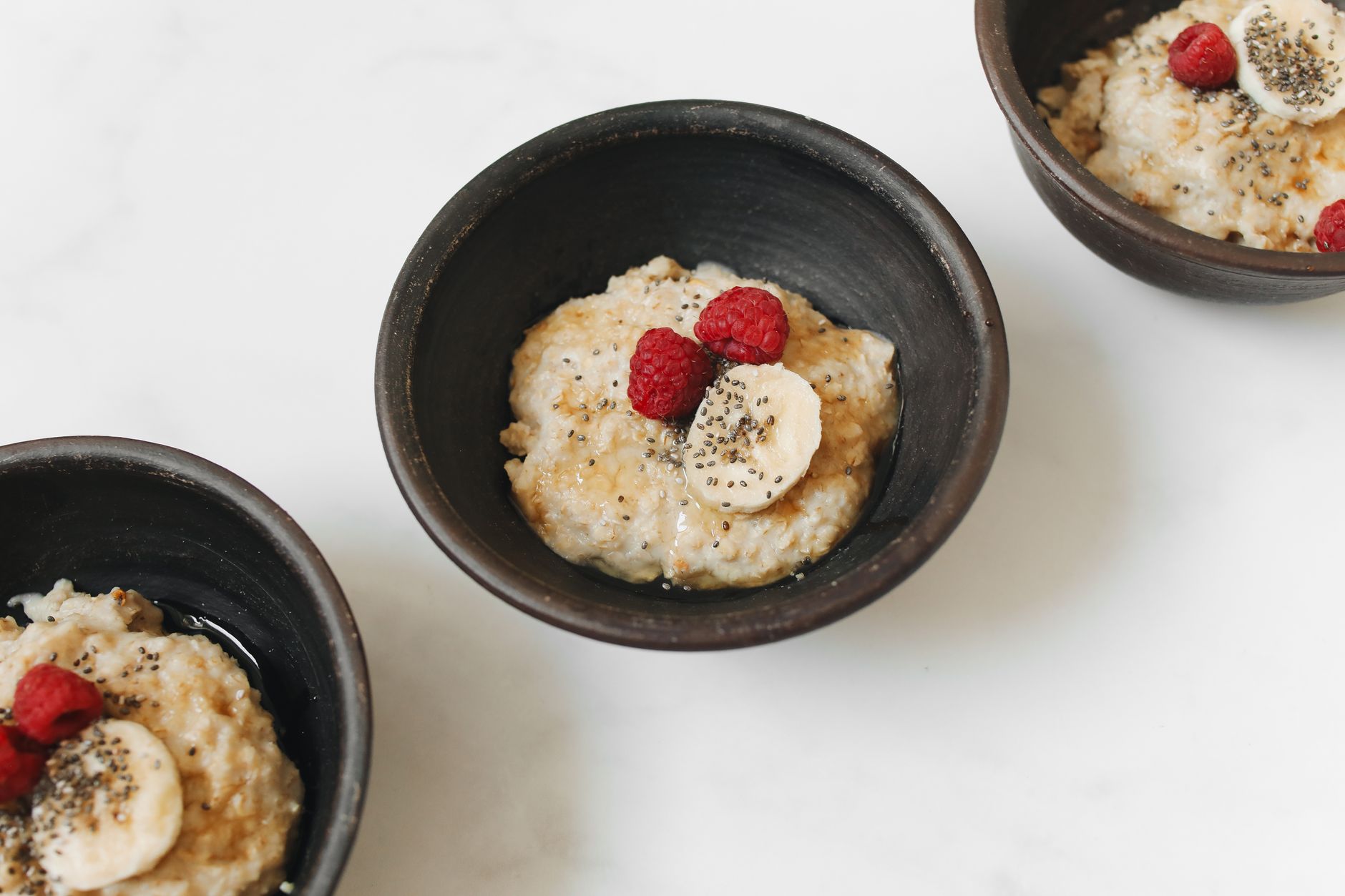
While chia seeds are generally considered safe for most people, their high fiber and nutrient density require a measured approach. Integrating them into your breakfast routine should be done with awareness of potential interactions and individual health considerations.
Key Safety Considerations
Introducing chia seeds too quickly is a common cause of gastrointestinal discomfort. Their soluble fiber absorbs a significant amount of water, expanding in the digestive tract.
- Start Slowly: Begin with 1 teaspoon (about 5 grams) per day and gradually increase to a typical serving of 1-2 tablespoons over 1-2 weeks.
- Hydration is Crucial: Always consume chia seeds that have been soaked in liquid (forming a gel) or with ample water. Inadequate fluid intake can lead to constipation or, in rare cases, esophageal impaction.
- Monitor Blood Pressure: Due to their potential blood pressure-lowering effects, individuals on antihypertensive medication should monitor their blood pressure closely and consult their physician to avoid hypotension.
Clinical Insight: From a gastroenterology perspective, the risk of bowel obstruction from dry chia seeds is low but real, particularly in individuals with a history of strictures or motility disorders. The advice to pre-soak is not just for texture—it's a key safety step to mitigate this risk.
Who Should Seek Medical Advice First?
Certain individuals should consult a healthcare provider before making chia seeds a dietary staple:
- Individuals on Blood Thinners: Chia seeds are rich in vitamin K and alpha-linolenic acid (ALA), which may interact with anticoagulant medications like warfarin. Consistent intake is key; sudden large changes in consumption can affect INR levels.
- Those with Swallowing Difficulties or GERD: The gel-like consistency of soaked chia may be problematic for some with dysphagia. Those with severe gastroesophageal reflux disease (GERD) may find the bulk exacerbates symptoms.
- People with Kidney Disease: Chia seeds contain notable amounts of phosphorus and potassium. Individuals with chronic kidney disease (CKD) who require dietary restriction of these minerals should have their intake guided by a renal dietitian.
- Individuals with Seed Allergies: While uncommon, allergic reactions to chia seeds have been documented, particularly in those with allergies to mustard or sesame seeds.
The evidence supporting the general safety of chia seeds in moderate amounts is strong. However, evidence for specific therapeutic claims or long-term, high-dose effects remains limited. A prudent, gradual introduction while heeding these contraindications allows you to explore their benefits within a safe framework.
6. Questions & Expert Insights
Can chia seeds really cause a noticeable health transformation in just two weeks?
The term "transformation" is subjective and often overstated. Evidence suggests that incorporating chia seeds can support positive dietary changes, but expecting dramatic physiological changes in 14 days is unrealistic. High-quality studies on chia seeds typically measure outcomes like blood lipid levels, blood pressure, or glycemic control over periods of 12 weeks or longer. In a short two-week window, the most likely noticeable effects are related to digestive regularity and increased satiety due to the high soluble fiber content, which can help reduce overall calorie intake. A "transformation" is more accurately viewed as the initiation of a sustainable habit. The clinical takeaway is that while chia seeds are a nutrient-dense addition, they are a single component of a broader pattern of healthy eating.
What are the main risks or side effects of suddenly adding chia seeds to my diet?
The primary risks are gastrointestinal and related to improper preparation. Chia seeds absorb 10–12 times their weight in water. Consuming them dry, especially in large quantities, poses a risk of esophageal or intestinal blockage, particularly in individuals with a history of swallowing difficulties or strictures. Always mix them with liquid and allow them to gel. The sudden increase in fiber can cause significant bloating, gas, or abdominal discomfort. To mitigate this, start with a small dose (e.g., half a tablespoon daily) and increase gradually with ample water intake. There is also a theoretical risk of blood thinning due to the high ALA (omega-3) content, which is relevant for individuals on anticoagulant therapy like warfarin.
Who should avoid or be very cautious with chia seeds?
Several groups should exercise caution or avoid them. Individuals with a history of dysphagia, esophageal narrowing, or inflammatory bowel disease with strictures should avoid chia seeds due to the blockage risk. Those with diagnosed diverticulitis may be advised to avoid seeds during active flare-ups, though this is individualized. People with kidney disease needing to restrict phosphorus or potassium should consult a renal dietitian, as chia seeds are high in these minerals. Due to the potential blood-thinning effect, patients on anticoagulant or antiplatelet medications should discuss adding chia seeds with their doctor. Lastly, individuals with a seed allergy, though rare, should obviously avoid them.
When should I talk to my doctor, and what should I bring to that conversation?
Consult your physician or a registered dietitian before making significant dietary changes if you have a chronic condition (e.g., diabetes, CKD, heart disease, IBD), are on medication (especially for blood thinning, blood pressure, or diabetes, as fiber can affect absorption and efficacy), or are pregnant/breastfeeding. For the conversation, come prepared with specific information: 1) Your "why" – your health goal for adding chia seeds. 2) Your intended protocol – amount (e.g., 1 tbsp/day), how you'll prepare it, and with what foods. 3) A complete list of your medications and supplements. 4) Any specific concerns you have based on your health history. This allows your provider to give personalized, safe advice on integration and monitoring.
7. In-site article recommendations
Related articles (placeholder links):
Is Intermittent Fasting Truly Effective for Short-term Cleansing-Why GLP-1 Medications Require Strategic Nutrition PlanningHow I Lost 25 Pounds with Intermittent Fasting — Real 90-day TransformationChia Seeds in Detox Routines — Smart Ways to Enhance Cleansing SafelyThe Secret to HIIT Success — What 90- of Beginners Overlook8. External article recommendations
External resources (placeholder):