
1. Introduction to Chia Seeds and Hunger Regulation Claims

Chia seeds (Salvia hispanica L.) have transitioned from an ancient Mesoamerican staple to a modern dietary supplement, frequently promoted for their potential role in weight management and appetite control. The central claim is that their unique nutritional composition can influence physiological hunger signals, potentially leading to reduced caloric intake and improved satiety throughout the day.
The proposed mechanisms for this effect are grounded in their macronutrient profile:
- High Soluble Fiber Content: Chia seeds are exceptionally rich in soluble fiber, primarily in the form of mucilage. When mixed with liquid, they form a gel-like substance. This gel is theorized to slow gastric emptying, increase stomach distension, and potentially modulate the release of gut hormones like ghrelin (which stimulates hunger) and peptide YY (which promotes satiety).
- Protein and Fat Profile: They contain a moderate amount of plant-based protein and are a source of alpha-linolenic acid (ALA), an omega-3 fatty acid. Both protein and healthy fats are known to have higher satiety values compared to simple carbohydrates.
While the biochemical rationale is plausible, the clinical evidence supporting chia seeds as a reliable, standalone tool for hunger regulation is mixed and requires careful interpretation. Some short-term human trials have shown modest benefits for satiety, while others have found no significant effect on appetite or subsequent food intake compared to control foods. The strength of the evidence is often limited by small sample sizes, short study durations, and variability in the form and dose of chia used (whole seeds vs. ground, pre-hydrated vs. dry).
Clinical Perspective: From a nutritional science standpoint, chia seeds are a nutrient-dense food that can be a valuable component of a balanced diet. However, it is premature to classify them as a definitive "appetite regulator." Their effect is likely dose-dependent and contextual, influenced by an individual's overall diet, hydration status, and metabolic health. They should be viewed as one potential tool among many for managing hunger, not a guaranteed solution.
Individuals with certain medical conditions should exercise caution. Those with a history of swallowing difficulties, esophageal strictures, or significant gastrointestinal disorders like inflammatory bowel disease during a flare-up should consult a physician, as the gel-forming property may pose a risk. Furthermore, due to their high fiber content, introducing chia seeds abruptly or in large quantities can cause gastrointestinal discomfort; gradual incorporation with adequate fluid intake is advised.
2. Scientific Mechanisms and Evidence on Appetite Control
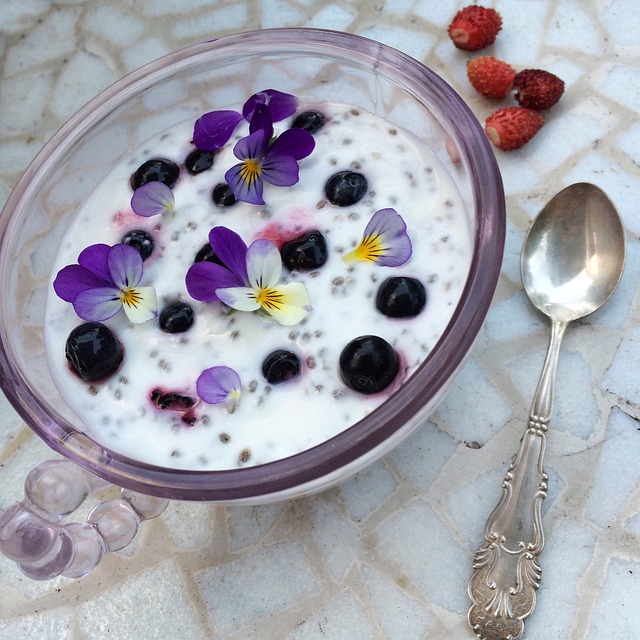
The potential of chia seeds to influence appetite is primarily attributed to their unique nutritional composition, which may interact with physiological hunger and satiety pathways. The proposed mechanisms are plausible, but the strength of supporting evidence varies.
Proposed Mechanisms of Action
Chia seeds may modulate appetite through several interconnected mechanisms:
- Gel-Forming Soluble Fiber: When mixed with liquid, chia seeds form a viscous gel due to their high soluble fiber content. This gel can slow gastric emptying, potentially increasing the sensation of fullness (satiety) and delaying the return of hunger.
- Protein Content: With a relatively high protein content for a seed (approximately 16-18%), chia may contribute to satiety. Protein is known to influence hormones like ghrelin (which stimulates hunger) and peptide YY (which promotes satiety) more potently than carbohydrates or fats.
- Delayed Nutrient Absorption: The gel matrix may also slow the digestion and absorption of carbohydrates, leading to a more gradual rise in blood glucose and insulin. Sharp spikes and subsequent crashes in blood glucose are associated with increased hunger.
Review of the Clinical Evidence
The evidence from human trials is promising but limited in scale and duration. Several small, short-term studies have shown that consuming chia seeds, particularly as a pre-load before a meal, can lead to reduced subjective feelings of hunger and decreased subsequent food intake compared to control beverages. However, other studies have found no significant effect on appetite measures.
The inconsistency may be due to variations in study design, the form of chia used (whole seeds vs. ground, pre-hydrated vs. dry), dosage, and the population studied. Most high-quality reviews conclude that while chia seeds show potential for appetite modulation, more robust, long-term research is needed to confirm their efficacy and establish optimal dosing protocols.
Clinical Perspective: From a mechanistic standpoint, chia seeds function similarly to other soluble fiber and protein sources. Their effect is likely modest and should be viewed as one component of a balanced diet, not a standalone solution for appetite dysregulation. The gel-forming property also means adequate fluid intake is crucial to prevent gastrointestinal discomfort or potential obstruction, especially in individuals with swallowing difficulties or strictures.
Who Should Exercise Caution: Individuals with a history of dysphagia, esophageal strictures, or significant gastrointestinal disorders like inflammatory bowel disease during a stricture phase should consult a physician before regularly consuming dry or improperly hydrated chia seeds. Those on medication for diabetes or blood pressure should also monitor their levels, as chia may have additive effects.
3. Potential Risks and Contraindications

While chia seeds are generally safe for most people when consumed in typical food amounts, their unique nutritional profile necessitates awareness of specific risks and contraindications. A balanced, evidence-based approach requires acknowledging these potential downsides.
Digestive Distress and Gastrointestinal Blockage
The high soluble fiber content, which contributes to satiety, can cause significant bloating, gas, and abdominal discomfort if intake is increased too rapidly. More seriously, consuming a large quantity of dry chia seeds without sufficient liquid poses a risk of esophageal or intestinal blockage. The seeds absorb many times their weight in water, forming a gel-like mass that can expand and cause an obstruction, particularly in individuals with a history of swallowing difficulties or narrowed digestive tracts.
Medication and Nutrient Interactions
Chia seeds may interact with certain medications and affect nutrient absorption:
- Blood Thinners (e.g., Warfarin): Chia seeds contain a moderate amount of vitamin K, which is essential for blood clotting. Consistent, large intake can potentially interfere with the efficacy of anticoagulant medication, requiring careful monitoring.
- Blood Pressure Medications: Due to their potential mild blood pressure-lowering effect, combining high chia intake with antihypertensive drugs could, in theory, lead to hypotension. The clinical evidence for this interaction is limited but warrants caution.
- Mineral Absorption: The phytic acid present in chia seeds can bind to minerals like iron, zinc, and calcium, slightly reducing their absorption. This is typically not a concern for individuals with a balanced diet but may be relevant for those with pre-existing deficiencies.
Clinical Insight: The risk of a clinically significant drug interaction from typical culinary use of chia seeds (1-2 tablespoons daily) is low. However, patients on critical medications, particularly anticoagulants, should inform their physician or pharmacist about any significant dietary additions to ensure stable therapeutic management. The greater immediate risk for most is gastrointestinal upset from a sudden fiber increase.
Specific Populations Requiring Caution
Certain individuals should exercise particular care or consult a healthcare provider before making chia seeds a regular part of their diet:
- Individuals with Kidney Disease: Chia seeds are a concentrated source of phosphorus. In advanced chronic kidney disease, the body cannot excrete phosphorus effectively, leading to dangerous mineral imbalances.
- Those with Diverticulitis: During an active flare of diverticulitis, a low-fiber diet is typically advised. High-fiber foods like chia seeds should be avoided until inflammation subsides and a healthcare provider recommends reintroducing fiber.
- People with Seed Allergies: Although rare, allergic reactions to chia seeds have been documented. Those with known allergies to mustard seeds or sesame seeds may have a higher risk of cross-reactivity.
- Individuals Prior to Surgery: Given the theoretical effects on blood pressure and clotting, it is often prudent to discontinue high-dose chia seed supplementation at least two weeks before elective surgical procedures.
In summary, the key to safely incorporating chia seeds is gradual introduction with ample fluids, awareness of personal medical history, and consultation with a doctor when managing specific chronic conditions or medications.
4. Practical Evidence-Based Recommendations

Based on the current scientific literature, chia seeds can be a useful component of a dietary strategy for appetite regulation. The evidence supporting their direct effect on satiety hormones is promising but preliminary, primarily derived from small, short-term human trials. The more robust mechanism is their high soluble fiber content, which forms a gel in the stomach, slowing gastric emptying and promoting a feeling of fullness.
To integrate chia seeds effectively and safely, consider the following evidence-based recommendations:
- Start with a Modest Dose: Begin with 1 tablespoon (approximately 12-15 grams) per day. Clinical studies often use doses between 25-35 grams daily, but starting lower allows your digestive system to adapt to the increased fiber load.
- Prioritize Hydration: Consume chia seeds with ample fluid. Their gelling property requires water. Mix into at least 1 cup of water, juice, milk, or yogurt and let them soak for 10-15 minutes before consumption to prevent potential gastrointestinal discomfort.
- Time for Satiety: Incorporate soaked chia seeds into meals where sustained fullness is desired, such as breakfast or a pre-lunch snack. This leverages the physical bulk they add to the diet.
- Focus on Integration, Not Replacement: Use chia as an addition to a balanced meal—stirred into oatmeal, blended in a smoothie, or sprinkled on a salad—rather than a standalone "appetite suppressant." Their nutritional benefit is greatest within a whole-food context.
Clinical Perspective: From a clinical standpoint, chia seeds are a high-fiber food, not a pharmacologic agent. Their effect on hunger is subtle and variable between individuals. They are not a substitute for addressing underlying dietary patterns, sleep, stress, or hormonal imbalances that drive dysregulated appetite. For patients with diabetes, the fiber can help moderate postprandial glucose spikes, but the overall carbohydrate content must still be accounted for in meal planning.
Important Cautions and Contraindications: Certain individuals should exercise caution or consult a healthcare provider before significantly increasing chia seed intake:
- Those with a history of swallowing difficulties or esophageal strictures, as dry seeds can expand and pose a risk of obstruction.
- Individuals with inflammatory bowel disease (IBD), diverticulitis, or other serious gastrointestinal disorders during a flare-up.
- People on blood-thinning medications (e.g., warfarin) or with bleeding disorders, due to chia's potential vitamin K content and theoretical antiplatelet effects, though the risk is likely low with culinary doses.
- Anyone with a known allergy to sesame or mustard seeds, as cross-reactivity is possible.
In summary, chia seeds offer a nutritionally dense, high-fiber option that may support satiety as part of a balanced diet. The approach should be pragmatic, starting with small, hydrated servings and observing individual tolerance and effect.
5. Safety Guidelines and When to Seek Medical Advice

While chia seeds are generally recognized as safe for most adults when consumed in typical dietary amounts, their high fiber and bioactive compound content necessitates certain precautions. Adhering to safety guidelines ensures you can explore their potential appetite-regulating benefits without adverse effects.
Key Safety and Consumption Guidelines
To minimize digestive discomfort and maximize safety, consider the following practical steps:
- Start Low and Go Slow: Introduce chia seeds gradually, beginning with 1 teaspoon (about 5 grams) per day. This allows your gastrointestinal system to adapt to the significant increase in soluble fiber, which can otherwise cause bloating, gas, or abdominal cramps.
- Prioritize Hydration: Chia seeds absorb 10–12 times their weight in water. Always consume them pre-soaked for at least 10-15 minutes, or with ample fluid. Ingesting dry seeds without sufficient liquid poses a risk of esophageal blockage, particularly in individuals with swallowing difficulties.
- Respect Dosage: Most clinical studies on satiety and glycemic control have used doses of 25-50 grams (approximately 2-4 tablespoons) per day, typically divided. Exceeding this amount is not recommended without professional guidance.
Clinical Insight: The primary safety concern with chia seeds is not toxicity but mechanical and gastrointestinal. The rapid gel formation is central to their proposed mechanism for slowing gastric emptying and promoting fullness, but improper consumption can turn this benefit into a risk. Always treat them as a food that requires preparation, not a dry supplement to be swallowed.
Who Should Exercise Caution or Consult a Physician?
Certain individuals should seek medical advice before making chia seeds a regular part of their diet:
- Individuals with Gastrointestinal Disorders: Those with a history of inflammatory bowel disease (e.g., Crohn's, ulcerative colitis), diverticulitis, or significant IBS may experience flare-ups from high-fiber foods.
- People on Specific Medications: Due to their high soluble fiber content, chia seeds can delay the absorption of some medications. If you take drugs for diabetes, hypertension, or other chronic conditions, consult your doctor to discuss timing your intake appropriately.
- Those with Swallowing Difficulties or Strictures: As mentioned, the gel-forming property necessitates caution for anyone with a history of dysphagia or esophageal narrowing.
- Individuals with Known Seed Allergies: While rare, allergic reactions to chia seeds have been documented.
- People Planning Surgery: Given their potential effects on blood sugar and blood pressure, it may be prudent to discontinue high-dose chia seed consumption at least two weeks before a scheduled surgical procedure.
In summary, the evidence for chia seeds' role in modulating hunger is promising but preliminary. Their safety profile is favorable when consumed correctly with adequate water. If you have underlying health conditions or are on medication, a conversation with your healthcare provider is the most responsible first step.
6. Questions & Expert Insights
How do chia seeds actually influence hunger signals?
The proposed mechanism is primarily physical and biochemical. When mixed with liquid, chia seeds form a gel due to their high soluble fiber content. This gel can slow gastric emptying, promoting a feeling of fullness. Furthermore, the high fiber and protein content requires more energy to digest (increasing the thermic effect of food) and helps moderate blood sugar levels. Stable blood sugar can reduce the sharp insulin spikes and subsequent crashes that trigger hunger. However, it's crucial to view this as a supportive component of a balanced diet, not a standalone appetite regulator. The evidence, while promising for short-term satiety, is not robust enough to claim they "re-wire" long-term hunger hormones like leptin and ghrelin on their own.
What is the strongest evidence for chia seeds and appetite control?
The strongest evidence comes from short-term, acute feeding studies. Research typically shows that consuming chia seeds as part of a meal or beverage can increase subjective feelings of fullness and reduce short-term food intake compared to a control meal without chia. For example, a 2017 study in the Journal of Food Science and Technology found that a chia seed beverage led to greater satiety over two hours. The major limitation is the lack of large, long-term randomized controlled trials demonstrating sustained weight management or hunger regulation over weeks or months. Most data does not isolate chia's effect from other dietary and lifestyle factors.
Who should be cautious or avoid using chia seeds for hunger management?
Several groups should exercise caution. Individuals with a history of esophageal strictures, swallowing difficulties (dysphagia), or significant gastrointestinal disorders like Crohn's disease or diverticulitis should consult a doctor, as the gel-forming property could pose a risk of obstruction. Those on blood pressure or blood-thinning medications (e.g., warfarin) need to be aware of chia's potential, albeit mild, effects on blood pressure and clotting. People with a history of eating disorders should avoid framing any food as a "hunger regulator," as this can perpetuate restrictive patterns. Always introduce chia gradually to assess personal tolerance, as a sudden high fiber intake can cause bloating and gas.
When should I talk to a doctor or dietitian about this, and what should I discuss?
Consult a healthcare professional if you have any underlying medical conditions mentioned above, are on regular medications, or are considering chia seeds as a strategy for a specific health goal like significant weight loss or diabetes management. Before your appointment, note your current diet, medications/supplements, and specific health objectives. Bring the question: "Given my health profile, is incorporating chia seeds a safe and evidence-supported strategy to help manage my appetite?" This allows the clinician to assess potential interactions and integrate chia seeds—if appropriate—into a broader, personalized nutrition plan. They can also help you set realistic expectations, emphasizing that no single food can regulate hunger throughout the day without considering overall dietary patterns, sleep, stress, and physical activity.
7. In-site article recommendations
8. External article recommendations
9. External resources
The links below point to reputable medical and evidence-based resources that can be used for further reading. Always interpret them in the context of your own situation and your clinician’s advice.
-
mayoclinic mayoclinic.orgchia seeds – Mayo Clinic (search)
-
healthline healthline.comchia seeds – Healthline (search)
-
examine examine.comchia seeds – Examine.com (search)
These external resources are maintained by third-party organisations. Their content does not represent the editorial position of this site and is provided solely to support readers in accessing additional professional information.