
1. Introduction: Cinnamon and Blood Sugar in Clinical Perspective
The question of whether a common kitchen spice can meaningfully influence blood glucose regulation is a compelling one, situated at the intersection of traditional medicine, nutritional science, and clinical endocrinology. Cinnamon, derived from the bark of Cinnamomum trees, has been the subject of considerable research interest for its potential metabolic effects. This chapter establishes a clinical perspective, examining the evidence for cinnamon's role in blood sugar management within the context of a typical diet, rather than alongside extreme dietary overhauls.
The proposed mechanisms are biologically plausible. In vitro and animal studies suggest that cinnamon compounds, notably a polymer called methylhydroxychalcone (MHCP), may:
- Mimic insulin activity, enhancing glucose uptake by cells.
- Slow gastric emptying, potentially moderating post-meal blood sugar spikes.
- Inhibit key enzymes involved in carbohydrate metabolism.
However, translating these mechanisms into consistent, clinically significant outcomes in humans has proven complex. The evidence from randomized controlled trials (RCTs) is mixed. Some meta-analyses report modest, statistically significant reductions in fasting blood glucose and hemoglobin A1c (a marker of long-term glucose control), particularly in individuals with prediabetes or type 2 diabetes. Other rigorous reviews conclude the effects are minimal, inconsistent, or of uncertain clinical relevance for the general population.
Expert Insight: From a clinical standpoint, the heterogeneity of study results is a major limitation. Outcomes can vary significantly based on the cinnamon type (e.g., Ceylon vs. Cassia), dosage (ranging from 1 to 6 grams daily), duration of supplementation, and the baseline metabolic health of participants. This variability makes it difficult to issue a universal, evidence-based recommendation.
It is crucial to frame cinnamon not as a standalone "treatment" or "cure," but as a potential adjunct within a broader lifestyle strategy. The premise of this article—exploring its effect without extreme diet changes—is important. While cinnamon may offer a marginal benefit, it cannot compensate for a diet chronically high in refined carbohydrates and sugars, nor can it replace prescribed diabetes medications.
Individuals with liver conditions, those on diabetes medications (especially insulin or sulfonylureas, due to a risk of hypoglycemia), and pregnant women should consult a physician before using cinnamon supplements. Cassia cinnamon contains coumarin, which can be hepatotoxic in high doses. A balanced, evidence-based perspective is essential for navigating the claims surrounding this popular spice.
2. Scientific Evidence and Proposed Mechanisms of Action
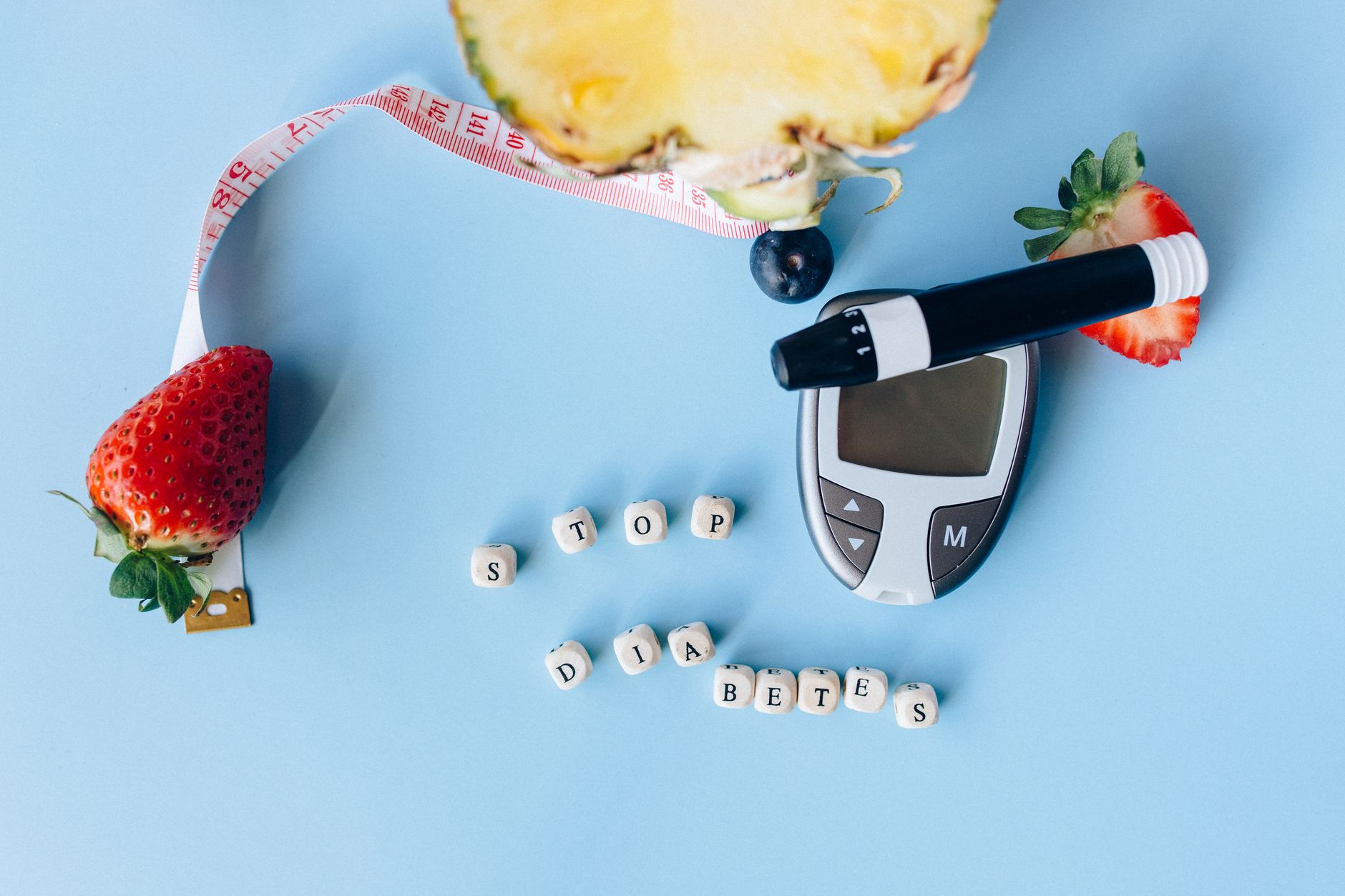
The scientific inquiry into cinnamon's effects on glycemia is active, with evidence that is promising but not yet definitive. The primary focus has been on Cinnamomum cassia (Cassia cinnamon), the most common variety, and Cinnamomum zeylanicum (Ceylon cinnamon). The proposed mechanisms of action are biologically plausible and involve several pathways.
Proposed Biological Mechanisms
Cinnamon contains bioactive compounds, notably cinnamaldehyde and polyphenol polymers, which are thought to influence glucose metabolism. The primary proposed mechanisms include:
- Improving Insulin Sensitivity: Compounds may enhance insulin receptor signaling and promote glucose uptake by cells, mimicking insulin's action.
- Slowing Gastric Emptying: The fiber and polyphenols can delay the absorption of carbohydrates from the gut, leading to a more gradual rise in postprandial blood glucose.
- Inhibiting Digestive Enzymes: Some studies suggest cinnamon extracts can inhibit alpha-glucosidase and pancreatic amylase enzymes, which break down carbohydrates into simple sugars.
- Antioxidant Effects: By reducing oxidative stress, cinnamon may improve the function of pancreatic beta-cells and insulin-sensitive tissues.
Review of the Clinical Evidence
The clinical trial data presents a mixed picture, largely dependent on study design, cinnamon type, dosage, and participant population.
Supportive Evidence: Several meta-analyses of randomized controlled trials (RCTs) have concluded that cinnamon supplementation can lead to statistically significant, albeit modest, reductions in fasting blood glucose. Effects are often more pronounced in individuals with higher baseline glucose levels or poorly controlled type 2 diabetes.
Limitations and Mixed Data: Many trials are short-term (8-16 weeks), have small sample sizes, and show high variability in results. Some well-designed RCTs find no significant benefit over a placebo. Furthermore, the optimal dose and type (Cassia vs. Ceylon) remain unclear.
Clinical Perspective: From an evidence-based standpoint, cinnamon is not a substitute for proven diabetes management strategies like medication, diet, and exercise. The observed effects, while promising in some studies, are generally modest—often a reduction of 10-25 mg/dL in fasting glucose. It may be considered a potential adjunctive therapy, but its efficacy is not guaranteed for every individual. Crucially, Cassia cinnamon contains coumarin, which can be hepatotoxic in high doses; Ceylon cinnamon is the safer choice for regular consumption.
Who Should Exercise Caution: Individuals with liver disease should avoid high doses of Cassia cinnamon due to coumarin content. Those on diabetes medications (especially insulin or sulfonylureas) must consult their physician before use, as additive effects could increase the risk of hypoglycemia. Pregnant or breastfeeding individuals should also seek medical advice.
3. Risks, Contraindications, and Vulnerable Populations
While cinnamon is generally recognized as safe for culinary use, its concentrated use as a supplement for blood sugar management carries specific risks that must be acknowledged. The primary concern is the presence of coumarin, a naturally occurring compound that can cause liver toxicity in high doses. Cassia cinnamon, the most common and inexpensive variety, contains significant amounts of coumarin, whereas Ceylon ("true") cinnamon contains much lower levels. Chronic, high-dose consumption of Cassia cinnamon supplements can pose a genuine hepatotoxic risk.
Beyond liver concerns, several other risks and interactions are clinically relevant:
- Hypoglycemia Risk: When combined with diabetes medications (e.g., insulin, sulfonylureas, meglitinides), cinnamon may have an additive blood sugar-lowering effect, potentially leading to dangerous hypoglycemia. This risk is particularly acute if dietary carbohydrates are also significantly reduced.
- Drug Interactions: Cinnamon may interact with other medications metabolized by the liver (via cytochrome P450 enzymes), potentially altering their efficacy or toxicity. It may also have mild anticoagulant properties, posing a risk for individuals on blood thinners like warfarin.
- Allergic Reactions and Irritation: Some individuals may experience contact dermatitis or mucosal irritation, especially with cinnamon oil or powdered forms.
Clinical Insight: In practice, the variability in cinnamon product composition—type, dose, coumarin content—makes standardized risk assessment difficult. Clinicians are less concerned with occasional dietary use and more focused on patients self-administering high-dose, long-term supplements without medical supervision, especially those with pre-existing conditions.
Specific Contraindications and Vulnerable Populations
The following groups should exercise extreme caution and consult a healthcare provider before using cinnamon supplements:
- Individuals with Liver Disease: Those with conditions like cirrhosis, hepatitis, or non-alcoholic fatty liver disease (NAFLD) should avoid Cassia cinnamon supplements due to the added coumarin burden on hepatic function.
- Patients with Diabetes on Medication: As noted, this population requires close glucose monitoring and medication adjustment under medical supervision to prevent hypoglycemia.
- Pregnant and Breastfeeding Individuals: Due to a lack of robust safety data for concentrated supplementation during these periods, use beyond typical culinary amounts is not recommended.
- Individuals Scheduled for Surgery: Due to potential effects on blood sugar and coagulation, supplementation should be discontinued at least two weeks prior to any surgical procedure.
- Those with Known Gastrointestinal Conditions: High doses may irritate the stomach lining or exacerbate conditions like gastroesophageal reflux disease (GERD) or peptic ulcers.
The evidence for cinnamon's benefits remains preliminary and mixed, whereas the risks for specific populations are well-documented. A decision to use it therapeutically should not be made in isolation but as part of a discussion with a physician or registered dietitian who can evaluate individual risk factors and medication regimens.
4. Practical Dietary Integration and Balanced Approaches

Integrating cinnamon into your diet should be viewed as a potential supportive measure, not a standalone intervention. The evidence for its blood sugar benefits, while promising, is primarily from short-term studies and is not a substitute for a comprehensive dietary strategy or prescribed medication.
A practical and balanced approach involves adding cinnamon to foods that are already part of a healthy eating pattern. This avoids the pitfall of adding it to high-sugar, refined-carbohydrate foods in the mistaken belief it will negate their glycemic impact.
- Combine with Fiber-Rich Foods: Sprinkle cinnamon on oatmeal, plain Greek yogurt, or chia seed pudding. The synergy between the fiber in these foods and cinnamon's bioactive compounds may offer a more stable post-meal glucose response than either alone.
- Use as a Flavor Enhancer: Incorporate cinnamon into savory dishes like lentil soups, roasted vegetables, or lean protein marinades. This can help reduce the desire for added salt or sugar.
- Mindful Beverage Additions: Stir a small amount (e.g., ½ to 1 teaspoon) into coffee, tea, or smoothies. Avoid pre-sweetened "cinnamon" coffee drinks, which often contain sugar and minimal actual cinnamon.
The typical dosage used in research ranges from 1 to 6 grams (approximately ½ to 2 teaspoons) of cinnamon powder per day, often split into two doses with meals. Consistency is likely more important than a single large dose.
Clinical Perspective: In practice, we see cinnamon as a culinary tool to enhance the palatability of nutrient-dense, lower-glycemic foods. Its primary value may be in helping patients adhere to a healthier overall diet by making wholesome foods more enjoyable, rather than through a direct, potent pharmacological effect. The coumarin content in Cassia cinnamon necessitates a cautionary note regarding liver health with very high, long-term intake.
Who Should Exercise Caution: Individuals with diagnosed liver conditions, those on blood-thinning medications (like warfarin), or diabetes medications (especially insulin or sulfonylureas) should consult their physician before making cinnamon a daily habit, as it may interact with these drugs. Pregnant women are generally advised to avoid high doses of Cassia cinnamon. Crucially, no one should reduce or discontinue prescribed diabetes medication based on cinnamon consumption.
The most balanced approach is to consider cinnamon a minor component within a broader framework of evidence-based practices: a diet rich in whole foods, regular physical activity, and stress management. It is a spice, not a silver bullet.
5. Safety Protocols and Indications for Medical Consultation
While cinnamon is generally recognized as safe for culinary use, its consumption in concentrated forms or therapeutic doses for blood sugar management requires a structured safety protocol. The primary distinction lies between the two main types: Ceylon ("true") cinnamon and Cassia cinnamon. Cassia cinnamon, the more common and affordable variety, contains significant amounts of coumarin, a compound that can be hepatotoxic and may affect blood coagulation with prolonged, high-dose intake.
Key safety protocols include:
- Dosage Limitation: Adhere to established upper limits. For Cassia cinnamon, a daily intake of no more than 1-1.5 grams (approx. ½ teaspoon) is often recommended to limit coumarin exposure. Ceylon cinnamon has negligible coumarin and allows for higher doses, typically up to 3-6 grams daily in studies.
- Form and Purity: Use high-quality, pure cinnamon powder or standardized extracts from reputable sources. Avoid products with undisclosed fillers or additives.
- Duration: Consider periodic breaks (e.g., a few weeks off after several weeks of consistent use) to monitor the body's response, as long-term safety data beyond 4-6 months is limited.
Clinical Insight: From a medical perspective, cinnamon is not a substitute for prescribed diabetes medication or a structured dietary plan. Its effect, while statistically significant in meta-analyses, is modest—often showing a reduction in fasting blood glucose of 10-25 mg/dL. It should be viewed as a potential adjunct, not a primary intervention. Clinicians are particularly cautious about patients self-managing with supplements instead of adhering to evidence-based medical therapy.
Certain individuals must exercise extreme caution and consult a physician before initiating cinnamon supplementation:
- Individuals on Diabetes Medication: Those taking insulin, sulfonylureas (e.g., glipizide, glyburide), or other glucose-lowering drugs. Cinnamon may potentiate their effects, increasing the risk of hypoglycemia (low blood sugar).
- Individuals with Liver Conditions: Due to the coumarin content in Cassia cinnamon, those with pre-existing liver disease, cirrhosis, or elevated liver enzymes should avoid it or use only Ceylon cinnamon under supervision.
- Individuals on Anticoagulants: Patients taking warfarin, heparin, or antiplatelet drugs like clopidogrel, as coumarin can theoretically increase bleeding risk.
- Pregnant or Breastfeeding Women: Due to a lack of robust safety data in these populations, use is not recommended.
- Individuals with Upcoming Surgery: Discontinue use at least two weeks prior to any scheduled surgical procedure due to potential effects on blood sugar and coagulation.
Any decision to use cinnamon for glycemic control should be made in consultation with a healthcare provider who can review your full medical history, current medications, and monitor your blood glucose and liver function appropriately. Discontinue use and seek medical advice if you experience symptoms of liver injury (e.g., unusual fatigue, abdominal pain, jaundice) or hypoglycemia (e.g., shakiness, sweating, confusion).
6. Questions & Expert Insights
How strong is the evidence that cinnamon can lower blood sugar?
The evidence is promising but not definitive, and its strength depends heavily on the type of cinnamon and the population studied. A 2023 meta-analysis in the American Journal of Clinical Nutrition concluded that cinnamon supplementation shows a statistically significant, albeit modest, reduction in fasting blood glucose. However, the effect size is often small (e.g., reductions of 5-15 mg/dL), and the quality of studies varies. Most research uses specific, high-polyphenol extracts like Ceylon (Cinnamomum verum) or concentrated supplements, not the common cassia cinnamon found in most grocery stores. The effect appears more pronounced in individuals with prediabetes or type 2 diabetes who have poorer baseline glycemic control. For individuals with well-managed blood sugar, the effect may be negligible. It's crucial to view cinnamon as a potential adjunct to, not a replacement for, foundational lifestyle measures like a balanced diet and regular physical activity.
What are the risks and who should avoid using cinnamon for blood sugar?
The primary risk involves the coumarin content in cassia cinnamon, which is common and inexpensive. High, regular intake of coumarin can cause liver toxicity and may interact with blood-thinning medications like warfarin. Individuals with existing liver conditions, those on anticoagulants, or people with a history of allergic reactions to cinnamon should avoid it. Pregnant and breastfeeding women should exercise caution due to a lack of safety data. Furthermore, relying on cinnamon while neglecting diet and medication can lead to dangerous hyperglycemia. There is also a risk of hypoglycemia (low blood sugar) if combined with diabetes medications like insulin or sulfonylureas without proper monitoring. For these reasons, Ceylon ("true") cinnamon, which contains much less coumarin, is the safer choice for regular use, but medical consultation is still advised before starting.
If I want to try this, when should I talk to my doctor and what should I discuss?
You should consult your doctor or a registered dietitian before starting any supplement regimen, especially if you have a diagnosed metabolic condition like diabetes or prediabetes, or are on any medication. Come to the appointment prepared. Bring a list of all medications and supplements you currently take to assess for interactions. Be ready to discuss your specific goals (e.g., "I'm hoping to improve my post-meal glucose spikes") and ask direct questions. Key topics to cover include: 1) Is it safe with my current health profile and medications? 2) What type and dose of cinnamon do you recommend? 3) How should I monitor my blood sugar to see if it's having an effect? 4) What is the plan if my numbers don't improve? This ensures the approach is integrated safely into your overall care plan.
Can cinnamon replace my diabetes medication or allow me to eat a high-sugar diet?
Absolutely not. Cinnamon is not a substitute for prescribed diabetes medication. The glucose-lowering effect observed in studies is supplemental and inconsistent; it does not have the potency or reliability of FDA-approved pharmaceuticals. Believing it can replace medication is dangerous and can lead to severe hyperglycemia and long-term complications. Similarly, it does not grant a "free pass" to consume excessive carbohydrates or sugar. The impact of a high-glycemic meal will vastly outweigh any modest benefit cinnamon might provide. The most effective strategy is to use cinnamon, if at all, as part of a holistic plan that prioritizes a nutrient-dense, portion-controlled diet, regular exercise, stress management, and adherence to prescribed therapies. Think of it as a potential minor supportive player, not the star of the show.
7. In-site article recommendations
8. External article recommendations
9. External resources
The links below point to reputable medical and evidence-based resources that can be used for further reading. Always interpret them in the context of your own situation and your clinician’s advice.
-
healthline healthline.comcinnamon – Healthline (search)
-
drugs drugs.comcinnamon – Drugs.com (search)
-
mayoclinic mayoclinic.orgcinnamon – Mayo Clinic (search)
These external resources are maintained by third-party organisations. Their content does not represent the editorial position of this site and is provided solely to support readers in accessing additional professional information.