
1. Introduction: GLP-1 Medications in Clinical Practice

Glucagon-like peptide-1 receptor agonists (GLP-1 RAs) represent a significant advancement in the pharmacologic management of type 2 diabetes and, more recently, chronic weight management. Originally developed to enhance glucose-dependent insulin secretion, their profound effects on satiety, gastric emptying, and body weight have shifted their clinical role. This class includes agents like semaglutide and tirzepatide (a dual GLP-1 and GIP receptor agonist), which have demonstrated substantial efficacy in large-scale clinical trials.
The robust evidence supporting their use is primarily derived from randomized controlled trials (RCTs) with durations of one to two years. These trials consistently show:
- Significant reductions in HbA1c for patients with type 2 diabetes.
- Notable weight loss, often in the range of 15-20% of body weight with higher-dose agents.
- Cardiovascular benefits, including reduced risk of major adverse cardiovascular events (MACE) in patients with established cardiovascular disease.
However, the translation of these trial results into lasting, real-world outcomes involves complex considerations. The term "lasting" implies durability of effect, which requires long-term adherence and management of the physiological adaptations that can promote weight regain. Data beyond three to five years is more limited, raising questions about the long-term trajectory of weight and metabolic parameters once medication is discontinued or continued indefinitely.
Clinical Perspective: In practice, GLP-1 RAs are powerful tools but are not standalone solutions. Their optimal use is embedded within a comprehensive care plan that includes nutritional counseling, physical activity, and behavioral support. Clinicians must carefully weigh the impressive short-to-medium-term data against practical challenges like cost, access, side-effect management, and the need for potentially indefinite treatment to maintain benefits.
Furthermore, the impressive efficacy profile must be balanced against a clear understanding of safety and tolerability. Common gastrointestinal side effects (nausea, vomiting, diarrhea) are frequent, though often transient. More serious, albeit rarer, risks include pancreatitis, gallbladder disease, and potential thyroid C-cell tumors observed in rodent studies. Certain populations require particular caution or avoidance, including:
- Individuals with a personal or family history of medullary thyroid carcinoma.
- Patients with a history of pancreatitis.
- Those with severe gastrointestinal disease.
- Pregnant or breastfeeding individuals, due to limited safety data.
This chapter sets the stage for a detailed, evidence-based exploration of whether the significant results achieved with GLP-1 medications can be sustained over the long term without compromising overall health. It underscores the necessity of consulting a physician to individualize treatment decisions, considering both the compelling benefits and the nuanced risks.
2. Mechanisms and Evidence: How GLP-1 Medications Work and Long-Term Data
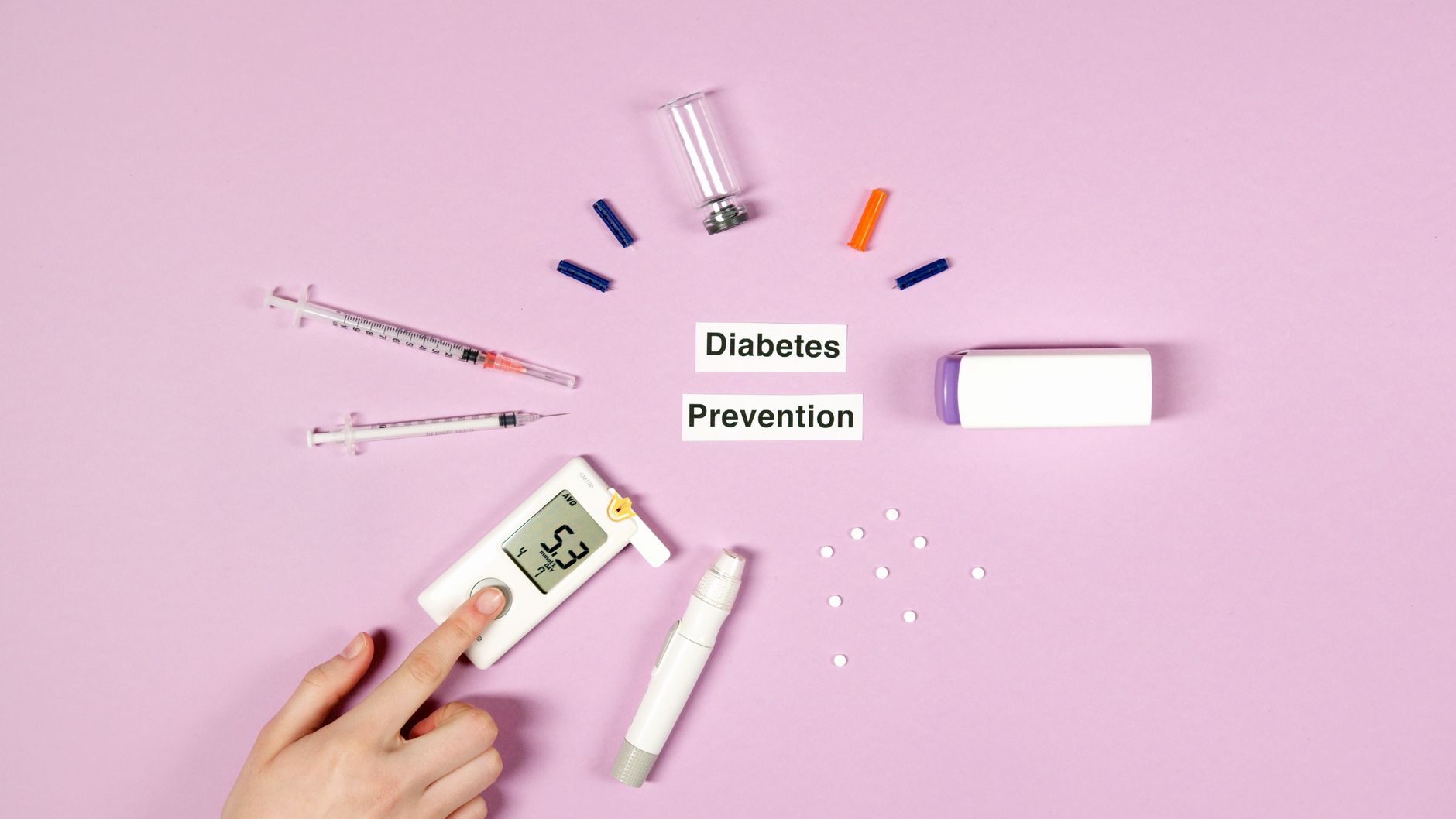
Glucagon-like peptide-1 (GLP-1) receptor agonists are a class of medications that mimic the action of the natural GLP-1 hormone. Their therapeutic effects are achieved through several integrated physiological mechanisms, which collectively contribute to weight management and glycemic control.
Primary Mechanisms of Action
The drugs work by binding to and activating GLP-1 receptors located in multiple organ systems. The key mechanisms include:
- Enhanced Insulin Secretion: They stimulate glucose-dependent insulin release from pancreatic beta cells, which lowers blood sugar with a low risk of hypoglycemia when used without insulin or sulfonylureas.
- Suppressed Glucagon Secretion: They inhibit the release of glucagon, a hormone that raises blood glucose, from pancreatic alpha cells.
- Delayed Gastric Emptying: By slowing the rate at which food leaves the stomach, they promote early satiety and reduce postprandial glucose spikes.
- Appetite Regulation: They act directly on receptors in the hypothalamus and brainstem to increase feelings of fullness and reduce hunger signals.
Long-Term Efficacy and Safety Evidence
Long-term data, primarily from cardiovascular outcome trials (CVOTs) and extension studies for type 2 diabetes and obesity, provide a robust evidence base for sustained efficacy and safety over several years.
Expert Insight: Clinicians view these medications as powerful tools for chronic disease management, not short-term fixes. The long-term data supports their use for sustained weight loss and cardiometabolic benefit, but it also underscores the necessity of concurrent lifestyle intervention. Weight regain is common upon discontinuation, highlighting that the medication manages a physiological state but does not "cure" obesity.
Strong evidence from trials like LEADER (liraglutide) and SELECT (semaglutide) demonstrates:
- Sustained weight loss of 10-15% or more over 68-104 weeks in many participants.
- Reduced risk of major adverse cardiovascular events (MACE) in patients with type 2 diabetes and established cardiovascular disease or high risk.
- A generally manageable safety profile with gastrointestinal side effects (nausea, vomiting, diarrhea) being the most common, often transient.
Areas with ongoing research or mixed evidence include the long-term (>5 year) durability of weight loss in broader populations, the optimal duration of therapy, and the real-world incidence of rare but serious adverse events like pancreatitis and medullary thyroid carcinoma (a noted contraindication in those with personal/family history).
Who should be cautious? These medications are not suitable for everyone. Individuals with a personal or family history of medullary thyroid carcinoma or Multiple Endocrine Neoplasia syndrome type 2 (MEN 2) should not use them. Caution is also advised for those with a history of pancreatitis, severe gastrointestinal disease, or kidney impairment. Patients on other glucose-lowering medications should be monitored for hypoglycemia risk. A consultation with a physician is essential to assess individual suitability and risks.
3. Risks, Side Effects, and Contraindications

GLP-1 receptor agonists are powerful medications with a well-documented safety profile from large clinical trials. However, like all potent therapies, they carry a spectrum of potential adverse effects and specific contraindications that must be carefully weighed against their benefits.
Common and Manageable Side Effects
The most frequently reported side effects are gastrointestinal, stemming from the drugs' primary mechanism of slowing gastric emptying and promoting satiety. These effects are often dose-dependent and tend to diminish over several weeks. They include:
- Nausea, vomiting, and diarrhea
- Constipation and abdominal discomfort
- Decreased appetite
Management typically involves starting at a low dose, titrating up slowly, and emphasizing dietary modifications like eating smaller, lower-fat meals.
Serious Risks and Precautions
While less common, several serious risks require vigilance:
- Pancreatitis: Patients should be advised to seek immediate medical attention for severe, persistent abdominal pain. Diabetic Retinopathy Complications: In patients with type 2 diabetes, rapid improvement in glycemic control has been associated with a transient worsening of diabetic retinopathy in some trials, necessitating regular eye exams.
- Gallbladder Disease: An increased risk of cholelithiasis (gallstones) has been observed, likely related to rapid weight loss.
- Acute Kidney Injury: Risk is primarily linked to dehydration from severe gastrointestinal side effects, emphasizing the importance of adequate fluid intake.
The evidence for a potential increased risk of medullary thyroid carcinoma is based on rodent studies; the clinical relevance in humans remains uncertain, but it is a stated contraindication.
Clinical Insight: The benefit-risk calculus is highly individual. For a patient with obesity and cardiovascular disease, the proven cardiovascular benefits may far outweigh the risk of manageable GI side effects. Conversely, for a patient with a history of severe gastroparesis or active pancreatitis, the risks would likely be prohibitive. A thorough pre-treatment evaluation is non-negotiable.
Key Contraindications and Populations for Caution
GLP-1 medications are contraindicated in:
- Personal or family history of medullary thyroid carcinoma (Multiple Endocrine Neoplasia syndrome type 2).
- Patients with a history of pancreatitis.
Extreme caution and close medical supervision are required for:
- Individuals with a history of diabetic retinopathy.
- Patients with severe gastrointestinal disease (e.g., gastroparesis, IBD).
- Those with impaired renal function, where dose adjustment or avoidance may be necessary.
- Individuals with a history of eating disorders, as the appetite-suppressing effects could be harmful.
Initiating a GLP-1 medication must be a shared decision between a patient and their physician, grounded in a complete understanding of personal medical history and these potential risks.
4. Practical Takeaways for Effective Use
For individuals prescribed a GLP-1 receptor agonist, achieving lasting results while safeguarding health requires a structured, evidence-based approach. These medications are powerful tools, but they are not standalone solutions. Their long-term efficacy is most robustly supported when integrated into a comprehensive treatment plan.
Foundational Principles for Success
The strongest evidence for durable weight management and glycemic control with GLP-1s comes from the large clinical trials that combined medication with intensive lifestyle intervention. Key practical takeaways include:
- Sustainable Nutrition: Focus on a balanced, nutrient-dense diet that supports satiety. The medication’s appetite-suppressing effects work synergistically with mindful eating habits, not as a replacement for them.
- Consistent Physical Activity: Regular exercise, including both aerobic and resistance training, is critical for preserving lean muscle mass during weight loss and improving metabolic health.
- Adherence to Prescribed Therapy: Taking the medication as directed by your physician is paramount. Discuss any side effects (like nausea) proactively so they can be managed, rather than discontinuing use.
Clinical Perspective: In practice, we view GLP-1s as catalysts for behavioral change. The window of reduced appetite and improved satiety is an opportunity to establish healthier routines around food and activity. The goal is for these new habits to become ingrained, providing stability if the medication is ever tapered or discontinued.
Monitoring and Medical Partnership
Ongoing monitoring is essential. This includes tracking progress, managing side effects, and screening for potential nutritional deficiencies (e.g., in protein, vitamins) that can occur with significant weight loss. Regular follow-ups with your healthcare provider are non-negotiable to adjust dosage, assess cardiovascular and renal benefits, and evaluate long-term treatment plans.
Important Cautions and Contraindications
Certain individuals should exercise extreme caution or avoid these medications entirely. This includes those with a personal or family history of medullary thyroid carcinoma or Multiple Endocrine Neoplasia syndrome type 2 (a strong contraindication), a history of pancreatitis, severe gastrointestinal disease, or pregnancy. Individuals with kidney impairment require dose adjustments and careful monitoring. Polypharmacy, especially with other glucose-lowering agents like insulin or sulfonylureas, significantly increases hypoglycemia risk and necessitates close physician supervision.
The most practical takeaway is that effective, lasting use of GLP-1 medications is a collaborative, long-term commitment between a patient and their clinical team, grounded in lifestyle medicine and vigilant safety monitoring.
5. Safety Monitoring and When to Consult a Healthcare Provider

GLP-1 receptor agonists are potent medications that require structured safety monitoring to manage known risks and identify potential adverse effects early. A proactive, collaborative approach with a healthcare provider is essential for safe and effective long-term use.
Essential Monitoring Parameters
Regular check-ins with your healthcare team should focus on several key areas:
- Gastrointestinal Tolerance: Nausea, vomiting, diarrhea, and constipation are common, especially during dose escalation. Persistent or severe symptoms require medical evaluation to prevent dehydration or nutrient deficiencies.
- Pancreatic and Gallbladder Health: While the absolute risk is low, patients should report severe, persistent abdominal pain, as it may signal pancreatitis or cholelithiasis.
- Renal Function: Dehydration from GI side effects can impact kidney function. Monitoring serum creatinine and estimated glomerular filtration rate (eGFR) is advised, particularly for patients with pre-existing chronic kidney disease.
- Glycemic Control: For patients with type 2 diabetes, regular HbA1c and blood glucose monitoring is crucial to adjust concomitant diabetes medications (especially insulin or sulfonylureas) and avoid hypoglycemia.
Clinical Insight: The most critical monitoring often happens in the first 3-6 months of therapy. This period covers dose titration and is when patients are most vulnerable to GI side effects and dehydration. A structured follow-up schedule during this window significantly improves tolerability and adherence.
When to Consult Your Healthcare Provider
Initiate contact with your provider promptly if you experience:
- Signs of a severe allergic reaction (rash, itching, swelling, difficulty breathing).
- Severe, persistent abdominal pain.
- Symptoms suggestive of pancreatitis (pain radiating to the back, nausea with vomiting).
- Significant changes in urination patterns or swelling in the legs, which could indicate kidney issues.
- Persistent heartburn or symptoms of gastroparesis (early satiety, bloating).
- Mood changes, depression, or suicidal thoughts—a potential risk that requires immediate attention, though current evidence on causality is mixed and surveillance is ongoing.
Special Populations Requiring Enhanced Caution
Certain individuals should only use GLP-1 medications under close specialist supervision or may be advised against them. This includes:
- Individuals with a personal or family history of medullary thyroid carcinoma or Multiple Endocrine Neoplasia syndrome type 2 (a strong contraindication for semaglutide and liraglutide).
- Patients with a history of pancreatitis.
- Those with severe gastrointestinal disease (e.g., gastroparesis, IBD).
- Patients with advanced chronic kidney disease or end-stage renal disease.
- Pregnant or breastfeeding individuals, due to limited safety data.
- Individuals with a history of diabetic retinopathy, as rapid improvement in glycemic control has been associated with transient worsening.
Ultimately, GLP-1 therapy is a partnership. Open communication about all symptoms and concerns, combined with scheduled laboratory and clinical monitoring, forms the foundation for achieving lasting results while prioritizing safety.
6. Questions & Expert Insights
Do GLP-1 medications like semaglutide and tirzepatide work long-term, or is weight regain inevitable after stopping?
Current evidence suggests that GLP-1 medications are effective for as long as they are taken, but they are not a one-time cure. Clinical trials, such as the STEP 1 extension study for semaglutide, demonstrate that weight loss plateaus and is maintained with continued use. However, when the medication is discontinued, a gradual return toward baseline weight is the typical physiological response, as seen in follow-up studies. This pattern is consistent with the drugs' mechanism of action—they modulate appetite and satiety pathways that are active only while the medication is in your system. The key takeaway is that these are chronic therapies for a chronic condition. For lasting results, they are intended to be part of a sustained, physician-supervised treatment plan that includes lifestyle modifications. Discontinuation without a structured maintenance plan often leads to weight regain.
What are the most significant health risks and side effects, and who should generally avoid these medications?
The most common side effects are gastrointestinal, including nausea, vomiting, diarrhea, and constipation, which often diminish over time but can be severe for some. More serious, though rarer, risks include gallbladder disease, acute pancreatitis, and potential worsening of diabetic retinopathy in people with type 2 diabetes. A boxed warning exists for the risk of thyroid C-cell tumors observed in rodent studies; therefore, these drugs are contraindicated in individuals with a personal or family history of Medullary Thyroid Carcinoma (MTC) or Multiple Endocrine Neoplasia syndrome type 2 (MEN 2). They should also be used with extreme caution or avoided in those with a history of pancreatitis, severe gastrointestinal disease (like gastroparesis), or severe renal impairment. The risk-benefit profile must be carefully evaluated for each patient.
When should I talk to my doctor about starting or stopping a GLP-1 medication, and how should I prepare for that conversation?
Initiate a conversation with your doctor if you have a body mass index (BMI) ≥30, or ≥27 with at least one weight-related comorbidity (e.g., hypertension, type 2 diabetes, dyslipidemia), and previous lifestyle efforts have not yielded sufficient health improvement. Before the appointment, prepare by gathering your full medical history, including any personal or family history of thyroid cancer, pancreatitis, or kidney disease. Create a list of all current medications and supplements. Be ready to discuss your past weight management attempts in detail. If considering discontinuation, consult your doctor to create a structured plan to mitigate weight regain, which may involve tapering the dose, intensifying lifestyle strategies, or considering alternative maintenance therapies. Never stop or start these medications without professional guidance.
Is the weight loss from GLP-1 drugs primarily fat, or does it also involve significant loss of muscle mass?
Research indicates that while the majority of weight lost is fat mass, a proportion of lean mass—which includes muscle, bone, and water—is also lost. Studies using body composition analysis (like DXA scans) show that approximately 25-40% of total weight loss on GLP-1 agonists can be lean mass. This underscores a critical clinical concern: preserving muscle is vital for metabolic health, physical function, and long-term weight maintenance. To counteract this, a concurrent emphasis on adequate dietary protein intake and regular resistance training is strongly recommended as part of any treatment protocol. The loss of lean mass is a limitation of any weight loss intervention, not unique to these drugs, but it must be actively managed to optimize health outcomes beyond the number on the scale.
7. In-site article recommendations
8. External article recommendations
9. External resources
The links below point to reputable medical and evidence-based resources that can be used for further reading. Always interpret them in the context of your own situation and your clinician’s advice.
-
wikipedia wikipedia.orgGLP-1 agonists – Wikipedia (search)
-
drugs drugs.comGLP-1 agonists – Drugs.com (search)
-
healthline healthline.comGLP-1 agonists – Healthline (search)
These external resources are maintained by third-party organisations. Their content does not represent the editorial position of this site and is provided solely to support readers in accessing additional professional information.