
1. Introduction to Intermittent Fasting and Cellular Repair
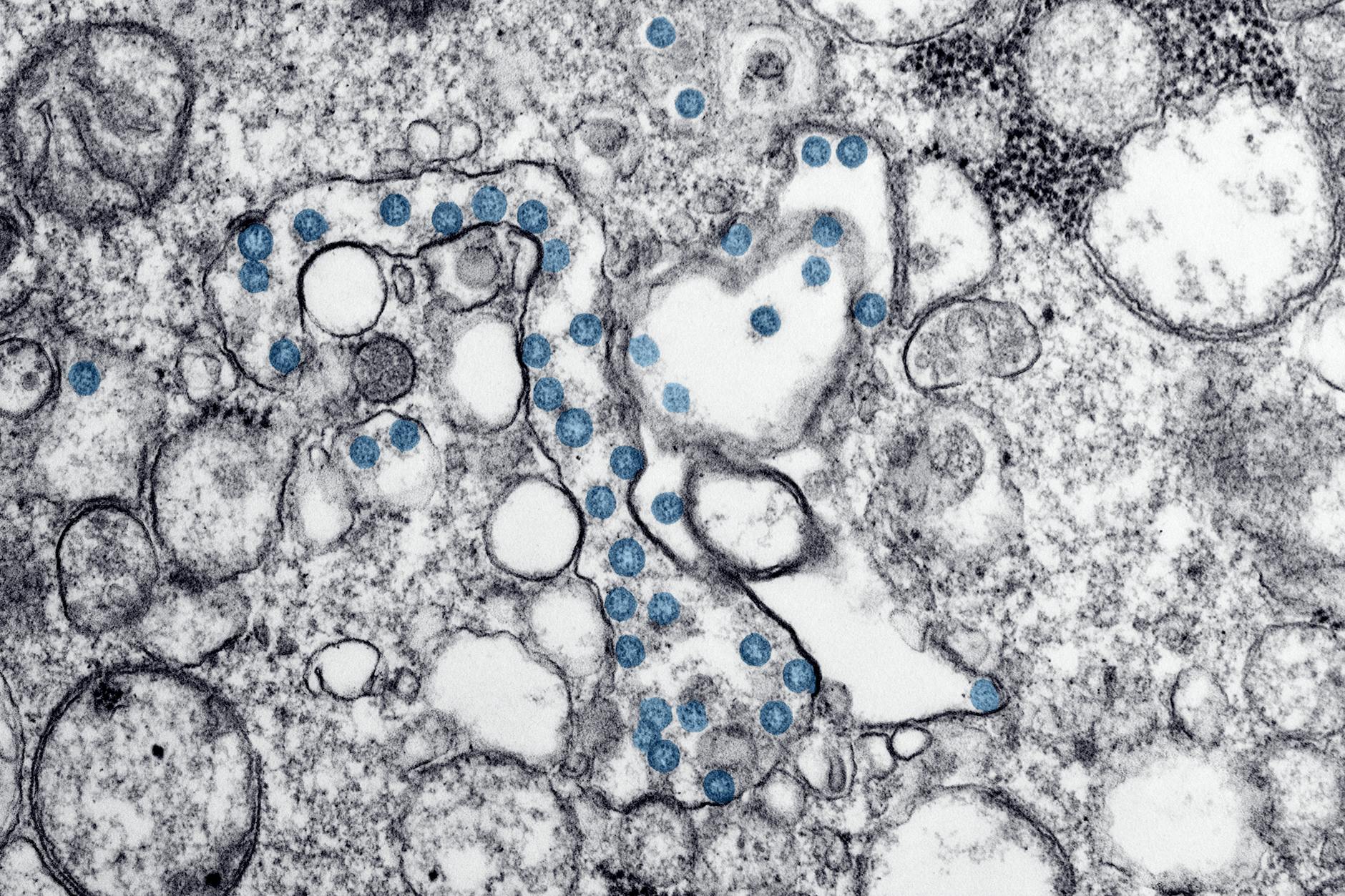
Intermittent fasting (IF) is an umbrella term for dietary patterns that cycle between periods of fasting and eating. Unlike diets focused on *what* to eat, IF primarily regulates *when* to eat. Common protocols include the 16:8 method (fasting for 16 hours, eating within an 8-hour window) and the 5:2 method (eating normally for five days, restricting calories on two non-consecutive days). The central premise is that extended periods without caloric intake trigger a metabolic switch from glucose-based to fat-based energy, initiating a cascade of cellular responses.
One of the most compelling and scientifically investigated claims about IF is its potential to enhance cellular repair and maintenance. This concept is grounded in the body's evolutionary adaptations to food scarcity. During a fasted state, when nutrient-sensing pathways are less active, cells may initiate processes to conserve resources, recycle damaged components, and bolster defenses. Key mechanisms proposed to drive this include:
- Autophagy: A conserved cellular "housekeeping" process where damaged organelles and misfolded proteins are degraded and recycled for energy or new cell parts.
- Mitochondrial Biogenesis: The creation of new mitochondria, potentially improving cellular energy efficiency and reducing oxidative stress.
- Reduced Insulin and mTOR Signaling: Lower levels of insulin and the mTOR protein, which are anabolic drivers of growth, may allow repair pathways to take precedence.
The evidence supporting these mechanisms is robust in preclinical models, including yeast, worms, and rodents. Studies consistently show that fasting regimens can upregulate autophagy, improve stress resistance, and extend lifespan in these organisms. However, translating these findings directly to humans requires significant caution. Human data, while growing, is more limited and often derived from smaller, shorter-term studies. The effects can vary considerably based on an individual's age, sex, baseline health, genetics, and the specific fasting protocol used.
Clinical Perspective: From a clinical standpoint, the promise of IF for cellular health is a hypothesis supported by strong mechanistic biology but not yet conclusively proven in long-term human trials. It represents a fascinating area of nutritional science that moves beyond weight management to potential fundamental effects on aging and disease risk. However, it is not a universal or risk-free intervention.
It is critically important to note that intermittent fasting is not suitable for everyone. Individuals who should exercise extreme caution or avoid it unless under direct medical supervision include:
- Those with a history of eating disorders.
- Pregnant or breastfeeding women.
- Individuals with type 1 diabetes, advanced type 2 diabetes, or those on specific medications like insulin or sulfonylureas.
- People with a history of hypoglycemia.
- Those with significant nutrient deficiencies or certain chronic conditions.
Consulting a physician or a registered dietitian is strongly advised before embarking on any fasting protocol to ensure it is appropriate and can be done safely.
2. Evidence and Biological Mechanisms
The proposition that intermittent fasting (IF) can enhance cellular repair is not merely theoretical; it is grounded in observable biological processes, primarily autophagy. Autophagy, meaning "self-eating," is a conserved cellular housekeeping mechanism where damaged organelles and misfolded proteins are degraded and recycled. Research indicates that a state of nutrient deprivation, such as that induced by a prolonged fasting window (typically 12-16 hours or more), serves as a potent physiological trigger for this process.
The most robust evidence for this mechanism comes from preclinical studies in model organisms. Research in yeast, nematodes, and rodents has consistently shown that calorie restriction and fasting regimens upregulate autophagy, which is associated with improved cellular function and longevity. In humans, the evidence is more indirect but supportive. Biomarker studies, often measuring proteins like LC3-II, suggest increased autophagic activity during fasting states. However, it is crucial to distinguish between mechanistic evidence (fasting can induce autophagy) and clinical outcome evidence (this induction leads to tangible, long-term health benefits in people). The latter remains an area of active investigation with promising but not yet definitive data.
Beyond autophagy, other interrelated mechanisms contribute to the proposed repair effects:
- Metabolic Switching: Depletion of liver glycogen stores during fasting shifts the body's primary fuel source from glucose to fatty acids and ketone bodies. This metabolic switch is thought to reduce oxidative stress and inflammation, creating a more favorable environment for repair.
- Hormonal Modulation: Fasting lowers insulin levels and increases growth hormone secretion. Low insulin facilitates fat burning and may enhance autophagy, while increased growth hormone supports muscle maintenance and repair.
- Mitochondrial Biogenesis: Some animal and preliminary human studies suggest certain IF patterns may stimulate the creation of new mitochondria (the cell's energy powerhouses), improving overall cellular energy efficiency and resilience.
Clinical Perspective: While the biological rationale is compelling, clinicians emphasize that human evidence is evolving. Most intervention studies are of short duration (weeks to months), and long-term effects on disease prevention or lifespan are unknown. The benefits observed in weight management and metabolic parameters (e.g., improved insulin sensitivity) are more consistently documented than direct measures of enhanced cellular repair in human tissues.
It is essential to approach this information with balance. Individuals with specific health conditions should exercise caution or avoid intermittent fasting without medical supervision. This includes those with a history of eating disorders, type 1 or advanced type 2 diabetes, pregnant or breastfeeding women, and individuals with certain metabolic disorders or who are underweight. Consulting a physician or a registered dietitian is strongly advised to assess individual suitability and safety.
3. Risks and Contraindications
While intermittent fasting (IF) may offer potential benefits for cellular health, it is not a universally safe or appropriate practice. A responsible evaluation requires a clear understanding of its potential adverse effects and absolute contraindications. The risks are not equally distributed; they are significantly influenced by an individual's underlying health status, nutritional needs, and lifestyle.
The most commonly reported side effects, especially during the initial adaptation phase, include:
- Hunger, irritability, and reduced energy, which typically subside as the body adapts.
- Headaches and dizziness, often linked to dehydration or electrolyte imbalances.
- Digestive discomfort, such as constipation, when dietary fiber and fluid intake are not carefully managed during eating windows.
More serious concerns involve the potential for nutrient deficiencies if the eating window is not used to consume a balanced, nutrient-dense diet. There is also evidence, though mixed, that IF can disrupt menstrual cycles in some premenopausal women, a sign of hypothalamic-pituitary axis disturbance that requires immediate cessation and medical consultation.
Specific populations for whom IF is generally contraindicated or requires extreme caution include:
- Individuals with a history of eating disorders (e.g., anorexia, bulimia).
- Pregnant or breastfeeding women, due to increased caloric and nutrient needs.
- Children and adolescents, who are in critical phases of growth and development.
- Individuals with type 1 diabetes or insulin-dependent type 2 diabetes, due to high risk of hypoglycemia and ketoacidosis.
- Those with advanced liver or kidney disease.
- Individuals with low body weight (BMI < 18.5) or experiencing unexplained weight loss.
- Patients on specific medications (e.g., hypoglycemics, antihypertensives, diuretics) that require food for safe absorption or to mitigate side effects.
Before initiating any form of intermittent fasting, it is imperative to consult with a physician or a registered dietitian. This is especially crucial for individuals with pre-existing medical conditions or those taking prescription medications, as dosing and timing may need adjustment. The decision to fast should be an informed one, weighing potential cellular benefits against tangible personal health risks.
4. Practical Takeaways for Implementation

For those considering intermittent fasting (IF) to potentially support cellular repair processes like autophagy, a gradual and evidence-informed approach is essential. The goal is to integrate a sustainable pattern that aligns with your health status and lifestyle, not to pursue extreme restriction.
Choosing and Starting a Protocol
Common protocols with some human research include the 16:8 method (16-hour fast, 8-hour eating window) and the 5:2 diet (5 days of regular eating, 2 non-consecutive days of ~500-600 calories). It is critical to understand that while animal studies robustly link fasting periods to enhanced autophagy, direct evidence in humans is more preliminary. Start conservatively:
- Begin with a 12-14 hour overnight fast, which for many simply means finishing dinner earlier and skipping late-night snacks.
- Gradually extend the fasting window by 30-60 minutes every few days as tolerated.
- Prioritize nutrient-dense foods during your eating window to ensure adequate vitamin, mineral, and protein intake.
Clinical Insight: The presumed "autophagy window" in humans is not precisely defined and likely varies by individual, tissue, and metabolic health. Chasing excessively long fasts based on theoretical cellular benefits can lead to counterproductive stress, nutrient deficiencies, and disordered eating patterns. Consistency with a moderate protocol is more valuable than sporadic, extreme fasting.
Hydration and Monitoring
During fasting periods, consume ample water, herbal teas, or black coffee. These do not typically break a fast in the metabolic sense and help manage hunger. Pay close attention to your body's signals. Persistent fatigue, dizziness, brain fog, or irritability may indicate the protocol is too aggressive or unsuitable for you.
Essential Precautions and Contraindications
Intermittent fasting is not appropriate for everyone. Strong medical guidance is required before initiation for:
- Individuals with a history of eating disorders.
- Those with diabetes, especially on insulin or sulfonylureas, due to hypoglycemia risk.
- Pregnant or breastfeeding women.
- Individuals with low body weight, nutrient deficiencies, or certain metabolic conditions.
- People on medications that require food intake.
Consulting a physician or a registered dietitian is strongly recommended to assess personal risks, adjust medications if needed, and ensure nutritional adequacy. The decision to fast should be based on a holistic view of your health, not solely on the promising but evolving science of cellular repair.
5. Safety Considerations and Medical Consultation
While intermittent fasting (IF) shows promise in preclinical and some human studies for modulating cellular repair pathways like autophagy, its application is not universally safe or appropriate. A responsible approach requires a clear understanding of contraindications, potential risks, and the necessity for professional medical guidance.
Key Populations for Whom Fasting May Be Unsafe
Certain individuals should avoid intermittent fasting protocols or only attempt them under direct, supervised medical care. These groups include:
- Individuals with a history of eating disorders: The structured eating windows and potential for calorie restriction can trigger or exacerbate disordered eating patterns.
- People with diabetes, especially on insulin or sulfonylureas: Fasting significantly increases the risk of dangerous hypoglycemia (low blood sugar). Medication adjustments are almost always necessary and must be managed by a physician.
- Pregnant or breastfeeding individuals: These life stages require consistent, high-quality nutrient intake for fetal and infant development; calorie or nutrient restriction is not advised.
- Those with advanced liver or kidney disease: These organs are critical for metabolic regulation during fasting states, and their impairment can lead to complications.
- Individuals with low body weight (BMI < 18.5) or significant nutrient deficiencies.
- Children and adolescents: Their bodies require consistent energy and nutrients for growth and development.
Common Adverse Effects and Monitoring
Even for generally healthy adults, initiating IF can cause transient side effects. Being aware of these helps distinguish normal adaptation from warning signs.
- Expected and often temporary: Hunger, irritability, headaches, constipation, and mild fatigue during the initial adaptation period (often 1-2 weeks).
- Concerning signs requiring re-evaluation: Dizziness, severe brain fog, heart palpitations, extreme weakness, or signs of nutrient deficiency (e.g., hair loss, brittle nails). These may indicate the protocol is too aggressive or unsuitable.
Clinical Perspective: From a medical standpoint, IF is a metabolic stressor. Its effects are highly individual, influenced by genetics, baseline metabolic health, and lifestyle. The evidence for long-term safety and efficacy in diverse populations remains limited. A clinician's role is to assess an individual's risk profile, review medications, and help tailor an approach—if any—that aligns with their overall health goals without compromising nutritional status or psychological well-being. It is not a standalone treatment for any medical condition.
The Imperative of Medical Consultation
Before starting any intermittent fasting regimen, a consultation with a primary care physician or a registered dietitian is strongly recommended. This is crucial for:
- Risk assessment: Reviewing personal and family medical history to identify contraindications.
- Medication management: Adjusting timing or dosage of medications for diabetes, blood pressure, or other conditions that fasting could impact.
- Personalization: Determining if IF is appropriate and, if so, which protocol (e.g., 16:8, 5:2) and nutrient composition might be safest and most sustainable.
- Monitoring: Establishing a plan to track relevant biomarkers (e.g., blood glucose, lipids, electrolytes) over time.
In summary, while the mechanistic science behind fasting and cellular repair is compelling, it does not override the fundamental principle of "first, do no harm." Professional guidance is the essential bridge between theoretical benefit and safe, personalized practice.
6. Questions & Expert Insights
What is the strongest evidence linking intermittent fasting to cellular repair?
The most robust evidence for enhanced cellular repair comes from preclinical research on autophagy, a cellular "clean-up" process. In animal models, fasting periods of 12-24 hours have been shown to upregulate autophagy, helping cells remove damaged components and recycle building blocks. Human evidence is more indirect but supportive. Studies show fasting can reduce markers of oxidative stress and inflammation, which are conditions autophagy helps mitigate. However, it is crucial to note that most human studies measure biomarkers associated with improved cellular health, not autophagy directly in human tissues. The translation from animal models to long-term human health benefits remains an active area of research, and the optimal fasting protocol for promoting these mechanisms in people is not definitively established.
Who should avoid or be extremely cautious with intermittent fasting?
Intermittent fasting is not appropriate for everyone and carries risks for specific populations. It is generally contraindicated for individuals with a history of eating disorders, as it can trigger disordered eating patterns. It is also not advised for pregnant or breastfeeding women, children and adolescents, and individuals with type 1 diabetes or advanced type 2 diabetes on insulin or sulfonylureas due to high hypoglycemia risk. Those with a history of significant metabolic or kidney disease, low body weight (BMI < 18.5), or who are on medications that require food intake should avoid fasting without direct medical supervision. The stress of fasting can also be detrimental for individuals with certain hormonal imbalances or high chronic stress levels.
When should I talk to my doctor before trying intermittent fasting, and what should I discuss?
Consult your physician or a registered dietitian before starting if you have any chronic health condition, take regular medications, or are over the age of 65. Come to the appointment prepared to discuss: 1) Your specific health goals, 2) A complete list of all medications and supplements (as fasting can alter drug metabolism), 3) Your detailed medical history, including any history of hypoglycemia or electrolyte imbalances. This allows your provider to assess potential interactions—like with blood pressure or diabetes drugs—and help you establish safe parameters. They can also recommend appropriate lab work (e.g., baseline metabolic panel) to monitor your health if you proceed.
Does the type of intermittent fasting (e.g., 16:8 vs. 5:2) matter for cellular repair?
Current evidence does not conclusively identify one "best" method for promoting cellular repair mechanisms. Both daily time-restricted feeding (e.g., 16:8) and periodic fasting (e.g., 5:2) can induce the metabolic switch (from glucose to ketone-based fuel) believed to stimulate autophagy and stress resistance pathways. The 5:2 method, with its more significant calorie reduction on fast days, may create a stronger stimulus, but this also increases the risk of side effects like fatigue and nutrient deficiencies. For long-term sustainability and adherence, a milder daily pattern is often more practical. The critical factor is likely consistent fasting duration (typically 12-16 hours minimum) to deplete liver glycogen, rather than the specific protocol. More comparative human trials are needed to determine if one method yields superior long-term cellular benefits.
7. In-site article recommendations
8. External article recommendations
9. External resources
The links below point to reputable medical and evidence-based resources that can be used for further reading. Always interpret them in the context of your own situation and your clinician’s advice.
-
healthline healthline.comintermittent fasting – Healthline (search)
-
wikipedia wikipedia.orgintermittent fasting – Wikipedia (search)
-
mayoclinic mayoclinic.orgintermittent fasting – Mayo Clinic (search)
These external resources are maintained by third-party organisations. Their content does not represent the editorial position of this site and is provided solely to support readers in accessing additional professional information.