
1. Introduction to Kind Patches in Weight Management Context
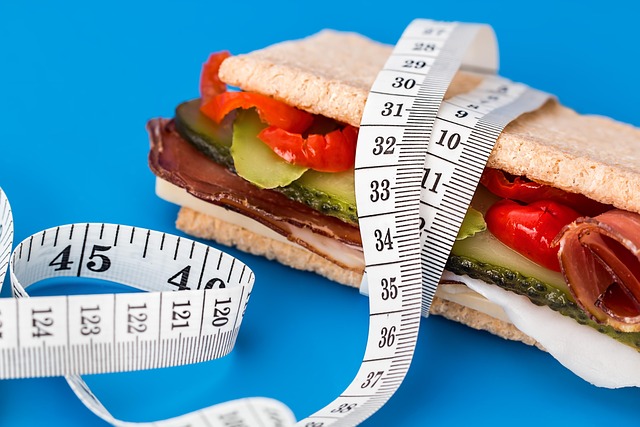
In the evolving landscape of weight management, transdermal patches have emerged as a novel delivery system for various compounds. "Kind Patches" represent a category of products marketed to support weight management efforts, typically containing a blend of vitamins, minerals, herbal extracts, or other bioactive substances. The foundational premise is that these patches, applied to the skin, allow for the sustained, passive absorption of ingredients intended to influence metabolism, appetite, or energy levels.
It is crucial to approach this modality with a clear, evidence-based perspective. The concept of transdermal delivery is well-established in clinical pharmacology for specific, FDA-approved medications (e.g., nicotine, hormones). However, its application for multi-ingredient, over-the-counter weight management supplements operates in a different regulatory and evidentiary space.
The proposed mechanisms by which such patches might function generally fall into a few categories:
- Appetite Suppression: Ingredients like 5-HTP or Garcinia cambogia extract are purported to influence serotonin pathways or inhibit fat production.
- Metabolic Support: Compounds such as green tea extract (EGCG), caffeine, or B-vitamins are included for their potential role in enhancing thermogenesis or energy metabolism.
- Nutrient Delivery: Providing essential nutrients to theoretically correct deficiencies that may hinder metabolic function.
The evidence supporting the efficacy of these specific patch formulations for meaningful, sustained weight loss is limited and primarily preliminary. While some individual ingredients have been studied in oral forms, high-quality, long-term clinical trials specifically on transdermal patch formulations for weight loss are scarce. The bioavailability of ingredients through the skin at concentrations sufficient to produce a clinical effect is a key, and often unverified, consideration.
Clinical Perspective: From a medical standpoint, the transdermal route bypasses first-pass liver metabolism, which can be an advantage for certain drugs. However, for complex herbal blends, this also means the ingredients enter the bloodstream without the initial modulation of digestion. This raises important questions about consistent dosing, potential for skin irritation, and interactions with other medications that are not fully characterized for most over-the-counter patch products.
Individuals with sensitive skin, allergies to adhesive components, or certain medical conditions should exercise particular caution. Those who are pregnant, breastfeeding, managing chronic conditions like hypertension or thyroid disorders, or taking prescription medications should consult a physician before using any weight management patch, as ingredients may have systemic effects or interactions.
This introduction sets the stage for a balanced examination. The following chapters will critically evaluate the ingredient profiles, the existing scientific data, and the practical role, if any, such patches may play within a comprehensive, evidence-based weight management strategy.
2. Evidence and Mechanisms of Kind Patches for Weight Management

The proposed mechanisms of action for "Kind Patches" in weight management are primarily based on the concept of transdermal delivery of active ingredients. The theory posits that specific compounds, such as plant extracts, vitamins, or minerals, are absorbed through the skin to exert systemic effects that may support metabolic processes, appetite regulation, or energy expenditure.
Common ingredients found in such patches include:
- Green Tea Extract (EGCG): May modestly increase thermogenesis and fat oxidation. Evidence from oral supplementation is mixed, with effects being small and highly dependent on dosage and individual response.
- Garcinia Cambogia (HCA): Marketed as an appetite suppressant and fat blocker. High-quality systematic reviews conclude that the overall effect on weight loss is minimal and not clinically significant.
- Chromium Picolinate: Proposed to improve insulin sensitivity and reduce cravings. Evidence for meaningful weight loss in humans is weak and inconsistent.
It is crucial to distinguish between the evidence for these ingredients when taken orally versus their efficacy via transdermal delivery. The scientific literature on transdermal delivery of these specific compounds for weight loss is extremely limited. Key questions about bioavailability, consistent dosing, and skin penetration rates for these formulations remain largely unanswered by robust clinical trials.
Clinical Perspective: From an evidence-based standpoint, transdermal weight management patches occupy a space with significant evidentiary gaps. While the mechanism of transdermal delivery is well-established for certain pharmaceuticals (e.g., nicotine, hormones), its application for herbal weight-loss compounds lacks validation. Any perceived effects may be largely attributable to the placebo effect or concurrent lifestyle changes. They should not be considered a substitute for foundational weight management strategies.
Current evidence does not support these patches as a standalone or primary intervention for weight loss. Any potential benefit would likely be minor and must be viewed within the context of a comprehensive, evidence-based program that includes dietary modification, physical activity, and behavioral therapy.
Who should exercise caution: Individuals with skin sensitivities or allergies, those who are pregnant or breastfeeding, and people with underlying metabolic conditions (e.g., diabetes, thyroid disorders) or who are on multiple medications should consult a physician before using any transdermal supplement due to potential unknown interactions or side effects.
3. Risks, Contraindications, and Populations to Avoid

While transdermal patches like Kind Patches are often marketed as a convenient and natural approach to weight management, a thorough risk-benefit analysis is essential. The evidence supporting their efficacy is generally limited and preliminary, which makes understanding their safety profile and contraindications critically important.
The primary risks are often related to the active ingredients, which can include stimulants, appetite suppressants, or herbal extracts. Potential adverse effects may include:
- Skin Reactions: Localized irritation, redness, itching, or contact dermatitis at the application site.
- Systemic Effects: Ingredients like caffeine or synephrine can cause jitteriness, anxiety, insomnia, increased heart rate, or elevated blood pressure.
- Drug Interactions: Herbal components may interfere with the metabolism of prescription medications, such as blood thinners, antidepressants, or diabetes drugs.
- Uncertain Long-Term Safety: Data on the chronic use of many proprietary herbal blends in patch form is lacking.
Clinical Insight: The transdermal route provides a steady release of compounds, which can be an advantage but also a risk. Unlike an oral supplement that is processed through the liver first, ingredients absorbed through the skin enter the bloodstream directly. This can lead to sustained systemic exposure, making it crucial to consider the cumulative dose over 24 hours, especially for stimulants.
Populations Who Should Avoid or Use Extreme Caution
Certain individuals should avoid using weight management patches unless explicitly approved by a healthcare professional who is aware of their full medical history.
- Individuals with Cardiovascular Conditions: This includes those with hypertension, arrhythmias, coronary artery disease, or a history of stroke. Stimulant ingredients can exacerbate these conditions.
- Pregnant or Breastfeeding Women: The safety of most weight-loss ingredients for fetal and infant development is not established.
- People with Thyroid Disorders, Diabetes, or Liver/Kidney Disease: These conditions can alter how substances are metabolized and cleared, increasing the risk of adverse effects or interfering with disease management.
- Individuals with a History of Eating Disorders: The use of any weight-loss product can trigger unhealthy behaviors and relapse.
- Those Taking Multiple Medications (Polypharmacy): The risk of herb-drug interactions is significantly heightened.
- Children and Adolescents: Weight management in this demographic requires specialized medical guidance, not over-the-counter supplements.
In summary, the convenience of a patch does not negate the biological activity of its ingredients. A prudent approach mandates consulting a physician or a registered dietitian before use, particularly for anyone with pre-existing health conditions or who is taking other medications. Weight management is most safely and effectively achieved through evidence-based methods centered on nutrition, physical activity, and behavioral therapy.
4. Practical Takeaways for Integrating Kind Patches into Weight Management

If you are considering the use of Kind Patches as part of a weight management strategy, a pragmatic and evidence-informed approach is essential. The current scientific evidence for transdermal patches containing ingredients like green tea extract, Garcinia cambogia, or other botanicals for weight loss is preliminary and of mixed quality. Therefore, they should be viewed as a potential adjunct, not a standalone solution, to a comprehensive plan.
For responsible integration, consider the following practical steps:
- Establish a Foundation First: Prioritize evidence-based lifestyle modifications. This includes a balanced, calorie-conscious diet and regular physical activity. A patch should not replace these core pillars.
- Set Realistic Expectations: Understand that any effect from such patches is likely to be modest. They are not a substitute for the significant, sustained effort required for meaningful weight management.
- Follow Application Guidelines: Adhere strictly to the manufacturer's instructions for patch placement, wear time, and rotation of application sites to minimize skin irritation.
- Monitor for Effects and Reactions: Keep a simple log of your dietary intake, activity, and any subjective changes in appetite or energy. More importantly, monitor the skin under and around the patch for redness, itching, or rash.
Clinical Perspective: From a medical standpoint, the integration of any supplement, including transdermal patches, requires a risk-benefit analysis. The primary role should be supportive, perhaps as a reminder of one's health goals. The act of applying a patch can serve as a daily mindfulness cue, but the tangible outcomes will almost certainly depend on concurrent behavioral changes. Clinicians emphasize that resources are often better invested in nutritional counseling or supervised exercise programs with stronger evidence bases.
It is critical to identify individuals for whom using such patches is not advisable without explicit medical consultation. This includes:
- Pregnant or breastfeeding women.
- Individuals with known skin conditions or sensitivities.
- People with chronic medical conditions (e.g., heart disease, thyroid disorders, diabetes, kidney or liver issues).
- Those taking prescription medications, due to potential herb-drug interactions.
- Anyone with a history of eating disorders.
In summary, a cautious and measured approach is warranted. The most practical takeaway is to place the greatest emphasis on established lifestyle interventions. If used, Kind Patches should be incorporated thoughtfully, with close attention to bodily responses and in conjunction with, not in place of, foundational health practices. Consulting a healthcare provider before starting is strongly recommended to ensure safety and appropriateness for your individual health profile.
5. Safety Considerations and When to Consult a Healthcare Provider

Any intervention for weight management, including the use of dietary patches like Kind Patches, requires a careful evaluation of safety. The evidence base for transdermal patches delivering weight management ingredients is preliminary, and their long-term safety profile is not well-established. It is crucial to approach them with the same caution as any other supplement or lifestyle modification.
Key Safety Considerations
Potential risks are often related to the active ingredients, which may include stimulants, appetite suppressants, or herbal extracts. Common considerations include:
- Skin Reactions: The adhesive and ingredients can cause local irritation, redness, itching, or contact dermatitis.
- Systemic Side Effects: Ingredients absorbed through the skin can cause effects similar to oral supplements, such as jitteriness, increased heart rate, gastrointestinal discomfort, or headaches.
- Drug Interactions: Ingredients may interact with prescription medications, including those for blood pressure, diabetes, depression, or blood thinners, potentially altering their efficacy or safety.
- Quality and Purity Concerns: As with many supplements, regulatory oversight is less stringent than for pharmaceuticals. There is a risk of inconsistent dosing, contamination, or undisclosed ingredients.
Clinical Insight: From a medical perspective, the transdermal route does not inherently make a substance safer. It simply changes its pharmacokinetics. An ingredient that is unsafe orally is likely unsafe transdermally. Furthermore, the continuous, slow-release mechanism could potentially lead to prolonged exposure and accumulation, a risk profile that is not fully mapped for most patch formulations.
Who Should Exercise Particular Caution?
Certain individuals should avoid using weight management patches or consult a healthcare provider before considering them. This includes people with:
- Known allergies to adhesives or any listed patch ingredients.
- Pre-existing cardiovascular conditions (e.g., hypertension, arrhythmia).
- Thyroid disorders, diabetes, or liver/kidney disease.
- Pregnancy, breastfeeding, or those trying to conceive.
- A history of eating disorders.
- Those taking multiple prescription medications (polypharmacy).
When to Consult a Healthcare Provider
A consultation is strongly recommended in these scenarios:
- Before Starting Use: Discuss your weight management goals and the patch's ingredients with a doctor or registered dietitian. This is essential if you have any of the conditions listed above.
- If Experiencing Adverse Effects: Discontinue use immediately and seek medical advice if you notice skin reactions, palpitations, dizziness, severe gastrointestinal issues, or any other concerning symptoms.
- For Holistic Planning: Sustainable weight management is multifaceted. A provider can help integrate safe, evidence-based strategies—such as nutrition, physical activity, and behavioral therapy—into a cohesive plan, assessing if a patch has a plausible role.
In summary, while patches may offer a novel delivery method, they are not a risk-free shortcut. Prioritizing safety through professional guidance is a non-negotiable component of responsible health management.
6. Questions & Expert Insights
How do Kind Patches theoretically work for weight management?
The proposed mechanism for Kind Patches, and similar transdermal weight management products, is based on the concept of transdermal nutrient delivery. The patches are designed to contain a blend of ingredients—which may include vitamins, minerals, plant extracts, or other compounds—that are absorbed through the skin over several hours. The claimed benefits often focus on supporting metabolism, reducing cravings, or enhancing energy. However, it is critical to note that the transdermal absorption of many nutrients is highly variable and often less efficient than oral intake. Robust, peer-reviewed clinical trials specifically on "Kind Patches" for weight loss are notably lacking. Most evidence supporting individual ingredients is derived from oral supplementation studies, and it is a significant leap to assume equivalent efficacy from a patch format. The placebo effect and the psychological reinforcement of wearing a patch can also influence perceived results.
What does the scientific evidence actually say about their effectiveness?
The current scientific evidence for transdermal patches as a primary or significant tool for weight management is preliminary and insufficient. While some individual ingredients commonly found in such patches (like green tea extract or certain B-vitamins) have been studied orally for their potential metabolic effects, high-quality, randomized controlled trials on the specific patch formulations are virtually absent. Most available information comes from manufacturer-sponsored studies, which are often small, short-term, and not published in reputable medical journals. This represents a major evidence gap. Weight management is a complex physiological process influenced by diet, physical activity, sleep, and hormonal factors. Relying on a patch without addressing these foundational lifestyle components is unlikely to yield meaningful, sustainable results. The evidence currently does not support these patches as a standalone solution.
What are the potential risks or side effects, and who should avoid using them?
While often marketed as "natural" and therefore presumed safe, transdermal patches are not without potential risks. Skin irritation, redness, or allergic contact dermatitis at the application site is a common possibility. More concerning are the systemic risks from ingredients that are absorbed. For instance, patches containing stimulants (e.g., caffeine, guarana) may cause jitteriness, anxiety, insomnia, or elevated heart rate, particularly in caffeine-sensitive individuals. Certain herbal blends could interact with prescription medications, such as blood thinners or antidepressants. Specific groups who should avoid these patches or use extreme caution include: pregnant or breastfeeding women, individuals with sensitive skin or dermatological conditions, people with cardiovascular issues, hypertension, or thyroid disorders, those with liver or kidney impairment, and anyone taking multiple medications due to the risk of unknown interactions. The lack of rigorous safety data for the transdermal format adds another layer of uncertainty.
When should I talk to my doctor about using weight management patches, and what should I discuss?
You should consult your physician or a registered dietitian before starting any over-the-counter weight management product, including patches. This is crucial for safety and to ensure the approach aligns with your overall health. Come to the appointment prepared to discuss: 1) Your full health history, including any chronic conditions (heart, liver, kidney, thyroid) and medication/supplement list. 2) The specific brand and ingredient list of the patch you are considering. 3) Your personal weight management goals and the lifestyle changes you are currently implementing or willing to start. A productive conversation will allow your doctor to assess potential risks, screen for underlying medical causes of weight challenges, and help you create an evidence-based plan. They can also advise if a prescription medication, which undergoes rigorous FDA testing for efficacy and safety, might be a more appropriate and effective option for you.
7. In-site article recommendations
8. External article recommendations
9. External resources
The links below point to reputable medical and evidence-based resources that can be used for further reading. Always interpret them in the context of your own situation and your clinician’s advice.
-
mayoclinic mayoclinic.orgKind Patches – Mayo Clinic (search)
-
healthline healthline.comKind Patches – Healthline (search)
-
drugs drugs.comKind Patches – Drugs.com (search)
These external resources are maintained by third-party organisations. Their content does not represent the editorial position of this site and is provided solely to support readers in accessing additional professional information.