
1. Understanding the Spectrum of Exercise Intensity

Exercise intensity is a fundamental concept in exercise science, defined by the physiological demand an activity places on the body. It is most accurately measured by oxygen consumption (VO₂), but in practice, it is commonly categorized using perceived exertion, heart rate zones, or metabolic equivalents (METs). Understanding this spectrum is crucial for designing safe and effective fitness programs tailored to individual goals and health status.
The spectrum is broadly divided into three zones:
- Low-Intensity Exercise: Typically performed at 30-50% of maximum heart rate or a perceived exertion of 2-4 on a 10-point scale. Examples include leisurely walking, gentle yoga, or light gardening. The primary fuel source is fat, and conversation is easy.
- Moderate-Intensity Exercise: Performed at 50-70% of maximum heart rate (a perceived exertion of 5-6). This includes brisk walking, recreational cycling, or water aerobics. Breathing becomes noticeably deeper, but conversation is still possible. This is the intensity most public health guidelines target for general health.
- High-Intensity Exercise: This encompasses vigorous (70-85% max heart rate) and very high-intensity or sprint intervals (>85%). Activities include running, competitive sports, and High-Intensity Interval Training (HIIT). Breathing is labored, conversation is difficult, and the body relies more on carbohydrate metabolism.
The physiological adaptations to exercise are strongly dose-dependent, meaning the type and magnitude of benefit are influenced by intensity, duration, and frequency. High-quality evidence consistently shows that higher intensities generally produce more pronounced improvements in cardiorespiratory fitness (VO₂ max), insulin sensitivity, and certain hormonal responses in a shorter time. However, the relationship is not linear for all outcomes; evidence for long-term weight management, for example, is more mixed and heavily influenced by diet and total energy expenditure.
Clinical Perspective: From a safety standpoint, the intensity spectrum is critical for risk stratification. While low and moderate-intensity exercise is safe and recommended for nearly everyone, high-intensity exercise can pose significant risks for individuals with undiagnosed cardiovascular disease, uncontrolled hypertension, or certain metabolic conditions. It can also present a higher injury risk from impact or improper form. A pre-exercise evaluation with a physician is strongly advised for sedentary individuals, those with known health conditions, or anyone over 45 before initiating a vigorous program.
Ultimately, "matching results" depends entirely on the specific health or fitness goal. For improving general health markers and functional mobility, moderate-intensity activity is strongly evidence-based and sufficient. For maximizing athletic performance or specific physiological capacities like peak oxygen uptake, higher intensities are typically necessary. The most sustainable and effective routine often strategically incorporates movements across the entire intensity spectrum.
2. Comparative Efficacy: What Does the Research Say?
The central question of comparative efficacy is not which modality is universally "better," but rather which is more effective for achieving specific health and fitness outcomes. The evidence reveals a nuanced picture, heavily dependent on the goals being measured.
For improving cardiorespiratory fitness (VO2 max), high-intensity interval training (HIIT) consistently demonstrates a time-efficient advantage. Meta-analyses show HIIT can produce similar or greater improvements in VO2 max compared to moderate-intensity continuous training (MICT), often with a lower total time commitment. However, well-designed low-impact, steady-state programs (e.g., brisk walking, cycling, swimming) also significantly improve cardiorespiratory health, particularly for previously sedentary individuals.
When examining body composition, the evidence becomes more mixed:
- Fat loss: Total calorie expenditure is the primary driver. While HIIT may create a higher post-exercise oxygen consumption (EPOC), the overall difference in fat loss between HIIT and steady-state cardio over the long term is often minimal when matched for total work or calorie burn.
- Muscle retention/potential gain: Low-impact resistance training (e.g., Pilates, bodyweight circuits) is highly effective for building muscular endurance and improving functional strength. For maximizing hypertrophy (muscle growth), traditional higher-intensity resistance training with progressive overload remains the gold standard.
For metabolic health markers like insulin sensitivity and blood pressure, both approaches show efficacy. Some research suggests HIIT may offer slightly superior improvements in insulin sensitivity in certain populations, but consistent low-impact activity is also profoundly beneficial.
Clinical Perspective: The "best" workout is the one that can be performed consistently and safely. For individuals with joint issues, chronic pain, or specific conditions like osteoarthritis, low-impact workouts are not just an alternative—they are the evidence-based, sustainable choice. The risk of injury or burnout from high-intensity protocols can negate their theoretical efficiency advantages.
Key limitations in the research include often short study durations (weeks to months), varied protocols making direct comparison difficult, and participant populations that may not reflect the general public. Long-term adherence data is particularly crucial and often lacking.
Who should proceed with caution? Individuals with cardiovascular conditions, uncontrolled hypertension, or musculoskeletal injuries should consult a physician or physical therapist before initiating high-intensity exercise. Those new to exercise or returning after a long hiatus are generally advised to build a foundation with low-impact modalities first.
The overarching research conclusion is that both paradigms are powerfully effective within their respective contexts. The most efficacious program strategically integrates elements of both based on individual goals, capacity, and health status.
3. Contraindications and Population-Specific Considerations
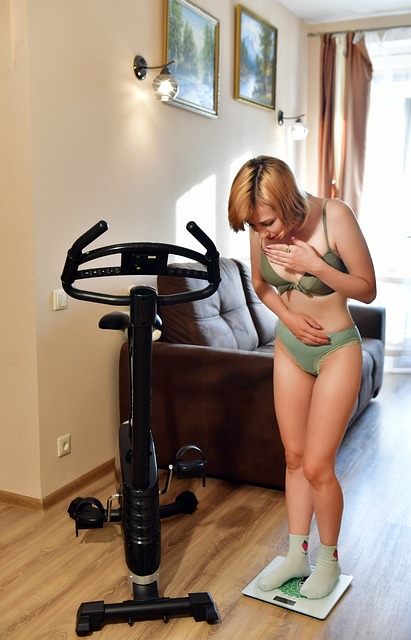
While low-impact workouts are broadly accessible, they are not universally appropriate. A nuanced understanding of contraindications and population-specific risks is essential for safe and effective implementation. The primary contraindication is not the activity itself, but its application without proper medical guidance in certain clinical contexts.
Individuals with the following conditions should seek clearance from a physician or relevant specialist before initiating any new exercise regimen, including low-impact activities:
- Unstable Cardiovascular Disease: This includes uncontrolled hypertension, unstable angina, recent myocardial infarction, or severe heart failure. While gentle movement is often therapeutic, the intensity must be carefully titrated.
- Acute Musculoskeletal Injury or Post-Surgical Recovery: Certain low-impact motions (e.g., deep squats in yoga, repetitive arm circles with a shoulder injury) may impede healing or exacerbate inflammation.
- Severe Osteoporosis with High Fracture Risk: Activities involving spinal flexion (like some Pilates crunches) or a high risk of falling (even from a standing position) may be contraindicated.
- Active Inflammatory Arthritis or Gout Flare: Movement of inflamed joints can worsen symptoms; rest or extremely gentle range-of-motion exercises are typically advised initially.
Clinical Insight: The term "low-impact" can be misleading. A water-based activity is genuinely low-impact for joints, whereas a bodyweight squat, while low-impact on paper, creates significant compressive and shear forces. The key is matching the specific biomechanical load of the exercise to the individual's current structural capacity and pain tolerance.
Population-specific considerations further refine exercise selection:
- Pregnancy: While exercise is generally encouraged, certain low-impact activities require modification. Avoid exercises in the supine position after the first trimester, deep twists, and activities with a high balance challenge. A prenatal specialist can provide tailored guidance.
- Older Adults with Frailty or Severe Balance Deficits: Seated or chair-based exercises, and activities with stable support (like a ballet barre or pool wall), are safer starting points than standing Tai Chi or flow yoga.
- Individuals with Chronic Kidney Disease (CKD) or on Dialysis: Fluid restrictions may limit aquatic exercise. Electrolyte imbalances and cardiovascular comorbidities necessitate medical oversight of exercise intensity and hydration.
- Those with a History of Eating Disorders: For some, structured exercise programs, regardless of intensity, can perpetuate disordered patterns. A mental health professional should be part of the care team.
The evidence strongly supports that most people can safely engage in some form of low-impact activity. However, the responsibility lies in identifying the correct form. A consultation with a primary care physician, physiatrist, or physical therapist is the most evidence-based first step for anyone with a known chronic condition or significant health concern.
4. Integrating Workouts Based on Goals and Health Status
The most effective exercise program is not defined by a single intensity level, but by its strategic alignment with an individual's specific objectives and current health profile. The choice between low-impact and high-intensity modalities should be a deliberate one, guided by evidence and personal context.
Goal-Oriented Integration
For goals with strong evidence supporting specific modalities, program design becomes clearer:
- Primary Goal: Cardiovascular Health & Weight Management: High-intensity interval training (HIIT) is supported by robust evidence for improving cardiorespiratory fitness and metabolic rate efficiently. However, consistent low-impact steady-state cardio (e.g., brisk walking, cycling) is also highly effective for these outcomes, particularly for long-term adherence and foundational health.
- Primary Goal: Muscular Strength & Hypertrophy: High-load resistance training remains the gold standard. Low-impact strength training (using bands, bodyweight, or machines) can effectively build and maintain muscle, especially for novices or those in maintenance phases, but may plateau for advanced strength goals.
- Primary Goal: Joint Health, Mobility, & Longevity: Low-impact activities like yoga, tai chi, swimming, and Pilates have excellent evidence for improving flexibility, balance, pain management in conditions like osteoarthritis, and reducing fall risk. They are often the cornerstone of sustainable, lifelong fitness.
Clinical Insight: From a physiological perspective, the principle of specificity is paramount. The body adapts to the specific stresses placed upon it. Therefore, a blended or "cross-training" approach that periodizes different intensities often yields the most comprehensive benefits, mitigating overuse injury risk from any single modality.
Health Status as the Critical Filter
An individual's health status is the non-negotiable filter through which all exercise recommendations must pass. This dictates not just choice, but necessary precautions.
- For Healthy Individuals: A blend of both intensities is generally safe and recommended to develop a well-rounded fitness profile.
- Requiring Medical Consultation First: Individuals with known cardiovascular, pulmonary, or metabolic disease (e.g., uncontrolled hypertension, heart failure, diabetes), significant musculoskeletal injuries, or who are pregnant should obtain clearance from a physician or relevant specialist. High-intensity exercise may be contraindicated or require strict supervision.
- Opting for Low-Impact Initially: Those new to exercise, with obesity, arthritis, osteoporosis, or balance issues should typically prioritize low-impact foundations to build tolerance and skill safely before considering graded exposure to higher intensities.
In practice, integration is dynamic. A weekly plan might include two days of low-impact mobility work, two days of moderate-intensity cardio, and one day of higher-intensity intervals or resistance training. This balanced approach, tailored to personal goals and limitations, is supported by the strongest evidence for achieving sustainable, holistic health outcomes.
5. Monitoring and Professional Guidance for Safe Exercise

Whether pursuing low-impact or high-intensity exercise, systematic monitoring and professional guidance are fundamental to achieving results safely and sustainably. This approach transforms subjective effort into objective data, allowing for personalized progression and early identification of potential issues.
Key Metrics for Monitoring Progress
Effective monitoring extends beyond tracking weight or workout frequency. A multi-faceted approach provides a clearer picture of adaptation and health impact.
- Physiological Markers: Resting heart rate, heart rate recovery post-exercise, and perceived exertion (using the Borg Scale) are validated, accessible metrics. Consistent improvements in these areas indicate enhanced cardiovascular efficiency.
- Functional Outcomes: For strength and mobility, track measurable functional improvements. Examples include the number of bodyweight squats performed with good form, hold time for a plank, or walking gait speed over a set distance.
- Consistency & Tolerance: Logging workout frequency, duration, and how you felt during and after (e.g., energy levels, muscle soreness, joint comfort) is crucial. A steady increase in tolerable volume is a primary sign of positive adaptation.
Clinical Insight: In a practice setting, we distinguish between performance metrics and health biomarkers. While someone may get stronger (performance), we also monitor blood pressure, lipid profiles, and glycemic control where relevant (health outcomes). For most individuals, consistent, pain-free exercise adherence is a more meaningful initial goal than optimizing any single metric.
The Role of Professional Guidance
While self-monitoring is valuable, input from qualified professionals provides essential context and safety. The evidence strongly supports that supervised exercise improves outcomes and reduces injury risk, particularly for those with health conditions or when starting a new regimen.
Consider consulting:
- A Physician (MD/DO): Essential for individuals with known cardiovascular, metabolic (e.g., diabetes), renal, or pulmonary conditions, or those experiencing unexplained symptoms like chest discomfort or dizziness during exertion. A pre-participation screening can identify contraindications.
- A Physical Therapist (PT) or Certified Exercise Physiologist (EP-C): These professionals can design tailored programs that accommodate limitations, correct movement patterns to prevent injury, and ensure exercise is both challenging and safe. This is particularly valuable for those with musculoskeletal issues or recovering from injury.
- A Certified Personal Trainer (CPT): A qualified CPT can provide hands-on coaching for proper technique, help structure periodized programs for progressive overload, and offer motivational support.
Who should be cautious? Individuals with a history of cardiovascular events, uncontrolled hypertension, severe osteoporosis, or active joint injury must seek medical clearance. Those taking medications that affect heart rate or blood pressure (e.g., beta-blockers) should exercise under guidance to establish appropriate intensity targets.
Ultimately, monitoring and guidance are not signs of limitation but tools for empowerment. They enable a strategic, evidence-based approach to fitness that maximizes long-term benefits while prioritizing safety.
6. Questions & Expert Insights
Can low-impact exercise really improve cardiovascular fitness as effectively as high-intensity interval training (HIIT)?
The evidence suggests that while HIIT is a highly time-efficient method for improving cardiorespiratory fitness (VO₂ max), consistent low-impact aerobic exercise can yield comparable long-term benefits. A 2022 systematic review in the British Journal of Sports Medicine concluded that both continuous moderate-intensity training and HIIT significantly improve VO₂ max in healthy adults, with HIIT showing a modestly greater effect in shorter-duration studies (≤12 weeks). The key is achieving the recommended volume. For substantial fitness gains, the American Heart Association recommends at least 150 minutes of moderate-intensity or 75 minutes of vigorous-intensity aerobic activity weekly. A person consistently meeting these targets through brisk walking, swimming, or cycling will see meaningful cardiovascular improvements, though the adaptation timeline may be longer than with HIIT.
What are the primary risks or downsides of focusing solely on low-impact workouts?
A primary concern is the potential neglect of high-threshold, type II muscle fiber stimulation and peak bone-loading forces. While excellent for joint health and aerobic base-building, exclusive low-impact training may not provide the mechanical stress needed for optimal bone mineral density maintenance, particularly in postmenopausal women. It can also under-develop muscular power and sprint capacity. Furthermore, individuals seeking significant body composition changes may find progress slower without the substantial post-exercise oxygen consumption (EPOC) associated with higher-intensity work. The risk is not in the activity itself, but in an incomplete fitness portfolio. A balanced program should ideally incorporate elements for cardiovascular health, muscular strength, bone health, and flexibility.
Who should be particularly cautious about high-intensity workouts and consider low-impact alternatives?
Several populations should prioritize low-impact modalities and consult a professional before attempting high-intensity training. This includes individuals with: Unstable cardiovascular conditions (e.g., uncontrolled hypertension, recent cardiac event); Significant orthopedic limitations (severe osteoarthritis, acute tendonitis, recent surgery); Neurological conditions affecting balance or coordination; and those in pregnancy (without prior high-intensity training experience). Additionally, people with a history of exercise-induced asthma or relative energy deficiency in sport (RED-S) must proceed with extreme caution, as high intensity can exacerbate symptoms. For these groups, low-impact exercise provides a safer avenue to maintain fitness while managing health risks.
When should I talk to a doctor before changing my exercise regimen, and what should I prepare for that conversation?
Consult a physician or a qualified exercise specialist (like a Clinical Exercise Physiologist) if you have any known chronic condition (cardiac, pulmonary, metabolic like diabetes, renal disease), are experiencing new or unexplained symptoms (chest discomfort, dizziness, severe joint pain), are pregnant, or are returning to exercise after a long sedentary period. For the appointment, prepare to discuss: 1) Your specific goals (e.g., "I want to switch from running to swimming to protect my knees while maintaining fitness"), 2) Your full medical history and current medications, 3) Any past injuries or exercise limitations, and 4) A typical week of your current activity. This information allows the provider to give personalized, safe guidance on appropriate exercise intensity and modality, potentially including referral for a supervised exercise stress test if indicated.
7. In-site article recommendations
8. External article recommendations
9. External resources
The links below point to reputable medical and evidence-based resources that can be used for further reading. Always interpret them in the context of your own situation and your clinician’s advice.
-
examine examine.comlow-impact exercise – Examine.com (search)
-
healthline healthline.comlow-impact exercise – Healthline (search)
-
wikipedia wikipedia.orglow-impact exercise – Wikipedia (search)
These external resources are maintained by third-party organisations. Their content does not represent the editorial position of this site and is provided solely to support readers in accessing additional professional information.