
1. Introduction: Appetite Hormones and Resistance Training in Context

The regulation of body weight and energy balance is a complex physiological process, governed in part by a sophisticated network of hormones that signal hunger and satiety. Key appetite-regulating hormones include:
- Ghrelin: Often termed the "hunger hormone," it is primarily secreted by the stomach to stimulate appetite.
- Leptin: Produced by adipose (fat) tissue, it signals energy sufficiency to the brain, promoting satiety.
- Peptide YY (PYY) and Glucagon-Like Peptide-1 (GLP-1): These are "satiety hormones" released from the gut in response to food intake, helping to reduce appetite.
For decades, aerobic exercise has been the primary focus of research on exercise-induced appetite modulation. The effects of resistance training—activities like weightlifting, bodyweight exercises, and resistance band work that build muscular strength and endurance—on this hormonal milieu are less established but are of growing scientific and clinical interest.
This chapter provides the necessary context for understanding the central question: can resistance training truly and effectively modulate these appetite hormones? The inquiry is not merely academic; it has direct implications for weight management strategies, metabolic health, and the holistic prescription of exercise.
Clinical Perspective: In practice, clinicians consider appetite hormones as one piece of a much larger puzzle. An individual's response is influenced by genetics, sleep, stress, diet composition, and overall metabolic health. Isolating the effect of a single exercise modality is challenging, and findings should be interpreted within this broader, integrated biological context.
Current evidence presents a nuanced picture. Some studies suggest acute resistance training sessions may transiently suppress ghrelin and elevate satiety hormones like PYY. Other research indicates these effects may be less pronounced or consistent than those observed with aerobic exercise, and may depend heavily on the intensity, volume, and timing of the training, as well as the individual's training status.
It is crucial to distinguish between strong, replicated findings and preliminary or mixed data. Furthermore, individuals with certain health conditions—such as a history of eating disorders, significant metabolic disease, or those who are pregnant—should approach any exercise program with caution and seek guidance from a qualified healthcare provider before making significant changes.
This introduction sets the stage for a detailed, evidence-based exploration of the mechanisms, research findings, and practical implications of resistance training's role in appetite regulation.
2. Evidence and Mechanisms: Physiological Insights into Hormone Modulation
The relationship between resistance training and appetite-regulating hormones is complex and multifaceted. The evidence suggests that while resistance exercise does not suppress appetite as acutely as prolonged aerobic exercise might, it induces favorable long-term hormonal adaptations that can support weight management and metabolic health.
The primary mechanism involves the modulation of key hormones like ghrelin (the "hunger hormone") and leptin (the "satiety hormone").
- Ghrelin: Acute bouts of resistance training typically cause a transient increase in ghrelin levels, which may stimulate appetite post-exercise. However, this is a normal physiological response to energy expenditure. The more significant effect appears to be chronic adaptation. Regular resistance training is associated with improved ghrelin sensitivity, meaning the body may become more responsive to its signals, potentially leading to better appetite regulation over time.
- Leptin: Leptin is secreted by adipose tissue. Resistance training contributes to increased lean muscle mass and, in some cases, reduced fat mass. This favorable shift in body composition can improve leptin sensitivity—a critical factor, as leptin resistance is a common feature in obesity. Improved sensitivity helps the brain better recognize satiety signals.
Other hormones are also involved. Resistance exercise can acutely elevate peptide YY (PYY) and glucagon-like peptide-1 (GLP-1), both of which promote feelings of fullness. The evidence for these acute effects is stronger than for long-term, baseline changes.
Clinical Perspective: It's crucial to manage expectations. Resistance training is not a direct appetite suppressant. Its primary value lies in building metabolically active tissue, improving insulin sensitivity, and creating a more favorable hormonal milieu for energy balance. The appetite effects are often subtle and secondary to these compositional changes. Patients should not expect to feel significantly less hungry immediately after a weightlifting session; the benefits are cumulative and structural.
The evidence for these mechanisms is strong in principle but varies in specificity. The link between muscle mass, metabolism, and leptin sensitivity is well-established. Data on long-term, training-induced changes in fasting ghrelin levels are more mixed and can be influenced by diet, energy balance, and individual physiology.
Individuals with a history of eating disorders should approach any focus on appetite manipulation with extreme caution and under professional supervision. Those with cardiovascular conditions, uncontrolled hypertension, or musculoskeletal injuries should consult a physician or physical therapist before beginning a resistance training program to ensure safety and appropriate exercise prescription.
3. Risks and Contraindications: Populations Requiring Caution
While resistance training is a cornerstone of health for many, its application for appetite hormone modulation is not universally appropriate or safe without professional oversight. A blanket recommendation ignores critical individual risk factors that can turn a beneficial intervention into a harmful one. The following populations require specific caution and, in most cases, formal medical clearance before initiating or modifying a resistance training program.
Individuals with Cardiovascular or Metabolic Conditions
Those with uncontrolled hypertension, coronary artery disease, or a history of arrhythmias must exercise extreme caution. The Valsalva maneuver (holding one's breath during exertion), common in heavy lifting, can cause dangerous spikes in blood pressure and intra-thoracic pressure. For individuals with diabetes, especially those on insulin or sulfonylureas, the interaction between exercise, insulin sensitivity, and appetite is complex; intense resistance training can affect blood glucose levels unpredictably, necessitating careful monitoring.
Musculoskeletal and Joint Concerns
People with acute injuries, inflammatory arthritis (e.g., rheumatoid arthritis flares), severe osteoporosis, or significant joint instability (e.g., advanced osteoarthritis, prior major ligament tears) risk exacerbating their condition with improper loading. While adapted, supervised resistance training can be therapeutic, self-directed programs focused on intensity for hormonal effect may be contraindicated during acute phases.
Clinical Insight: The goal of modulating appetite hormones should never override the principle of "first, do no harm." For patients with chronic conditions, the primary aim of resistance training is often improving functional capacity and metabolic health in a controlled manner. Prescribing it specifically for appetite suppression in these populations is not standard practice and requires a highly individualized risk-benefit assessment by a physician and a qualified exercise physiologist.
Other Key Populations for Medical Consultation
- Pregnant Individuals: While generally encouraged to remain active, specific exercises, positions (supine after the first trimester), and intensity must be modified. Appetite and hormone responses are already in significant flux during pregnancy.
- Those with a History of Eating Disorders: Focusing on exercise for its appetite-suppressing effects can dangerously reinforce disordered exercise and eating patterns. Management must be under the care of a specialized mental health and medical team.
- Older Adults with Frailty or Sarcopenia: The priority is safe progression to prevent falls and maintain independence. Aggressive loading without proper form and supervision presents a high risk of injury.
- Individuals on Specific Medications: Certain drugs, like some beta-blockers, can alter heart rate response to exercise, making perceived exertion an unreliable guide to intensity.
The evidence for resistance training modulating appetite hormones like ghrelin and leptin is promising but primarily derived from studies on generally healthy adults. Extrapolating these findings to clinical populations without considering the pathophysiology of their condition is not evidence-based. A consultation with a physician is the essential first step for anyone in these groups considering a new exercise regimen for any health objective.
4. Practical Takeaways: Evidence-Based Implementation Strategies
To translate the research on resistance training and appetite hormones into a practical, effective routine, a structured and evidence-informed approach is essential. The goal is to design a program that maximizes the potential hormonal and metabolic benefits while being sustainable and safe.
Key Program Design Principles
Current evidence, while promising, suggests that consistency and intensity are likely critical factors for modulating hormones like ghrelin and peptide YY (PYY). A practical framework includes:
- Frequency & Consistency: Aim for 2-3 sessions per week on non-consecutive days. The most consistent findings in the literature come from studies with participants adhering to a regular schedule over several weeks.
- Exercise Selection & Volume: Prioritize compound, multi-joint movements (e.g., squats, deadlifts, bench press, rows, overhead press) that engage large muscle masses. Perform 2-4 sets of 6-12 repetitions per exercise at a moderate-to-high intensity (e.g., a weight that makes the last 1-2 repetitions challenging but with good form).
- Progressive Overload: Gradually increase the resistance, volume (sets/reps), or intensity over time. This progressive challenge is a cornerstone for continued physiological adaptation, which may include favorable appetite hormone profiles.
Clinical Insight: The acute hormonal changes post-exercise (e.g., a transient suppression of ghrelin) are a physiological response, not a direct weight-loss tool. Clinically, the primary benefits of resistance training for weight management are increasing lean mass (raising resting metabolic rate) and improving body composition. Appetite hormone modulation is a secondary, supportive mechanism that should not be relied upon in isolation.
Integrating Nutrition and Timing
The interaction between training and nutrition is crucial. Evidence on the optimal timing of meals relative to training for appetite control is mixed. A balanced, protein-aware approach is recommended:
- Consuming a meal containing protein and carbohydrates within 1-2 hours after training can support muscle repair and may help manage post-exercise hunger.
- Focus on overall dietary quality—adequate protein, fiber, and healthy fats—as this has a more substantial and consistent impact on satiety hormones than exercise timing alone.
- Stay hydrated, as thirst cues can sometimes be misinterpreted as hunger.
Important Cautions and Considerations
While resistance training is safe for most, certain individuals should seek medical clearance and/or specialized guidance before starting a new program. This includes those with:
- Uncontrolled hypertension, cardiovascular disease, or recent injury.
- Musculoskeletal conditions (e.g., severe osteoarthritis, osteoporosis).
- Pregnant individuals, who should follow pregnancy-specific guidelines.
- A history of eating disorders, as an increased focus on exercise and physiological signals requires careful, supervised management.
For anyone new to resistance training, consulting a certified exercise professional (e.g., a physiotherapist or certified strength and conditioning specialist) is advised to ensure proper technique and program design, thereby maximizing benefits and minimizing injury risk.
5. Safety Considerations: When to Consult a Healthcare Professional
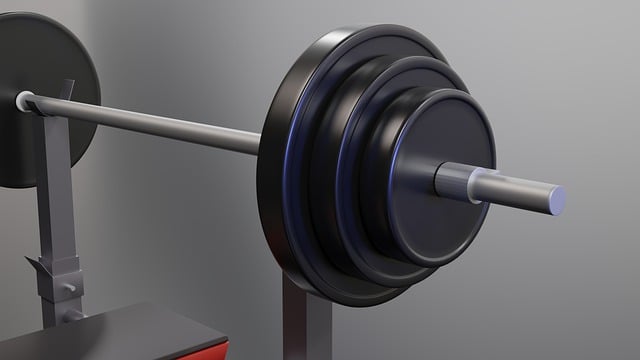
While resistance training is a generally safe and beneficial activity for most individuals, its specific impact on appetite-regulating hormones is a physiological process that occurs within a broader health context. Certain pre-existing conditions or individual circumstances warrant professional medical consultation before initiating or significantly altering a resistance training program with appetite or weight management as a primary goal.
Key Populations for Medical Consultation
Individuals with the following conditions should consult a physician or relevant specialist (e.g., cardiologist, endocrinologist, physiatrist) before beginning resistance training:
- Cardiovascular Disease: This includes diagnosed coronary artery disease, heart failure, uncontrolled hypertension, or a history of arrhythmias. Exercise increases cardiac demand, and a tailored program is essential.
- Uncontrolled Metabolic Disorders: Individuals with type 1 or type 2 diabetes, especially if poorly controlled, require guidance on managing blood glucose around exercise, as training can affect insulin sensitivity and glucose uptake.
- Musculoskeletal Injuries or Disorders: Those with acute injuries, chronic joint pain (e.g., severe osteoarthritis), osteoporosis, or recent surgeries need a modified program to avoid exacerbating their condition.
- Kidney Disease: Patients with chronic kidney disease must be cautious with protein intake and hydration, factors often discussed alongside training and appetite hormones.
Clinical Insight: From a clinical perspective, the primary safety concern is rarely the hormonal response itself, but the physical stress of training on an underlying condition. A healthcare professional can help differentiate between normal post-exercise sensations and warning signs. Furthermore, for individuals with a history of eating disorders, focusing on appetite hormones can be counterproductive and potentially harmful, reinforcing obsessive patterns. In such cases, psychological support is paramount.
Medication Interactions and Monitoring
Resistance training can interact with certain medications. For example, it can potentiate the blood glucose-lowering effects of insulin or certain diabetes medications, increasing hypoglycemia risk. It may also affect blood pressure medication requirements. A review of your current medications with a doctor or pharmacist is prudent.
It is also important to recognize the current evidence on resistance training and appetite hormones. While multiple studies show promising acute and chronic modulations in hormones like ghrelin, GLP-1, and leptin, the long-term clinical significance for weight management is still being elucidated. The response can be highly individual, influenced by genetics, training status, and dietary context.
Practical Takeaway: If you are new to exercise, are over 45, have any known chronic health conditions, or take prescription medications, scheduling a pre-participation health screening is a responsible first step. This ensures your resistance training program is safe, effective, and appropriately aligned with your overall health management plan.
6. Questions & Expert Insights
Does resistance training reduce appetite more than cardio?
The evidence suggests resistance training and cardio (aerobic exercise) may influence appetite hormones through different, complementary pathways. High-intensity cardio, especially in shorter bursts, can acutely suppress hormones like ghrelin and increase peptides like peptide YY (PYY) and glucagon-like peptide-1 (GLP-1) more immediately post-exercise in some studies. Resistance training's primary benefit appears to be its long-term role in increasing lean muscle mass. More muscle mass can improve metabolic rate and insulin sensitivity, which may help regulate hunger signals like leptin over time. Therefore, framing it as a competition is less useful than understanding their synergy: cardio may offer more acute appetite modulation, while resistance training builds a metabolic foundation for better long-term regulation. A combined exercise program is often the most evidence-based approach for overall metabolic health.
How long does it take to see changes in appetite hormones from weight training?
Timelines are variable and depend on training consistency, intensity, and individual physiology. Acute studies show transient changes in hormones like ghrelin immediately after a single session, but these are short-lived. For more sustained, adaptive changes in the hormonal environment—such as improved leptin sensitivity or baseline shifts in PYY—a commitment of several weeks to months is typically required. Most controlled trials demonstrating significant effects monitor participants for 8 to 12 weeks of consistent, progressive resistance training (2-3 sessions per week). It's crucial to manage expectations: these hormonal changes are often subtle contributors to a reduced drive to eat, not an "off-switch" for appetite. The benefits accumulate alongside other adaptations like increased strength and muscle mass.
Who should be cautious or avoid using resistance training for appetite control?
While generally safe for most, this specific goal requires caution for certain populations. Individuals with a history of eating disorders should avoid focusing on exercise for appetite suppression, as it can exacerbate disordered patterns. Those with poorly controlled hypertension, unstable cardiovascular conditions, or severe osteoporosis require medical clearance and tailored programming to avoid injury. People with kidney disease need guidance, as high protein intake often paired with muscle-building can stress renal function. Furthermore, anyone experiencing unexplained weight loss or loss of appetite should consult a doctor before starting, as these could be symptoms of an underlying condition. Resistance training is a tool for health, not a substitute for medical care.
When should I talk to my doctor, and what should I discuss?
Consult a physician or a registered dietitian/sports medicine specialist before starting if you have any chronic health conditions (e.g., diabetes, heart disease, arthritis) or are new to intense exercise. Bring a clear summary of your planned routine (frequency, exercises, intensity). Crucially, discuss your specific goal of using exercise to manage appetite. This allows your doctor to:
- Rule out medical causes of increased appetite (e.g., thyroid issues, medication side effects).
- Assess the safety of your diet plan, especially if you plan to increase protein or restrict calories.
- Provide referrals to qualified professionals (e.g., physical therapist for form, dietitian for nutrition).
- Help interpret conflicting information you've encountered, grounding your plan in evidence.
7. In-site article recommendations
8. External article recommendations
9. External resources
The links below point to reputable medical and evidence-based resources that can be used for further reading. Always interpret them in the context of your own situation and your clinician’s advice.
-
mayoclinic mayoclinic.orgresistance training – Mayo Clinic (search)
-
examine examine.comresistance training – Examine.com (search)
-
healthline healthline.comresistance training – Healthline (search)
These external resources are maintained by third-party organisations. Their content does not represent the editorial position of this site and is provided solely to support readers in accessing additional professional information.