
1. Introduction: The Importance of Chia Seed Preparation for Optimal Health
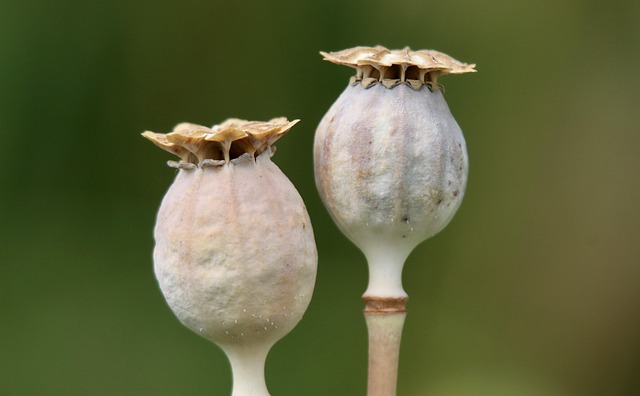
Chia seeds (Salvia hispanica L.) are widely recognized as a nutrient-dense food, with a robust evidence base supporting their content of dietary fiber, alpha-linolenic acid (ALA, an omega-3 fatty acid), protein, and various micronutrients. Their consumption is associated with several potential health benefits, including improved satiety, modest reductions in postprandial blood glucose, and support for cardiovascular health, primarily attributed to their soluble fiber content. However, the physiological benefits are not automatic; they are contingent upon proper preparation to maximize nutrient bioavailability and digestibility.
A common oversight in many recipes and dietary recommendations is the treatment of chia seeds as a simple, ready-to-eat ingredient. Consuming them dry, without adequate hydration, can limit their functional potential and, for some individuals, lead to gastrointestinal discomfort or even pose a risk of esophageal obstruction, particularly in individuals with pre-existing swallowing difficulties.
The core principle for unlocking chia's nutritional value lies in understanding its unique hydrocolloidal properties. When exposed to liquid, the soluble fiber in the seed's outer layer forms a mucilaginous gel. This process is critical for:
- Enhanced Nutrient Absorption: The gel matrix can slow digestion, potentially improving the absorption of nutrients like ALA.
- Improved Digestive Tolerance: Pre-soaking initiates the breakdown of compounds that can be difficult to digest, reducing the likelihood of bloating or gas.
- Functional Utility: The gel acts as a thickener and stabilizer, which is the basis for its use in puddings, egg replacements, and as a source of sustained-release energy.
While the general advice to soak chia seeds is well-supported by food science principles, it is important to note that high-quality, long-term human studies directly comparing the health outcomes of soaked versus unsoaked chia consumption are limited. Most evidence is derived from studies that utilize prepared chia gel or ground seeds.
Clinical Consideration: Individuals with a history of dysphagia, esophageal strictures, or significant gastrointestinal disorders such as inflammatory bowel disease (IBD) during a flare-up should exercise particular caution. Always consume chia seeds with ample fluid or pre-soaked. Furthermore, due to their high fiber content, a gradual introduction to the diet is advised to assess tolerance. Those on medication or with conditions affecting fluid balance (e.g., kidney disease) should consult a physician, as chia seeds absorb significant amounts of water.
This chapter establishes why preparation methodology is not a minor culinary detail but a significant factor influencing the nutritional efficacy and safety of incorporating chia seeds into a health-conscious diet. The following sections will detail the evidence-based protocols for optimal preparation.
2. Mechanisms and Evidence: How Chia Seed Absorption Works
The unique nutritional benefits of chia seeds are unlocked through their capacity to absorb water, a process governed by their high concentration of soluble fiber, primarily mucilage. When exposed to liquid, the seed's outer layer releases polysaccharides that form a hydrophilic gel matrix. This gel encapsulates the seed, slowing digestion and creating a physical barrier that influences the release and absorption of nutrients.
The primary mechanisms by which this affects nutrient bioavailability include:
- Delayed Gastric Emptying: The gel increases the viscosity of stomach contents, which can slow the rate at which food passes into the small intestine. This is associated with more stable postprandial blood glucose levels, a finding supported by several human trials.
- Modified Nutrient Absorption: The viscous gel can physically trap macronutrients like carbohydrates and fats, potentially reducing the rate of their enzymatic breakdown and absorption in the gut.
- Prebiotic Effect: The soluble fiber resists digestion in the upper GI tract and serves as a fermentable substrate for beneficial colonic bacteria, supporting short-chain fatty acid production.
The evidence for these mechanisms is robust in certain areas and preliminary in others. Clinical studies consistently demonstrate chia seeds' effect on postprandial glycemia and satiety, particularly when the seeds are pre-hydrated. However, direct evidence for significantly enhanced absorption of their own micronutrients (like calcium or magnesium) due to gel formation is more limited and often extrapolated from in vitro studies or research on other viscous fibers.
Clinical Insight: From a nutritional perspective, the gel's primary validated benefit is its modulation of digestion kinetics, not a dramatic amplification of nutrient uptake. For individuals with dysphagia or significant gastrointestinal motility disorders, the thickened consistency of hydrated chia requires caution. Furthermore, the high fiber content necessitates adequate fluid intake to avoid intestinal blockage.
It is important for certain individuals to consult a healthcare provider before significantly increasing chia seed intake. This includes those with a history of swallowing difficulties, esophageal strictures, inflammatory bowel disease flare-ups, or those taking medications where timing of absorption is critical, as the gel may theoretically delay drug uptake.
3. Risks and Populations to Avoid: Clinical Considerations
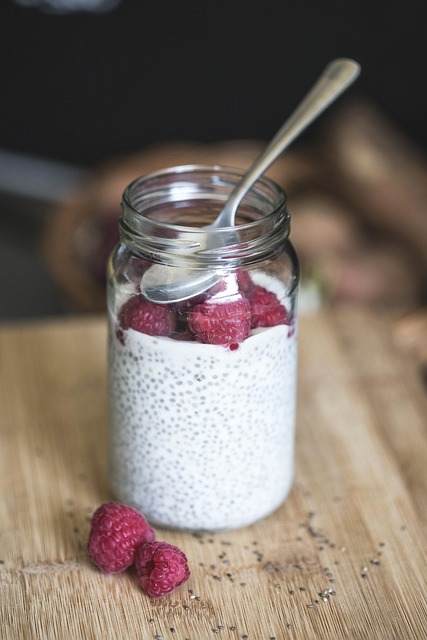
While chia seeds are generally safe for most people when consumed as part of a balanced diet, certain clinical considerations and potential risks warrant careful attention. A responsible approach requires understanding who may need to exercise caution or avoid them entirely.
Primary Gastrointestinal and Mechanical Risks
The most common adverse effects are gastrointestinal, primarily linked to their high soluble fiber content. Consuming a large quantity of dry seeds without adequate fluid can pose a significant risk. The seeds absorb many times their weight in water, which in the esophagus or digestive tract can lead to:
- Esophageal obstruction or impaction: Case reports document this in individuals with pre-existing swallowing difficulties or those consuming a spoonful of dry seeds followed by insufficient water.
- Severe abdominal discomfort, bloating, or constipation: This occurs with a rapid, high-fiber intake, especially in individuals not accustomed to it.
The evidence for these mechanical risks is strong, though the incidence is low. The preventive measure is unequivocal: always consume chia seeds that have been pre-soaked or thoroughly mixed into a wet food like yogurt, oatmeal, or smoothies.
Clinical Insight: From a gastroenterology perspective, the risk isn't the chia seed itself, but its dramatic hydration property in a confined space. Patients with a history of strictures, dysphagia, or motility disorders should be particularly vigilant about pre-soaking. Introducing any high-fiber food gradually is a universal principle to minimize bloating.
Populations Requiring Specific Caution
Certain groups should consult a healthcare provider before making chia seeds a dietary staple:
- Individuals on blood-thinning medications (e.g., warfarin): Chia seeds are rich in vitamin K and alpha-linolenic acid (ALA). While data on clinically significant interaction is limited, a sudden, consistent increase in vitamin K intake can potentially interfere with anticoagulation stability. Patients should discuss this with their doctor to ensure consistent dietary vitamin K intake.
- Those with a history of prostate cancer or elevated PSA: Some preliminary and mixed observational studies have suggested a possible link between high intake of ALA (the omega-3 in chia) and prostate cancer risk. The evidence is not conclusive, but it warrants a discussion with an oncologist or urologist for those with relevant risk factors.
- People with diagnosed food allergies: Allergic reactions to chia seeds are rare but documented. Those with known allergies to mustard seeds or sesame seeds may have a higher risk of cross-reactivity.
- Individuals with low blood pressure: Anecdotal reports and limited animal studies suggest chia may have a hypotensive effect. Those with already low blood pressure or on antihypertensive medications should monitor their levels.
The overarching recommendation is clear: if you have a chronic medical condition, are on medication, or are pregnant, it is prudent to seek personalized advice from a physician or registered dietitian before significantly altering your intake of chia seeds or any concentrated food.
4. Practical Evidence-Based Tips for Enhancing Absorption
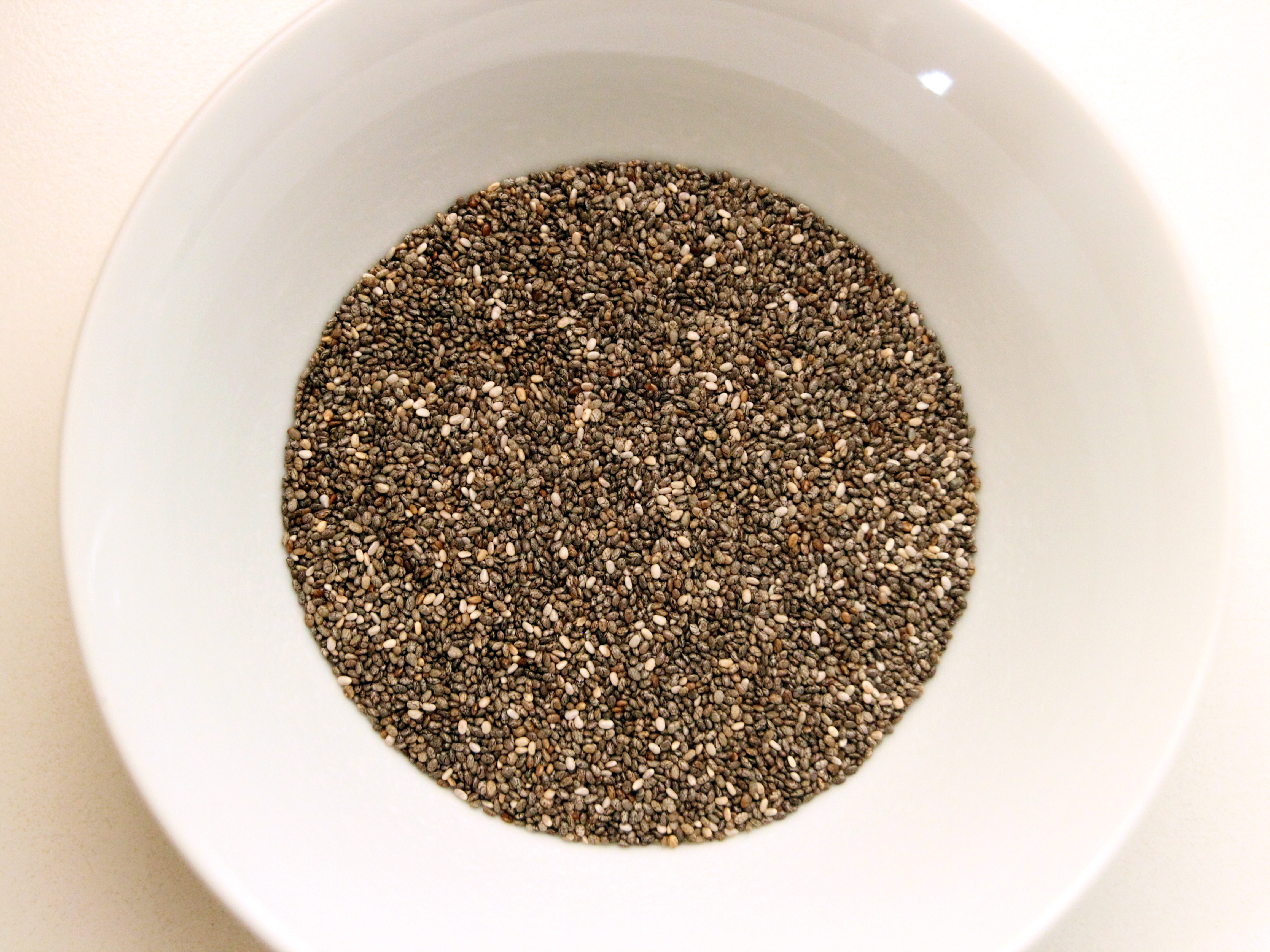
To maximize the nutritional benefits of chia seeds, the method of preparation is critical. The primary goal is to enhance the bioavailability of their key nutrients—omega-3 fatty acids (in the form of alpha-linolenic acid, or ALA), minerals like calcium and iron, and soluble fiber. The evidence supporting specific techniques varies in strength, but a consistent, practical approach can be recommended.
1. Hydrate Before Consumption
This is the most strongly supported and essential step. Consuming dry, whole chia seeds carries a risk of esophageal obstruction, especially for individuals with swallowing difficulties. More importantly, soaking chia seeds forms a hydrophilic gel. This gel-making process is believed to improve the digestibility and absorption of the nutrients encapsulated within the seed matrix by partially breaking down anti-nutrients like phytic acid.
- Method: Soak 1 part chia seeds in at least 8-10 parts liquid (water, milk, or plant-based milk) for 15-30 minutes, or ideally overnight in the refrigerator.
- Evidence: The gelation property is well-documented. The impact on mineral bioavailability is supported by in vitro studies and general principles of food science, though more direct human studies are beneficial.
2. Grind for Omega-3 Absorption
While the soluble fiber benefits from whole, soaked seeds, the absorption of ALA (the plant-based omega-3) is significantly enhanced by grinding. Whole seeds may pass through the digestive tract intact, limiting the release of their internal oils.
- Method: Use a clean coffee or spice grinder to create chia seed meal. Incorporate it into smoothies, yogurt, or baked goods immediately after grinding to prevent oxidation of the delicate fats.
- Evidence: This is a well-established principle for flaxseeds and is logically extended to chia due to their similar hard seed coat. Human studies specifically on ground vs. whole chia absorption are limited but mechanistically sound.
3. Pair with Vitamin C for Iron
Chia seeds contain non-heme iron, the plant-based form that is less readily absorbed than heme iron from animal sources. The presence of vitamin C can convert iron into a more absorbable form, counteracting the inhibitory effects of phytic acid.
- Method: Consume soaked or ground chia seeds with vitamin C-rich foods (e.g., citrus fruits, strawberries, bell peppers, broccoli).
- Evidence: The enhancing effect of vitamin C on non-heme iron absorption is one of the most robust findings in nutritional science.
Clinical Consideration: Individuals with a history of dysphagia, esophageal strictures, or inflammatory bowel disease (particularly with strictures) should consume chia seeds only in a fully gelled form and with ample fluid. Those on blood-thinning medications or with upcoming surgery should consult a physician, as high omega-3 intake may have mild anticoagulant effects. The high fiber content requires adequate water intake and a gradual introduction to avoid gastrointestinal discomfort.
In practice, combining these methods—using ground chia seeds soaked overnight in a vitamin C-rich liquid like orange juice—provides a synergistic approach to nutrient absorption based on the best available evidence.
5. Safety Precautions and When to Consult a Healthcare Provider
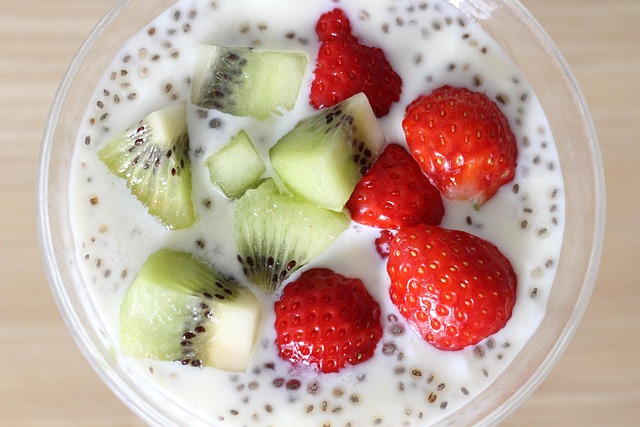
While chia seeds are generally recognized as safe for most adults when consumed in typical food amounts, their unique physical properties and nutrient profile necessitate specific safety considerations. A clinically responsible approach requires understanding potential interactions and contraindications.
Key Safety Considerations
The primary safety concern with chia seeds is their capacity to absorb up to 10–12 times their weight in liquid, forming a gel. Consuming dry seeds without adequate hydration poses a risk of esophageal obstruction, particularly for individuals with swallowing difficulties or a history of strictures. Always consume chia seeds that have been pre-soaked or are thoroughly mixed into a wet food like yogurt or smoothies.
From a pharmacological perspective, the high soluble fiber content (about 11 grams per ounce) can interfere with the absorption of certain oral medications. The gel-forming fiber may slow gastric emptying and bind to drugs, reducing their efficacy.
- Medication Timing: Take prescription medications at least 1–2 hours before or 4–6 hours after consuming a significant amount of chia seeds.
- Dosage Increase: Introduce chia seeds gradually (e.g., starting with 1 teaspoon daily) to allow the gastrointestinal system to adapt and minimize bloating or cramping.
- Allergy Awareness: Though rare, allergic reactions to chia seeds are possible, particularly in individuals allergic to mustard seeds or sesame seeds.
Clinical Insight: In practice, the most common adverse effects I see are gastrointestinal discomfort from a sudden, large increase in fiber intake and concerns from patients on blood thinners like warfarin. While the vitamin K content in chia seeds is not exceptionally high, consistency in daily intake is key for patients on such medications to maintain stable INR levels. A sudden, large addition to the diet could be disruptive.
When to Consult a Healthcare Provider
Certain individuals should seek personalized medical advice before making chia seeds a regular part of their diet. This is not based on high-risk evidence but on prudent precaution given individual health states.
- Individuals with diagnosed gastrointestinal disorders such as Crohn's disease, ulcerative colitis, or a history of bowel obstructions.
- Patients with significant kidney impairment, as the seeds contain notable amounts of phosphorus and potassium, which these patients may need to restrict.
- Those taking medications for diabetes, high blood pressure, or blood thinning (anticoagulants/antiplatelets), as chia seeds may potentiate effects, requiring dosage monitoring.
- Individuals with a history of dysphagia (swallowing difficulties) or esophageal issues.
- Anyone planning to undergo surgery, due to the theoretical risk of affecting blood sugar and blood pressure levels during the perioperative period.
In summary, chia seeds are a nutritious food, but their integration into a diet should be mindful and individualized. When in doubt regarding interactions with existing health conditions or medications, a consultation with a physician or registered dietitian is the most evidence-based step.
6. Questions & Expert Insights
Is soaking chia seeds really necessary for better absorption, or is it just a trend?
The recommendation to soak chia seeds is grounded in their unique physical properties, not merely a trend. Dry chia seeds are hydrophilic, absorbing 10-12 times their weight in liquid. When consumed dry, they begin this absorption process in the gastrointestinal tract, which can theoretically pull water from the gut and potentially lead to discomfort or constipation for some individuals. Soaking them creates a gel (mucilage) by partially breaking down the soluble fiber, which may ease digestion and allow for a more gradual nutrient release. While direct comparative human studies on nutrient bioavailability from soaked versus dry seeds are limited, the mechanical and digestive rationale is sound. For most people, consuming soaked seeds is a prudent practice to minimize gastrointestinal side effects and may support smoother digestion of their dense fiber and nutrient content.
What are the potential risks or side effects of increasing chia seed intake?
While chia seeds are nutrient-dense, a rapid or excessive increase in intake carries specific risks. The most common issue is gastrointestinal distress—bloating, gas, and constipation or diarrhea—due to the sudden surge in fiber (approximately 10 grams per ounce). There is also a risk of esophageal obstruction if dry seeds are swallowed without sufficient liquid, as they can form a gel and expand in the throat. For individuals on blood-thinning medications like warfarin, the vitamin K content (though modest) requires consistent daily intake to avoid interfering with medication dosing. Furthermore, due to their high alpha-linolenic acid (ALA) content, theoretical concerns exist about excessive consumption affecting prostate cancer risk or immune function, though human data is inconclusive. The key is to start with a small amount (e.g., one teaspoon) and increase gradually with plenty of water.
Who should be cautious or avoid making chia seeds a dietary staple?
Certain populations should exercise caution. Individuals with a history of swallowing difficulties, esophageal strictures, or inflammatory bowel disease (IBD) during a flare-up should avoid dry seeds and may need to limit even gelled seeds, as the fiber can be irritating. Those with diagnosed diverticulitis are often advised to avoid small seeds, though modern guidelines are shifting; consultation with a gastroenterologist is essential. People with kidney disease requiring phosphorus restriction should note that chia seeds are high in this mineral. Anyone with a known allergy to sesame or mustard seeds, which are in the same botanical family, should be wary of potential cross-reactivity. Lastly, individuals with a history of eating disorders or those on very low-calorie diets should be mindful, as the high fat and calorie density, while healthy, can contribute to an unbalanced focus on "superfoods."
When should I talk to my doctor or a dietitian about incorporating chia seeds?
Consult a healthcare professional before significantly increasing chia intake if you have a chronic medical condition or take regular medications. This is crucial for individuals with kidney disease, IBD (Crohn's disease, ulcerative colitis), a history of bowel obstructions, or those on medications for diabetes (as fiber affects blood sugar), high blood pressure, or blood thinners. Before your appointment, prepare a brief summary: note your current typical fiber intake, the amount and form (dry/soaked) of chia seeds you plan to use, and a complete list of your medications and supplements. This information allows your doctor or registered dietitian to provide personalized advice, assess for potential interactions, and help you integrate the seeds safely into a balanced diet rather than relying on them as a singular solution.
7. In-site article recommendations
8. External article recommendations
9. External resources
The links below point to reputable medical and evidence-based resources that can be used for further reading. Always interpret them in the context of your own situation and your clinician’s advice.
-
wikipedia wikipedia.orgchia seed absorption – Wikipedia (search)
-
healthline healthline.comchia seed absorption – Healthline (search)
-
mayoclinic mayoclinic.orgchia seed absorption – Mayo Clinic (search)
These external resources are maintained by third-party organisations. Their content does not represent the editorial position of this site and is provided solely to support readers in accessing additional professional information.