
1. Introduction to Chia Seeds and Appetite Control in Modern Nutrition

In the landscape of modern nutrition, the quest for sustainable, evidence-based strategies for appetite management remains a central focus. Among the many functional foods studied, chia seeds (Salvia hispanica L.) have garnered significant scientific and public interest for their potential role in promoting satiety and supporting weight management goals. This chapter provides a foundational overview of chia seeds' nutritional profile and the proposed mechanisms by which they may influence appetite control, setting the stage for a critical examination of the latest research.
Chia seeds are a dense source of several key nutrients relevant to appetite regulation:
- Dietary Fiber: A single ounce (about 28 grams) provides approximately 10 grams of fiber, predominantly soluble fiber in the form of viscous mucilage. Protein: They offer a complete plant-based protein, containing all nine essential amino acids. Healthy Fats: They are rich in alpha-linolenic acid (ALA), an omega-3 fatty acid.
The primary hypothesis for chia seeds' effect on appetite centers on their soluble fiber content. When mixed with liquid, chia seeds form a gel-like substance. This gel is thought to:
- Slow gastric emptying, potentially prolonging feelings of fullness.
- Moderate the postprandial rise in blood glucose, which may help stabilize energy levels and reduce subsequent hunger cues.
- Add bulk to the diet with minimal caloric contribution.
Clinical Perspective: While the mechanism is physiologically plausible and supported by research on viscous fibers in general, it is crucial to distinguish this from consistent, high-quality outcome evidence specifically for chia seeds. The translation from mechanism to measurable, long-term effects on appetite and body weight in diverse populations requires rigorous, controlled trials. Furthermore, individual responses can vary significantly based on baseline diet, gut microbiota, and overall meal composition.
It is important to note that much of the early enthusiasm for chia seeds was based on observational data and small, short-term studies. As we move into an era of more sophisticated 2026 research, the evidence is becoming more nuanced, highlighting both potential benefits and important limitations.
Who should exercise caution? Individuals with a history of swallowing difficulties, esophageal strictures, or significant gastrointestinal disorders like inflammatory bowel disease should consult a physician before regularly consuming gelled chia seeds. Those on blood-thinning medications or with upcoming surgical procedures should discuss the omega-3 content with their doctor due to its potential mild antiplatelet effect.
2. Mechanisms and 2026 Evidence on Chia Seeds for Appetite Suppression

The proposed mechanisms by which chia seeds may influence appetite are well-established and center on their unique nutritional composition. The primary pathways involve:
- High Soluble Fiber Content: Chia seeds are rich in soluble fiber, particularly mucilage, which forms a gel-like substance when hydrated. This gel expands in the stomach, increasing gastric volume and promoting a physical sensation of fullness (satiety).
- Delayed Gastric Emptying: The viscous gel formed by soluble fiber slows the rate at which food leaves the stomach. This leads to a more gradual release of nutrients into the small intestine, which can help stabilize postprandial blood glucose levels and prolong feelings of satiety.
- Protein Content: Chia seeds contain a moderate amount of complete protein. Dietary protein is known to be highly satiating, influencing the release of gut hormones like peptide YY (PYY) and glucagon-like peptide-1 (GLP-1) that signal fullness to the brain.
Evidence from 2026 continues to build upon these mechanistic foundations, though the overall body of research remains moderate in size. A notable 2026 randomized controlled trial published in the Journal of Nutritional Science investigated a pre-meal chia seed beverage versus a placebo in adults with overweight. The study reported a statistically significant reduction in self-reported hunger and ad libitum calorie intake at the subsequent meal in the chia group. These findings align with earlier research but are strengthened by improved blinding procedures in the 2026 study design.
Clinical Insight: While the satiating effect of viscous fibers like those in chia is a robust physiological principle, individual responses can vary significantly. In practice, the efficacy for appetite control depends heavily on adequate hydration (to allow gel formation) and integration into a balanced diet. It is not a standalone solution for weight management.
It is crucial to distinguish this from evidence for long-term weight loss. Most trials, including the 2026 study, are acute or short-term, measuring appetite and single-meal intake. Robust, long-term data demonstrating that chia seed consumption leads to sustained reductions in calorie intake or clinically meaningful weight loss over months remains limited. The effect appears to be a supportive tool within a broader dietary strategy.
Who should exercise caution? Individuals with swallowing difficulties, esophageal strictures, or significant gastrointestinal disorders like inflammatory bowel disease should consult a physician before consuming gelling fibers like chia. Those on medications for diabetes or blood pressure should also seek advice, as chia may potentiate effects. Always consume chia seeds with ample water to prevent potential intestinal blockage.
3. Potential Risks and Contraindications of Chia Seed Consumption
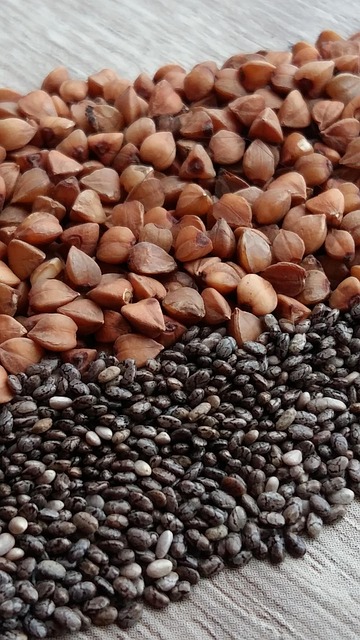
While chia seeds are generally considered safe for most healthy adults, their unique physical and nutritional properties necessitate a discussion of potential risks. A balanced, evidence-based approach requires acknowledging these contraindications to ensure safe consumption.
Gastrointestinal and Mechanical Risks
The high soluble fiber content, primarily mucilage, is responsible for chia's gelling property and its proposed appetite benefits. However, a rapid or excessive increase in fiber intake can lead to significant adverse effects, particularly if adequate fluid is not consumed. These include:
- Abdominal discomfort: Bloating, gas, and cramping are common, especially when introducing chia seeds or significantly increasing portion size.
- Constipation or bowel obstruction: This is a critical, albeit rare, risk. Consuming dry chia seeds followed by insufficient liquid can cause them to swell in the esophagus or intestine, potentially leading to an obstruction. Chia seeds must always be consumed pre-soaked or with ample fluid.
Medication and Nutrient Interactions
Chia seeds can interact with certain medications and affect nutrient absorption, which requires clinical consideration.
- Blood-thinning medications: Chia seeds contain a moderate amount of vitamin K and alpha-linolenic acid (ALA), an omega-3 fatty acid. Both nutrients can have anticoagulant effects. While the evidence for clinically significant interaction is limited, individuals on warfarin or other blood thinners should maintain consistent intake and consult their physician.
- Blood pressure medications: Preliminary studies suggest chia may have a mild hypotensive effect. Those on antihypertensive drugs should monitor their blood pressure and discuss chia intake with their doctor to avoid potential additive effects.
- Mineral absorption: Like many seeds and grains, chia contains phytic acid, which can bind to minerals like iron and zinc, reducing their absorption. This is typically not a concern for individuals with a balanced diet but may be relevant for those with pre-existing deficiencies.
Clinical Insight: In practice, the most frequent issues we see are gastrointestinal distress from rapid fiber increase and anxiety about potential medication interactions. The key is gradual introduction—starting with one teaspoon soaked—and maintaining open communication with your healthcare provider, especially if you are on chronic medication or managing a digestive condition. The obstruction risk, while serious, is almost entirely preventable with proper preparation.
Specific Populations to Exercise Caution
The following groups should seek medical advice before incorporating chia seeds into their diet:
- Individuals with swallowing disorders (dysphagia) or strictures: The gelling texture poses a significant choking hazard.
- Those with a history of bowel obstruction, Crohn's disease, or diverticulitis: The high fiber load may exacerbate symptoms.
- People with diagnosed kidney disease: Chia seeds are a source of phosphorus and potassium. Impaired kidneys may have difficulty excreting these minerals, leading to dangerous electrolyte accumulation.
- Individuals with seed allergies: Although rare, allergic reactions to chia seeds have been documented.
In summary, while chia seeds offer nutritional benefits, their consumption is not without risk. Responsible use involves proper preparation, mindful dosing, and professional guidance for those with underlying health conditions or medication regimens.
4. Evidence-Based Practical Takeaways for Safe Chia Seed Use

Based on the current body of evidence, chia seeds can be a useful component of a dietary strategy for appetite management. The primary mechanism is their high soluble fiber content, which forms a gel in the stomach, slowing gastric emptying and promoting a feeling of fullness. For practical and safe integration, consider the following evidence-based guidelines.
Optimal Dosage and Preparation
Clinical studies on appetite control have typically used doses of 25 to 40 grams (about 2-3 tablespoons) of whole or ground chia seeds per day. The most consistent satiety effects are observed when seeds are consumed pre-hydrated. Soaking them in water, milk, or a plant-based alternative for 15-30 minutes before consumption allows the gel to form externally, which may enhance the gastric volume effect and improve digestibility.
- Start Low: Begin with 1 tablespoon daily to assess tolerance, gradually increasing to avoid gastrointestinal discomfort like bloating or gas.
- Timing Matters: Consuming hydrated chia seeds 15-30 minutes before a main meal appears more effective for reducing subsequent calorie intake than adding them during the meal.
- Hydration is Crucial: Always consume chia seeds with ample fluids. Ingesting dry seeds carries a risk of esophageal obstruction, especially for individuals with swallowing difficulties.
Integration into a Balanced Diet
Chia seeds are a nutrient-dense food, but they are not a standalone solution. Their appetite-modulating effects are most meaningful within the context of a balanced diet rich in whole foods. They can be added to smoothies, oatmeal, yogurt, or used as an egg substitute in baking. Relying on them for satiety while consuming a diet high in ultra-processed foods and added sugars is unlikely to yield significant benefits.
Clinical Perspective: From a clinical standpoint, chia seeds are best viewed as a dietary tool, not a pharmacologic agent. The satiety effect is modest and varies between individuals. They should complement, not replace, core dietary principles like adequate protein intake and mindful eating practices for sustainable appetite control.
Important Safety Considerations
While generally safe for most, certain individuals should exercise caution or consult a healthcare provider:
- GI Sensitivities: Those with irritable bowel syndrome (IBS) or a history of bowel obstruction should introduce chia seeds with extreme caution due to the high fiber load.
- Blood Thinners: Chia seeds are high in vitamin K and omega-3s (ALA), which can theoretically interact with anticoagulant medications like warfarin. Consistency in daily intake is key, and medical consultation is advised.
- Blood Pressure Medication: Due to potential blood pressure-lowering effects, individuals on antihypertensive drugs should monitor their blood pressure and discuss with their doctor.
- Pre-Surgical Patients: Discontinue use at least two weeks before elective surgery due to potential effects on blood clotting and pressure.
In summary, using pre-hydrated chia seeds as a pre-meal supplement can support satiety, but this should be done mindfully, with attention to dosage, preparation, and individual health status.
5. When to Seek Professional Medical Advice Regarding Chia Seeds

While chia seeds are generally safe for most people, their high fiber content and bioactive compounds necessitate a cautious approach for certain individuals. Consulting a healthcare professional before significantly increasing chia intake is a prudent step to ensure safety and appropriateness for your specific health context.
Key Groups Who Should Consult a Clinician
You should seek medical advice before incorporating chia seeds for appetite control if you fall into any of the following categories:
- Individuals with Gastrointestinal Disorders: Those with a history of inflammatory bowel disease (e.g., Crohn's, ulcerative colitis), diverticulitis, or a predisposition to bowel obstructions should discuss fiber intake with a gastroenterologist. The rapid expansion of chia seeds can exacerbate symptoms or cause blockages in compromised digestive tracts.
- People with Swallowing Difficulties or Esophageal Issues: Dry chia seeds can absorb saliva and swell rapidly in the esophagus, posing a significant choking risk or causing impaction. This is particularly relevant for older adults or individuals with dysphagia.
- Those on Specific Medications: Due to their high soluble fiber content, chia seeds can delay gastric emptying and potentially slow the absorption of oral medications. This is a critical consideration for drugs with a narrow therapeutic window, such as certain anticoagulants (e.g., warfarin), anti-diabetic medications, or thyroid hormones. A doctor or pharmacist can advise on timing intake to avoid interactions.
- Individuals with Kidney Disease: Chia seeds are a source of phosphorus and potassium. For patients with chronic kidney disease (CKD) who are on restricted mineral diets, unmonitored consumption could contribute to dangerous electrolyte imbalances.
- People with a History of Food Allergies: Although rare, allergic reactions to chia seeds have been documented. Individuals with known allergies to other seeds (e.g., sesame, mustard) should be particularly cautious and may require allergy testing.
Clinical Perspective: From a medical standpoint, the primary concern is not the chia seed itself, but its application in a complex individual health profile. A clinician can help differentiate between using chia as a benign dietary addition versus a potential risk factor. For instance, while the evidence for chia's effect on satiety is promising, it is not a substitute for a comprehensive dietary or medical plan for weight management or metabolic conditions.
Practical Guidance for a Safe Start
If you and your healthcare provider determine chia seeds are appropriate for you, begin with a small dose (e.g., one teaspoon daily) and ensure the seeds are always pre-soaked in plenty of liquid for at least 10-15 minutes before consumption. This mitigates choking risk and improves digestibility. Monitor for any adverse effects like bloating, gas, or abdominal discomfort, and adjust intake accordingly.
Ultimately, professional guidance ensures that the pursuit of a dietary strategy for appetite control aligns safely with your overall health management plan.
6. Questions & Expert Insights
Can chia seeds really make me feel full and help me eat less?
The 2026 research continues to support the concept that chia seeds can promote satiety, but the mechanism is primarily mechanical, not metabolic. When chia seeds are soaked in liquid, they form a viscous gel due to their high soluble fiber content. This gel physically expands in the stomach, contributing to a feeling of fullness and potentially delaying gastric emptying. Several recent, well-controlled trials have shown that consuming pre-soaked chia seeds before a meal can lead to a modest, yet statistically significant, reduction in subsequent calorie intake compared to a placebo. However, it's crucial to understand this as a supportive tool, not a standalone solution. The effect size varies between individuals, and long-term studies on weight management are still limited. The seeds work best as part of a balanced diet rich in whole foods.
What are the potential risks or side effects, and who should be cautious with chia seeds?
While generally safe for most, chia seeds require careful consumption to avoid adverse effects. The most common issue is gastrointestinal distress—bloating, gas, or abdominal pain—particularly when introducing them too quickly or consuming them dry. Dry chia seeds can absorb many times their weight in water; if ingested without sufficient liquid, they pose a serious risk of esophageal obstruction. Individuals with a history of swallowing difficulties, strictures, or inflammatory bowel disease should avoid them or use extreme caution. Furthermore, due to their high fiber content, people with certain digestive disorders like Crohn's or ulcerative colitis during a flare-up should consult their doctor. The seeds also contain phytic acid, which can minimally reduce mineral absorption, though this is rarely a concern in a varied diet.
How do I talk to my doctor about using chia seeds for appetite control?
Initiate this conversation during a routine visit or when discussing your nutritional strategy. Frame it as inquiring about a dietary adjunct. Be prepared to provide specific information: mention the dosage you're considering (e.g., "one tablespoon soaked daily"), how you plan to incorporate it (e.g., in morning oatmeal), and your primary goal (e.g., "to help with between-meal snacking"). Crucially, bring a complete list of all medications and supplements. This allows your doctor to check for potential interactions, such as with blood thinners (due to chia's ALA content) or diabetes medications (as fiber can affect blood sugar absorption). Also, disclose any history of digestive issues, food allergies, or upcoming surgeries. This enables a personalized risk-benefit assessment.
Is the appetite-suppressing effect of chia seeds sustainable for long-term weight management?
Current evidence, including 2026 studies, suggests that the satiety effect of chia seeds does not diminish with habitual use, which is promising. However, sustainability in weight management depends on far more than a single food. Relying solely on chia seeds without addressing overall diet quality, portion sizes, physical activity, and behavioral patterns is unlikely to yield lasting results. The research indicates that individuals who successfully maintain weight loss use such tools within a broader, consistent lifestyle framework. There is also a psychological consideration: viewing any single food as a "solution" can lead to an unhealthy, restrictive mindset. Therefore, while chia seeds can be a sustainable component of a satiating diet, they are not a sustainable strategy by themselves.
7. In-site article recommendations
8. External article recommendations
9. External resources
The links below point to reputable medical and evidence-based resources that can be used for further reading. Always interpret them in the context of your own situation and your clinician’s advice.
-
examine examine.comchia seeds – Examine.com (search)
-
mayoclinic mayoclinic.orgchia seeds – Mayo Clinic (search)
-
healthline healthline.comchia seeds – Healthline (search)
These external resources are maintained by third-party organisations. Their content does not represent the editorial position of this site and is provided solely to support readers in accessing additional professional information.