
1. Introduction to Chia Seeds in Detox Context

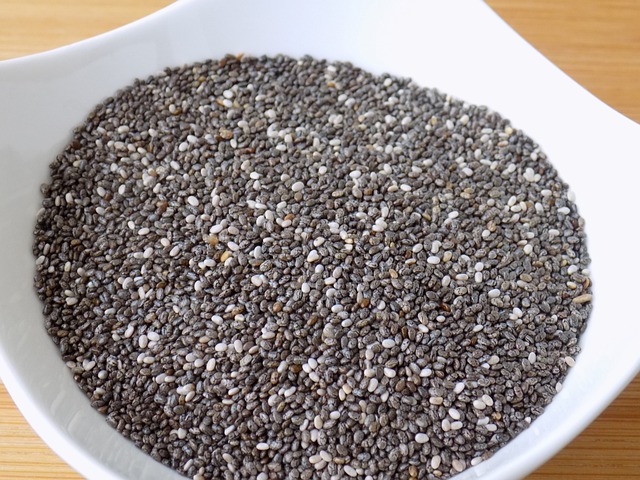
In the context of dietary wellness, the term "detox" often refers to dietary patterns intended to support the body's intrinsic detoxification systems—primarily the liver, kidneys, and digestive tract—by reducing processed food intake and increasing nutrient-dense, high-fiber foods. Chia seeds (Salvia hispanica L.) have gained prominence in such regimens not as a standalone "detox" agent, but as a functional food that can contribute to several physiological processes foundational to metabolic health.
The proposed benefits of chia seeds in this context are largely attributed to their unique nutritional composition:
- High Soluble Fiber: Chia seeds are exceptionally rich in soluble fiber, which forms a gel-like substance when hydrated. This can support digestive regularity and promote a feeling of fullness, which may aid in reducing the intake of less nutritious foods.
- Omega-3 Fatty Acids (ALA): They are one of the richest plant sources of alpha-linolenic acid (ALA), an essential fatty acid with noted anti-inflammatory properties. Chronic, low-grade inflammation can impede optimal metabolic function.
- Antioxidants: Chia seeds contain compounds like chlorogenic acid and caffeic acid, which may help mitigate oxidative stress, a contributor to cellular damage.
It is crucial to distinguish between strong evidence and areas requiring more research. Robust clinical data supports chia seeds' role in improving markers of cardiovascular health, such as lowering LDL cholesterol and blood pressure, and in modulating postprandial blood glucose levels. These effects indirectly support systemic health. However, direct, high-quality human trials specifically investigating "detox" outcomes—such as enhanced liver enzyme profiles or increased excretion of specific toxins—are limited. Their benefit in a detox dietary pattern is therefore best viewed as supportive, through the mechanisms of improved digestion, satiety, and provision of anti-inflammatory nutrients.
Clinical Perspective: From a medical standpoint, the body's detoxification pathways are complex and continuously active. No single food "detoxifies" the body. Instead, a balanced diet rich in fiber, antioxidants, and healthy fats supports the organs that perform these functions. Chia seeds can be a valuable component of such a diet, but they are not a substitute for medical treatment or a comprehensive healthy lifestyle.
Individuals with certain health conditions should exercise caution. Due to their high fiber content, introducing chia seeds too quickly can cause gastrointestinal discomfort. Those with a history of dysphagia (swallowing difficulties) must consume them fully hydrated to avoid a choking hazard. People on blood-thinning medications or with upcoming surgeries should consult a doctor, as the ALA in chia seeds may have a mild antiplatelet effect. As with any significant dietary change, consulting a physician or registered dietitian is advised, particularly for those with kidney disease, diabetes, or gastrointestinal disorders.
2. Evidence on Chia Seeds and Detox Mechanisms
The term "detox" in popular health culture often lacks a clear medical definition. In clinical terms, the body's primary detoxification systems are the liver, kidneys, gastrointestinal tract, and skin. The scientific evidence for chia seeds does not support the idea of a "cleanse" but does indicate they can support these natural physiological processes through specific nutritional mechanisms.
Key Mechanisms of Action
Chia seeds contribute to systemic health, and thus organ function, through three well-documented properties:
- High Soluble Fiber Content: Chia seeds are exceptionally rich in soluble fiber, which forms a gel when mixed with liquids. This gel can slow digestion, promote satiety, and help regulate blood sugar levels. Crucially, soluble fiber acts as a prebiotic, feeding beneficial gut bacteria. A healthy gut microbiome is increasingly understood to play a role in metabolizing and excreting various compounds.
- Supporting Regular Elimination: The combination of soluble and insoluble fiber in chia seeds adds bulk to stool and helps promote regular bowel movements. This mechanical action supports the body's natural elimination pathway, which is a core component of removing waste products.
- Providing Essential Nutrients: Chia seeds are a good source of omega-3 fatty acids (alpha-linolenic acid), protein, and minerals like magnesium and calcium. These nutrients are co-factors in countless enzymatic reactions, including those in the liver involved in phase I and phase II detoxification pathways. Adequate nutrition is fundamental for these systems to operate efficiently.
Limitations and Clinical Caveats
It is important to contextualize this evidence. Most studies on chia seeds examine isolated health parameters like lipid profiles or glycemic control, not a holistic "detox" outcome. The benefits are supportive and incremental, not acute or curative.
Clinical Perspective: From a medical standpoint, viewing chia seeds as a functional food that supports overall health is more accurate than attributing specific detoxifying properties to them. Their primary value lies in improving dietary fiber intake and nutrient density, which indirectly optimizes the body's inherent detoxification capacity. They are not a substitute for medical treatment in cases of actual toxin exposure or organ dysfunction.
Who Should Exercise Caution: Individuals with a history of swallowing difficulties, esophageal strictures, or significant gastrointestinal disorders like Crohn's disease or ulcerative colitis should introduce chia seeds cautiously and with ample fluid. Those on blood-thinning medications or with upcoming surgeries should consult a doctor due to chia's omega-3 content, which may have mild anticoagulant effects. Always increase fiber intake gradually to prevent bloating or gas.
3. Risks and Populations to Avoid
While chia seeds are a nutrient-dense food, incorporating them into a dietary plan, especially with a focus on "detoxification," requires a balanced and cautious approach. The concept of a "detox" is not a medically defined term, and the body's liver and kidneys are highly efficient at natural detoxification. The primary risks associated with chia seeds are not from the seeds themselves but from improper preparation, excessive consumption, or pre-existing health conditions.
Primary Gastrointestinal and Mechanical Risks
Chia seeds absorb 10–12 times their weight in water, forming a gel. Consuming dry seeds without adequate hydration can pose a significant choking hazard or lead to esophageal blockage. Always consume chia seeds that have been pre-soaked or mixed into a liquid where they can fully expand.
Even when prepared correctly, a sudden, large increase in fiber intake can cause:
- Abdominal bloating and discomfort
- Excessive gas
- Constipation or diarrhea
It is prudent to start with a small serving (e.g., one teaspoon) and gradually increase intake over several days while ensuring you drink plenty of water throughout the day.
Clinical Insight: From a gastroenterology perspective, the rapid introduction of high-fiber foods is a common trigger for functional GI symptoms. Patients with a history of dysphagia, gastroparesis, or strictures should be particularly vigilant about the gelling property of chia seeds and may need to avoid them entirely.
Populations Who Should Exercise Caution or Avoid
Certain individuals should consult a healthcare provider before regularly consuming chia seeds, particularly in concentrated forms like the recipes in this guide.
- Individuals on Blood-Thinning Medications: Chia seeds contain a moderate amount of vitamin K and alpha-linolenic acid (ALA), which may theoretically affect blood coagulation. Patients on warfarin (Coumadin) or similar anticoagulants should maintain consistent vitamin K intake and discuss chia seeds with their physician to avoid interfering with INR levels.
- Those with Kidney Disease or on Potassium-Restricted Diets: Chia seeds are a source of potassium and phosphorus. For individuals with compromised kidney function, managing electrolyte and mineral intake is critical, and high-potassium foods may need to be limited.
- People with Food Allergies: While rare, allergic reactions to chia seeds have been documented. Those with known allergies to mustard seeds or sesame seeds may have a higher risk of cross-reactivity.
- Individuals with a History of Eating Disorders: Any diet plan labeled as a "detox" or cleanse can potentially trigger restrictive eating patterns or relapse in vulnerable individuals. Focus should be on balanced nutrition rather than elimination.
- Those Preparing for Surgery: Due to the potential effects on blood sugar and coagulation, it is generally advised to stop consuming chia seeds at least two weeks before a scheduled surgical procedure.
The evidence supporting specific "detox" benefits of chia seeds is limited and primarily extrapolated from their nutritional profile. The most responsible approach is to view them as a healthy addition to a varied diet, not a curative or purifying agent. If you have any chronic health condition or take regular medication, a consultation with your doctor or a registered dietitian is strongly recommended before making significant dietary changes.
4. Practical Implementation and Recipe Guidance
Integrating chia seeds into a balanced diet can be a practical way to increase fiber, omega-3 fatty acids, and protein intake. The concept of a "detox" is often overstated in popular media; the body's liver and kidneys are highly efficient at this process. A more evidence-based approach is to use nutrient-dense recipes to support overall metabolic and digestive health. The following recipes are designed for simplicity and nutritional balance.
Four Simple, Balanced Recipes
These meals focus on whole-food ingredients. Remember to hydrate well, as chia seeds absorb significant water.
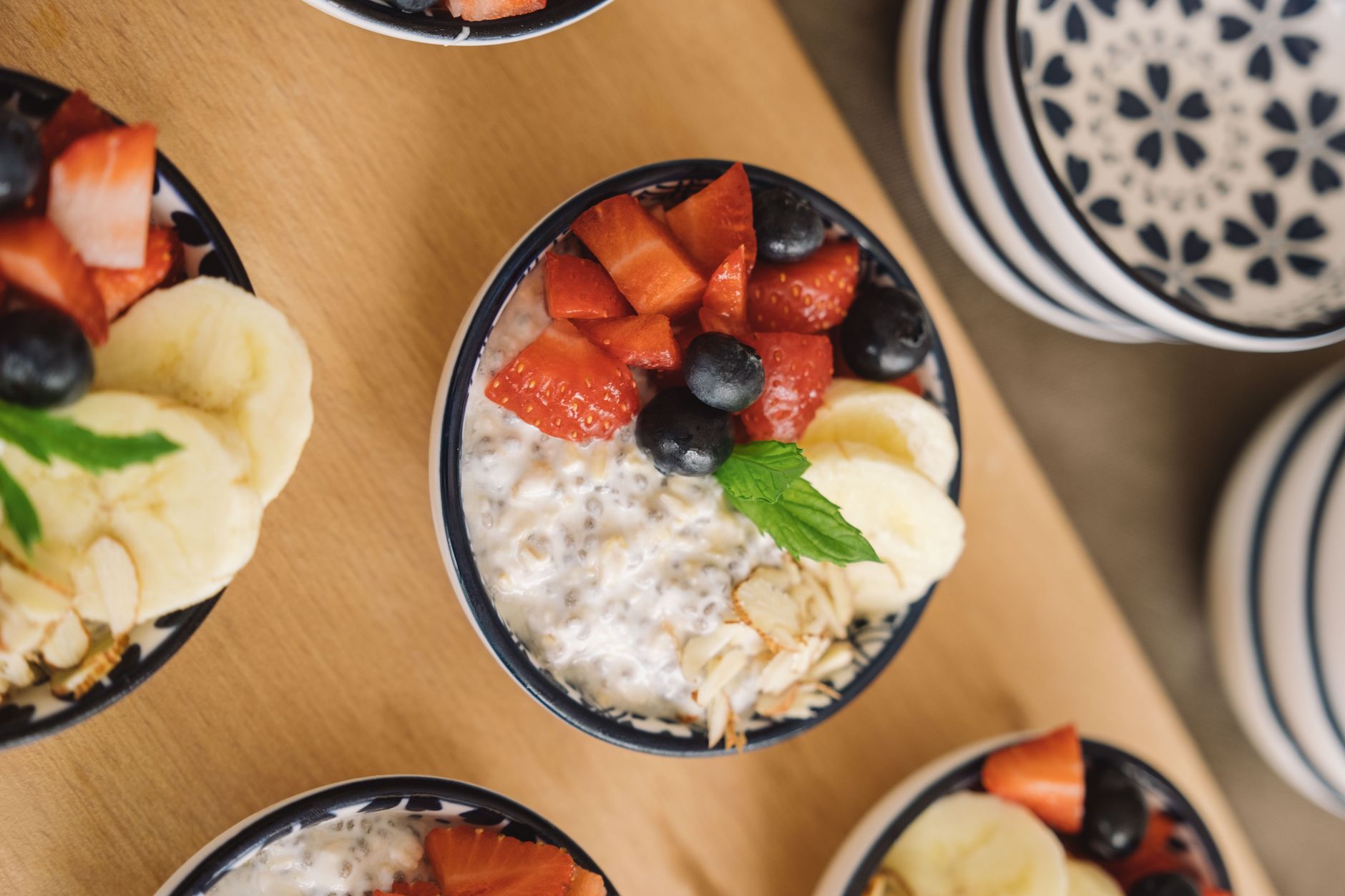
- Basic Overnight Chia Pudding: Combine 3 tablespoons of chia seeds with 1 cup of unsweetened almond milk (or milk of choice) and a half teaspoon of vanilla extract. Stir well, refrigerate overnight, and top with a handful of berries. This provides a high-fiber breakfast.
- Hydrating Lemon-Chia Infusion: Stir 1 tablespoon of chia seeds into a large glass of water. Let sit for 10 minutes until gel forms, then add fresh lemon juice. This can aid hydration but is not a substitute for medical rehydration solutions.
- Green Smoothie Booster: Add 1-2 tablespoons of chia seeds to your standard green smoothie (e.g., spinach, banana, plain yogurt). The seeds add thickness and help slow the absorption of sugars from the fruit.
- Seed & Nut Yogurt Parfait: Layer plain Greek yogurt with the prepared chia pudding, a sprinkle of nuts, and sliced fruit. This combines protein, healthy fats, and fiber for sustained energy.
Clinical Note on "Detox" and Safety: While these recipes are generally safe, individuals with a history of dysphagia (swallowing difficulties), esophageal strictures, or significant gastrointestinal disorders like Crohn's disease should use caution with dry or gel-forming seeds. Those on blood-thinning medications or with upcoming surgical procedures should consult a doctor, as chia seeds are high in vitamin K and omega-3s, which can affect coagulation. There is no high-quality evidence that specific food combinations "detoxify" the body beyond supporting its inherent functions.
For beginners, start with one recipe per day to assess tolerance. The high fiber content may cause bloating or gas initially; increasing intake gradually and ensuring adequate water consumption can mitigate this. These recipes are components of a varied diet, not a standalone protocol.
5. Safety Guidelines and Medical Consultation

Incorporating chia seeds into your diet can be a nutritious choice, but it is essential to approach any dietary change, especially one framed as a "detox," with clinical awareness and caution. The following guidelines are designed to help you do so safely.
Understanding "Detox" and Chia Seeds
The concept of a "detox" is often popularized in wellness circles, but it lacks a standard medical definition. The human body possesses highly efficient, intrinsic detoxification systems primarily involving the liver, kidneys, and gastrointestinal tract. There is no high-quality clinical evidence that specific foods or short-term diets "detoxify" the body beyond supporting these normal physiological functions.
Chia seeds are a source of fiber, omega-3 fatty acids, and protein. Their benefits, such as promoting satiety and supporting digestive regularity, are well-documented. However, these effects are part of a balanced diet, not a standalone purification process.
Clinical Perspective: From a medical standpoint, sustainable health is built on consistent dietary patterns, not short-term interventions. Viewing chia seed recipes as a way to add beneficial nutrients to your meals is a more evidence-based approach than expecting a transformative "detox" effect.
Key Safety Considerations
While generally safe for most people, chia seeds require mindful consumption due to their physical properties and nutrient profile.
- Hydration and Digestion: Chia seeds absorb 10–12 times their weight in water. Consuming them dry or without adequate fluid can pose a risk of esophageal obstruction. Always pre-soak chia seeds or consume them with plenty of liquid. Introduce them gradually to allow your digestive system to adjust to the increased fiber intake, which can otherwise cause bloating, gas, or abdominal discomfort.
- Blood Thinning and Blood Pressure: Chia seeds contain alpha-linolenic acid (ALA), a plant-based omega-3. High doses of omega-3s can have mild anticoagulant effects. Individuals on blood-thinning medications (e.g., warfarin, aspirin, clopidogrel) or with bleeding disorders should consult their physician before significantly increasing chia seed intake. The fiber and minerals in chia seeds may also contribute to lower blood pressure, which requires monitoring for those on antihypertensive medications.
- Allergies: Though rare, allergic reactions to chia seeds have been reported. Discontinue use and seek medical attention if you experience symptoms like hives, itching, or difficulty breathing.
Who Should Consult a Doctor First?
It is strongly advised to seek personalized medical advice before making significant dietary changes if you have:
- Diagnosed kidney disease or are at risk for hyperkalemia (high potassium), as chia seeds are a source of potassium.
- A history of swallowing difficulties, esophageal strictures, or inflammatory bowel disease (e.g., Crohn's, ulcerative colitis).
- Upcoming surgical procedures, due to the potential blood-thinning effect.
- Are pregnant or breastfeeding, to discuss appropriate nutritional modifications.
Ultimately, these recipes can be a healthy addition to your diet when used thoughtfully. Prioritizing safety and professional guidance ensures that your pursuit of wellness is both effective and responsible.
6. Questions & Expert Insights
Can a "chia seed detox" really cleanse my body of toxins?
The concept of a "detox" is often misunderstood. Your body has highly efficient, built-in detoxification systems—primarily your liver, kidneys, lungs, and skin—that work continuously. There is no high-quality scientific evidence that specific foods, including chia seeds, can "pull out" or "flush" toxins from your system in a way these organs do not already manage. However, incorporating chia seeds into a balanced diet can support overall organ health. Their high soluble fiber content can support healthy digestion and regular bowel movements, which is one route of waste elimination. The antioxidants in chia seeds may also help combat oxidative stress. Think of it less as a "detox" and more as providing nutrient-dense support for your body's own, always-on cleansing processes.
What are the potential side effects or risks of adding chia seeds to my diet?
While chia seeds are generally safe for most people, there are important considerations. The most common issue is gastrointestinal discomfort—bloating, gas, or constipation—if you increase your fiber intake too quickly. It is crucial to start with a small amount (e.g., one teaspoon) and drink plenty of water, as the seeds absorb many times their weight in liquid. There is a rare but serious risk of esophageal obstruction if dry chia seeds are swallowed without being pre-soaked in liquid, as they can expand and form a gel-like blockage. Individuals with a history of swallowing difficulties, strictures, or certain gastrointestinal surgeries should be particularly cautious and always consume them fully hydrated.
Who should avoid or be very cautious with chia seed detox recipes?
Several groups should consult a healthcare provider before significantly increasing chia seed intake. Individuals with kidney disease need to be mindful, as chia seeds are a source of phosphorus and potassium, which can accumulate in impaired kidney function. Those with diverticulitis may be advised to avoid seeds during an active flare. People with blood pressure disorders or those on blood-thinning medications (like warfarin) should be aware that chia seeds contain omega-3 fatty acids, which in very high doses may have a mild blood-thinning effect. Finally, individuals with a history of eating disorders should approach any plan labeled as a "detox" or "cleanse" with extreme caution, as it may trigger restrictive patterns.
When should I talk to my doctor about starting a new diet like this, and what should I discuss?
You should consult your doctor or a registered dietitian before starting any significant dietary change, especially if you have a chronic health condition, take regular medications, or are pregnant/breastfeeding. Come to the appointment prepared to discuss: 1) Your "why"—what are your specific health goals? 2) Your full medical history, including conditions like diabetes, kidney disease, or GI disorders. 3) A complete list of your medications and supplements, to check for potential interactions (e.g., with blood thinners or diabetes drugs). 4) A sample day of the planned diet, so they can assess nutritional adequacy and calorie intake. This allows your provider to give personalized, safe guidance rather than generic advice.
7. In-site article recommendations
8. External article recommendations
9. External resources
The links below point to reputable medical and evidence-based resources that can be used for further reading. Always interpret them in the context of your own situation and your clinician’s advice.
-
mayoclinic mayoclinic.orgchia seeds – Mayo Clinic (search)
-
healthline healthline.comchia seeds – Healthline (search)
-
wikipedia wikipedia.orgchia seeds – Wikipedia (search)
These external resources are maintained by third-party organisations. Their content does not represent the editorial position of this site and is provided solely to support readers in accessing additional professional information.