
1. Introduction to Chia Seeds in Energy-Boosting Nutrition
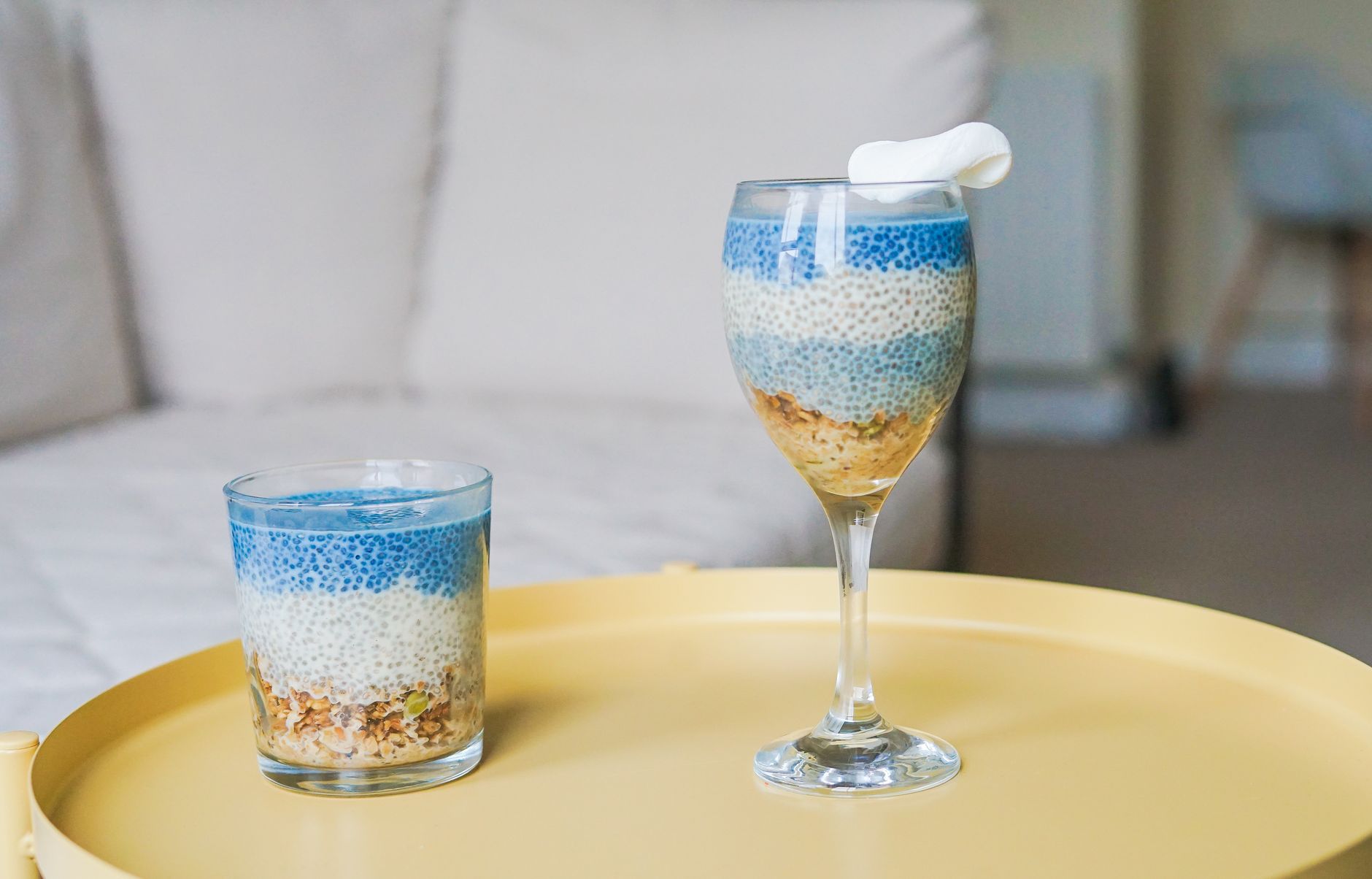
In the context of evidence-based nutrition, chia seeds (Salvia hispanica L.) have garnered significant attention for their potential role in supporting sustained energy metabolism. Their nutritional profile is dense, offering a combination of macronutrients and micronutrients that contribute to physiological processes related to energy production and regulation.
The primary mechanisms by which chia seeds may influence energy levels are grounded in their composition:
- Complex Carbohydrates and Fiber: A single ounce (about 28 grams) provides approximately 10-12 grams of dietary fiber. This high soluble fiber content forms a gel in the digestive tract, which slows the conversion of carbohydrates into glucose. This moderates postprandial blood sugar spikes and can help prevent the subsequent energy crashes associated with high-glycemic foods.
- Plant-Based Protein: With about 4-5 grams of protein per ounce, chia seeds offer a complete protein source containing all nine essential amino acids. Adequate protein intake is crucial for tissue repair, enzyme function, and can contribute to satiety, helping to maintain stable energy levels between meals.
- Healthy Fats: They are notably rich in alpha-linolenic acid (ALA), an omega-3 fatty acid. While the evidence for ALA directly boosting acute energy is limited, these fats play a role in reducing systemic inflammation, which is associated with fatigue. The fat content also aids in the absorption of fat-soluble vitamins.
- Micronutrients: Chia seeds contain minerals like magnesium and manganese, which are cofactors for enzymes involved in adenosine triphosphate (ATP) production—the body's primary cellular energy currency.
Clinical Perspective: It is important to contextualize these benefits. Chia seeds are a supportive dietary component, not a direct stimulant like caffeine. Their value lies in promoting metabolic stability rather than providing an immediate "energy rush." The evidence for their blood sugar-modulating effects is relatively strong, particularly from short-term human trials. However, claims about dramatic, long-term energy transformation should be viewed with caution, as high-quality, long-term studies in diverse populations are still needed.
Integrating chia seeds into one's diet should be approached with balance. They are best considered as part of a holistic nutritional strategy that includes a variety of whole foods, adequate hydration, and regular physical activity.
Who should exercise caution? Individuals with a history of dysphagia or esophageal strictures should consume chia seeds only when fully hydrated (as a gel or in soaked form) to avoid obstruction. Those on blood-thinning medications or with upcoming surgical procedures should consult their physician due to chia's potential, albeit mild, antiplatelet effects. People with specific gastrointestinal conditions, such as inflammatory bowel disease in an active phase, may need to introduce fiber-rich foods like chia seeds gradually and under medical guidance.
2. Mechanisms and Evidence: How Chia Seeds May Support Energy

Chia seeds are often cited as a natural energy booster. This claim is primarily based on their unique nutritional composition, which may support sustained energy metabolism through several plausible biological mechanisms.
Key Nutritional Components and Their Proposed Roles
The potential energy-supporting effects of chia seeds are attributed to three core nutrients:
- Dietary Fiber: A single ounce (about 28 grams) provides nearly 10 grams of fiber, predominantly soluble fiber. This forms a gel in the stomach, slowing the digestion and absorption of carbohydrates. This mechanism can help prevent rapid spikes and subsequent crashes in blood glucose, promoting more stable energy levels throughout the day.
- Healthy Fats: Chia seeds are rich in alpha-linolenic acid (ALA), an omega-3 fatty acid. While ALA must be converted to active forms like EPA and DHA, fats are a dense energy source and contribute to satiety, which may help maintain consistent energy intake.
- Plant-Based Protein: With about 4-5 grams of protein per ounce, chia seeds provide essential amino acids. Adequate protein intake supports muscle repair and can contribute to feelings of fullness, indirectly supporting stable energy by preventing overconsumption of refined carbohydrates.
Evaluating the Evidence
It is crucial to distinguish between mechanistic plausibility and direct clinical evidence.
Stronger Evidence: The high soluble fiber content's role in moderating postprandial glycemia is well-established in nutritional science. Studies on high-fiber foods consistently show benefits for blood sugar control, which is foundational for avoiding energy slumps.
Limited or Indirect Evidence: Most research on chia seeds focuses on cardiovascular risk factors (e.g., blood lipids, blood pressure) rather than direct measures of "energy" or fatigue. While results for metabolic health are generally positive, few high-quality, long-term randomized controlled trials have specifically measured chia seeds' impact on subjective energy levels or physical endurance in the general population. The evidence is often extrapolated from their nutrient profile.
Clinical Perspective: From a dietary standpoint, chia seeds are a nutrient-dense food that can be part of an energy-balancing diet. Their mechanism for supporting energy is likely indirect—by promoting glycemic stability and satiety. They are not a stimulant like caffeine. For individuals with diabetes, the blood sugar-modulating effect is particularly relevant, but portion control is essential as they are calorie-dense. Their efficacy is contingent on being incorporated into an overall balanced diet.
Important Cautions
Certain individuals should exercise caution:
- Those with swallowing difficulties or a history of esophageal strictures should consume chia seeds only when they have fully gelled in liquid to avoid a blockage risk.
- Individuals on blood-thinning medications (e.g., warfarin) or with upcoming surgery should consult a doctor due to chia's potential, albeit mild, blood-thinning effect from ALA.
- As with any high-fiber food, a sudden large increase in intake can cause gastrointestinal distress. It is advisable to introduce them gradually and with ample fluids.
While chia seeds are a safe and nutritious food for most, anyone with specific medical conditions or concerns should discuss dietary changes with a physician or registered dietitian.
3. Risks and Populations to Avoid with Chia Seeds

While chia seeds are a nutrient-dense food for many, their unique properties necessitate caution for specific individuals. A clinically responsible approach requires understanding these potential risks and contraindications.
Primary Gastrointestinal and Mechanical Risks
The most common adverse effects are gastrointestinal, primarily due to the high soluble fiber content. Abruptly adding large quantities to the diet can lead to:
- Bloating, gas, and abdominal discomfort
- Constipation, especially if fluid intake is not simultaneously increased
- Diarrhea in some sensitive individuals
A more serious, though rare, mechanical risk is esophageal obstruction. Dry chia seeds can absorb saliva and swell rapidly in the throat, posing a choking hazard or causing a blockage. This is of particular concern for individuals with a history of swallowing difficulties (dysphagia) or narrowed esophagus. Chia seeds must always be consumed pre-soaked or mixed into a sufficiently wet food or liquid.
Populations Requiring Medical Consultation
Certain health conditions and medications warrant a discussion with a physician or dietitian before regular chia consumption.
- Individuals on Blood-Thinning Medications: Chia seeds are a source of omega-3 fatty acid (ALA), which may have mild antiplatelet effects. While evidence for a significant interaction is limited, theoretical concerns exist for those on drugs like warfarin, clopidogrel, or aspirin. Consistency in daily intake is key; sudden large changes should be avoided.
- People with Low Blood Pressure: Anecdotal reports suggest chia might potentiate blood pressure-lowering effects. Those with hypotension or on antihypertensive medications should monitor their blood pressure closely.
- Those with Upcoming Surgery: Due to the potential blood-thinning concern, it is often recommended to discontinue chia seed consumption 1-2 weeks before elective surgical procedures.
- Individuals with Specific Gastrointestinal Disorders: People with active inflammatory bowel disease (IBD), bowel obstructions, or a history of significant bowel surgery should seek personalized advice, as high-fiber foods can exacerbate symptoms during flares.
For the general population, introducing chia seeds gradually (starting with 1 teaspoon daily) and ensuring ample water intake can mitigate most GI side effects. However, the populations listed above should prioritize a professional medical consultation to weigh individual benefits against potential risks.
4. Practical Applications: Evidence-Based Chia Seed Recipes
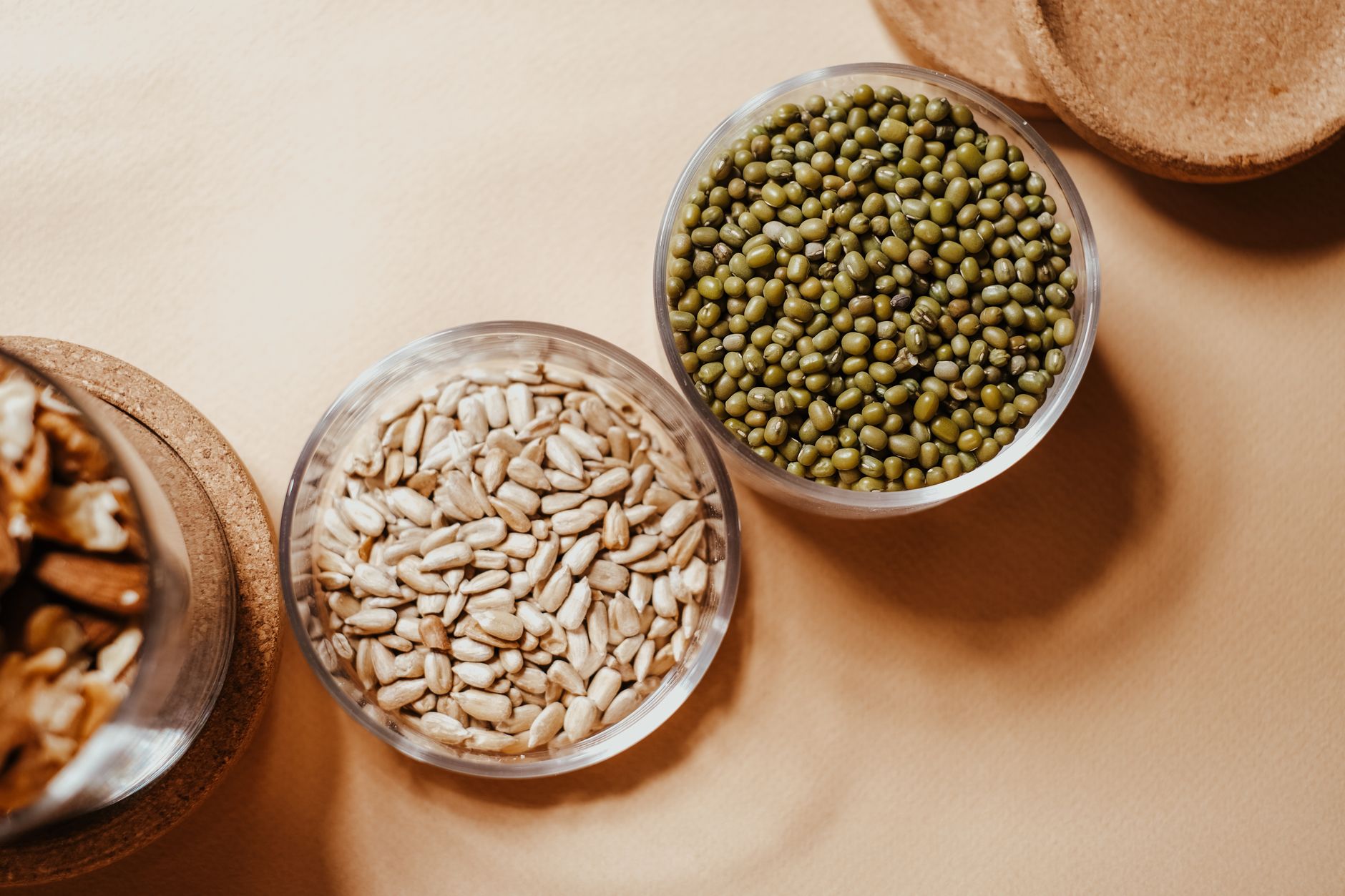
Incorporating chia seeds into a dietary pattern can be a practical strategy for supporting sustained energy. The proposed mechanisms are their high soluble fiber content, which slows carbohydrate digestion, and their balanced macronutrient profile providing protein and healthy fats. The following recipes are designed to leverage these properties, with a focus on evidence-based combinations that avoid added sugars and refined carbohydrates.
1. Basic Overnight Chia Pudding
This foundational recipe capitalizes on the gel-forming property of chia seeds, creating a convenient, nutrient-dense meal or snack.
- Ingredients: 3 tablespoons whole chia seeds, 1 cup unsweetened almond milk (or milk of choice), ½ teaspoon vanilla extract, optional pinch of cinnamon.
- Method: Whisk ingredients in a jar or container until combined. Refrigerate for at least 2 hours or overnight. The mixture will thicken into a pudding consistency.
- Evidence-Based Rationale: The soluble fiber forms a gel that slows gastric emptying, which may help moderate postprandial blood glucose levels and promote a feeling of satiety, potentially preventing energy crashes.
2. Pre-Exercise Chia Seed Hydration Boost
This simple preparation is suggested for pre-activity hydration and energy.
- Ingredients: 1 tablespoon chia seeds, 10 oz water or coconut water, juice of ½ lime.
- Method: Stir chia seeds into the liquid and let sit for 10-15 minutes, stirring occasionally to prevent clumping. Consume 30-60 minutes before moderate activity.
- Evidence-Based Rationale: The seeds' hydrophilic properties may help with fluid retention. Coconut water provides electrolytes. The combination offers a source of complex carbohydrates and hydration, though direct performance studies are limited and individual responses vary.
3. Savory Chia Seed Energy Sprinkle
For those preferring savory profiles, this blend can enhance the nutrient density of meals.
- Ingredients: 2 tablespoons chia seeds, 1 tablespoon hemp hearts, 1 tablespoon nutritional yeast, ¼ teaspoon garlic powder.
- Method: Mix all ingredients. Store in an airtight container. Sprinkle over salads, soups, or avocado toast.
- Evidence-Based Rationale: This combination adds plant-based protein (from hemp and chia), B-vitamins (from nutritional yeast), and fiber. The balanced macronutrient addition to a meal can support more stable energy release compared to a carbohydrate-heavy meal alone.
Clinical Considerations: While chia seeds are generally well-tolerated, their high fiber content requires adequate fluid intake to prevent gastrointestinal discomfort. Individuals with a history of dysphagia, esophageal strictures, or inflammatory bowel disease should introduce them with caution. Those on blood-thinning medications (e.g., warfarin) or with upcoming surgical procedures should consult a physician, as chia seeds contain vitamin K and omega-3 fatty acids, which can affect coagulation. Start with one tablespoon daily to assess tolerance.
The recipes above are examples of how to integrate chia seeds into a dietary pattern. Their effect on energy is indirect and multifactorial, relying on overall diet quality, hydration status, and individual metabolism. They are not a substitute for medical evaluation of persistent fatigue.
5. Safety Guidelines and When to Consult a Healthcare Provider
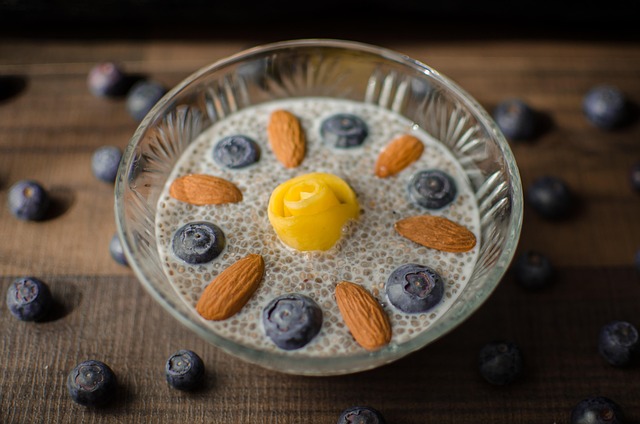
While chia seeds are generally recognized as safe for most people, incorporating them into your diet for energy requires a measured and informed approach. Their high fiber and fluid-absorbing properties, while beneficial, necessitate specific safety considerations to avoid adverse effects.
Key Safety Guidelines for Consumption
To maximize benefits and minimize discomfort, adhere to these practical guidelines:
- Start Slowly and Hydrate: Begin with a small serving (e.g., one tablespoon daily) and increase gradually over weeks. Always consume chia seeds that have been soaked in ample liquid (at least a 1:10 seed-to-liquid ratio) or are thoroughly mixed into wet foods like yogurt or oatmeal. Ingesting dry seeds can pose a choking risk or cause severe gastrointestinal blockage, as they absorb water rapidly in the esophagus.
- Mind Your Fiber Intake: A sudden, large increase in dietary fiber can cause bloating, gas, and abdominal cramps. Pairing increased fiber with adequate water intake is crucial to help it move smoothly through the digestive system.
- Be Aware of Blood Thinning: Chia seeds are a source of alpha-linolenic acid (ALA), an omega-3 fatty acid. In very high doses (far beyond typical culinary use), omega-3s can have a mild antiplatelet effect. This is generally not a concern with standard food amounts but is a relevant consideration for individuals on anticoagulant or antiplatelet medications (e.g., warfarin, aspirin, clopidogrel).
Clinical Insight: From a gastroenterology perspective, the most common issue we see with chia seeds is bowel obstruction or severe constipation from consuming dry seeds without sufficient fluid. They are hydrophilic and can form a dense bolus. Always emphasize the "soak first" rule. Furthermore, while the evidence for chia seeds improving energy via stable blood sugar is promising, it is primarily from short-term studies. They are a supportive dietary component, not a substitute for addressing underlying causes of fatigue like sleep disorders, anemia, or thyroid dysfunction.
When to Consult a Healthcare Provider
Certain individuals should seek personalized medical advice before significantly increasing chia seed intake:
- Individuals with Gastrointestinal Disorders: Those with a history of IBS, IBD (Crohn's disease, ulcerative colitis), diverticulitis, or esophageal strictures should consult a gastroenterologist, as high-fiber foods can exacerbate symptoms during flares.
- People on Specific Medications: As mentioned, those on blood-thinning medications or drugs for high blood pressure or diabetes should discuss chia consumption with their doctor, as the seeds may theoretically potentiate effects on blood clotting, blood pressure, and blood sugar levels.
- Those with Food Allergies: Although rare, allergic reactions to chia seeds have been documented. Individuals with known allergies to mustard seeds or sesame seeds may be at higher risk due to potential cross-reactivity.
- Individuals with Kidney Disease or Dysphagia: Patients with advanced kidney disease may need to monitor phosphate and potassium intake, which chia seeds contain in moderate amounts. Those with swallowing difficulties (dysphagia) must avoid dry seeds entirely and use only fully gelled preparations with caution.
In summary, chia seeds can be a safe and nutritious addition to an energy-supporting diet when introduced properly. The strongest evidence supports their role in promoting satiety and stable blood glucose. However, listening to your body and consulting a healthcare provider for personalized guidance, especially if you have pre-existing conditions, is the most responsible path forward.
6. Questions & Expert Insights
Can chia seeds really give me a lasting energy boost?
The claim is plausible based on their nutritional composition, but it's important to frame it realistically. Chia seeds are rich in soluble fiber, which slows the digestion and absorption of carbohydrates, helping to prevent rapid spikes and crashes in blood sugar. This can promote more stable energy levels over time compared to simple sugars. Their content of protein and healthy fats also contributes to satiety and sustained fuel. However, they are not a stimulant like caffeine. The "energy boost" is more accurately described as supporting metabolic steadiness and preventing energy dips, rather than providing an immediate surge. The effect is also dependent on incorporating them into a balanced diet; a spoonful of chia seeds cannot compensate for overall poor nutrition or sleep deprivation.
Are there any risks or side effects from eating chia seeds regularly?
For most people, chia seeds are safe when consumed in moderation (typically 1-2 tablespoons daily). The primary risks are gastrointestinal and related to preparation. Because they absorb 10-12 times their weight in liquid, consuming dry chia seeds without adequate hydration can pose a risk of esophageal or intestinal blockage, especially for individuals with swallowing difficulties or narrowed GI tracts. Always soak chia seeds before eating. The high fiber content can cause bloating, gas, or constipation if intake is increased too rapidly. Furthermore, individuals on blood-thinning medications like warfarin, those with low blood pressure, or those with known allergies to mustard or sesame seeds (botanical relatives) should exercise caution and consult a doctor.
How do I talk to my doctor about adding chia seeds for energy?
Initiate this conversation during a routine check-up or when discussing diet. Be specific: state you are considering chia seeds as a dietary addition for potential energy stability. Bring a clear list of all medications and supplements you take, including dosages, to review for interactions. Mention any pre-existing conditions, such as diabetes (as chia may affect blood sugar), kidney disease (due to mineral content like phosphorus), or a history of digestive issues. Ask direct questions: "Given my [specific condition/medication], is there a safe amount for me?" and "What signs of an adverse reaction should I watch for?" This prepares your physician to give personalized, clinically sound advice rather than generic information.
Is the evidence for chia seeds and energy strong, or is it overhyped?
The evidence is promising but not definitive, and commercial claims often outpace the science. Several small, short-term human studies show chia seeds can improve satiety and moderate post-meal blood sugar rises, which indirectly supports the energy-stability concept. However, large-scale, long-term trials specifically on "energy levels" in healthy populations are lacking. Much of the robust data comes from studies on cardiovascular and metabolic markers (like triglycerides) in at-risk groups. Therefore, it is accurate to say chia seeds are a nutrient-dense food with properties that may support metabolic health and, by extension, consistent energy. They are not a singular solution but one component of an energy-supportive diet that includes complex carbs, lean protein, and healthy fats.
7. In-site article recommendations
8. External article recommendations
Related Resources
9. External resources
The links below point to reputable medical and evidence-based resources that can be used for further reading. Always interpret them in the context of your own situation and your clinician’s advice.
-
wikipedia wikipedia.orgchia seeds – Wikipedia (search)
-
mayoclinic mayoclinic.orgchia seeds – Mayo Clinic (search)
-
healthline healthline.comchia seeds – Healthline (search)
These external resources are maintained by third-party organisations. Their content does not represent the editorial position of this site and is provided solely to support readers in accessing additional professional information.