
1. Introduction to Chia Seeds and Nutrient Absorption
Chia seeds (Salvia hispanica L.) have garnered significant attention in nutritional science for their dense profile of essential nutrients. They are a notable source of plant-based omega-3 fatty acids (alpha-linolenic acid, or ALA), high-quality protein containing all nine essential amino acids, and a rich supply of both soluble and insoluble dietary fiber. They also provide micronutrients, including calcium, magnesium, phosphorus, and various antioxidants. However, the presence of these nutrients does not guarantee their optimal utilization by the human body.
The concept of nutrient bioavailability is central to understanding the true value of any food. Bioavailability refers to the proportion of a nutrient that is digested, absorbed, and made available for physiological functions or storage. For chia seeds, several intrinsic and extrinsic factors can significantly influence this process:
- Physical Form: The hard, dry seed coat can limit enzymatic access to the inner nutrients.
- Antinutrients: Like many seeds, chia contains compounds such as phytic acid, which can bind to minerals like iron and zinc, potentially reducing their absorption.
- Preparation Method: How the seeds are consumed—whole, ground, soaked, or as a gel—directly impacts the release and availability of their components.
Current evidence suggests that while chia seeds are a nutritious addition to the diet, their benefits are not automatic. The strong body of research supports their role in increasing dietary fiber and ALA intake. However, evidence for the direct, superior absorption of their minerals compared to other sources or for specific therapeutic outcomes in humans is more limited and often based on animal studies or small-scale human trials.
Clinical Perspective: From a nutritional standpoint, chia seeds are best viewed as a functional food component rather than a standalone solution. Their high soluble fiber content, which forms a gel when hydrated, is well-substantiated to support satiety and moderate postprandial blood glucose response. The conversion of their plant-based ALA to the more bioactive EPA and DHA in the body is inefficient, however, meaning they are not a direct replacement for marine-source omega-3s. Clinicians often emphasize preparation methods that enhance digestibility to maximize potential benefits.
Certain individuals should exercise caution. Those with a history of swallowing difficulties, esophageal strictures, or significant gastrointestinal disorders should consult a physician, as dry chia seeds can expand and pose a risk of obstruction if not consumed with ample fluid. Individuals on blood-thinning medications or with upcoming surgical procedures should discuss increased omega-3 intake with their doctor due to its potential mild antiplatelet effect.
This chapter establishes the foundation that the nutritional promise of chia seeds is intimately tied to how they are prepared and consumed. The following sections will examine specific, evidence-based methods to optimize the bioavailability of their key nutrients.
2. Evidence and Mechanisms of Nutrient Absorption
Understanding how the body absorbs nutrients from chia seeds is key to maximizing their potential health benefits. The mechanisms are primarily influenced by the seed's unique physical and chemical properties, which can both enhance and inhibit bioavailability.
Enhancing Absorption: The Role of Processing
Whole chia seeds possess a hard, hydrophilic outer layer. While this allows them to form a gel, it can also limit the digestive system's access to internal nutrients. Evidence strongly supports that mechanical processing significantly improves the absorption of fats, proteins, and certain minerals.
- Grinding/Milling: Breaking the seed coat increases the surface area for digestive enzymes. Studies show ground chia leads to a more pronounced increase in blood levels of alpha-linolenic acid (ALA), the primary omega-3 fatty acid in chia, compared to whole seeds.
- Soaking/Gelation: Soaking chia seeds initiates enzymatic activity that can begin to break down antinutrients like phytic acid. The resulting gel may also slow gastric emptying, potentially allowing for more gradual nutrient absorption.
Navigating Antinutrients
Like many seeds and grains, chia contains phytic acid, a compound that can bind to minerals such as iron, zinc, and calcium in the gut, reducing their absorption. The evidence for the clinical significance of this in typical dietary amounts is mixed and likely varies by individual nutritional status. The processing methods above (grinding, soaking) are known to reduce phytic acid content, thereby mitigating this effect.
Clinical Perspective: For most individuals consuming a balanced diet, the antinutrient content in a standard serving of chia seeds is not a major concern. However, for populations at high risk for mineral deficiencies—such as those with iron-deficiency anemia, individuals on strictly plant-based diets, or those with malabsorptive conditions—employing preparation methods to reduce phytic acid is a prudent step. The high fiber content is generally beneficial but warrants a gradual introduction to avoid gastrointestinal discomfort.
Fat-Soluble Nutrient Uptake
Chia seeds contain fat-soluble compounds, including vitamin E and carotenoids. Consuming chia with a source of dietary fat can enhance the absorption of these nutrients. Incorporating ground chia into a meal containing healthy fats (e.g., yogurt, a smoothie with avocado, or a salad with olive oil dressing) is a practical, evidence-informed strategy for optimal uptake.
Key Takeaway: The bioavailability of chia seed nutrients is not passive. Applying simple preparation techniques—primarily grinding and, to a lesser extent, soaking—can help overcome natural digestive barriers. Individuals with existing mineral deficiencies or significant gastrointestinal sensitivities should consider these methods and may benefit from consulting a dietitian or physician to integrate chia seeds appropriately into their diet.
3. Risks, Contraindications, and Populations to Avoid
While chia seeds are generally safe for most people when consumed in typical dietary amounts, certain risks and contraindications exist. Acknowledging these is essential for safe and responsible use.
Primary Risks and Side Effects
The most common adverse effects are gastrointestinal, primarily due to the high fiber content. Introducing large quantities too quickly can lead to:
- Bloating, gas, and abdominal discomfort.
- Constipation, particularly if fluid intake is not increased proportionally.
- Diarrhea in some individuals.
There is also a low but documented risk of esophageal obstruction. Dry chia seeds can absorb saliva and swell rapidly, posing a choking hazard or causing blockage, especially in individuals with a history of swallowing difficulties or a narrowed esophagus.
Clinical Insight: The risk of obstruction is a key point for patient education. We advise patients, especially older adults or those with dysphagia, to always consume chia seeds that have been pre-soaked in liquid for at least 10-15 minutes, forming a gel. Never consume dry seeds followed immediately by a drink.
Specific Populations to Exercise Caution
Certain groups should consult a healthcare provider before significantly increasing chia seed intake:
- Individuals with Gastrointestinal Disorders: Those with Crohn's disease, ulcerative colitis, or a history of bowel obstructions may need to limit or avoid high-fiber seeds during flare-ups.
- People with Hypotension or on Blood Pressure Medications: Preliminary evidence suggests chia may have a mild blood pressure-lowering effect. Those on antihypertensive drugs should monitor their blood pressure closely to avoid hypotension.
- Individuals on Anticoagulant or Antiplatelet Therapy: While the evidence is not strong, chia seeds contain omega-3 fatty acids (ALA), which in very high doses may theoretically affect blood clotting. Patients on medications like warfarin or aspirin should discuss consistent intake with their physician.
- Those with Known Seed Allergies: Allergic reactions to chia seeds are rare but possible, particularly in individuals allergic to other seeds (e.g., sesame, mustard).
Drug-Nutrient Interactions and Precautions
The high soluble fiber content can slow gastric emptying and the absorption of some medications. To minimize this potential interaction, it is prudent to take medications at least 1-2 hours apart from consuming a significant amount of chia seeds. This is particularly relevant for critical medications where consistent blood levels are essential.
Overall, integrating chia seeds gradually, ensuring adequate hydration, and being mindful of individual health conditions are the cornerstones of safe consumption. When in doubt, a consultation with a doctor or registered dietitian is recommended.
4. 7 Science-Backed Methods for Enhanced Absorption
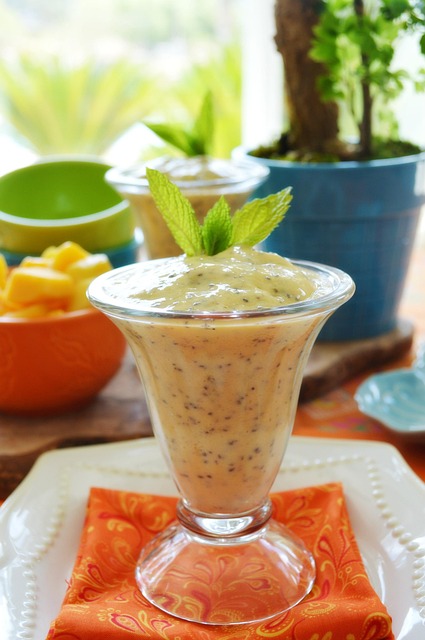
To maximize the nutritional benefits of chia seeds, strategic preparation is key. The following evidence-based methods can enhance the bioavailability of their key nutrients, including omega-3 fatty acids (ALA), minerals like calcium and iron, and antioxidants.
1. Soaking or Making a Gel
Soaking chia seeds in water or other liquids for 15-30 minutes forms a hydrophilic gel. This process mimics pre-digestion, breaking down the hard outer seed coat. The gel may help release nutrients and improve digestibility, potentially reducing gastrointestinal discomfort for some individuals.
2. Grinding or Milling
Consuming ground chia seeds significantly increases the bioavailability of alpha-linolenic acid (ALA), the plant-based omega-3 fat. Whole seeds may pass through the digestive tract intact, limiting nutrient release. Grinding exposes the internal fats and nutrients to digestive enzymes.
3. Pairing with Vitamin C
Chia seeds contain non-heme iron, a plant-based form with lower absorption. Consuming them alongside a source of vitamin C (e.g., citrus fruits, bell peppers, strawberries) can enhance iron absorption by converting it to a more bioavailable form.
4. Combining with Healthy Fats
The fat-soluble vitamins and antioxidants in chia seeds, such as vitamin E, are better absorbed when consumed with a source of dietary fat. Adding chia to yogurt, a smoothie with avocado, or a salad with olive oil can support this process.
5. Avoiding High-Heat Cooking
While chia seeds are heat-stable, prolonged exposure to high temperatures can degrade their delicate polyunsaturated fats (ALA) and some antioxidants. For optimal fatty acid preservation, consider adding them to foods after cooking or using gentle cooking methods.
6. Proper Hydration
Given their exceptional water-absorbing capacity, consuming chia seeds without adequate fluid intake is not advised. Adequate hydration supports the gel formation process and helps prevent potential issues like esophageal blockage, a rare but serious risk if dry seeds are swallowed and expand in the throat.
7. Integrating into a Balanced Meal
Nutrient absorption is a systemic process. Consuming chia seeds as part of a balanced meal containing a variety of whole foods supports overall digestive health and enzymatic activity, creating a more favorable environment for nutrient uptake.
Clinical Consideration: While these methods are grounded in general nutritional science, direct high-quality human trials specifically on chia seed bioavailability are limited. Individuals with dysphagia, gastrointestinal strictures, or a history of bowel obstructions should use extreme caution with dry chia seeds and likely avoid them. Those on blood-thinning medications or with upcoming surgeries should consult a physician due to chia's potential, though mild, antiplatelet effect from ALA.
5. Safety Considerations and When to Seek Medical Advice
While chia seeds are generally recognized as safe for most people when consumed in typical food amounts, a responsible approach requires awareness of potential adverse effects and specific contraindications. This is particularly important when increasing intake significantly to pursue the nutrient absorption strategies discussed in this article.
Key Safety Considerations
The primary safety concerns relate to gastrointestinal effects, medication interactions, and allergic potential.
- Gastrointestinal Distress: The high soluble fiber content (up to 10 grams per ounce) can cause bloating, gas, or abdominal discomfort, especially with a sudden increase in intake. Adequate hydration is critical, as the seeds absorb 10–12 times their weight in water. Insufficient fluid intake can lead to constipation or, in rare cases, esophageal impaction.
- Blood Thinning and Blood Pressure: Chia seeds contain omega-3 fatty acids (ALA), which may have mild antiplatelet effects. The evidence for a clinically significant interaction is limited, but caution is warranted for individuals on anticoagulant (e.g., warfarin) or antiplatelet medications, or those with bleeding disorders.
- Allergic Reactions: Although uncommon, allergic reactions to chia seeds have been documented. Individuals with known allergies to mustard seeds, sesame seeds, or other members of the Lamiaceae family (like mint) may be at higher risk.
Clinical Insight: In practice, the most frequent issues I see are related to dose and preparation. Patients often don't connect new digestive symptoms to a recent dietary change like adding several tablespoons of dry chia seeds daily. The advice is always to start with a small dose (e.g., one teaspoon), ensure it is well-hydrated, and increase gradually over weeks while monitoring tolerance.
Who Should Consult a Healthcare Provider First?
Certain populations should seek personalized medical advice before making chia seeds a regular part of their diet.
- Individuals with Gastrointestinal Disorders: Those with a history of dysphagia, strictures, Crohn's disease, ulcerative colitis, or recent abdominal surgery.
- Patients with Chronic Kidney Disease (CKD): Chia seeds are a concentrated source of phosphorus and potassium. In advanced CKD, impaired excretion can lead to dangerous electrolyte accumulation.
- Individuals on Medications for Diabetes or Hypertension: Preliminary studies suggest chia may modestly lower blood sugar and blood pressure. While not strongly evidenced, this warrants monitoring for those on related medications to avoid hypoglycemia or hypotension.
- Those Scheduled for Surgery: Given the theoretical blood-thinning effect, it is prudent to discuss chia seed consumption with a surgeon, typically discontinuing high intake 1–2 weeks prior to an elective procedure.
In summary, while chia seeds offer nutritional benefits, their safety profile is not universal. Integrating them into your diet should be a gradual, well-hydrated process. If you have a pre-existing medical condition or take regular medications, a consultation with your physician or a registered dietitian is the most evidence-based step to ensure safe and effective use.
6. Questions & Expert Insights
Can I just eat chia seeds dry, or do I need to soak them?
While dry chia seeds are safe to consume, soaking them is strongly recommended to maximize nutrient absorption and minimize potential digestive discomfort. Dry chia seeds are hydrophilic, meaning they absorb many times their weight in liquid. If consumed dry, they begin this absorption process in your esophagus and stomach, which can pose a choking or blockage risk, especially if not taken with ample water. More importantly, soaking (or grinding) breaks down the hard seed coat, making the omega-3 fatty acids, protein, and minerals like calcium and magnesium more bioavailable. The gel formed during soaking may also be gentler on the digestive system for some individuals. For optimal benefit, soak seeds in water, milk, or juice for at least 15-30 minutes, or overnight.
Are there any risks or side effects, and who should be cautious with chia seeds?
For most people, chia seeds are safe when consumed in moderation (typically 1-2 tablespoons daily) and prepared properly. The most common side effects are gastrointestinal—bloating, gas, or constipation—if intake is increased too quickly due to the high fiber content. Specific populations should exercise caution or avoid them. Individuals with a history of swallowing difficulties, esophageal strictures, or certain gastrointestinal disorders like Crohn's disease should avoid dry seeds due to obstruction risk. Those on blood-thinning medications (e.g., warfarin) or with upcoming surgery should consult a doctor, as the vitamin K content may affect clotting. People with kidney disease may need to limit intake due to phosphorus content. Starting with a small amount and ensuring adequate hydration is key.
How strong is the evidence for chia seeds improving heart health or aiding weight loss?
The evidence is promising but nuanced, and it's important to distinguish between direct effects and contributions to a healthy diet. For heart health, studies consistently show that chia seeds can improve certain biomarkers, such as lowering triglycerides and increasing HDL ("good") cholesterol, particularly in individuals with dyslipidemia. The effect on blood pressure is less clear. For weight loss, chia seeds are not a magic solution. Their high fiber and protein content can promote satiety, which may help reduce overall calorie intake as part of a balanced diet. However, controlled trials have not shown chia seeds to cause significant weight loss on their own. Most benefits are seen when they replace less nutritious foods, not when simply added to an existing diet.
When should I talk to my doctor about incorporating chia seeds, and what should I discuss?
You should consult your physician or a registered dietitian before significantly increasing chia intake if you have a chronic medical condition or are taking medications. This is crucial for individuals with kidney disease, diagnosed digestive disorders, diabetes (as fiber affects blood sugar), or a history of blood clots. Before your appointment, note your current diet and the intended amount of chia seeds. Bring a list of all medications and supplements. Specifically ask: 1) "Given my condition (e.g., CKD, diverticulitis), is the phosphorus/fiber load safe?" 2) "Could the vitamin K or omega-3s interact with my medications (e.g., blood thinners, diabetes drugs)?" 3) "What is a safe daily quantity for me?" This proactive discussion ensures personalized, safe integration into your health plan.
7. In-site article recommendations
8. External article recommendations
9. External resources
The links below point to reputable medical and evidence-based resources that can be used for further reading. Always interpret them in the context of your own situation and your clinician’s advice.
-
examine examine.comchia seeds – Examine.com (search)
-
healthline healthline.comchia seeds – Healthline (search)
-
mayoclinic mayoclinic.orgchia seeds – Mayo Clinic (search)
These external resources are maintained by third-party organisations. Their content does not represent the editorial position of this site and is provided solely to support readers in accessing additional professional information.