
1. Introduction to Chia Seeds in Appetite Control
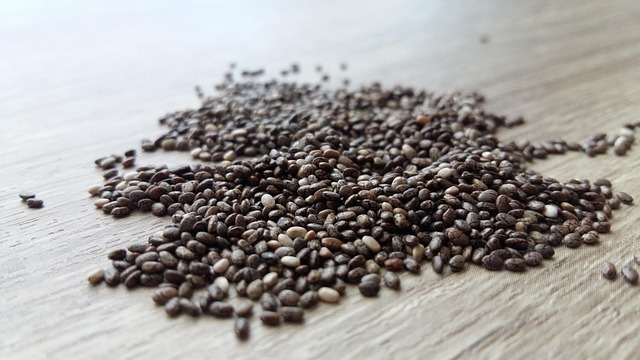
In the landscape of dietary strategies for weight management, chia seeds (Salvia hispanica L.) have garnered significant attention for their potential role in promoting satiety and reducing overall caloric intake. Their proposed mechanism is not based on a single "miracle" property but on a synergistic combination of nutritional factors that influence digestive physiology.
The primary components of chia seeds linked to appetite control are their high soluble fiber content and their unique ability to form a hydrophilic gel. When exposed to liquid, the soluble fiber in chia seeds absorbs up to 10–12 times its weight in water, creating a viscous, gel-like substance in the stomach. This gel is thought to contribute to satiety through several pathways:
- Gastric Distension: The gel increases the volume and viscosity of stomach contents, which can activate stretch receptors and delay gastric emptying. This physical sensation of fullness is a well-established satiety signal.
- Nutrient Absorption: The viscous gel may slow the digestion and absorption of carbohydrates, leading to a more gradual release of glucose into the bloodstream and potentially moderating postprandial hunger cues.
- Caloric Dilution: As a low-energy-dense food, chia seeds provide bulk and texture with relatively few calories, which can help reduce the energy density of a meal or beverage.
Evidence supporting these mechanisms is promising but requires careful interpretation. Several small, short-term human trials have demonstrated that consuming chia seeds can increase feelings of fullness and reduce short-term food intake compared to control conditions. However, the evidence for significant, long-term weight loss directly attributable to chia seed consumption is more limited and mixed. Outcomes can vary based on the form of chia (whole, ground, pre-soaked), dosage, and the individual's overall diet and metabolism.
Clinical Perspective: From a nutritional standpoint, chia seeds are a nutrient-dense source of fiber, plant-based omega-3 fatty acids (alpha-linolenic acid), and minerals. Their use for appetite control is considered a supportive dietary tactic, not a standalone solution. The gel-forming property is key; for maximum effect, they should be consumed pre-hydrated (soaked) or with ample fluids.
It is important to note that while generally safe for most people, certain individuals should exercise caution. Those with a history of swallowing difficulties, esophageal strictures, or significant gastrointestinal disorders like inflammatory bowel disease during a flare-up should consult a physician. Due to their high fiber content, introducing chia seeds gradually is advised to prevent gastrointestinal discomfort. Individuals on blood-thinning medications or with upcoming surgical procedures should discuss their intake with a doctor, as the omega-3 content may have mild anticoagulant effects.
2. Mechanisms and Evidence for Satiety Enhancement
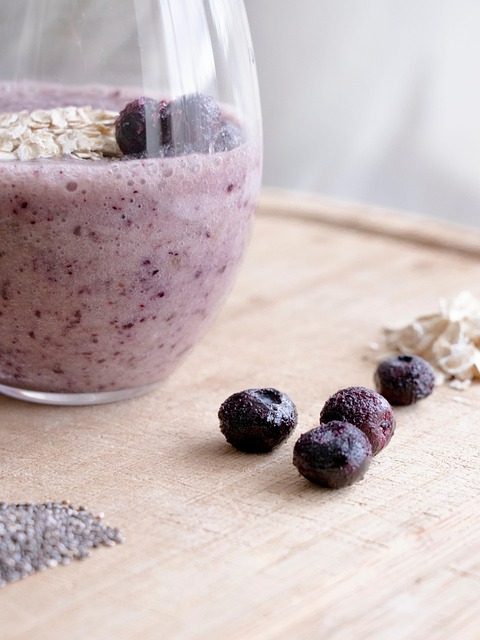
Chia seeds are frequently cited for their potential to promote satiety, a feeling of fullness that can help manage hunger. This effect is primarily attributed to their unique physical and nutritional properties, which have been studied in human trials. The evidence is promising but not definitive, with some studies showing clear benefits and others indicating more modest effects.
Primary Mechanisms of Action
The satiety-enhancing properties of chia seeds are driven by three core mechanisms:
- High Soluble Fiber Content: When mixed with liquid, chia seeds form a viscous gel. This gel slows gastric emptying and the digestion of carbohydrates, which can lead to a more gradual rise in blood sugar and prolonged feelings of fullness.
- Protein Content: Chia seeds contain a moderate amount of complete protein. Dietary protein is well-established to increase satiety hormones like peptide YY and GLP-1 more than carbohydrates or fats.
- High Volume, Low Energy Density: The gel-forming property significantly increases the volume of food without adding substantial calories, which can enhance the physical sensation of fullness during a meal.
Review of the Clinical Evidence
Human studies provide a nuanced picture. A 2017 systematic review noted that chia seed consumption was associated with increased satiety in several trials. For instance, one study found that consuming chia seeds as part of a breakfast led to reduced short-term food intake and lower ratings of hunger compared to a control.
However, it is crucial to contextualize this evidence. Many studies are short-term, involve small sample sizes, and the magnitude of effect can vary. The satiety benefit is likely most pronounced when chia seeds are consumed as part of a balanced meal, particularly in place of refined carbohydrates.
Clinical Perspective: From a nutritional standpoint, the mechanisms are physiologically sound. The combination of fiber and protein makes chia seeds a logical functional food for appetite management. However, they are not a standalone solution for weight loss. Their effectiveness is contingent on an overall dietary pattern. For individuals with specific gastrointestinal conditions like dysphagia, gastroparesis, or a history of bowel obstructions, the gel-forming nature may pose a risk and requires medical consultation.
In summary, the proposed mechanisms for chia seeds enhancing satiety are strongly supported by basic nutritional science. The human trial evidence is encouraging but considered preliminary, highlighting a useful tool within a broader strategy for hunger management rather than a guaranteed intervention.
3. Risks and Contraindications for Specific Populations
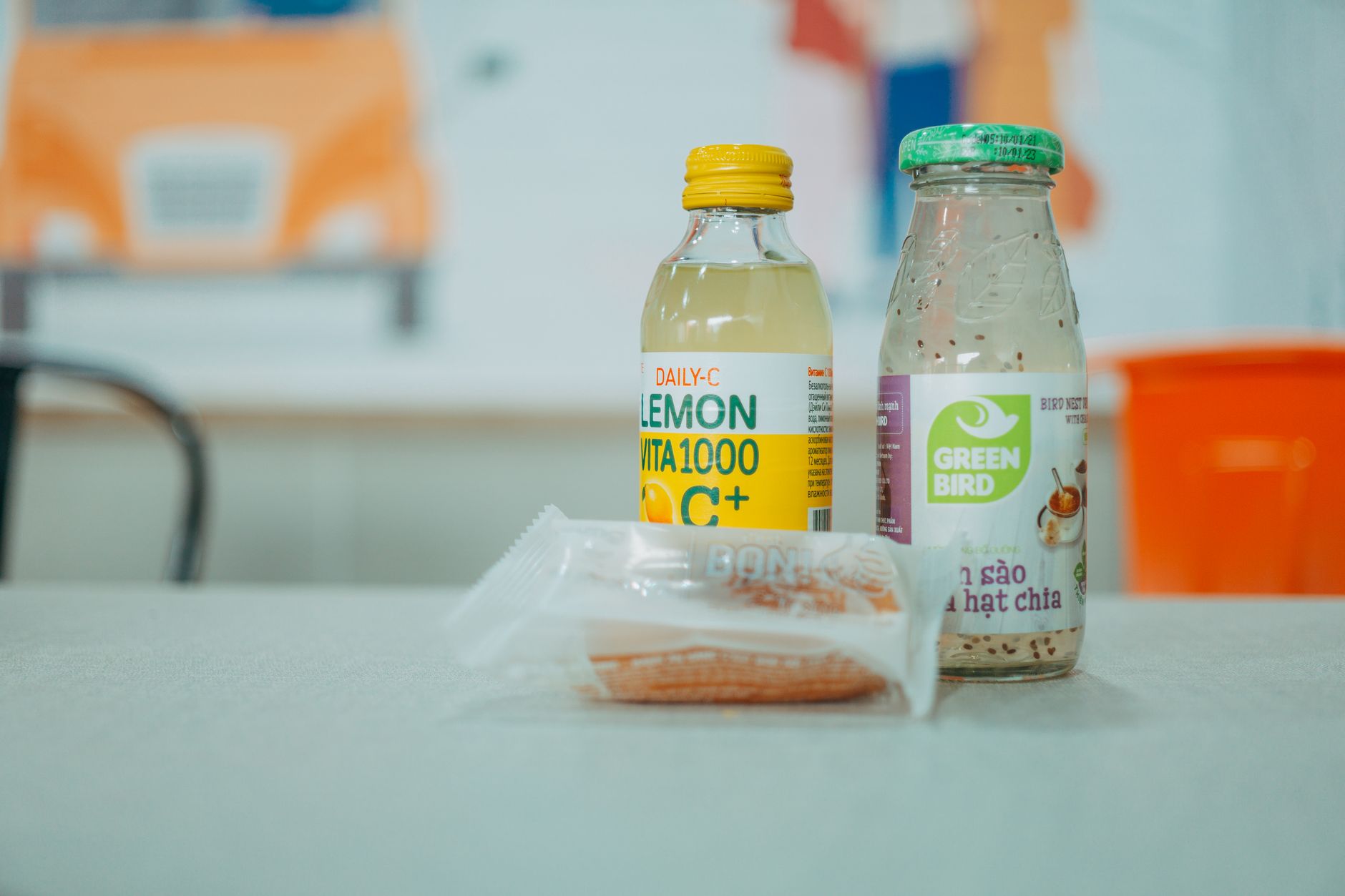
While chia seeds are generally safe for most people, their unique nutritional profile necessitates caution for specific populations. A responsible approach requires understanding these potential risks and contraindications.
Individuals with Gastrointestinal Sensitivities or Swallowing Difficulties
Chia seeds absorb 10–12 times their weight in water, forming a gel. For those with a history of dysphagia (difficulty swallowing), esophageal strictures, or significant gastroesophageal reflux disease (GERD), consuming dry seeds or inadequately hydrated seeds poses a risk of esophageal obstruction. Always consume chia seeds that have been fully soaked in liquid for at least 10–15 minutes.
Their high soluble fiber content (about 11 grams per ounce) can cause significant bloating, gas, or abdominal discomfort, especially when introduced suddenly or consumed in large quantities. Individuals with inflammatory bowel disease (IBD), irritable bowel syndrome (IBS), or a history of bowel obstructions should introduce chia seeds in very small amounts (e.g., half a teaspoon) and monitor tolerance closely.
People on Specific Medications or with Certain Medical Conditions
Chia seeds may interact with certain medications due to their fiber and potential blood sugar- and blood pressure-lowering effects.
- Blood Thinners (Anticoagulants/Antiplatelets): Chia seeds are a source of omega-3 fatty acids (ALA), which in very high doses may have mild antiplatelet effects. While the amount in typical dietary servings is unlikely to cause issues, individuals on medications like warfarin, clopidogrel, or aspirin should inform their doctor about significant, regular consumption to ensure stable therapeutic levels.
- Blood Pressure Medications: Preliminary studies suggest chia may have a modest hypotensive effect. Those on antihypertensive drugs should monitor their blood pressure and consult their physician, as dosage adjustments may be necessary.
- Diabetes Medications: Due to their gel-forming fiber, chia seeds can slow carbohydrate absorption and lower post-meal blood sugar. This is generally beneficial, but for individuals on insulin or hypoglycemic drugs (e.g., sulfonylureas), it could potentially increase the risk of hypoglycemia. Blood glucose should be monitored closely when adding chia to the diet.
Clinical Perspective: The primary risk is not toxicity but mechanical and interactive effects. From a gastroenterology standpoint, proper hydration is non-negotiable. From a cardiology or endocrinology perspective, the interactions are typically manageable with monitoring but underscore why patients on critical medications must keep their care team informed of significant dietary changes.
Special Considerations: Allergies and Surgery
Though rare, allergic reactions to chia seeds have been reported, particularly in individuals with allergies to other seeds (e.g., sesame, mustard). As with any new food, start with a small amount to check for tolerance.
Due to the theoretical risk of affecting blood pressure and bleeding, it is a standard preoperative recommendation to discontinue high-dose chia seed supplementation at least 1–2 weeks before elective surgery. Always follow your surgeon's specific preoperative instructions.
In summary, chia seeds are a safe addition for most, but specific groups should proceed with informed caution and, when in doubt, seek guidance from a healthcare professional.
4. Three Evidence-Based Strategies for Hunger Reduction
Chia seeds are a functional food whose satiating properties are supported by a specific physiological mechanism. Their high soluble fiber content, primarily mucilage, forms a viscous gel when hydrated. This gel slows gastric emptying and nutrient absorption, promoting a prolonged feeling of fullness and moderating postprandial blood glucose levels. The following strategies leverage this property for effective hunger management.
1. Strategic Pre-Meal Hydration
Consuming chia seeds in a hydrated state before a meal is the most evidence-supported method. Soak one tablespoon (approximately 12 grams) of seeds in at least 250 ml of water, juice, or plant-based milk for 15–30 minutes until a gel forms. Consuming this 15–30 minutes prior to a main meal can lead to reduced voluntary food intake during the meal. The gel physically occupies space in the stomach and triggers stretch receptors that signal satiety to the brain.
2. Incorporation into Balanced Meals
Adding hydrated chia seeds directly to meals enhances their fiber and protein content without significantly altering texture. Stir the gel into oatmeal, yogurt, soups, or smoothies. This integrates the seeds' satiating effects with other macronutrients, creating a synergistic effect. The combination of fiber, protein, and healthy fats from the seeds supports stable energy release and helps prevent the rapid blood sugar spikes and crashes that can trigger hunger.
3. As a Component of a Satiety-Focused Snack
Use chia gel as a base for nutritious snacks. A simple preparation is chia pudding, made by soaking seeds in milk overnight. Pairing this with a source of protein, like Greek yogurt or a handful of nuts, creates a snack designed to curb hunger for several hours. This strategy is particularly useful for managing inter-meal cravings. The evidence for this is strong for short-term satiety, though long-term weight management data is more mixed and dependent on overall diet quality.
Clinical Perspective: While these strategies are generally safe, caution is advised for individuals with certain conditions. Those with a history of dysphagia, esophageal strictures, or significant gastrointestinal hypomotility should avoid thick gels. Patients with diabetes should monitor blood glucose closely, as chia can enhance the effect of glucose-lowering medications. Always increase fiber intake gradually with ample fluids to prevent gastrointestinal discomfort. Consult a physician or dietitian if you have kidney disease or are on blood-thinning medications, as chia seeds are high in omega-3s and certain minerals.
The efficacy of these methods is contingent on consistent use as part of an overall balanced diet. They are tools for appetite regulation, not standalone solutions. Individual responses can vary based on genetics, gut microbiota, and baseline diet.
5. Safety Guidelines and When to Seek Medical Advice

While chia seeds are generally safe for most people when consumed as part of a balanced diet, certain precautions are necessary. Their high fiber content, which is central to their satiating effect, can also be a source of digestive discomfort if introduced too quickly or consumed in excess.
To minimize the risk of bloating, gas, or abdominal cramps, it is crucial to start with a small serving, such as one teaspoon daily, and gradually increase intake over one to two weeks. Always ensure chia seeds are consumed with ample fluids, as they absorb 10–12 times their weight in water. Adequate hydration is non-negotiable to prevent potential intestinal blockage.
Who Should Exercise Caution or Consult a Physician
Specific populations and individuals with certain health conditions should seek personalized medical advice before significantly increasing chia seed intake:
- Individuals with swallowing difficulties or esophageal strictures: The gel-like consistency of soaked chia seeds may pose a choking hazard if not prepared correctly.
- Those with diagnosed digestive disorders: People with inflammatory bowel disease (IBD), diverticulitis, or a history of bowel obstructions should consult a gastroenterologist, as the high fiber load may exacerbate symptoms during flare-ups.
- Individuals on medication for blood pressure or blood thinning: Preliminary in vitro and animal studies suggest chia seeds may have mild blood-thinning and hypotensive effects. While human data is limited, it is prudent for individuals on anticoagulants (e.g., warfarin) or blood pressure medications to discuss chia consumption with their doctor to monitor for potential interactions.
- People with known seed allergies: Although rare, allergic reactions to chia seeds have been documented.
Clinical Perspective: From a clinical standpoint, chia seeds are a nutrient-dense food, not a medication. Their primary mechanism for reducing hunger is through soluble fiber increasing gastric distension and slowing gastric emptying—a well-supported physiological effect. However, their impact on weight management is modest and must be contextualized within an overall diet and lifestyle. Patients should be advised that no single food is a solution for weight control, and sustainable habits are key.
Recognizing When to Seek Medical Advice
Discontinue use and consult a healthcare provider if you experience severe abdominal pain, persistent constipation, signs of an allergic reaction (hives, swelling, difficulty breathing), or any unusual bleeding. If you are pregnant, breastfeeding, or have chronic kidney disease, discussing dietary changes with your physician is a recommended precaution.
Ultimately, incorporating chia seeds can be a safe and effective strategy to enhance satiety, but it should be done thoughtfully and with awareness of individual health circumstances.
6. Questions & Expert Insights
Can chia seeds really help with weight management, or is this just a trend?
Chia seeds can be a supportive tool for weight management, but they are not a standalone solution. The primary mechanism is their high soluble fiber content, which absorbs water to form a gel, slowing gastric emptying and promoting feelings of fullness. This can help reduce spontaneous calorie intake. Evidence from several small, short-term studies supports this effect on satiety. However, the long-term impact on significant weight loss is less clear and depends entirely on incorporating them into an overall balanced diet and healthy lifestyle. They provide calories and nutrients, not a calorie deficit. Viewing them as one component of a nutrient-dense diet, rather than a "magic bullet," is the most evidence-based perspective.
What are the potential side effects or risks of adding chia seeds to my diet?
Introducing chia seeds, particularly in large amounts or without adequate fluid, carries specific risks. The most common issue is gastrointestinal discomfort, including bloating, gas, or constipation, due to the rapid increase in fiber intake. To mitigate this, start with a small dose (e.g., 1 teaspoon daily) and increase gradually while drinking plenty of water. A more serious, though rare, risk is esophageal impaction. Consuming dry chia seeds followed by a small amount of liquid can cause them to swell and block the esophagus, a dangerous situation. Always mix chia seeds into ample liquid (like yogurt, oatmeal, or a full glass of water) and let them gel for several minutes before consuming.
Who should avoid or be very cautious with this approach?
Certain individuals should consult a healthcare provider before regularly consuming chia seeds. This includes:
- Individuals with swallowing disorders (dysphagia) or esophageal strictures: The gelling property poses a significant choking hazard.
- Those with diagnosed digestive conditions like IBD, diverticulitis, or a history of bowel obstructions: The high fiber load may exacerbate symptoms during flare-ups.
- People on blood-thinning medications (e.g., warfarin) or with bleeding disorders: Chia seeds contain omega-3s (ALA), which in very high doses may have mild antiplatelet effects. Consistency in intake is key to avoid fluctuating vitamin K levels for those on warfarin.
- Individuals with kidney disease: Chia seeds are high in phosphorus, which can be problematic for those with compromised kidney function who need to manage mineral levels.
When should I talk to my doctor or a dietitian about using chia seeds, and what should I bring to that conversation?
You should schedule a conversation if you have any of the pre-existing conditions mentioned above, are on multiple medications, or are pursuing weight management for a specific health condition (e.g., diabetes, hypertension). Come prepared to make the discussion productive. Bring:
- A list of all medications and supplements you currently take, including dosages.
- Your specific goal (e.g., "reduce afternoon snacking," "add more fiber to help with regularity").
- A description of how you plan to use chia seeds—the amount, frequency, and method of preparation (e.g., "1 tablespoon soaked in oatmeal every morning").
- Any relevant medical history, especially regarding gut health, kidney function, or surgeries.
7. In-site article recommendations
8. External article recommendations
9. External resources
The links below point to reputable medical and evidence-based resources that can be used for further reading. Always interpret them in the context of your own situation and your clinician’s advice.
-
examine examine.comchia seeds – Examine.com (search)
-
mayoclinic mayoclinic.orgchia seeds – Mayo Clinic (search)
-
drugs drugs.comchia seeds – Drugs.com (search)
These external resources are maintained by third-party organisations. Their content does not represent the editorial position of this site and is provided solely to support readers in accessing additional professional information.