
1. Introduction to Chia Seeds and Cleanse Context
Chia seeds (Salvia hispanica L.) are a nutrient-dense food with a long history of traditional use. In contemporary nutrition, they are recognized for their high content of soluble fiber, plant-based omega-3 fatty acids (alpha-linolenic acid), protein, and various micronutrients. Their unique property of forming a hydrophilic gel when soaked in liquid is central to their functional use in dietary patterns.
This chapter provides a foundational context for understanding how chia seeds can be integrated into dietary approaches often labeled as "cleanses." It is crucial to define this term from a clinical perspective. In popular culture, a "cleanse" may imply detoxification or radical dietary restriction. However, from an evidence-based standpoint, the body's hepatic, renal, and gastrointestinal systems are highly efficient at endogenous detoxification.
A more responsible and sustainable interpretation of a "cleanse" is a short-term, intentional dietary reset focused on:
- Increasing intake of whole, minimally processed foods.
- Prioritizing hydration and dietary fiber to support regular gastrointestinal motility.
- Reducing or eliminating intake of ultra-processed foods, added sugars, and excessive saturated fats.
- Providing a structured pause to reflect on eating habits.
Within this framework, chia seeds offer specific, evidence-supported benefits that align with these goals. The soluble fiber can promote satiety, help modulate blood glucose levels, and support bowel regularity. The gelling action can also aid in hydration by slowing fluid absorption.
Who should exercise caution or consult a physician first: Individuals with a history of swallowing difficulties, esophageal strictures, or significant gastrointestinal disorders like inflammatory bowel disease should be wary of the gel-like consistency. Those with kidney disease or on blood-thinning medications should discuss increased intake of foods high in omega-3s and minerals like phosphorus with their doctor. Anyone with a history of eating disorders should avoid restrictive "cleanse" protocols altogether.
The following chapters will explore practical, smart ways to incorporate chia seeds, emphasizing safety, evidence, and balanced nutrition over extreme or unsupported claims.
2. Evidence and Mechanisms Behind Chia Seed Benefits

The purported health benefits of chia seeds are primarily attributed to their unique nutritional composition. The evidence supporting these benefits varies in strength, from well-established physiological mechanisms to areas requiring more robust clinical trials.
Strongly Supported Mechanisms
The most robust evidence surrounds chia seeds' role in digestive health and blood sugar modulation, driven by their high soluble fiber content.
- Digestive Regularity & Satiety: When mixed with liquid, chia seeds form a viscous gel due to their soluble fiber. This gel adds bulk to stool and can slow gastric emptying, promoting feelings of fullness. This mechanism is well-understood and forms a solid basis for their inclusion in dietary plans focused on appetite control.
- Blood Sugar Attenuation: The same gel-forming property can slow the conversion of carbohydrates into sugar and its absorption into the bloodstream. Several small human studies have shown modest improvements in post-meal blood glucose levels, particularly when chia seeds are consumed with a carbohydrate-rich meal.
Areas with Preliminary or Mixed Evidence
Other potential benefits are suggested by their nutrient profile but lack consistent, large-scale human data.
- Cardiovascular Markers: Chia seeds are rich in alpha-linolenic acid (ALA), an omega-3 fatty acid, and contain antioxidants. Some studies indicate improvements in blood pressure, inflammatory markers, or lipid profiles, but results are mixed. The effect appears more pronounced in individuals with established risk factors.
- Nutrient Density: They provide a good source of minerals like calcium, magnesium, and phosphorus. While this contributes to daily intake, the bioavailability of these minerals from chia seeds, influenced by their phytic acid content, is an area of ongoing research.
Clinical Perspective: From a mechanistic standpoint, chia seeds function as a functional fiber supplement with added nutritional value. Their strongest, most predictable effects are on digestion and glycemic response. Claims regarding direct disease prevention or treatment should be viewed cautiously, as they often extrapolate from nutrient composition or animal studies rather than conclusive human outcomes.
Important Cautions and Contraindications
While generally safe, certain individuals should exercise caution.
- Those with swallowing difficulties, esophageal strictures, or significant gastrointestinal disorders should avoid dry chia seeds and ensure they are fully hydrated before consumption to prevent blockage.
- Individuals on blood-thinning medications (e.g., warfarin) or with upcoming surgery should consult a doctor due to chia's potential, albeit mild, antiplatelet effects from ALA.
- Due to their high fiber content, a gradual introduction is advised to prevent bloating or gas. Adequate water intake is essential when increasing fiber consumption.
Integrating chia seeds based on their evidence-backed mechanisms—primarily as a source of soluble fiber—provides a rational approach. Their role in a "cleanse" should be framed as supporting digestive function and nutrient intake, not as a detoxifying agent, a concept not supported by physiology.
3. Risks, Contraindications, and Populations to Avoid
While chia seeds are a nutrient-dense food, incorporating them into a cleanse or any dietary regimen requires careful consideration of potential risks and individual health status. A responsible approach acknowledges that no single food is universally safe or appropriate for every person.
Primary Risks and Side Effects
The most common adverse effects are gastrointestinal, primarily due to their high soluble fiber content. Consuming a large quantity, especially without adequate hydration, can lead to:
- Abdominal discomfort, bloating, and gas: This is a typical response when fiber intake is increased rapidly.
- Constipation or, paradoxically, diarrhea: Constipation can occur if chia seeds absorb fluid in the gut without sufficient water intake. Diarrhea may result from a sudden high-fiber load.
- Potential for bowel obstruction: There are rare case reports of esophageal or intestinal obstruction when dry chia seeds were consumed and then expanded in situ without proper liquid. This underscores the critical importance of always consuming chia seeds pre-soaked or with ample fluid.
Specific Populations to Exercise Caution or Avoid
Certain individuals should consult a healthcare provider before adding significant amounts of chia seeds to a cleanse.
- Individuals with swallowing disorders or esophageal strictures: The gel-like texture of soaked chia seeds may pose a choking risk for those with dysphagia.
- People with diagnosed digestive conditions: Those with inflammatory bowel disease (IBD), Crohn's disease, ulcerative colitis, or a history of bowel obstructions may experience flare-ups from high-fiber foods.
- Individuals on specific medications: Due to their high fiber content, chia seeds can potentially slow the absorption of some oral medications. It is generally advised to take medications at least 1-2 hours apart from consuming chia seeds. More importantly, chia seeds contain omega-3 fatty acids (ALA), which may have a mild antiplatelet effect. While the evidence for a clinically significant interaction is limited, individuals on anticoagulant (e.g., warfarin) or antiplatelet (e.g., aspirin, clopidogrel) therapy should discuss this with their physician.
- Those with kidney disease: Chia seeds are a source of phosphorus and potassium. Individuals with advanced chronic kidney disease (CKD) who require dietary restriction of these minerals should account for chia seed intake within their prescribed limits.
- People with seed allergies: Though uncommon, allergic reactions to chia seeds have been reported. Those with known allergies to mustard seeds or sesame seeds may be at higher risk due to potential cross-reactivity.
Clinical Perspective: From a medical standpoint, the concept of a "cleanse" itself is often problematic, as the body's hepatic and renal systems are inherently designed for detoxification. Adding chia seeds is not a detoxifying action but a dietary modification. The primary risk is not from the seeds per se, but from their misuse within restrictive or extreme cleansing protocols that may lead to nutrient deficiencies, electrolyte imbalances, or exacerbation of pre-existing conditions. A balanced, food-first approach is always preferable to a short-term "cleanse."
In summary, while chia seeds can be part of a healthy diet, their use in a cleanse necessitates an individualized assessment. Anyone with the conditions mentioned above, or those considering a significant dietary change, should seek personalized advice from a doctor or registered dietitian.
4. Practical Takeaways: Five Smart Usage Methods
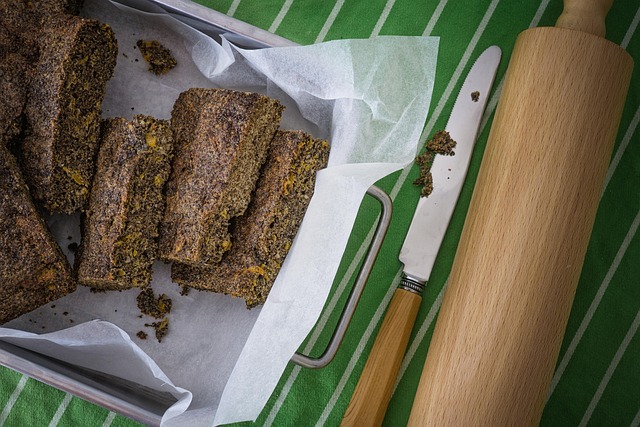
Integrating chia seeds into a dietary pattern can be a practical way to increase fiber and nutrient intake. The following methods are grounded in their known nutritional properties, such as high soluble fiber content, which supports satiety and digestive regularity. It is important to note that while chia seeds are a nutritious food, claims regarding specific "cleansing" or detoxifying effects are not strongly supported by high-quality clinical evidence. Their primary benefit in this context is likely through supporting normal digestive function.
1. The Pre-Meal Hydration Gel
Soak one tablespoon of chia seeds in a large glass (250-300ml) of water for 15-30 minutes until a gel forms. Consuming this 20 minutes before a main meal can promote a feeling of fullness, which may help moderate portion size. This method leverages the seeds' ability to absorb water and expand.
2. The Overnight Digestive Support
Mix two tablespoons of chia seeds into a serving of plain yogurt or unsweetened plant-based milk. Cover and refrigerate overnight. The seeds will soften and swell, creating a pudding-like texture. This provides a sustained-release source of fiber that can support bowel regularity the following morning.
3. The Smoothie Stabilizer
Add one tablespoon of dry or pre-soaked chia seeds to your smoothie. The soluble fiber can help slow the absorption of sugars from the fruit, potentially blunting the glycemic response. It also adds thickness and nutritional density to the beverage.
4. The Simple Salad Topper
Sprinkle a teaspoon or two of dry chia seeds onto salads, soups, or cooked vegetables. This adds a minor crunch, omega-3 fatty acids (ALA), and fiber without significantly altering flavor. It is one of the simplest ways to incorporate them consistently.
5. The Hydration-Boosting Infusion
Add one teaspoon of chia seeds to a large bottle of water, along with a squeeze of citrus (e.g., lemon or lime). Shake well and consume within a few hours. The seeds will begin to gel, creating a textured drink that can encourage increased fluid intake, which is fundamental for hydration and digestive health.
Clinical Consideration: While generally safe for most, chia seeds require caution in specific populations. Individuals with a history of swallowing difficulties, esophageal strictures, or inflammatory bowel disease with strictures should consume them only in a fully gelled form to avoid obstruction. Those on blood-thinning medications or with upcoming surgical procedures should discuss their intake with a doctor due to a theoretical, though minimal, effect on bleeding. Most importantly, increase fiber and fluid intake gradually to avoid gastrointestinal discomfort.
These methods are best viewed as components of a balanced, varied diet. There is no high-quality evidence that chia seeds alone perform a "cleanse." Sustainable health practices focus on consistent, evidence-based nutrition rather than short-term dietary interventions.
5. Safety Considerations and When to Seek Medical Advice
While chia seeds are generally recognized as safe for most people, their concentrated use in a cleanse or detox protocol introduces specific considerations. A clinically responsible approach requires acknowledging potential risks, individual contraindications, and the importance of professional guidance.
Key Safety Considerations
The primary safety concerns with high-dose chia seed consumption relate to their physical properties and nutrient profile.
- Gastrointestinal Distress: Their high soluble fiber content (up to 10 grams per ounce) can cause significant bloating, gas, cramping, or constipation, especially with a sudden, large increase in intake. Adequate hydration is non-negotiable, as the seeds absorb 10–12 times their weight in water.
- Choking Hazard: Dry chia seeds can rapidly absorb fluid and expand in the esophagus, posing a risk of obstruction. They must always be consumed pre-soaked or with ample liquid.
- Nutrient Absorption: The phytic acid in chia seeds can bind to minerals like iron and zinc, potentially reducing their absorption if consumed in very large quantities as a staple of the diet.
- Blood Pressure and Anticoagulation: Preliminary evidence suggests chia seeds may have a mild blood-thinning and blood pressure-lowering effect. While this is often cited as a benefit, it warrants caution for individuals on antihypertensive or anticoagulant (blood-thinning) medications like warfarin.
Clinical Insight: From a medical perspective, the concept of a "cleanse" is not supported by robust evidence, as the liver and kidneys are highly efficient detoxification organs. The primary value of incorporating chia seeds lies in their nutritional density, not in detoxifying properties. Any protocol that severely restricts calories or essential food groups can be harmful.
Who Should Exercise Caution or Seek Medical Advice First?
Certain individuals should consult a physician or registered dietitian before significantly increasing chia seed intake or starting any cleanse-like protocol.
- Individuals with Gastrointestinal Disorders: Those with a history of dysphagia (swallowing difficulties), strictures, Crohn's disease, ulcerative colitis, or irritable bowel syndrome (IBS) may experience exacerbated symptoms.
- People with Kidney Disease: Chia seeds are a source of phosphorus and protein. Patients with chronic kidney disease (CKD) often need to restrict these nutrients and should not alter their intake without medical supervision.
- Those on Specific Medications: As noted, individuals taking blood pressure medications, blood thinners, or diabetes medications (due to potential blood sugar effects) require monitoring, as chia seeds may potentiate drug effects.
- People with Food Allergies: Although rare, allergic reactions to chia seeds have been reported. Those with known allergies to mustard seeds or sesame seeds may be at higher risk due to potential cross-reactivity.
- Pregnant or Breastfeeding Women: While chia seeds are a nutritious food, any restrictive dietary protocol during these periods is not recommended without direct oversight from a healthcare provider.
The evidence supporting the unique benefits of chia seeds in a "cleanse" over a balanced diet is limited. The most prudent approach is to integrate them thoughtfully into a varied diet, heed these safety considerations, and always prioritize medical advice for personalized health decisions.
6. Questions & Expert Insights
Can chia seeds truly "detox" or "cleanse" the body?
The term "detox" is often used loosely in wellness circles. From a clinical perspective, the body has highly efficient, built-in detoxification systems—primarily the liver and kidneys. There is no high-quality scientific evidence that chia seeds, or any specific food, can "cleanse" these organs beyond their normal function. However, chia seeds can support overall digestive and metabolic health in ways that may be interpreted as a "cleanse." Their high soluble fiber content (about 10 grams per ounce) absorbs water, forming a gel that can slow digestion, promote satiety, and support regular bowel movements, which aids in the natural elimination of waste. The key takeaway is that chia seeds are a nutrient-dense food that supports the body's inherent processes, not a magic bullet for detoxification.
What are the main risks or side effects of using chia seeds in a cleanse protocol?
The primary risks are related to their extreme absorbency and high fiber content. Consuming dry chia seeds without sufficient liquid poses a significant choking or esophageal obstruction hazard, as they can rapidly expand. Always mix them into ample liquid and allow them to gel for several minutes before consuming. Introducing a large amount of fiber too quickly can cause gastrointestinal distress, including bloating, gas, and abdominal cramping. To mitigate this, start with a small dose (e.g., half a tablespoon daily) and increase gradually while drinking plenty of water. For individuals with a history of swallowing difficulties, inflammatory bowel disease (like Crohn's or ulcerative colitis), or certain gastrointestinal surgeries, chia seeds may be contraindicated and should be avoided unless approved by a gastroenterologist.
Who should be especially cautious or avoid a chia seed cleanse approach?
Several populations should exercise extreme caution or avoid this approach entirely. Individuals with kidney disease need to monitor phosphorus intake, and chia seeds are high in phosphorus. Those with diverticulitis (active inflammation) may need to avoid seeds. People with blood pressure disorders on medication or those about to undergo surgery should be aware that chia seeds might theoretically affect blood pressure and blood clotting due to omega-3s, though evidence is mixed. Most critically, any "cleanse" that involves significant calorie restriction or dietary alteration is not appropriate for individuals with a history of eating disorders, diabetes, pregnant or breastfeeding women, children, or those who are underweight or malnourished. For these groups, drastic dietary changes can pose serious health risks.
When should I talk to my doctor before starting, and what should I discuss?
Consult a physician or a registered dietitian before starting any structured cleanse, especially if you have a pre-existing medical condition, take regular medications, or are pregnant. Schedule this conversation to review your specific plan. Bring a clear list of all medications and supplements you take, as high fiber can interfere with the absorption of certain drugs (e.g., some antidepressants, diabetes, and cholesterol medications). Discuss your intended daily chia seed quantity, the duration of the plan, and any other dietary restrictions involved. Be prepared to ask: "Given my health history and medications, are there any specific risks or interactions I should be aware of?" and "What objective signs (e.g., changes in blood sugar, bowel habits, energy) should prompt me to stop and contact you?" This ensures a safety check tailored to your personal health profile.
7. In-site article recommendations
8. External article recommendations
9. External resources
The links below point to reputable medical and evidence-based resources that can be used for further reading. Always interpret them in the context of your own situation and your clinician’s advice.
-
wikipedia wikipedia.orgchia seeds – Wikipedia (search)
-
mayoclinic mayoclinic.orgchia seeds – Mayo Clinic (search)
-
healthline healthline.comchia seeds – Healthline (search)
These external resources are maintained by third-party organisations. Their content does not represent the editorial position of this site and is provided solely to support readers in accessing additional professional information.