
1. Introduction to Chia Seeds: Nutritional Context and Background

Chia seeds (Salvia hispanica L.) are a nutrient-dense food with a long history of use in Mesoamerican cultures. In modern nutritional science, they are recognized for their unique composition, which contributes to their proposed benefits for satiety and digestive health. Understanding this nutritional profile provides the necessary context for appreciating their role in a balanced diet.
The primary nutritional components of chia seeds are:
- Dietary Fiber: Approximately 34-40% of the seed's weight is fiber, with a significant portion being soluble fiber. This soluble fiber forms a gel-like substance when mixed with liquid, a property central to many recipes.
- Omega-3 Fatty Acids: Chia seeds are a rich plant-based source of alpha-linolenic acid (ALA). The body must convert ALA to the more active forms, EPA and DHA, a process that is inefficient in humans.
- Protein: They contain about 16-18% protein, including all nine essential amino acids, making them a relatively complete plant protein.
- Minerals: They provide notable amounts of calcium, magnesium, phosphorus, and manganese.
The evidence supporting chia seeds' role in promoting satiety is reasonably strong, primarily attributed to their high fiber and protein content. The gel-forming soluble fiber can slow gastric emptying, potentially leading to a prolonged feeling of fullness. The evidence for direct, significant weight loss from chia seed consumption alone, however, is more limited and mixed.
For digestive health, the high fiber content supports bowel regularity. The gel-forming action may also act as a prebiotic, feeding beneficial gut bacteria, though more research is needed to fully characterize this effect in diverse populations.
Clinical Consideration: While generally safe for most, the high fiber content requires a cautious approach. Individuals not accustomed to high-fiber diets should introduce chia seeds gradually with ample fluids to avoid gastrointestinal discomfort, bloating, or constipation. Those with a history of dysphagia (swallowing difficulties) or esophageal strictures should consume them only in a fully gelled form to avoid the risk of obstruction. People on blood-thinning medications or with upcoming surgeries should consult their physician due to chia's potential, albeit mild, antiplatelet effect from its ALA content.
This foundational knowledge sets the stage for exploring practical, evidence-informed ways to incorporate chia seeds into the diet through recipes designed to leverage these nutritional properties effectively and safely.
2. Scientific Evidence and Mechanisms Behind Chia Seeds

The purported health benefits of chia seeds are primarily attributed to their unique nutritional composition. The key mechanisms of action involve their high soluble fiber content, favorable lipid profile, and antioxidant capacity. Understanding these mechanisms provides a rational basis for their inclusion in a balanced diet.
Core Mechanisms of Action
Chia seeds exert their primary effects through three interconnected pathways:
- Gel-Forming Soluble Fiber: When mixed with liquid, the soluble fiber (mucilage) in chia seeds forms a viscous gel. This gel slows gastric emptying and the rate of carbohydrate digestion, contributing to prolonged satiety and more stable postprandial blood glucose levels.
- Omega-3 Fatty Acids (ALA): Chia seeds are one of the richest plant sources of alpha-linolenic acid (ALA). ALA is an essential fatty acid with anti-inflammatory properties, though its conversion in the human body to the more active forms (EPA and DHA) is relatively inefficient.
- Antioxidant Activity: The seeds contain polyphenols and other compounds that can neutralize free radicals. This activity may help protect the seed's own oils from rancidity and could contribute to systemic antioxidant defense.
Evaluating the Clinical Evidence
The evidence supporting these mechanisms varies in strength. The gel-forming property and its impact on satiety and glycemic response are well-documented in short-term, controlled studies. For instance, research consistently shows that consuming chia seeds can blunt the blood sugar spike following a carbohydrate-rich meal.
Evidence for broader clinical outcomes, such as significant long-term weight loss or cardiovascular event reduction, is more limited and mixed. Several randomized controlled trials have shown modest improvements in cardiovascular risk factors like systolic blood pressure and inflammatory markers in individuals with type 2 diabetes or metabolic syndrome. However, other studies in healthy populations have failed to show significant effects.
Clinical Perspective: From a clinical standpoint, chia seeds are best viewed as a functional food that can support dietary strategies for glycemic control and satiety, rather than a standalone therapeutic agent. Their high fiber content is their most reliably beneficial attribute, directly supporting digestive health and the mechanism behind the "chia pudding" phenomenon.
Important Cautions: Individuals with a history of dysphagia (swallowing difficulties), esophageal strictures, or significant gastrointestinal disorders like Crohn's disease should use caution, as the gel-forming property could pose a risk. Those on blood-thinning medications or with upcoming surgical procedures should consult a physician due to the theoretical, though likely minimal, anticoagulant effect of high ALA intake. Always consume chia seeds with ample fluid.
3. Risks and Populations to Avoid Chia Seed Consumption
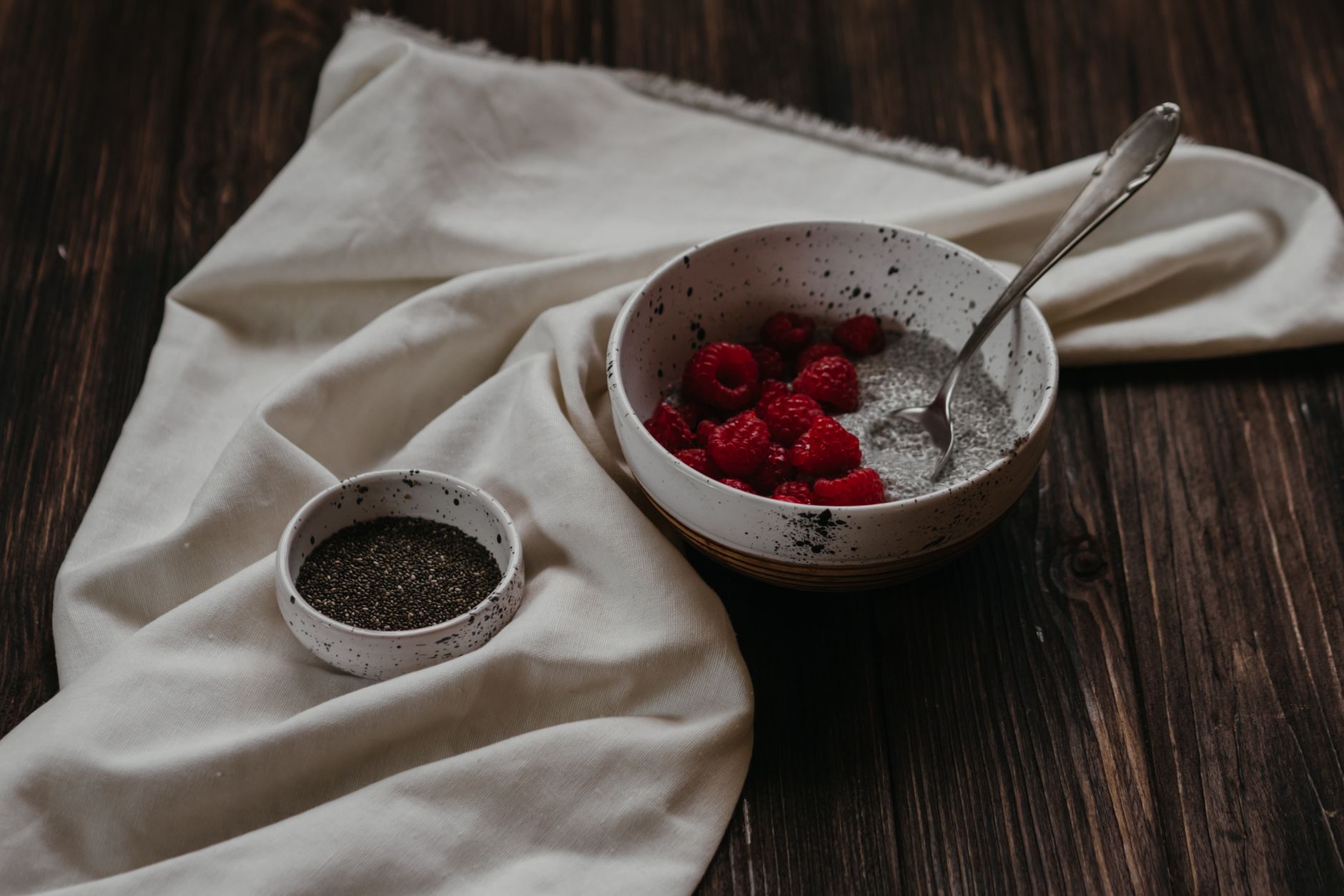
While chia seeds are a nutritious food for most, their unique physical and chemical properties necessitate caution for specific individuals. A responsible approach requires understanding these potential risks and contraindications.
Primary Gastrointestinal and Mechanical Risks
The most common adverse effects are gastrointestinal, primarily due to the seeds' exceptional water-absorbing capacity. Consuming dry seeds without sufficient liquid poses a significant choking or esophageal obstruction hazard, as they can rapidly form a gel-like bolus. To mitigate this, chia seeds should always be pre-soaked or consumed with ample fluids.
Even when prepared correctly, a sudden, large increase in fiber intake can cause:
- Abdominal bloating and discomfort
- Excessive gas (flatulence)
- Diarrhea or constipation
Introducing chia seeds gradually, starting with one teaspoon daily and increasing slowly with adequate water intake, allows the digestive system to adapt.
Populations Requiring Medical Consultation
Certain health conditions warrant professional guidance before incorporating chia seeds into the diet. Key groups include:
- Individuals with Dysphagia or Esophageal Strictures: The gel-like texture of soaked seeds may still present a swallowing challenge.
- Those with Inflammatory Bowel Disease (IBD) or a History of Bowel Obstruction: During active flares of Crohn's disease or ulcerative colitis, high-fiber foods like chia seeds may exacerbate symptoms and are often contraindicated.
- People on Specific Medications: Due to their high soluble fiber content, chia seeds can slow gastric emptying and potentially delay or reduce the absorption of some medications. This is a particular concern for drugs with a narrow therapeutic index, such as certain anticoagulants (e.g., warfarin), anti-diabetics, and thyroid medications. Taking medications at least 1-2 hours apart from chia consumption is a prudent strategy, but medical advice is essential.
- Individuals with Hypotension or Upcoming Surgery: Preliminary animal and in-vitro studies suggest chia seeds may have a blood pressure-lowering effect. While strong human evidence is lacking, individuals with low blood pressure or those scheduled for surgery should discuss consumption with their physician as a precaution.
Clinical Perspective: From a clinical standpoint, chia seeds are a food, not a medication. However, their potent fiber and fat profile means they can interact with digestive physiology and pharmacokinetics. The principle of "start low and go slow" is paramount. For patients with complex medical histories or polypharmacy, a brief discussion with a doctor or dietitian can ensure safe integration and prevent unintended interactions.
In summary, while chia seeds offer substantial health benefits for the general population, their consumption is not universally appropriate. Recognizing these risks allows for informed, safe, and personalized dietary choices.
4. Practical Applications: Recipes and Dietary Integration

Integrating chia seeds into your diet can be a practical strategy to enhance satiety and support digestive health, primarily due to their high soluble fiber content. The following recipes are designed to leverage these properties in a balanced, evidence-informed manner. It is important to note that while the fiber in chia seeds is well-established to promote feelings of fullness and support bowel regularity, individual responses can vary.
Smart Recipe Concepts for Enhanced Satiety
These concepts focus on combining chia seeds with other nutrient-dense foods to create balanced meals and snacks.
- Overnight Chia Pudding: Combine 3 tablespoons of chia seeds with 1 cup of unsweetened almond milk or Greek yogurt. Let it sit overnight. The seeds will form a gel, creating a pudding high in fiber and protein. Top with berries for added antioxidants.
- Hydration Booster: Add 1 tablespoon of chia seeds to a large bottle of water, lemon water, or unsweetened herbal tea. Allow it to sit for 10-15 minutes, stirring occasionally. This creates a hydrating, fiber-rich beverage that can promote fullness before meals.
- Seed & Nut Topper: Grind or whole, mix chia seeds with flaxseeds and chopped nuts. Use this blend as a topping for oatmeal, salads, or soups to add texture, healthy fats, and fiber.
Dietary Integration and Clinical Considerations
For optimal digestive tolerance and nutrient absorption, start with a smaller serving, such as one teaspoon daily, and gradually increase to 1-2 tablespoons. Always consume chia seeds with ample fluid, as they absorb 10-12 times their weight in water. This is crucial to prevent potential esophageal or intestinal blockage, a rare but serious risk if consumed dry.
Clinical Insight: The satiating effect of chia seeds is attributed to the gel-forming soluble fiber, which delays gastric emptying. This mechanism is supported by research on viscous dietary fibers in general. However, direct, high-quality trials on chia seeds specifically for long-term weight management are more limited. Individuals with a history of dysphagia, esophageal strictures, or significant gastrointestinal motility disorders should exercise caution and consult a gastroenterologist. Those on medication for diabetes or blood pressure should monitor levels closely, as chia seeds may have additive effects.
Ultimately, chia seeds are a versatile tool within a broader pattern of healthy eating. Their success depends on consistent integration into a balanced diet rather than any single "miracle" recipe. Consult a registered dietitian or physician for personalized advice, especially if you have underlying digestive or metabolic conditions.
5. Safety Protocols and When to Consult a Healthcare Provider

While chia seeds are generally recognized as safe for most adults, their high fiber and unique gelling properties necessitate specific safety considerations. A responsible approach ensures you gain their benefits without adverse effects.
Core Safety Protocols
Adhering to these protocols can prevent common digestive discomfort and ensure safe consumption:
- Hydration is Non-Negotiable: Chia seeds absorb 10–12 times their weight in water. Consuming them dry, especially in large quantities, poses a risk of esophageal obstruction. Always pre-soak chia seeds (for at least 15–30 minutes) or consume them in an adequately liquid medium like yogurt, smoothies, or overnight oats.
- Start Low and Go Slow: If you are new to high-fiber foods, begin with a small serving (e.g., 1 teaspoon daily) and gradually increase to a typical serving of 1–2 tablespoons. This allows your gastrointestinal microbiota to adapt, minimizing bloating and gas.
- Mind Your Total Fiber Intake: Two tablespoons of chia seeds provide about 10 grams of fiber. Exceeding 50–70 grams of total fiber daily from all sources can lead to significant abdominal cramping, bloating, and, in extreme cases, nutrient malabsorption.
Clinical Insight: The risk of gastrointestinal obstruction from dry chia seeds, while rare, is a documented clinical concern, particularly in individuals with a history of dysphagia or esophageal strictures. The pre-soaking protocol is a simple, evidence-based preventive measure that should not be overlooked.
When to Consult a Healthcare Provider
Certain individuals should seek personalized medical advice before incorporating chia seeds regularly into their diet:
- Individuals on Anticoagulant or Antiplatelet Therapy: Preliminary in vitro and animal studies suggest chia seeds contain omega-3 fatty acids (ALA) and other compounds that may have mild anticoagulant effects. The clinical significance in humans is not well-established, but consultation with a physician is prudent for those on medications like warfarin, clopidogrel, or aspirin to monitor for potential interactions.
- Those with Gastrointestinal Disorders: People with active inflammatory bowel disease (IBD), a history of bowel obstructions, or severe irritable bowel syndrome (IBS) may not tolerate the sudden influx of soluble fiber, which can exacerbate symptoms.
- Individuals with Kidney Disease or Hypertension on Strict Fluid Restriction: Due to the required high fluid intake with chia consumption, patients on medically necessary fluid restrictions must discuss this with their nephrologist or cardiologist.
- People with Known Seed Allergies: Although uncommon, allergic reactions to chia seeds have been reported. Those with known allergies to mustard, sesame, or other seeds should exercise caution.
- Anyone Experiencing Persistent Adverse Effects: If you experience prolonged abdominal pain, significant changes in bowel habits, or signs of an allergic reaction (hives, swelling, difficulty breathing) after consumption, discontinue use and seek medical evaluation.
In summary, chia seeds are a nutritious addition when handled with care. Prioritizing proper preparation and seeking guidance for specific health conditions ensures their integration into your diet is both safe and beneficial.
6. Questions & Expert Insights
Are chia seeds truly effective for weight management, or is this just a trend?
The evidence for chia seeds supporting weight management is promising but nuanced. Their primary mechanism is through high soluble fiber content, which absorbs water to form a gel, slowing gastric emptying and promoting a feeling of fullness (satiety). This can potentially reduce overall calorie intake. However, they are not a "magic bullet" for weight loss. Most robust studies show that chia seeds are most effective when incorporated into a balanced, calorie-controlled diet, not simply added on top of usual intake. The effect on satiety is more consistent than a direct, significant impact on weight. It's important to view them as one component of a holistic approach to nutrition, not a standalone solution.
What are the potential side effects or risks of adding chia seeds to my diet?
While generally safe for most, chia seeds can cause significant digestive discomfort if introduced too quickly or consumed improperly. The most common issue is bloating, gas, or abdominal pain due to the sudden increase in fiber. To mitigate this, start with a small dose (e.g., 1 teaspoon daily) and increase gradually over weeks while ensuring ample water intake. A critical risk is esophageal obstruction; dry chia seeds can expand and form a gel-like blockage in the throat if not consumed with sufficient liquid. Always soak chia seeds or mix them thoroughly into wet foods like yogurt, oatmeal, or smoothies. Individuals with swallowing difficulties (dysphagia) or a history of bowel obstructions should exercise extreme caution or avoid them.
Who should avoid chia seeds or talk to a doctor before trying them?
Several groups should consult a healthcare provider before regular consumption. This includes individuals with inflammatory bowel disease (IBD) like Crohn's or ulcerative colitis during a flare, as high fiber can be irritating. Those with kidney disease need to be mindful of chia seeds' notable phosphorus content. People taking blood-thinning medications (e.g., warfarin) or with bleeding disorders should discuss this, as chia seeds contain omega-3 fatty acids (ALA), which may have mild antiplatelet effects. Lastly, individuals with a history of food allergies, particularly to mustard or sesame seeds, should be cautious due to potential cross-reactivity. If you have any diagnosed chronic condition or are on regular medication, a precautionary discussion with your doctor is advised.
When should I specifically talk to a doctor about using chia seeds, and what information should I bring?
Schedule a conversation with your primary care physician or a registered dietitian if you have a pre-existing gastrointestinal condition, kidney disease, or are on medications as noted above. You should also consult a professional if you experience persistent adverse effects like severe bloating, constipation, or allergic reactions after consumption. For the most productive discussion, come prepared. Bring a list of all your current medications and supplements. Be ready to describe your typical daily diet and how you plan to incorporate chia seeds (e.g., "one tablespoon soaked in my morning smoothie"). Mention your health goals (e.g., "improve satiety to help with weight management") and any specific symptoms you're hoping to address. This allows your provider to give personalized, safe, and effective guidance within your overall health plan.
7. In-site article recommendations
8. External article recommendations
9. External resources
The links below point to reputable medical and evidence-based resources that can be used for further reading. Always interpret them in the context of your own situation and your clinician’s advice.
-
wikipedia wikipedia.orgchia seeds – Wikipedia (search)
-
examine examine.comchia seeds – Examine.com (search)
-
mayoclinic mayoclinic.orgchia seeds – Mayo Clinic (search)
These external resources are maintained by third-party organisations. Their content does not represent the editorial position of this site and is provided solely to support readers in accessing additional professional information.