
1. Introduction to Chia Seeds and Digestive Health
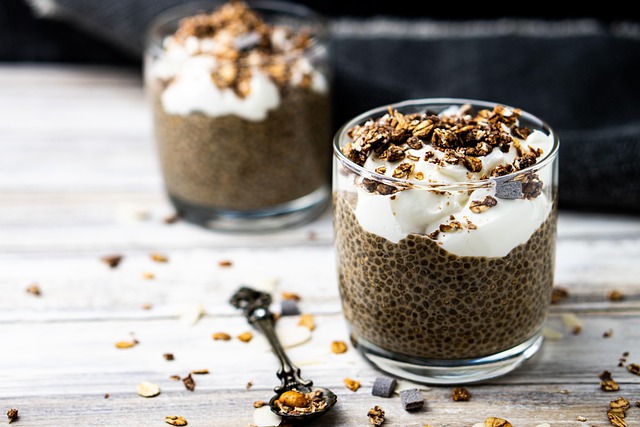
Chia seeds (Salvia hispanica L.) have garnered significant attention in nutritional science for their dense profile of soluble fiber, omega-3 fatty acids, and protein. From a clinical perspective, their potential role in supporting digestive health is primarily attributed to their unique fiber composition and gelling properties when hydrated.
The primary mechanism by which chia seeds may influence gastrointestinal function is through their high soluble fiber content, which constitutes about 34-40% of their total weight. This fiber, primarily mucilage, forms a gel-like substance in the gut. This process can have several effects:
- Modulating Bowel Transit: The gel can add soft bulk to stool, potentially aiding in the regulation of bowel movements for individuals with constipation.
- Promoting Satiety: The expansion of the gel in the stomach may contribute to a feeling of fullness, which can support weight management strategies.
- Supporting the Microbiome: Soluble fiber acts as a prebiotic, serving as a fuel source for beneficial gut bacteria, which is a cornerstone of a healthy digestive ecosystem.
Current evidence supporting these benefits is promising but requires careful interpretation. Several small-scale human trials and animal studies indicate positive effects on satiety, blood sugar regulation, and stool frequency. However, larger, long-term randomized controlled trials specifically on digestive outcomes are limited. The existing data is strong enough to consider chia seeds a functional food with plausible digestive benefits, but not a standalone treatment for any gastrointestinal disorder.
Clinical Insight: In practice, the efficacy of chia seeds for an individual is highly dose-dependent and contingent on adequate hydration. Introducing them without sufficient fluid intake can paradoxically worsen constipation or cause obstruction. They are best viewed as one component of a broader, fiber-rich diet, not a quick fix.
It is crucial to approach their use with caution in specific populations. Individuals with a history of dysphagia (difficulty swallowing), esophageal strictures, or significant gastrointestinal motility disorders should avoid dry chia seeds and use only fully pre-hydrated forms under medical guidance. Those with inflammatory bowel disease (IBD) during a flare, or a history of bowel obstructions, should consult a gastroenterologist before incorporating them into their diet.
This introductory understanding sets the stage for a responsible, evidence-informed approach to using chia seeds. The following plan emphasizes gradual introduction, proper preparation, and integration within a balanced dietary pattern to support digestive wellness safely.
2. Evidence and Mechanisms Supporting Chia Seeds for Digestion
The proposed digestive benefits of chia seeds are primarily attributed to their unique nutritional composition, which acts through several well-understood physiological mechanisms. The most significant of these is their exceptionally high soluble fiber content.
Primary Mechanism: Soluble Fiber and the Formation of Gel
Chia seeds are composed of about 34-40% dietary fiber by weight, with the majority being soluble fiber. When mixed with water, this soluble fiber forms a viscous gel. This gel-forming capacity is central to the seed's proposed digestive effects:
- Modulated Gastric Emptying: The gel may slow the rate at which food leaves the stomach, promoting a more gradual release of nutrients into the small intestine.
- Improved Stool Bulk and Consistency: The gel absorbs water in the digestive tract, adding soft bulk to stool. This can help normalize bowel movements, potentially alleviating both constipation and diarrhea by regulating water balance in the colon.
- Prebiotic Potential: The fiber in chia seeds resists digestion in the upper GI tract and reaches the colon, where it can serve as a fermentable substrate for beneficial gut bacteria, supporting a healthier microbiome.
Evaluating the Clinical Evidence
While the mechanistic rationale is strong and supported by general fiber science, direct, high-quality clinical trials specifically on chia seeds for digestive outcomes are more limited.
Stronger Evidence: Numerous systematic reviews and meta-analyses conclusively show that increased intake of dietary fiber, particularly soluble fiber, improves stool frequency and consistency in individuals with constipation. Chia seeds, as a concentrated source, fit within this well-established dietary guideline.
More Limited Evidence: Human intervention studies using chia seeds are smaller in scale and often focus on metabolic parameters like blood lipids or glycemic control. While some of these studies note positive trends in satiety or bowel habits, robust, large-scale trials targeting conditions like IBS or chronic constipation specifically with chia are needed to make definitive clinical claims.
Clinical Perspective: From a clinical standpoint, chia seeds are considered a safe and functional food that leverages a proven mechanism—increasing soluble fiber intake. They are often recommended as part of a broader, fiber-rich diet for general digestive health. However, they are not a standalone treatment for diagnosed digestive disorders. The evidence supports their use as a dietary adjunct, not a primary therapeutic intervention.
Important Cautions: Individuals with a history of dysphagia (swallowing difficulties), esophageal strictures, or significant inflammatory bowel disease (IBD) flares should exercise caution and consult a physician, as the gel-forming property could pose a risk of obstruction if not consumed with ample fluid. It is crucial to consume chia seeds properly hydrated—either pre-soaked or with plenty of water—to allow the gel to form externally, preventing it from absorbing fluid internally and potentially causing blockage or discomfort.
3. Risks and Populations to Avoid
While chia seeds are generally safe for most people when consumed as part of a balanced diet, certain risks and contraindications exist. A responsible approach requires understanding these potential adverse effects and identifying populations for whom caution is strongly advised.
Primary Risks and Side Effects
The most common issues are gastrointestinal and relate to their high soluble fiber content. Introducing chia seeds too quickly or in excessive amounts can lead to:
- Bloating, gas, and abdominal discomfort: This is a typical response to a rapid increase in dietary fiber as gut microbiota adjust.
- Constipation or diarrhea: Paradoxically, both can occur. Constipation may happen if increased fiber intake is not accompanied by sufficient fluid. Diarrhea can result from a sudden, large fiber load.
- Esophageal obstruction risk: Dry chia seeds can absorb many times their weight in liquid. There are case reports of individuals, particularly those with a history of swallowing difficulties, experiencing obstruction after consuming dry seeds followed by water. Chia seeds must always be pre-soaked or consumed with ample liquid.
Clinical Insight: The fiber-related side effects are dose-dependent and often self-limiting. The key is gradual introduction—starting with one teaspoon daily and increasing slowly over weeks—while ensuring consistent, high water intake throughout the day, not just with the seeds.
Populations Requiring Caution or Avoidance
Certain individuals should consult a healthcare provider before incorporating chia seeds into their regimen.
- Individuals with Gastrointestinal Disorders: Those with inflammatory bowel disease (IBD), Crohn's disease, ulcerative colitis, or a history of bowel obstructions may experience flare-ups. The high fiber content can be irritating during active disease states.
- People on Specific Medications: Due to their potential to slow gastric emptying and absorption, chia seeds may theoretically affect the pharmacokinetics of medications. Individuals on drugs for diabetes (due to blood sugar-lowering effects) or hypertension (due to potential blood pressure-lowering effects) should monitor levels closely and discuss timing with their doctor. There is also a theoretical risk of interaction with blood-thinning medications like warfarin, though strong clinical evidence is lacking.
- Those with Known Seed Allergies: While rare, allergic reactions to chia seeds have been documented. Individuals with allergies to mustard seeds or sesame seeds may be at higher risk due to cross-reactivity.
- People with Kidney Disease: Chia seeds are a concentrated source of phosphorus. In advanced chronic kidney disease, the kidneys cannot excrete phosphorus effectively, leading to dangerous mineral imbalances. Intake should be medically supervised.
- Individuals Prior to Surgery: Given the theoretical effect on blood sugar and bleeding risk, it is often prudent to discontinue chia seed supplementation 1-2 weeks before elective surgical procedures.
The evidence for most serious risks is based on case reports and theoretical pharmacology, not large-scale trials. However, a precautionary approach is the hallmark of clinically responsible nutrition. If you belong to any of the above groups, a discussion with your physician or a registered dietitian is an essential first step.
4. Practical Implementation of the 7-Day Plan
Implementing a structured plan with chia seeds requires a gradual, evidence-based approach to minimize gastrointestinal discomfort and assess individual tolerance. The primary goal is to systematically increase soluble fiber intake, which can support bowel regularity and serve as a prebiotic for beneficial gut bacteria. Consistency and adequate hydration are the cornerstones of this protocol.
The following daily schedule provides a framework. Adjust quantities based on your personal response.
- Days 1 & 2 – Acclimation: Begin with 1 teaspoon (approx. 5g) of dry chia seeds, soaked in at least 1 cup (240ml) of water, plant-based milk, or unsweetened yogurt for 15-20 minutes until a gel forms. Consume this once daily, ideally with a meal.
- Days 3 & 4 – Building Tolerance: Increase to 2 teaspoons (approx. 10g) of soaked seeds, maintaining the high liquid ratio. You may split this into two servings if preferred.
- Days 5-7 – Maintenance Phase: If well-tolerated, you can use a standard serving of 1 tablespoon (approx. 15g) of soaked seeds daily. Continue to ensure it is fully hydrated before consumption.
Incorporate the soaked seeds into your diet by adding them to oatmeal, smoothies, or salads. The evidence for chia seeds improving stool frequency and consistency in individuals with constipation is promising but primarily from smaller-scale studies. Their effect is largely attributed to their soluble fiber content, a well-established dietary intervention for digestive health.
Clinical Note: The sudden introduction of significant fiber can cause bloating, gas, or abdominal cramps. The gradual ramp-up outlined here is designed to mitigate this. The most critical accompanying step is increasing water intake throughout the day—aim for an additional 8-16 ounces (250-500ml) of water when adding chia seeds to your diet. Without sufficient fluid, the high fiber content can potentially worsen constipation.
Who should exercise caution or consult a physician first? Individuals with a history of swallowing difficulties, esophageal strictures, or significant gastrointestinal disorders like inflammatory bowel disease (IBD) during a flare-up should seek medical advice. Those on medication for diabetes or high blood pressure should monitor levels closely, as chia seeds may potentiate effects. Anyone with a known allergy to sesame or mustard seeds should also be cautious due to potential cross-reactivity.
View this 7-day plan as an experiment in dietary modulation. Pay attention to your body's signals regarding digestion and satiety. Sustainable digestive health is achieved through consistent, long-term dietary patterns, not short-term fixes.
5. Safety Considerations and When to Consult a Healthcare Provider
While chia seeds are generally recognized as safe for most people, integrating them into a structured plan requires awareness of potential adverse effects and individual health contexts. A responsible approach prioritizes safety and acknowledges when professional guidance is essential.
Key Safety Considerations
The high fiber and water-absorbing properties of chia seeds are central to their proposed digestive benefits but also pose the main risks if not introduced properly.
- Gastrointestinal Distress: A rapid, significant increase in fiber intake can cause bloating, gas, abdominal cramping, and constipation or diarrhea. This is the most common reason for discontinuing use.
- Choking Hazard: Dry chia seeds can absorb liquid rapidly and expand in the esophagus, posing a risk of obstruction. They must always be consumed pre-soaked or mixed into ample liquid (like yogurt, oatmeal, or smoothies) and consumed promptly.
- Medication Interactions: The soluble fiber in chia seeds may slow gastric emptying and potentially interfere with the absorption of oral medications. A general precaution is to take medications at least 1-2 hours apart from consuming chia seeds.
- Allergy: Though rare, allergic reactions to chia seeds have been documented. Individuals with known allergies to other seeds (e.g., sesame, mustard) may be at higher risk.
Clinical Insight: From a gastroenterology perspective, the principle of "start low and go slow" is paramount with any fiber intervention. Sudden, large increases can exacerbate symptoms in individuals with underlying functional gut disorders like Irritable Bowel Syndrome (IBS). The evidence for chia seeds improving gut motility is promising but primarily from short-term studies; long-term data and effects on specific disease states are limited.
Who Should Exercise Caution or Consult a Provider First?
Certain individuals should seek medical advice before starting a plan that significantly alters fiber intake or fluid balance.
- Individuals with a history of swallowing difficulties (dysphagia) or esophageal strictures.
- Those diagnosed with Inflammatory Bowel Disease (IBD—Crohn's disease, ulcerative colitis) during a flare or with strictures.
- People with chronic kidney disease, as chia seeds are a source of phosphorus and potassium, which may need to be restricted.
- Individuals on medication for diabetes, high blood pressure, or blood thinning (anticoagulants like warfarin). Chia seeds may potentiate effects on blood sugar and pressure, and their vitamin K content could theoretically affect anticoagulation.
- Anyone with a history of bowel obstruction or major abdominal surgery.
- Pregnant or breastfeeding individuals, primarily to establish a safe, individualized fiber goal.
Consult a physician, registered dietitian, or gastroenterologist if you experience severe abdominal pain, persistent digestive upset, or signs of an allergic reaction (hives, swelling, difficulty breathing) after consumption. This plan is intended for general wellness and is not a substitute for diagnosis or treatment of a medical condition.
6. Questions & Expert Insights
Can chia seeds really improve my gut health, and how does that work?
The proposed benefits for gut health are primarily linked to chia seeds' exceptionally high soluble fiber content. When mixed with liquid, they form a gel-like substance. This gel can act as a prebiotic, providing fuel for beneficial gut bacteria, and may help soften stool and add bulk, supporting regular bowel movements. Some small-scale studies and mechanistic models support these effects. However, it's important to view this as part of a holistic dietary pattern. A sudden, large increase in fiber from any single source can cause bloating and gas. The evidence for chia seeds specifically causing a profound, long-term shift in the gut microbiome in humans is still emerging and should not be overstated. Consistency and adequate water intake are critical for these digestive benefits to manifest.
What are the potential risks or side effects, and who should be cautious?
The most common side effects are gastrointestinal, including bloating, gas, and abdominal discomfort, especially if intake is increased too rapidly. To mitigate this, the 7-day plan should emphasize gradual introduction. More serious risks exist for specific individuals. Those with a history of swallowing difficulties or esophageal strictures must consume chia seeds only when fully gelled, as dry seeds can expand and cause obstruction. Individuals with diagnosed diverticulitis should consult their doctor, as high-fiber foods during a flare-up are not advised. Due to their high omega-3 (ALA) content, which can have a mild antiplatelet effect, individuals on blood-thinning medications like warfarin should discuss consistent chia intake with their physician to ensure stable dosing.
When should I talk to a doctor about my digestive health plan?
You should consult a healthcare professional before starting any new dietary regimen if you have a pre-existing condition like inflammatory bowel disease (IBD), gastroparesis, or chronic kidney disease. It is essential to speak with a doctor during the plan if you experience severe abdominal pain, vomiting, an inability to pass stool or gas, or significant changes in bowel habits that persist beyond the initial adjustment period. For a productive conversation, bring a detailed food log, note your specific symptoms and their timing, and list all medications and supplements you take. This allows your doctor to differentiate between normal dietary adaptation and a potential underlying issue that requires different management.
Is the 7-day plan a long-term solution for digestive issues?
This plan is best understood as an educational framework and a short-term reset, not a definitive long-term cure. Its primary value is in demonstrating how to incorporate a high-fiber food consistently and mindfully, emphasizing the crucial link between hydration and fiber intake. Sustainable digestive health is built on long-term habits, not short-term plans. Lasting improvement typically requires a consistently diverse, high-fiber diet, stress management, adequate sleep, and regular physical activity. The evidence for chia seeds is supportive but not exhaustive; they are one component of gut-healthy eating. Relying solely on them while neglecting other dietary and lifestyle factors is unlikely to yield sustained benefits.
7. In-site article recommendations
8. External article recommendations
9. External resources
The links below point to reputable medical and evidence-based resources that can be used for further reading. Always interpret them in the context of your own situation and your clinician’s advice.
-
mayoclinic mayoclinic.orgchia seeds – Mayo Clinic (search)
-
healthline healthline.comchia seeds – Healthline (search)
-
examine examine.comchia seeds – Examine.com (search)
These external resources are maintained by third-party organisations. Their content does not represent the editorial position of this site and is provided solely to support readers in accessing additional professional information.