
1. Introduction: Beyond the Hype – Setting the Clinical Context
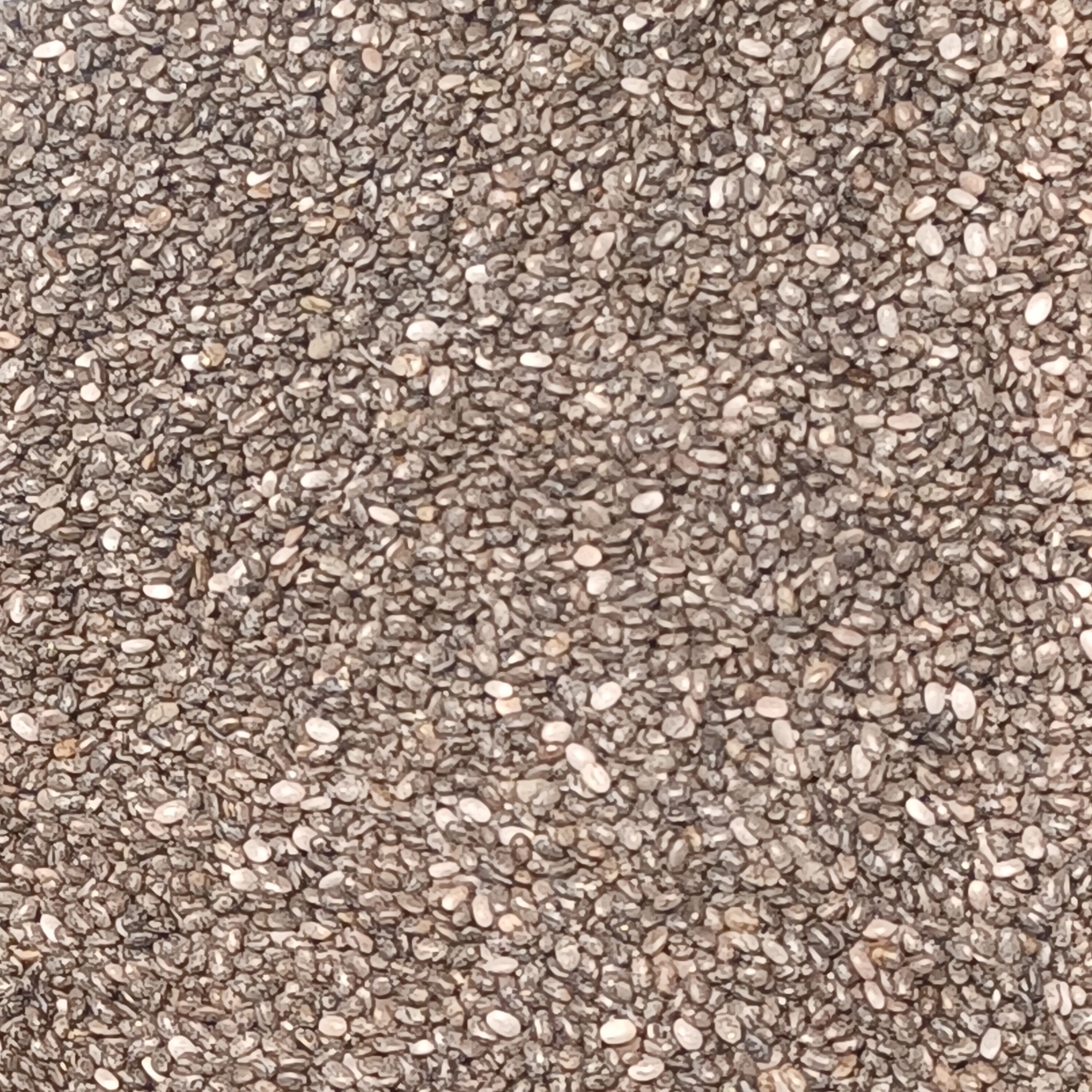
In the landscape of modern nutrition, few foods have experienced a rise in popularity as meteoric as chia seeds. Frequently lauded as a "superfood" across social media and wellness blogs, they are often presented with sweeping health claims. This article moves beyond the hype to establish a clear, evidence-based clinical context for their use. Our goal is to separate robust scientific findings from preliminary data and marketing narratives, providing a balanced perspective for clinicians and health-conscious individuals.
Chia seeds (Salvia hispanica L.) are, from a nutritional biochemistry standpoint, a concentrated source of several bioactive components:
- Dietary Fiber: Notably soluble fiber, which forms a gel-like substance in the gut.
- Omega-3 Fatty Acids: Primarily in the form of alpha-linolenic acid (ALA).
- Protein: Containing all essential amino acids, though lysine is limiting.
- Minerals: Such as calcium, magnesium, and phosphorus.
While this nutrient profile is compelling, it is crucial to interpret it through the lens of human clinical trials. The evidence is nuanced. For instance, studies on cardiovascular risk factors like blood lipids and blood pressure show mixed results, often dependent on dosage, study population, and baseline health status. Conversely, the data supporting chia seeds' role in promoting satiety and modulating postprandial blood glucose through their soluble fiber content is more consistent.
Clinical Perspective: A clinician views chia seeds not as a magic bullet, but as a potentially useful dietary tool within a broader nutritional strategy. The key questions are: For which specific clinical outcomes is the evidence strongest? What is a realistic, effective dose? And importantly, for which patients might they pose a risk or interact with medications?
This introductory context sets the stage for a detailed exploration of chia seeds' applications. We will critically examine the evidence for their use in areas such as glycemic control, cardiovascular health, and gastrointestinal function, while explicitly highlighting the limitations of current research. Furthermore, we will address important contraindications; individuals with swallowing disorders, certain gastrointestinal strictures, or those on blood-thinning medications should consult a physician before significantly increasing chia seed intake.
By anchoring the discussion in clinical evidence and professional caution, we aim to translate the potential of chia seeds into practical, safe, and effective dietary guidance.
2. Evidence-Based Benefits and Mechanisms of Action

The purported health benefits of chia seeds are often overstated online. A critical, evidence-based review reveals a more nuanced picture, with strong support for certain mechanisms and preliminary or mixed data for others. The primary benefits are linked to their unique nutritional composition: high soluble fiber, plant-based omega-3 fatty acids (alpha-linolenic acid, or ALA), and a complete protein profile.
Strongly Supported Mechanisms
The most robust evidence supports chia seeds' role in glycemic and digestive health, primarily due to their high soluble fiber content (specifically mucilage).
- Blood Sugar Modulation: When mixed with liquid, chia forms a gel that slows the digestion and absorption of carbohydrates. Multiple randomized controlled trials (RCTs) show this can help reduce post-meal blood sugar spikes in individuals with type 2 diabetes or insulin resistance.
- Promoting Satiety and Regularity: The gel-forming fiber increases stool bulk and promotes a feeling of fullness, which can support weight management efforts as part of a balanced diet.
Areas with Preliminary or Mixed Evidence
Claims regarding cardiovascular and inflammatory benefits require more cautious interpretation.
- Cardiovascular Markers: While chia seeds are rich in ALA, human studies on their direct impact on cholesterol, triglycerides, and blood pressure have produced inconsistent results. The conversion of ALA to the more potent EPA and DHA in the body is inefficient.
- Anti-inflammatory Effects: Laboratory studies suggest anti-inflammatory potential, but high-quality, long-term human trials are needed to confirm a significant clinical impact.
Clinical Perspective: From a mechanistic standpoint, chia seeds are best viewed as a functional food for glycemic and digestive support. Their cardiovascular benefits are likely indirect, stemming from displacing less healthy foods and contributing fiber to the diet, rather than from a dramatic, direct pharmacological effect. They are a useful dietary tool, not a standalone treatment.
Important Cautions: Individuals with swallowing difficulties, esophageal strictures, or a history of bowel obstructions should consume chia seeds only when fully hydrated (as a gel) to avoid risk. Those on blood-thinning medication or with upcoming surgery should consult a doctor due to chia's theoretical (though minimal) blood-thinning potential from ALA. Always increase fiber intake gradually with adequate water to prevent gastrointestinal discomfort.
3. Potential Risks and Contraindications

While chia seeds are generally safe for most people when consumed in typical food amounts, a responsible approach requires awareness of potential adverse effects and specific contraindications. The primary risks stem from their unique physical properties and high concentration of certain nutrients.
Gastrointestinal and Mechanical Risks
The most common adverse effects are gastrointestinal, directly related to their high soluble fiber content. A sudden, large increase in chia seed intake can lead to:
- Bloating, gas, and abdominal discomfort
- Constipation or diarrhea, depending on fluid intake
- Potential for esophageal obstruction if consumed dry, a risk particularly noted in individuals with swallowing difficulties (dysphagia)
To mitigate these effects, it is crucial to introduce chia seeds gradually, ensure adequate hydration, and always consume them pre-soaked or mixed into liquids or moist foods.
Specific Medical Conditions and Medication Interactions
Certain populations should exercise caution or seek medical advice before incorporating chia seeds regularly into their diet.
- Individuals with dysphagia or strictures: The gel-forming property poses a significant choking hazard if seeds are swallowed dry.
- Those with inflammatory bowel disease (IBD) or a history of bowel obstruction: The high fiber load may exacerbate symptoms during a flare.
- People on blood-thinning medications (e.g., warfarin): Chia seeds contain a moderate amount of vitamin K. While the evidence for clinically significant interaction is limited, consistent daily intake could potentially affect anticoagulation stability. Patients on such medications should consult their physician and maintain consistent vitamin K intake.
- Individuals with prostate cancer or elevated PSA levels: Some preliminary in vitro and animal studies suggest high doses of alpha-linolenic acid (ALA), the primary fat in chia, might promote prostate tumor growth. The human evidence is mixed and inconclusive, but caution is warranted until more robust data is available.
Clinical Perspective: From a safety standpoint, the mechanical risk of esophageal impaction from dry seeds is the most immediate and well-documented concern. For patients on anticoagulants, the practical advice is not to avoid chia seeds but to consume them in a consistent, measured amount daily rather than sporadically in large quantities, and to inform their healthcare provider. The prostate cancer hypothesis remains speculative and should not alarm the general population, but it is a valid consideration for at-risk individuals discussing dietary fat sources with their oncologist.
In summary, chia seeds are a low-risk food for healthy adults when prepared correctly. The key to safety lies in proper preparation (soaking), gradual introduction, and personalized consideration of individual medical history and medications.
4. Practical, Evidence-Based Applications

Moving beyond general health claims, the most reliable applications for chia seeds are grounded in their specific nutritional composition: high soluble fiber, plant-based omega-3 ALA, and a balanced mineral profile. The evidence supporting these uses varies in strength, and applications should be tailored to individual health goals and conditions.
Applications with Stronger Evidence
The most robust data supports chia seeds as a functional source of dietary fiber. Their soluble fiber, primarily mucilage, forms a gel when hydrated. This property has two well-substantiated applications:
- Supporting Satiety and Weight Management: Consuming hydrated chia seeds before meals can promote a feeling of fullness, potentially reducing subsequent calorie intake. This is supported by several short-term human trials, though long-term efficacy data is limited.
- Supporting Regular Bowel Function: The combined soluble and insoluble fiber adds bulk to stool and can help soften it, aiding in regularity. This is a standard, evidence-based application for high-fiber foods.
Applications with Preliminary or Mixed Evidence
Other common uses are supported by plausible mechanisms but require more conclusive human studies.
- Cardiovascular Markers: Some studies show chia seeds can modestly lower LDL ("bad") cholesterol and triglycerides while raising HDL ("good") cholesterol, likely due to fiber and ALA. However, results are inconsistent, and effects on blood pressure are not clearly established.
- Blood Sugar Modulation: The gel-forming fiber may slow carbohydrate digestion, leading to a blunted post-meal blood glucose rise. This is observed in some small studies, particularly when chia is consumed with a carbohydrate-rich meal, but is not a substitute for diabetes medication.
- Plant-Based Omega-3 Source: While chia is rich in ALA, the conversion to the active EPA and DHA forms in the body is inefficient. It is a valuable ALA source for vegetarians but cannot directly replicate the benefits of marine-sourced omega-3s.
Clinical Consideration: The key to efficacy is proper hydration. Consuming dry chia seeds, especially in large quantities, carries a risk of esophageal obstruction or exacerbated constipation. Always mix seeds with ample liquid (e.g., a 1:10 ratio by volume) and allow them to gel for several minutes before consumption. Individuals with swallowing difficulties, strictures, or inflammatory bowel disease should exercise particular caution.
For most, incorporating 1-2 tablespoons (15-30 grams) of hydrated seeds daily is a safe starting point to evaluate tolerance and benefit. Those with a history of digestive disorders, upcoming surgery, or who are taking medications for diabetes or high blood pressure should consult a physician, as chia may potentiate effects and require dosage adjustment.
5. Safety Guidelines and When to Seek Medical Advice

While chia seeds are generally safe for most people when consumed as part of a balanced diet, their unique physical properties and nutrient profile necessitate specific safety considerations. Adhering to these guidelines helps mitigate potential adverse effects and ensures their benefits are realized safely.
Essential Consumption Guidelines
The most critical safety rule involves proper hydration. Chia seeds absorb 10–12 times their weight in water, forming a gel. Consuming dry seeds, especially in large quantities, poses a risk of esophageal or intestinal blockage, particularly in individuals with a history of swallowing difficulties or strictures. Always consume chia seeds that have been pre-soaked for at least 10–15 minutes or thoroughly mixed into a wet food like yogurt or smoothie.
Start with a small serving (e.g., one tablespoon daily) to assess tolerance, as their high fiber content can cause significant gastrointestinal discomfort, including bloating, gas, or cramping, if intake is increased too rapidly.
Who Should Exercise Caution or Consult a Physician
Certain individuals should seek medical advice before adding chia seeds to their regimen:
- Individuals on Anticoagulant or Antiplatelet Medications: Chia seeds are a source of omega-3 fatty acids (ALA), which may have mild blood-thinning effects. While evidence for a clinically significant interaction is limited, consultation with a doctor is prudent for those on drugs like warfarin, clopidogrel, or aspirin.
- Those with Gastrointestinal Disorders: People with inflammatory bowel disease (IBD), a history of bowel obstructions, or severe irritable bowel syndrome (IBS) may not tolerate the high soluble fiber load.
- Individuals with Kidney Disease: Chia seeds contain moderate amounts of phosphorus. In advanced chronic kidney disease, impaired phosphorus excretion can lead to complications. A renal dietitian can provide personalized guidance.
- People with Known Seed Allergies: Though rare, allergic reactions to chia seeds have been documented. Those with allergies to mustard or sesame seeds may be at higher risk due to potential cross-reactivity.
- Individuals Preparing for Surgery: Due to the theoretical risk of increased bleeding, it is often recommended to discontinue high-dose chia seed consumption 1–2 weeks prior to elective surgical procedures.
Clinical Perspective: From a clinical standpoint, chia seeds are a food, not a medication. The primary risks are mechanical (improper consumption) and gastrointestinal. The nutrient-drug interaction concerns are largely theoretical but warrant a precautionary discussion in high-risk patients. The key is gradual introduction and ensuring adequate fluid intake throughout the day, not just with the seeds themselves.
In summary, chia seeds' safety profile is excellent for the general population when consumed correctly. The guidelines above highlight specific, evidence-informed scenarios where professional medical advice is recommended to ensure personal safety.
6. Questions & Expert Insights
Can chia seeds really help with weight loss, or is that just a social media myth?
The claim is partially evidence-based but often overstated. Chia seeds are high in soluble fibre, which forms a gel in the stomach and can increase feelings of fullness (satiety) in the short term. This may help some individuals reduce calorie intake at subsequent meals. However, the long-term clinical evidence for chia seeds as a standalone weight-loss solution is limited and inconsistent. Most high-quality studies show modest or non-significant effects on body weight when chia is added to the diet without other lifestyle changes. They are not a "magic bullet." For sustainable weight management, chia seeds should be considered one component of a balanced, calorie-controlled diet rich in whole foods, not a substitute for it.
What are the main risks or side effects of consuming chia seeds, and who should be cautious?
The primary risks are gastrointestinal and related to improper preparation. Consuming large amounts of dry chia seeds, especially without adequate fluid, poses a significant risk of esophageal or intestinal blockage, as they absorb many times their weight in water. Always soak chia seeds before consumption. Common side effects include bloating, gas, or diarrhea, particularly when intake is increased rapidly. Specific groups should exercise caution or avoid them: individuals with a history of swallowing difficulties, esophageal strictures, or certain gastrointestinal surgeries; those with inflammatory bowel disease during a flare; and people on blood-thinning medications like warfarin (due to chia's vitamin K content, which can affect clotting). Starting with a small dose (e.g., 1 teaspoon soaked) is prudent.
I have a chronic health condition. When should I talk to my doctor before adding chia seeds to my diet?
Consult your physician or a registered dietitian if you have: kidney disease (chia is high in phosphorus and potassium, which may need restriction); active diverticulitis (high-fibre foods are typically avoided during flares); a history of bowel obstructions; or are taking medications for diabetes or high blood pressure, as chia may potentiate their effects, requiring monitoring. Before your appointment, note your current diet, medication/supplement list, and the specific amount and form of chia you plan to use (e.g., "1 tablespoon soaked daily"). This helps your provider give personalized, safe advice that integrates chia into your overall management plan without unintended interactions.
Is the omega-3 in chia seeds as beneficial as the omega-3 in fish oil?
No, they are not equivalent, and this is a critical distinction. Chia seeds contain alpha-linolenic acid (ALA), a plant-based omega-3 fatty acid. The body must convert ALA into the longer-chain forms—eicosapentaenoic acid (EPA) and docosahexaenoic acid (DHA)—which are the forms with robust evidence for cardiovascular and brain health. This conversion in humans is inefficient, typically less than 10%. While ALA is an essential nutrient with its own benefits, it cannot reliably raise EPA and DHA levels to the same extent as consuming them directly from fatty fish or algae/fish oil supplements. Therefore, chia seeds are a valuable source of ALA and fibre but are not a direct substitute for marine-sourced omega-3s in clinical scenarios where EPA/DHA supplementation is indicated.
7. In-site article recommendations
8. External article recommendations
9. External resources
The links below point to reputable medical and evidence-based resources that can be used for further reading. Always interpret them in the context of your own situation and your clinician’s advice.
-
mayoclinic mayoclinic.orgchia seeds – Mayo Clinic (search)
-
healthline healthline.comchia seeds – Healthline (search)
-
wikipedia wikipedia.orgchia seeds – Wikipedia (search)
These external resources are maintained by third-party organisations. Their content does not represent the editorial position of this site and is provided solely to support readers in accessing additional professional information.