
1. Introduction to Chia Seeds: A Clinical Perspective Beyond Social Media Myths
In the landscape of functional foods, chia seeds (Salvia hispanica L.) have garnered significant public attention, often framed as a "superfood" with transformative health properties. This chapter aims to move beyond the marketing hyperbole and social media myths to provide a grounded, clinical perspective on their nutritional composition and the evidence supporting their primary health claims.
From a nutritional standpoint, chia seeds offer a concentrated source of several beneficial components. A standard one-ounce (28-gram) serving provides approximately:
- Fiber: 10-11 grams, predominantly soluble fiber.
- Protein: 4-5 grams of plant-based protein.
- Omega-3 Fatty Acids: ~5 grams, primarily in the form of alpha-linolenic acid (ALA).
- Minerals: Notable amounts of calcium, magnesium, and phosphorus.
The strong, consistent evidence for chia seeds centers on their high soluble fiber content. When mixed with liquid, they form a viscous gel that can slow gastric emptying. This mechanism is well-understood in nutritional science and contributes directly to increased feelings of satiety and a moderated postprandial glycemic response. This is a solid, evidence-based reason for their inclusion in a dietary strategy for weight management and blood sugar control.
Clinical Insight: The satiety effect is a tangible benefit, but it is not unique to chia seeds. Other soluble fiber sources like psyllium husk or oats produce similar effects. The clinical value lies in their convenience and nutrient density as part of a varied diet, not as a singular solution.
Other popular claims, such as direct and significant reductions in cardiovascular disease risk or inflammation, are supported by more preliminary or mixed data. While the ALA content is high, human studies on the conversion of ALA to the more bioactive EPA and DHA are limited, and the direct cardioprotective impact of chia seeds themselves requires longer-term, large-scale trials for definitive conclusions.
It is crucial to approach their use with clinical caution. Due to their high fiber content, introducing them too quickly can cause significant gastrointestinal discomfort, including bloating and gas. Furthermore, individuals with a history of dysphagia, esophageal strictures, or certain gastrointestinal disorders should exercise caution and consult a physician, as the gel-forming property can pose a risk if not consumed with adequate fluid.
This clinical perspective frames chia seeds as a nutrient-dense food with one clearly evidenced mechanism (satiety via soluble fiber) and other potential benefits requiring further research. The following chapters will detail how to incorporate them safely and effectively into a dietary pattern.
2. Evidence and Mechanisms: How Chia Seeds Promote Satiety
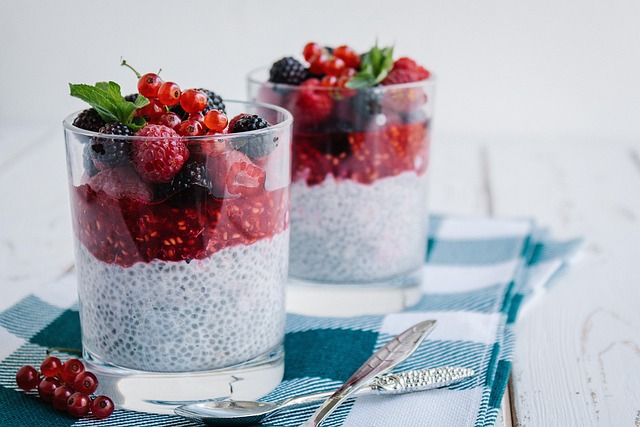
The satiating effect of chia seeds is not a social media myth; it is a physiological response grounded in their unique nutritional composition. The primary mechanisms are well-understood and supported by a growing body of scientific literature, though the strength of the evidence varies.
Core Mechanisms of Action
Chia seeds promote satiety through three interconnected pathways:
- High Soluble Fiber Content: Chia seeds are exceptionally rich in soluble fiber, primarily mucilage. When mixed with liquid, they form a viscous gel that slows gastric emptying. This prolongs the feeling of fullness and moderates the post-meal rise in blood glucose, which can help prevent subsequent hunger spikes.
- Protein and Fat Profile: They provide a complete plant-based protein and are a rich source of alpha-linolenic acid (ALA), an omega-3 fatty acid. Both protein and healthy fats are known to stimulate the release of satiety hormones like cholecystokinin (CCK) and peptide YY (PYY).
- High Water-Absorption Capacity: The gel-forming property significantly increases the volume and weight of food in the stomach without adding substantial calories, contributing to gastric distension and early satiety signals.
Evaluating the Evidence
Clinical trials provide a nuanced picture. Several short-term studies demonstrate that consuming chia seeds, particularly in gel form, can reduce subjective appetite and short-term food intake compared to control beverages. However, it is crucial to contextualize this evidence.
The data is strongest for acute satiety effects within a few hours of consumption. Evidence for long-term weight management solely from chia seed intake is more limited and should not be overstated. Most studies are of short duration and involve specific, often small, participant groups. Chia seeds are best viewed as one component of a balanced, nutrient-dense diet, not a standalone solution.
Clinical Perspective: From a mechanistic standpoint, chia seeds are a logical tool for enhancing satiety. However, clinicians emphasize that their effectiveness is dose-dependent and context-dependent. They work as part of a meal, not in isolation. For individuals with certain gastrointestinal conditions like dysphagia, gastroparesis, or a history of bowel obstructions, the gel-forming property requires caution. Those on blood-thinning medications or with upcoming surgical procedures should also consult a doctor due to chia's potential, though mild, antiplatelet effect from its ALA content.
In summary, the ability of chia seeds to promote satiety is supported by credible physiological mechanisms and promising, though not definitive, clinical research. Their integration into the diet should be guided by individual health status and realistic expectations.
3. Risks and Populations to Avoid Chia Seed Consumption

While chia seeds are generally safe for most people when consumed in typical dietary amounts, certain risks and specific populations require caution. Acknowledging these is essential for responsible consumption.
Primary Risks: Gastrointestinal and Mechanical
The most common adverse effects are gastrointestinal, directly related to their high soluble fiber content. Consuming a large quantity, especially without adequate hydration or without allowing the seeds to pre-soak, can lead to:
- Abdominal discomfort, bloating, and gas as gut microbiota ferment the fiber.
- Constipation or, paradoxically, diarrhea, depending on individual tolerance and fluid intake.
- A theoretical risk of esophageal obstruction. There are case reports of individuals, particularly those with a history of swallowing difficulties or who consume dry seeds followed by insufficient liquid, experiencing a gel-like bolus that can cause blockage. This risk, while rare, underscores the importance of proper preparation.
Clinical Insight: The fiber-related GI effects are a dose-dependent, predictable pharmacologic response, not an allergy. Starting with a small dose (e.g., half a tablespoon) and ensuring ample water intake throughout the day allows the gastrointestinal tract to adapt and minimizes discomfort.
Populations Who Should Exercise Caution or Avoid
Certain individuals should consult a healthcare provider before incorporating chia seeds into their diet.
- Individuals with Dysphagia or Esophageal Strictures: As mentioned, the gelling property poses a mechanical risk. Pre-soaking seeds thoroughly is non-negotiable for this group.
- Those with Inflammatory Bowel Disease (IBD) or Active Diverticulitis: During a flare, high-fiber foods can exacerbate symptoms. A low-residue diet is typically advised until inflammation subsides.
- People on Blood-Thinning Medications (e.g., Warfarin): Chia seeds are a source of alpha-linolenic acid (ALA), an omega-3 with very weak antiplatelet activity. The evidence for a clinically significant interaction is limited, but given the critical nature of anticoagulation therapy, consistency in vitamin K intake (also present in chia) is key. Patients should discuss this with their physician to maintain stable dosing.
- Individuals with Hypotension or Upcoming Surgery: ALA may have a mild blood pressure-lowering effect. While negligible for most, those with already low blood pressure or scheduled for surgery should inform their care team as a precaution.
- People with Specific Food Allergies: Allergies to chia seeds are uncommon but possible. Cross-reactivity with mustard or sesame seeds has been reported in rare instances. Initial consumption should be cautious for those with known seed allergies.
The overarching recommendation is to introduce chia seeds gradually and with mindfulness of individual health conditions. When in doubt, a consultation with a doctor or registered dietitian can provide personalized guidance.
4. Practical Takeaways: Evidence-Based Strategies for Incorporating Chia Seeds

To harness the satiety and nutritional benefits of chia seeds effectively, a methodical approach based on their physical properties is key. The primary mechanism for their effect on fullness is their ability to absorb 10–12 times their weight in water, forming a viscous gel that slows gastric emptying. This is supported by consistent, though often small-scale, human studies. The following strategies are designed to maximize this effect while ensuring safety and palatability.
Core Preparation Method: Hydration is Non-Negotiable
Always soak chia seeds before consumption. Consuming them dry, especially in large quantities, poses a risk of esophageal obstruction and does not activate their gelling property. For a basic gel, mix 1 tablespoon (about 12 grams) of seeds with at least 1 cup (240 ml) of liquid. Stir well and let sit for 10–15 minutes, stirring once or twice to prevent clumping.
- For Beverages: Add the pre-made gel to smoothies, water, or unsweetened nut milk. It can also be stirred directly into yogurt or oatmeal, where it will hydrate further.
- As an Egg Substitute: For baking, mix 1 tablespoon of ground or whole chia seeds with 2.5 tablespoons of water; let sit for 5 minutes to form a gel. This is effective for binding, though the evidence for its health impact in this form is less direct.
- In Meals: Use the gel as a thickener for soups, sauces, or as a base for chia puddings.
Evidence-Based Integration for Satiety
To leverage chia seeds for appetite control, timing and context matter. The strongest evidence for enhanced satiety comes from studies where chia is consumed as part of a liquid meal or before a meal.
- Consume a serving of hydrated chia seeds 20–30 minutes before your main meal. This allows the gel to form in the stomach, potentially reducing subsequent calorie intake.
- Incorporate them into a balanced breakfast (e.g., in overnight oats or a smoothie) to help manage mid-morning hunger cues.
- Remember, they are a complement to a diet rich in protein, fiber from other sources, and healthy fats, not a standalone solution.
Clinical Consideration: While generally safe, chia seeds can interact with certain medications. Their high fiber content may slow the absorption of some drugs (e.g., blood thinners like warfarin, certain diabetes medications). Individuals with swallowing difficulties, esophageal strictures, or a history of bowel obstructions should avoid them or use only ground seeds with extreme caution. Those with diagnosed hypertension on medication should monitor blood pressure, as the blood pressure-lowering effects observed in some trials are modest and can be additive. Always consult a physician or dietitian if you have underlying health conditions or are on multiple medications.
In summary, the practical value of chia seeds lies in their consistent preparation and strategic use to promote fullness. By prioritizing hydration and mindful timing, you can integrate this functional food into your diet in a way that is supported by nutritional science, moving beyond social media trends.
5. Safety Considerations and When to Consult a Healthcare Professional
While chia seeds are generally safe for most people when consumed as part of a balanced diet, certain safety considerations and individual health conditions warrant caution. A responsible approach involves understanding potential interactions and knowing when to seek professional guidance.
Key Safety Considerations
The primary safety concerns relate to their high fiber content and potential for interaction with medications.
- Gastrointestinal Distress: A sudden, large increase in fiber intake can cause bloating, gas, or abdominal discomfort. It is crucial to introduce chia seeds gradually and ensure adequate fluid intake to allow them to form a gel, which aids digestion.
- Choking Hazard: Consuming dry chia seeds without sufficient liquid is strongly discouraged. They can absorb fluid in the esophagus and expand, posing a risk of obstruction, particularly for individuals with swallowing difficulties.
- Blood Thinning: Chia seeds are a source of alpha-linolenic acid (ALA), an omega-3 fatty acid. While evidence for a significant blood-thinning effect in typical dietary amounts is limited, individuals on anticoagulant (blood-thinning) medications like warfarin should discuss consistent chia intake with their doctor to ensure stable INR levels.
- Blood Pressure and Blood Sugar: Some studies suggest chia may modestly lower blood pressure and post-meal blood glucose. While often beneficial, individuals on medication for hypertension or diabetes should monitor their levels closely, as adjustments to medication may be necessary under medical supervision.
Clinical Perspective: From a clinical standpoint, chia seeds are a food, not a medication. The main risk is often the "all-or-nothing" approach seen in popular trends. A sudden, high-dose intake ignores basic principles of dietary tolerance. The goal should be consistent, moderate incorporation, not a drastic replacement of other nutritious foods.
When to Consult a Healthcare Professional
It is prudent to seek advice from a physician or registered dietitian before making significant dietary changes in the following situations:
- If you have a history of esophageal strictures, dysphagia (swallowing difficulties), or inflammatory bowel disease (e.g., Crohn's, ulcerative colitis) where high-fiber foods can exacerbate symptoms during flares.
- If you are taking prescription medications for blood thinning, blood pressure, or diabetes, as previously noted.
- If you have severe food allergies, particularly to sesame or mustard seeds, due to a low potential for cross-reactivity, though this is not well-documented.
- If you are pregnant or breastfeeding, while generally safe, it is wise to discuss any new dietary focus with your obstetrician.
- If you have chronic kidney disease, as you may need to manage phosphorus intake, for which chia seeds are a moderate source.
In summary, chia seeds can be a healthful addition for most, but their integration should be mindful and gradual. Consulting a healthcare professional ensures their use aligns safely with your unique health profile and medications.
6. Questions & Expert Insights
Can chia seeds really help me feel full and lose weight?
Chia seeds can be a useful tool for satiety, but they are not a magic solution for weight loss. Their high soluble fiber content (about 10 grams per ounce) absorbs water, forming a gel that expands in the stomach. This physical process can promote a feeling of fullness, which may help reduce overall calorie intake if it leads you to eat less at your next meal. However, the evidence for direct, significant weight loss from chia seeds alone is limited and mixed. Some small studies show modest benefits for satiety and blood sugar control, while others show no impact on body weight. For sustainable weight management, they should be incorporated into a balanced diet rich in whole foods, not relied upon as a sole strategy. The key is consistency and viewing them as one component of a healthy pattern.
What are the main risks or side effects of eating chia seeds?
The primary risks are gastrointestinal and related to improper preparation. Consuming dry chia seeds, especially in large quantities, is not advised. They can absorb fluid in the esophagus and expand, posing a choking hazard or causing blockage, particularly for individuals with swallowing difficulties. Always mix chia seeds with ample liquid (e.g., yogurt, oatmeal, or a glass of water) and let them gel for at least 5-10 minutes before consuming. Due to their high fiber content, a sudden large increase in intake can cause bloating, gas, or abdominal discomfort. Introduce them gradually and ensure adequate hydration throughout the day. Individuals with a history of bowel obstruction, Crohn's disease, or diverticulitis should consult a doctor before adding significant amounts of fiber like chia seeds to their diet.
Who should avoid or be very cautious with chia seeds?
Several groups should exercise caution or avoid chia seeds. Individuals with diagnosed kidney disease, particularly those on a phosphorus-restricted diet, should limit intake as chia seeds are high in phosphorus, which can be problematic for compromised kidneys. Those with a history of swallowing disorders (dysphagia) or esophageal strictures must avoid dry seeds entirely due to the high choking risk. People with low blood pressure or those taking blood-thinning medications like warfarin should be aware that chia seeds contain omega-3 fatty acids (ALA), which in very high doses may have mild blood-thinning effects, though this is typically not a concern with normal dietary amounts. As always, individuals with known allergies to sesame or mustard seeds should be cautious due to potential cross-reactivity.
When should I talk to my doctor about incorporating chia seeds, and what should I discuss?
Consult your doctor or a registered dietitian before making significant dietary changes if you have a chronic health condition or take regular medications. This is especially important for managing diabetes, kidney disease, gastrointestinal disorders, or cardiovascular issues. Prepare for the conversation by bringing a clear list of your current medications and supplements. Be ready to discuss your typical daily diet and your specific goals (e.g., "I want to improve satiety to help with weight management" or "I'm looking for plant-based omega-3 sources"). Ask direct questions such as: "Given my [specific condition], is there a safe daily amount of chia seeds for me?" and "Should I space the timing of my chia intake away from any of my medications?" This collaborative approach ensures the advice is tailored to your unique health profile.
7. In-site article recommendations
8. External article recommendations
9. External resources
The links below point to reputable medical and evidence-based resources that can be used for further reading. Always interpret them in the context of your own situation and your clinician’s advice.
-
healthline healthline.comchia seeds – Healthline (search)
-
drugs drugs.comchia seeds – Drugs.com (search)
-
mayoclinic mayoclinic.orgchia seeds – Mayo Clinic (search)
These external resources are maintained by third-party organisations. Their content does not represent the editorial position of this site and is provided solely to support readers in accessing additional professional information.