
1. Introduction to Chia Seeds and Satiety
In the landscape of functional foods, chia seeds (Salvia hispanica L.) have garnered significant attention for their potential role in appetite regulation and weight management. This interest is rooted in their unique nutritional composition, which aligns with several physiological mechanisms known to influence satiety—the feeling of fullness that delays the return of hunger after eating.
The primary components of chia seeds implicated in promoting satiety are:
- Dietary Fiber: Approximately 34-40% of chia seeds by weight is fiber, with a high proportion being soluble fiber. When mixed with liquid, this soluble fiber forms a viscous gel, which can slow gastric emptying and increase the physical volume of stomach contents.
- Protein: At about 16-24% protein, chia seeds provide a complete amino acid profile. Protein is the most satiating macronutrient, influencing hormones like ghrelin (hunger hormone) and peptide YY (satiety hormone).
- Healthy Fats: Comprised of roughly 30% fat, primarily as alpha-linolenic acid (ALA), an omega-3 fatty acid. While the direct satiety effect of ALA is less clear, fats contribute to the overall energy density and nutrient profile of a meal.
The proposed mechanism is that the gel-forming property of chia seeds, combined with their protein and fat content, may lead to increased feelings of fullness, reduced subsequent food intake, and stabilized blood glucose levels. This could, in theory, help curb between-meal cravings.
Clinical Perspective: While the nutrient profile is promising, it is crucial to distinguish between mechanistic plausibility and robust clinical outcomes. Systematic reviews indicate that chia seed consumption can modestly increase satiety in the short term, particularly when consumed as pre-hydrated gel before a meal. However, evidence for significant, long-term weight loss is more limited and mixed. The effect is likely dose-dependent and varies between individuals based on baseline diet and metabolism.
It is important for individuals with certain health conditions to exercise caution. Those with a history of swallowing difficulties, esophageal strictures, or significant gastrointestinal disorders like inflammatory bowel disease should consult a physician, as the gel-forming property may pose a risk. Furthermore, individuals on blood-thinning medications or with upcoming surgical procedures should discuss chia seed intake with their doctor due to its potential, albeit mild, antiplatelet effect from omega-3s.
This chapter establishes the foundational science behind chia seeds and satiety. The following sections will detail seven specific, evidence-based methods to incorporate them into a diet, while continually weighing the strength of the supporting research.
2. Scientific Evidence and Mechanisms of Action
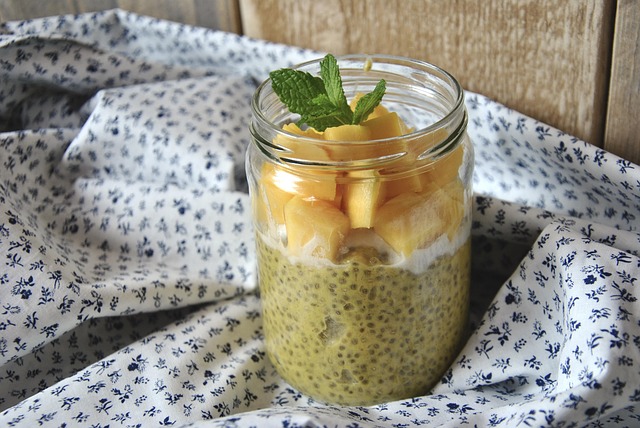
The satiating effect of chia seeds is not anecdotal; it is grounded in their unique nutritional composition and supported by a growing body of scientific research. The primary mechanisms of action involve their high soluble fiber content, protein, and ability to absorb water, which collectively influence gastric emptying, gut hormone signaling, and perceived fullness.
Key Mechanisms of Action
Chia seeds exert their effects through several interconnected pathways:
- Gel-Forming Soluble Fiber: The primary fiber in chia seeds is mucilage, a soluble fiber that forms a viscous gel when mixed with liquids. This gel expands in the stomach, increasing gastric volume and slowing the rate of gastric emptying. This physical bulking effect promotes a direct sensation of fullness and prolongs satiety.
- Protein Content: With a protein content of approximately 18-20%, chia seeds provide a moderate amount of this macronutrient. Protein is well-established to be highly satiating, as it influences the release of appetite-regulating hormones like peptide YY (PYY) and glucagon-like peptide-1 (GLP-1).
- Hydration and Caloric Dilution: The gel-forming property also means chia seeds can hold 10-12 times their weight in water. This contributes to a feeling of fullness with relatively few calories, a concept known as caloric dilution.
Review of the Evidence
Clinical trials provide a nuanced picture. A 2017 systematic review in the Journal of Food Science and Technology concluded that chia seeds can promote satiety in the short term, primarily attributed to the gel-forming fiber. However, evidence for significant, long-term weight loss is more limited and inconsistent.
For instance, a randomized controlled trial published in Nutrition Research found that consuming chia seeds as part of a calorie-restricted diet led to greater short-term satiety compared to a control. Other studies have shown chia consumption can reduce post-meal blood sugar spikes, which may indirectly help stabilize energy levels and curb subsequent cravings.
Clinical Perspective: From a mechanistic standpoint, chia seeds are a logical tool for appetite management. The evidence for short-term satiety is reasonably strong. However, it is crucial to view them as one component of a balanced diet, not a standalone solution for weight management. Long-term adherence and overall dietary patterns remain the dominant factors for sustainable outcomes.
Who Should Exercise Caution: Individuals with swallowing difficulties, esophageal strictures, or significant gastrointestinal disorders like inflammatory bowel disease should consult a physician before regularly consuming gelling fibers like chia. It is also critical to consume them with ample water to prevent potential intestinal blockage. Those on blood-thinning medications or with upcoming surgeries should discuss chia seed intake with their doctor due to their omega-3 content, which may have mild anticoagulant effects.
3. Potential Risks and Contraindications

While chia seeds are generally safe for most people when consumed in typical food amounts, their unique physical and nutritional properties necessitate awareness of specific risks and contraindications. A clinically responsible approach requires understanding these potential issues to ensure safe integration into a diet.
Gastrointestinal and Mechanical Risks
The high soluble fiber content, which contributes to satiety, can cause significant gastrointestinal distress if intake is increased too rapidly or if adequate hydration is not maintained. The primary risks include:
- Bowel Obstruction Risk: Dry chia seeds can absorb 10–12 times their weight in liquid. Consuming a large amount of dry seeds without sufficient fluid can cause them to swell in the esophagus or intestines, posing a risk of obstruction. This is a rare but serious event documented in case reports, particularly in individuals with a history of swallowing difficulties or strictures.
- Digestive Discomfort: Abdominal bloating, gas, and cramping are common, especially for individuals not accustomed to high-fiber diets. It is crucial to start with a small dose (e.g., one teaspoon) and increase gradually while drinking plenty of water throughout the day.
Medication and Condition-Specific Contraindications
Certain health conditions and medications require caution due to chia seeds' nutrient profile and physical effects.
- Blood Thinners (e.g., Warfarin): Chia seeds contain a moderate amount of vitamin K (approximately 1.6 µg per tablespoon). While not extremely high, consistent daily intake can affect vitamin K levels. Patients on anticoagulant therapy should maintain a consistent intake and discuss any significant dietary changes with their physician to ensure stable INR levels.
- Blood Pressure Management: The seeds have been studied for a potential mild blood pressure-lowering effect. Individuals with hypotension or those taking antihypertensive medications should monitor their blood pressure and consult their doctor, as an additive effect is possible.
- Pre-operative Considerations: Due to potential effects on blood pressure and bleeding risk, it is often recommended to discontinue high-dose chia seed supplementation at least two weeks before elective surgery. Always follow your surgeon's specific instructions.
- Diverticulitis: Contrary to old medical advice, current evidence does not suggest that seeds, nuts, or popcorn cause diverticulitis flares. However, during an active flare, a low-fiber diet is standard, and chia seeds should be avoided until inflammation subsides and a high-fiber diet is gradually reintroduced under medical guidance.
Clinical Insight: The most common adverse effects are preventable. Emphasize "hydration with fiber" as a non-negotiable rule. For patients on critical medications or with complex gastrointestinal histories, a brief discussion with a primary care provider or dietitian can personalize intake and mitigate risks. The goal is to harness the satiety benefits without introducing new clinical problems.
In summary, chia seeds are a safe and beneficial food for most when used appropriately. The key to avoiding risks is gradual introduction, consistent and ample fluid intake, and personalized medical consultation for individuals with the specific conditions or medication regimens mentioned above.
4. Practical Applications and Science-backed Methods

Integrating chia seeds into your dietary pattern can be an effective, evidence-informed strategy to enhance satiety and manage cravings. The key lies in leveraging their unique physical properties—primarily their high soluble fiber content and ability to form a viscous gel—to slow gastric emptying and promote a feeling of fullness. The following methods are grounded in nutritional science and practical application.
1. Pre-Meal Hydration Protocol
Consuming chia seeds in a hydrated gel form before a meal is one of the most studied approaches for appetite control. To prepare, mix one tablespoon (approximately 12 grams) of whole or ground chia seeds with at least one cup (240 ml) of water, juice, or plant-based milk. Allow it to sit for 10-15 minutes until a thick gel forms. Consuming this 20-30 minutes before your main meal can lead to reduced calorie intake during the meal. This method directly utilizes the gel-forming beta-glucan fiber to increase gastric distension and trigger satiety signals.
2. Strategic Incorporation into Meals and Snacks
Rather than relying on supplements, incorporating whole chia seeds into meals enhances the satiating quality of the food itself. Consider these applications:
- Breakfast: Stir two teaspoons into oatmeal, yogurt, or smoothies. The added fiber and protein increase the meal's satiety index.
- Baking: Use chia gel (1 tbsp seeds + 3 tbsp water) as a "chia egg" substitute in muffins or pancakes to add moisture and fiber.
- Toppings: Sprinkle over salads, soups, or stir-fries to add a textural element and nutritional bulk.
Clinical Insight: While the evidence for chia's effect on short-term satiety is robust, long-term weight management data is more limited and mixed. Satiety is one component; sustainable weight management requires a holistic approach to diet, physical activity, and behavior. The pre-meal gel method shows the most consistent results in controlled studies for reducing immediate food intake.
Important Considerations and Cautions
Start with a small dose (e.g., one teaspoon daily) to assess tolerance, as a rapid increase in fiber can cause gastrointestinal discomfort like bloating or gas. Ensure adequate fluid intake throughout the day when consuming chia seeds to prevent potential intestinal blockage.
Individuals with a history of dysphagia (swallowing difficulties), esophageal strictures, or major gastrointestinal surgeries should use extreme caution and consult a physician, as the gel can expand rapidly. Those on medication for diabetes or blood pressure should monitor their levels closely, as chia may have additive effects, and discuss dietary changes with their healthcare provider. People with a history of eating disorders should approach any structured "satiety protocol" under professional guidance.
5. Safety Guidelines and Medical Consultation
While chia seeds are generally recognized as safe for most adults when consumed in typical dietary amounts, their high fiber and nutrient density necessitate a cautious and informed approach. Adherence to safety guidelines is essential to avoid adverse effects and ensure the intervention is appropriate for your individual health status.
Key Safety Considerations
Introducing chia seeds, particularly for satiety, requires attention to dosage and preparation. The primary risk stems from their exceptional water-absorbing capacity.
- Hydration and Preparation: Always consume chia seeds that have been pre-soaked in ample liquid (at least a 1:10 ratio) for 10–15 minutes. Ingesting dry seeds followed by a drink poses a risk of esophageal obstruction, especially in individuals with swallowing difficulties.
- Gradual Introduction: To minimize gastrointestinal discomfort like bloating, gas, or cramping, start with a small dose (e.g., 1 teaspoon daily) and increase gradually over 1–2 weeks to the target amount (typically 1–2 tablespoons).
- Medication Interactions: The soluble fiber in chia seeds can slow gastric emptying and may potentially delay or reduce the absorption of certain oral medications. Maintain a gap of at least 2–3 hours between consuming chia gel and taking any prescription drugs.
Who Should Exercise Caution and Seek Consultation
Certain medical conditions warrant professional medical advice before significantly increasing chia seed intake.
- Gastrointestinal Disorders: Individuals with a history of strictures, Crohn's disease, ulcerative colitis, or diverticulitis should consult a gastroenterologist.
- Kidney Disease: Chia seeds are a source of phosphorus and potassium. Patients with chronic kidney disease (CKD), especially those on a renal diet, must have their intake monitored by a nephrologist or renal dietitian.
- Blood Pressure and Anticoagulant Medications: While evidence is preliminary, chia seeds may have mild hypotensive and antiplatelet effects. Individuals on blood pressure medications or anticoagulants (e.g., warfarin) should discuss this with their physician to monitor for potential synergistic effects.
- Pre- and Post-Surgical Patients: Due to the potential effect on bleeding and blood sugar, it is often advised to discontinue high-dose chia seed supplementation at least 2 weeks prior to elective surgery.
- Food Allergies: Although rare, allergic reactions to chia seeds have been reported. Discontinue use if any signs of allergy (itching, swelling, rash) occur.
Clinical Perspective: From a medical standpoint, chia seeds are a food, not a pharmacologic agent. However, their potent physiologic effects on digestion and absorption mean they should be integrated into the diet with the same consideration as a dietary supplement. A proactive conversation with your primary care physician or a registered dietitian is the most responsible step, particularly for individuals with chronic health conditions or complex medication regimens. This ensures your strategy for managing satiety is both effective and safe within your overall care plan.
6. Questions & Expert Insights
Can chia seeds really help me feel full and lose weight?
Chia seeds can be a useful tool for promoting satiety, but they are not a standalone weight-loss solution. The primary mechanism is their high soluble fiber content, particularly glucomannan, which absorbs water to form a gel-like substance in the stomach. This gel can slow gastric emptying and increase the feeling of fullness, which may help reduce overall calorie intake. Evidence from several small, short-term studies supports this effect on satiety. However, high-quality, long-term trials directly linking chia seed consumption to significant, sustained weight loss are limited. For effective weight management, chia seeds should be integrated into a balanced diet rich in whole foods, not used in isolation. Their benefit lies in helping you adhere to a calorie-controlled plan by managing hunger cues.
What are the potential side effects or risks of eating chia seeds?
While generally safe for most people, chia seeds carry specific risks that require caution. The most common side effect is gastrointestinal distress—bloating, gas, or constipation—especially when intake is increased rapidly without adequate fluid. Crucially, due to their immense water-absorbing capacity, dry chia seeds pose a significant choking or esophageal obstruction risk if not consumed pre-soaked or with ample liquid. From a medical perspective, individuals with a history of swallowing disorders, esophageal strictures, or inflammatory bowel disease should be particularly wary. Furthermore, chia seeds may interact with blood-thinning medications like warfarin due to their vitamin K content, and their high fiber can interfere with the absorption of some medications. Always consume them with plenty of water.
Who should avoid using chia seeds for appetite control?
Certain individuals should avoid or exercise extreme caution with this approach. This includes:
- People with kidney disease: Chia seeds are high in phosphorus, which can accumulate in the blood when kidneys are impaired.
- Those with a history of bowel obstructions or major gastrointestinal surgery: The gel-forming fiber could potentially exacerbate issues.
- Individuals with diagnosed or suspected food allergies to sesame or mustard seeds, due to potential cross-reactivity.
- People with dysphagia (swallowing difficulties) or esophageal motility disorders.
- Anyone on medication for diabetes or blood pressure, as chia seeds may potentiate effects, requiring closer monitoring.
- Those with a history of eating disorders should avoid any food being framed primarily as a "craving curb" or appetite suppressant.
When should I talk to my doctor about using chia seeds, and what should I discuss?
Consult your physician or a registered dietitian before significantly increasing chia seed intake if you have any chronic health condition or take regular medications. This is especially important for managing diabetes, cardiovascular disease, kidney issues, or gastrointestinal disorders. Prepare for the conversation by bringing:
- A list of all medications and supplements you take, including dosages.
- Your typical daily diet pattern and how you plan to incorporate the seeds (e.g., soaked, ground, quantity).
- Specific health goals (e.g., "I want to manage between-meal hunger to support my prediabetes diet").
7. In-site article recommendations
8. External article recommendations
9. External resources
The links below point to reputable medical and evidence-based resources that can be used for further reading. Always interpret them in the context of your own situation and your clinician’s advice.
-
mayoclinic mayoclinic.orgchia seeds – Mayo Clinic (search)
-
healthline healthline.comchia seeds – Healthline (search)
-
wikipedia wikipedia.orgchia seeds – Wikipedia (search)
These external resources are maintained by third-party organisations. Their content does not represent the editorial position of this site and is provided solely to support readers in accessing additional professional information.