
1. Introduction to Chia Seeds and Appetite Claims
Chia seeds (Salvia hispanica L.) are small, nutrient-dense seeds derived from a flowering plant in the mint family. Historically a staple in ancient Mesoamerican diets, they have gained significant modern attention for their potential role in weight management and appetite control. The central claim that chia seeds can suppress hunger for extended periods, such as eight hours or more, warrants a detailed, evidence-based examination.
The proposed mechanism for this effect is primarily attributed to their unique nutritional composition. When mixed with liquid, chia seeds form a viscous gel due to their exceptionally high soluble fiber content, which is predominantly mucilage. This gel-forming property is thought to:
- Increase gastric volume and slow gastric emptying, potentially promoting a prolonged feeling of fullness (satiety).
- Moderate the postprandial (after-meal) rise in blood glucose, which may help stabilize energy levels and reduce subsequent cravings.
- Provide a source of protein and healthy fats, including alpha-linolenic acid (an omega-3 fatty acid), which are also associated with increased satiety.
However, the scientific evidence supporting an eight-hour appetite suppression effect is not definitive. While some short-term, controlled studies have demonstrated that consuming chia seeds can increase satiety and reduce short-term food intake compared to placebo beverages, the duration and magnitude of this effect can vary significantly based on the dose, the individual's metabolism, and the context of the overall meal.
Clinical Perspective: From a nutritional science standpoint, the claim of an eight-hour effect is ambitious. Most appetite studies measure outcomes over a few hours. The gel-forming action is real, but its longevity in the gastrointestinal tract and its direct translation to suppressed hunger for an entire workday is an extrapolation not yet robustly proven in long-term human trials. It is more accurate to view chia seeds as a potentially useful component of a satiating meal, rather than a standalone "hunger blocker."
Individuals with certain health conditions should exercise caution. Those with a history of dysphagia (swallowing difficulties), esophageal strictures, or significant gastrointestinal disorders like inflammatory bowel disease should consult a physician, as the gel-like consistency may pose a risk. Furthermore, due to their high fiber content, introducing chia seeds abruptly or in large quantities can cause gastrointestinal discomfort; gradual introduction with ample water intake is advised.
This chapter introduces the basis for the appetite-related claims surrounding chia seeds. The following sections will critically analyze the specific evidence for their role in satiety, weight management, and metabolic health, clearly distinguishing between well-supported findings and areas requiring further research.
2. Mechanisms and Scientific Evidence Behind Satiety
The proposed satiating effect of chia seeds is attributed to a combination of their unique physical and biochemical properties. The primary mechanisms involve their high soluble fiber content and their ability to form a gel-like matrix in the stomach.
Key Mechanisms of Action
Chia seeds are exceptionally rich in soluble fiber, primarily mucilage. When mixed with liquid, this fiber forms a hydrophilic colloid, absorbing up to 10–12 times its weight in water. This gel formation is central to the proposed satiety effect through several pathways:
- Gastric Distension and Delayed Emptying: The gel increases the volume and viscosity of stomach contents, promoting a feeling of fullness (satiety) via mechanoreceptor signaling. It also slows gastric emptying, which can prolong satiety signals.
- Nutrient Absorption Modulation: The viscous gel may slow the digestion and absorption of carbohydrates, leading to a more gradual release of glucose into the bloodstream. This can help stabilize postprandial blood sugar and insulin levels, factors linked to reduced hunger.
- Hormonal Influence: The physical effects of fiber and delayed gastric emptying may influence the release of gut hormones like ghrelin (hunger hormone) and peptide YY (satiety hormone), though direct evidence specific to chia is more limited.
Review of the Scientific Evidence
The evidence supporting chia seeds for prolonged satiety is promising but not definitive. Clinical trials have yielded mixed results, often due to differences in study design, dosage, and participant characteristics.
Supportive Evidence: Several short-term studies report increased satiety and reduced short-term food intake following chia seed consumption compared to control beverages or placebo. These effects are most consistently observed when whole or ground chia seeds are consumed in a liquid, allowing for gel formation.
Limitations and Gaps: Many studies are small-scale and of short duration (hours). Robust, long-term randomized controlled trials demonstrating sustained appetite control over 8+ hours or significant weight loss outcomes are scarce. The effect size can vary significantly between individuals.
Clinical Perspective: From a nutritional standpoint, the mechanisms are physiologically plausible. Chia seeds are a nutrient-dense source of fiber and healthy fats, and incorporating them into a balanced diet can support satiety. However, they are not a standalone "solution" for hunger. The claim of controlling hunger for "8+ hours" should be viewed cautiously, as individual metabolism, meal composition, and activity levels greatly influence satiety duration. They work best as part of a meal, not in isolation.
Who Should Exercise Caution: Individuals with swallowing difficulties, esophageal strictures, or significant gastrointestinal disorders (e.g., inflammatory bowel disease during a flare) should consult a doctor, as the gel-forming property may pose a risk. Those on medication for diabetes or high blood pressure should also discuss chia intake with a physician, as it may potentiate the effects of their medication due to its impact on blood sugar and pressure.
3. Risks and Populations to Exercise Caution

While chia seeds are generally safe for most people when consumed in typical dietary amounts (1-2 tablespoons daily), certain risks and individual health conditions warrant specific caution. A balanced, evidence-based approach requires acknowledging these potential concerns.
Primary Gastrointestinal and Hydration Risks
The high soluble fiber content, responsible for chia's satiating effect, is also the source of its most common adverse effects. Rapidly increasing fiber intake can lead to:
- Bloating, gas, and abdominal discomfort: This is a well-documented, dose-dependent effect, particularly if seeds are consumed dry or without adequate fluid.
- Constipation or, conversely, diarrhea: Sudden, large increases in fiber can disrupt normal bowel motility.
Critical Safety Note: Consuming dry chia seeds followed by a glass of water is not recommended. The seeds can rapidly absorb fluid and expand in the esophagus, posing a risk of obstruction. Always pre-soak chia seeds (forming a gel) or mix them thoroughly into a wet food like yogurt, oatmeal, or smoothies.
Populations Requiring Medical Consultation
Certain groups should consult a physician or registered dietitian before making chia seeds a regular part of their diet:
- Individuals with diagnosed digestive disorders: Those with Crohn's disease, ulcerative colitis, or a history of bowel obstructions may not tolerate the high fiber load.
- People on specific medications: Due to their high soluble fiber content, chia seeds can theoretically slow the absorption of some oral medications (e.g., certain diabetes or heart medications). It is prudent to take medications at least 1-2 hours apart from a chia seed meal and to discuss this with a pharmacist or doctor.
- Those with blood pressure or bleeding concerns: Preliminary animal and in-vitro studies suggest chia may have blood-thinning and blood pressure-lowering effects. While human data is limited, individuals on anticoagulants (e.g., warfarin), antiplatelet drugs, or blood pressure medications should exercise caution and monitor their levels with their physician.
- People with food allergies: Allergic reactions to chia seeds are documented, though not common. Those with known allergies to mustard seeds or sesame seeds may be at higher risk due to potential cross-reactivity.
In summary, while chia seeds offer nutritional benefits, their introduction should be gradual, and preparation must be correct. For individuals with the pre-existing conditions noted above, a proactive discussion with a healthcare provider is the most responsible course of action.
4. Evidence-Based Practical Recommendations
To leverage the potential satiating effects of chia seeds, a practical and evidence-informed approach is essential. The primary mechanism for prolonged fullness is the formation of a viscous gel when the seeds absorb liquid, which slows gastric emptying and nutrient absorption. This effect is most reliably achieved by pre-soaking the seeds.
Optimal Preparation and Dosage
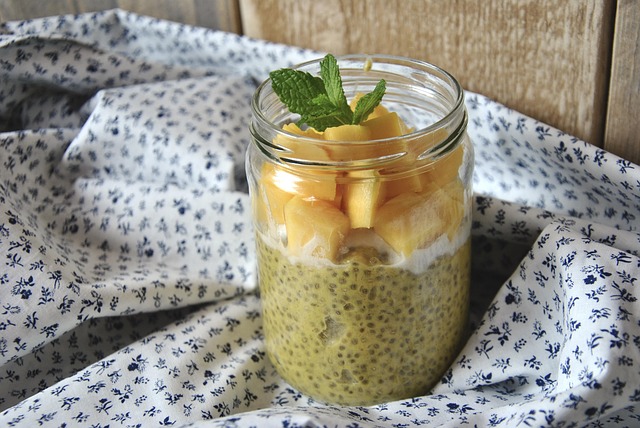
For maximum benefit, consume chia seeds in their gelled form. A common and studied method is to mix 1-2 tablespoons (approximately 15-30 grams) of whole or ground seeds with at least 1 cup (240 ml) of water, plant-based milk, or yogurt. Allow the mixture to sit for 15-30 minutes, or refrigerate overnight, until a thick gel forms. This preparation can be consumed as a drink, added to oatmeal, or used as a base for puddings.
- Timing: Consuming this preparation 15-30 minutes before a main meal may help reduce subsequent calorie intake.
- Integration: Incorporate gelled chia into your diet consistently, rather than sporadically, to observe effects on appetite patterns.
Balanced Integration into the Diet
Chia seeds are a nutrient-dense addition, not a standalone solution. Their satiating effect is amplified when part of a balanced meal containing protein and fiber. For example, add a serving of gelled chia to a breakfast smoothie with protein powder or mix it into a lunchtime salad.
Clinical Insight: While short-term studies show chia can increase satiety, evidence for a consistent 8+ hour effect is limited and individual responses vary significantly. The effect is dose-dependent and works best as part of a structured dietary pattern. Do not rely on chia seeds alone for weight management; total caloric intake and overall diet quality remain paramount.
Important Cautions and Contraindications
Certain individuals should exercise caution or consult a healthcare provider before significantly increasing chia seed intake:
- GI Sensitivities: Start with a small dose (e.g., 1 teaspoon) to assess tolerance, as the high fiber content can cause bloating or discomfort.
- Dysphagia or GERD: The thick gel may pose a risk for those with swallowing difficulties or severe reflux.
- Blood Thinners: Chia seeds are high in vitamin K and alpha-linolenic acid (ALA). Individuals on anticoagulant therapy (e.g., warfarin) should maintain consistent intake and discuss changes with their physician.
- Pre-existing Conditions: Those with a history of bowel obstruction, diverticulitis (despite outdated advice), or who are significantly increasing fiber intake while dehydrated should seek medical guidance.
Ultimately, chia seeds are a tool that can support appetite control for some individuals when used correctly. Their effectiveness is contextual and should be evaluated within an individual's complete health picture.
5. Safety Precautions and When to Seek Medical Advice
While chia seeds are generally recognized as safe for most adults when consumed in typical food amounts, their unique physical properties and nutrient profile necessitate specific safety considerations. A clinically responsible approach involves understanding potential interactions and contraindications.
Primary Safety Considerations
The most significant risk associated with chia seeds is gastrointestinal obstruction or dysphagia (difficulty swallowing). This is due to their ability to absorb up to 10–12 times their weight in liquid, forming a gel-like mass.
- Consume with Ample Fluid: Always mix dry chia seeds into a liquid (water, yogurt, juice) and allow them to fully hydrate for several minutes before consumption. Never consume a large spoonful of dry seeds followed by a drink, as the gel can form and expand in the esophagus.
- Start with a Small Dose: Begin with one teaspoon (about 5 grams) daily to assess tolerance, gradually increasing to a maximum of one to two tablespoons (10–20 grams) to minimize bloating, gas, or abdominal discomfort.
Who Should Exercise Caution or Consult a Physician
Certain individuals should seek medical advice before incorporating chia seeds into their diet regularly.
- Individuals with Swallowing Disorders or Esophageal Strictures: The gel texture poses a significant choking hazard.
- Those with Gastrointestinal Conditions: People with inflammatory bowel disease (IBD), a history of bowel obstructions, or severe constipation should consult a gastroenterologist, as the high fiber content may exacerbate symptoms.
- Individuals on Blood-Thinning Medications: Chia seeds contain a moderate amount of vitamin K and omega-3 fatty acids (ALA), which can theoretically affect blood clotting. Those on warfarin (Coumadin) or similar anticoagulants should maintain consistent intake and discuss it with their doctor to ensure stable INR levels.
- People with Kidney Disease: Chia seeds are a source of phosphorus and potassium. Individuals with advanced chronic kidney disease (CKD) who require dietary restriction of these minerals should account for chia seeds in their meal plan under renal dietitian guidance.
- Individuals with Seed Allergies: While rare, allergic reactions to chia seeds have been documented. Those with known allergies to mustard seeds or sesame seeds may be at higher risk due to potential cross-reactivity.
Clinical Perspective: From a medical standpoint, chia seeds are a food, not a medication. Their purported effect on satiety is supported by preliminary and mixed evidence, primarily from small, short-term studies. It is not a guaranteed or universal effect. The primary safety protocol is mechanical: ensure proper hydration before ingestion. Any significant dietary change, including adding high-fiber foods like chia seeds, should be discussed with a healthcare provider if you have underlying chronic conditions or take regular medications.
If you experience severe abdominal pain, vomiting, or an inability to pass stool after consuming chia seeds, seek immediate medical attention, as these could be signs of an obstruction.
6. Questions & Expert Insights
Is it true that chia seeds can suppress hunger for over eight hours?
While chia seeds are an excellent source of soluble fiber, which forms a gel in the stomach and can promote satiety, the claim of suppressing hunger for "over eight hours" is an oversimplification. The evidence is more nuanced. A small 2017 study in the Journal of Nutritional Science and Vitaminology found that consuming chia seeds with yogurt led to reduced short-term appetite compared to a control. However, the duration and intensity of satiety are highly individual, influenced by factors like overall diet, meal composition, metabolism, and activity level. Chia seeds are a tool, not a guaranteed solution. For sustained fullness, they should be part of a balanced meal containing protein and healthy fats, not consumed in isolation.
What are the risks or side effects of eating chia seeds, and who should avoid them?
For most people, chia seeds are safe when consumed with adequate fluids. The primary risk involves their immense water-absorbing capacity. Consuming dry chia seeds, especially in large quantities, without sufficient liquid can lead to esophageal or intestinal blockage—a serious medical event. Always soak chia seeds for at least 10-15 minutes before consumption. Side effects like bloating, gas, or abdominal discomfort are common when introducing high-fiber foods; start with a small dose (e.g., 1 teaspoon daily) and increase gradually. Individuals with a history of swallowing disorders, esophageal strictures, or inflammatory bowel disease (like Crohn's) should exercise extreme caution or avoid them. Those with kidney disease may need to limit intake due to their moderately high phosphorus content.
When should I talk to a doctor about using chia seeds for appetite control?
Consult a physician or a registered dietitian before significantly increasing chia seed intake if you have any chronic gastrointestinal condition (e.g., IBS, IBD, diverticulitis), kidney disease, are on blood-thinning medications (like warfarin), or are preparing for surgery (due to potential effects on blood sugar and bleeding). You should also seek guidance if you are considering chia seeds as a primary strategy for weight loss, especially if you have a history of an eating disorder. Bring a clear list of your current medications and supplements, your typical daily diet, and your specific health goals to the appointment. This allows the professional to assess potential interactions and integrate chia seeds safely into a personalized, evidence-based plan.
How much chia seed should I eat daily, and what's the best way to consume it?
A common and generally safe serving size is 1-2 tablespoons (approximately 10-20 grams) per day. Exceeding this significantly is not recommended without professional guidance, as it can displace other nutrients and exacerbate gastrointestinal side effects. The best way to consume them is soaked in liquid—such as water, milk, or plant-based milk—to form a gel (chia pudding) or added to already-hydrating foods like oatmeal, smoothies, or yogurt. Avoid consuming large spoonfuls of dry seeds. Incorporating them into meals enhances the overall fiber and nutrient profile, contributing to satiety. Remember, they are a supplement to a healthy diet, not a magic bullet. Their effectiveness for appetite control is maximized within the context of adequate hydration, protein intake, and regular physical activity.
7. In-site article recommendations
8. External article recommendations
9. External resources
The links below point to reputable medical and evidence-based resources that can be used for further reading. Always interpret them in the context of your own situation and your clinician’s advice.
-
examine examine.comchia seeds – Examine.com (search)
-
wikipedia wikipedia.orgchia seeds – Wikipedia (search)
-
drugs drugs.comchia seeds – Drugs.com (search)
These external resources are maintained by third-party organisations. Their content does not represent the editorial position of this site and is provided solely to support readers in accessing additional professional information.