
1. Introduction to Circuit Training and Hormonal Health
Circuit training is a structured exercise modality that involves performing a series of different exercises (stations) with minimal rest in between. A typical circuit targets various muscle groups and may combine resistance training with aerobic elements, such as bodyweight movements, free weights, and brief bouts of high-intensity cardio. This format is designed to maintain an elevated heart rate, promoting both muscular and cardiovascular adaptations.
The endocrine system, a network of glands that secrete hormones, is highly responsive to physical stress. Exercise acts as a potent physiological stimulus, triggering acute and chronic changes in hormone levels to regulate energy metabolism, tissue repair, and systemic homeostasis. The specific hormonal response is influenced by the exercise modality's intensity, duration, and volume.
Emerging research investigates how the unique structure of circuit training—characterized by its combination of resistance and metabolic stress—may influence key hormonal pathways. The interaction is complex and bidirectional:
- Stress Hormones: Acute bouts of circuit training reliably elevate cortisol and catecholamines (e.g., adrenaline), which mobilize energy. A well-designed program can lead to favorable long-term adaptations in how the body manages this stress response.
- Anabolic Hormones: The resistance component can stimulate the release of growth hormone and testosterone, which support muscle protein synthesis and recovery. The evidence for long-term basal increases in these hormones from training alone is more nuanced and individual.
- Metabolic Hormones: Regular exercise improves insulin sensitivity, a crucial factor in metabolic health. Circuit training may offer particular benefits here due to its effect on muscle glucose uptake.
Clinical Perspective: It is crucial to interpret hormonal research with caution. While acute post-exercise hormone spikes are well-documented, their direct translation to long-term body composition or health outcomes is not linear. Hormone levels fluctuate widely based on time of day, nutrition, sleep, and individual physiology. Exercise is one modulator within a complex system.
The current evidence is strongest for circuit training's benefits on insulin sensitivity and metabolic regulation. Evidence for its impact on long-term, resting levels of hormones like testosterone or growth hormone is more preliminary and can be confounded by other lifestyle factors. Most data support its role as an effective tool within a broader lifestyle strategy for improving hormonal function and resilience.
Who should proceed with caution: Individuals with uncontrolled hypertension, cardiovascular conditions, or significant orthopedic limitations should consult a physician before starting a circuit training regimen. Those with known endocrine disorders (e.g., adrenal insufficiency, pheochromocytoma) require specific, medically supervised exercise guidance.
2. Scientific Evidence and Physiological Mechanisms
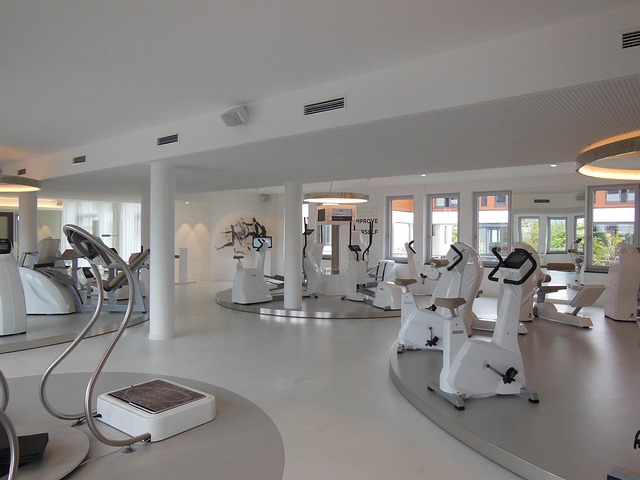
Circuit training, which alternates short bouts of resistance and aerobic exercises with minimal rest, elicits a distinct hormonal response. The primary mechanisms involve acute stress adaptation and long-term systemic regulation, influencing key hormones like cortisol, insulin, growth hormone, and sex hormones.
Acute Hormonal Responses
The intense, intermittent nature of circuit training creates a potent stimulus. Evidence strongly supports acute elevations in:
- Growth Hormone (GH): Secretion increases significantly, promoting lipolysis (fat breakdown) and supporting tissue repair and muscle protein synthesis.
- Norepinephrine & Epinephrine: These catecholamines surge, enhancing cardiac output, mobilizing energy substrates, and increasing metabolic rate.
- Cortisol: As a stress hormone, cortisol rises acutely to support energy mobilization. A well-designed circuit with appropriate volume and recovery leads to a transient spike that returns to baseline, which is a normal adaptive response.
Long-Term Adaptations for Balance
Consistent training induces beneficial chronic adaptations. The evidence here is robust for some outcomes and emerging for others:
- Insulin Sensitivity: This is one of the most well-supported benefits. Circuit training improves glucose uptake by muscles, enhancing insulin sensitivity and aiding in metabolic regulation.
- Cortisol Regulation: Over time, fitter individuals often exhibit a healthier diurnal cortisol rhythm and a blunted cortisol response to non-exercise stressors, suggesting improved stress resilience.
- Sex Hormones: Evidence is more nuanced. In men and women, appropriate training can support healthy testosterone and estrogen metabolism. However, excessive volume without recovery (overtraining) can disrupt these axes, highlighting the need for periodization.
Clinical Perspective: The hormonal impact of circuit training follows the principle of hormesis—a controlled stressor that triggers a beneficial adaptive response. The key is the "Goldilocks Zone" of intensity and recovery. Too little stimulus yields minimal change; too much, too frequently, can lead to a state of chronic stress and hormonal dysregulation, counterproductive to the goal of balance.
Limitations & Cautions: Much research is based on specific populations (e.g., young to middle-aged adults). Individual responses vary based on genetics, training status, nutrition, and sleep. Individuals with diagnosed hormonal conditions (e.g., adrenal insufficiency, uncontrolled thyroid disease), cardiovascular issues, or those who are pregnant should consult a physician before starting a new high-intensity regimen. Those with a history of overtraining or eating disorders should proceed with particular caution, as intense exercise can exacerbate dysregulation.
3. Risks, Contraindications, and At-Risk Populations
While circuit training can be a potent tool for improving hormonal health, its high-intensity, metabolically demanding nature is not universally appropriate. A responsible approach requires understanding the associated risks and identifying populations for whom caution or medical consultation is essential.
Primary Risks and Adverse Effects
The primary risks stem from the acute physiological stress of combining resistance and cardiovascular exercise with minimal rest. Potential adverse effects include:
- Exacerbation of Cortisol Dysregulation: For individuals with chronic stress, adrenal fatigue, or HPA-axis dysfunction, the additional cortisol spike from intense training may be counterproductive, potentially worsening fatigue, sleep disturbances, and metabolic issues.
- Increased Injury Risk: Performing complex, high-load movements under fatigue compromises form, elevating the risk of musculoskeletal injuries, particularly to joints, tendons, and the lower back.
- Overtraining Syndrome: Without adequate recovery, chronic high-intensity training can lead to a state of overtraining, characterized by hormonal imbalances (e.g., suppressed testosterone, elevated cortisol), performance decline, mood disturbances, and immune suppression.
Clinical Insight: The hormonal response to exercise is highly individual. A workout that beneficially stimulates growth hormone and testosterone in a well-recovered individual may push a chronically stressed person into a catabolic state. Assessing an individual's baseline stress and recovery capacity is a critical first step often overlooked in generic programming.
Contraindications and At-Risk Populations
Certain individuals should either avoid high-intensity circuit training or only undertake it with explicit medical clearance and professional supervision.
- Cardiovascular Conditions: Those with uncontrolled hypertension, coronary artery disease, arrhythmias, or a history of cardiac events.
- Unmanaged Metabolic or Endocrine Disorders: Individuals with poorly controlled diabetes (risk of hypoglycemia), thyroid disorders, or significant adrenal insufficiency.
- Acute or Chronic Injuries: Anyone with active joint, ligament, tendon, or spinal issues.
- Pregnant Individuals: While moderate exercise is encouraged, high-intensity circuits, especially with certain movements, are generally contraindicated, particularly in the second and third trimesters.
- Older Adults with Osteoporosis or Severe Deconditioning: High-impact or high-velocity movements can increase fracture risk.
- Individuals with a History of Eating Disorders: The intense, calorie-burning focus can potentially trigger disordered exercise behaviors.
The evidence supporting circuit training for hormonal balance is promising but primarily derived from studies on generally healthy populations. Its application in clinical populations requires significant modification and professional guidance. Consulting with a physician, endocrinologist, or certified exercise physiologist is strongly advised for anyone in the at-risk categories or with pre-existing health conditions before initiating a high-intensity circuit training program.
4. Evidence-Based Practical Recommendations

To harness the potential hormonal benefits of circuit training, a structured, evidence-informed approach is essential. The following recommendations synthesize current research to provide a practical and safe framework.
Key Programming Principles
Focus on compound, multi-joint movements (e.g., squats, push-ups, rows, lunges) that engage large muscle groups. This elicits a more significant neuroendocrine response compared to isolation exercises. A balanced circuit should include 6-10 exercises.
- Work-to-Rest Ratio: Aim for 30-60 seconds of work followed by 15-30 seconds of rest or active recovery (e.g., marching in place). This pattern is supported by research for stimulating beneficial acute hormonal shifts, including growth hormone and catecholamines.
- Intensity & Load: Use a resistance that allows for 12-15 repetitions per station with moderate fatigue by the final rep. The evidence for hormonal adaptation is stronger for moderate-to-high intensity circuits than for very light loads.
- Frequency: 2-3 sessions per week, with at least 48 hours of recovery between sessions, is a sustainable target shown to support positive long-term hormonal trends without promoting overtraining.
Integrating for Hormonal Synergy
Circuit training should be viewed as one component of a holistic lifestyle. For optimal hormonal balance, pair it with:
- Adequate Recovery: Prioritize 7-9 hours of quality sleep nightly, as sleep is paramount for cortisol regulation and anabolic hormone production.
- Nutritional Support: Consume sufficient protein and overall calories to support recovery. Severe caloric restriction combined with intense training can elevate cortisol and suppress sex hormones.
- Stress Management: Incorporate parasympathetic-activating practices like mindful cooldowns or walking on non-circuit days to counterbalance the sympathetic stress of exercise.
Clinical Perspective: While the acute hormonal responses to circuit training are well-documented, long-term adaptations for clinical conditions like hypothyroidism or PCOS require more research. The recommendations here are based on general endocrine exercise physiology. Individuals with known hormonal disorders, osteoporosis, cardiovascular issues, or those who are pregnant should consult their physician or an exercise physiologist to tailor this approach safely. Furthermore, those with a history of exercise addiction or eating disorders should be cautious, as an excessive focus on exercise for "hormone optimization" can be counterproductive.
In practice, consistency with a well-designed program, coupled with supportive lifestyle habits, offers the most reliable path to leveraging circuit training for hormonal health. Always listen to your body and adjust intensity based on recovery status.
5. Safety Protocols and When to Consult a Healthcare Provider
While circuit training can be a powerful tool for modulating hormones like cortisol, insulin, and growth hormone, its application must be approached with clinical prudence. The stress of exercise is a double-edged sword; a well-designed program promotes adaptation, while an excessive one can lead to hormonal dysregulation and injury.
Essential Safety Protocols
Adhering to fundamental safety principles is non-negotiable for harnessing benefits while minimizing risks.
- Progressive Overload with Adequate Recovery: Increase intensity, volume, or complexity gradually. Insufficient recovery between sessions can chronically elevate cortisol, potentially undermining metabolic and immune function.
- Prioritize Form Over Load: Compromised technique under fatigue significantly increases injury risk. Master movement patterns with bodyweight or light resistance before adding external load.
- Listen to Biofeedback: Persistent, disproportionate fatigue, disrupted sleep, prolonged muscle soreness, or changes in mood/libido may indicate non-functional overreaching. These are signs to reduce training stress.
- Nutritional Support: Ensure adequate caloric and macronutrient intake, particularly protein and carbohydrates around training, to support the endocrine response to exercise and recovery.
Clinical Insight: From an endocrinological perspective, the relationship between exercise and hormones is highly individual. Factors like baseline fitness, sleep quality, and psychological stress heavily influence one's hormonal response to a given circuit. A protocol that optimizes testosterone and growth hormone in one individual could exacerbate cortisol dysregulation in another. This underscores the need for personalization and monitoring.
When to Consult a Healthcare Provider
Certain individuals should seek professional medical advice before initiating or significantly modifying a circuit training regimen. This consultation is strongly advised for:
- Individuals with known cardiovascular, metabolic (e.g., diabetes), renal, or hepatic conditions.
- Those with musculoskeletal injuries, joint instability, or chronic pain.
- Pregnant or postpartum individuals, who require exercise programming tailored to their specific stage.
- Anyone with a diagnosed endocrine disorder (e.g., thyroid disease, adrenal insufficiency, PCOS) or a history of hypothalamic-pituitary axis dysfunction.
- Individuals taking medications that affect heart rate, blood pressure, or metabolism (e.g., beta-blockers, insulin).
- Those with a history of or recovering from an eating disorder, as intense exercise can sometimes perpetuate dysfunctional patterns.
Furthermore, if you experience symptoms such as dizziness, chest pain, unusual shortness of breath, or persistent negative changes in energy and mood despite rest, discontinue training and consult a physician. The evidence for circuit training's benefits is robust in healthy populations, but its application must be carefully calibrated to an individual's health status.
6. Questions & Expert Insights
Can circuit training really "balance" my hormones?
While the term "balance" is often used in wellness contexts, in endocrinology it refers to hormones being within optimal physiological ranges. Research indicates circuit training can positively influence several key hormones. It reliably elevates growth hormone and catecholamines (like adrenaline) acutely, which support fat metabolism and anabolic processes. Over time, consistent training improves insulin sensitivity, a crucial factor in metabolic health. It can also help modulate cortisol patterns, reducing chronic, dysregulated secretion while preserving its necessary acute response. However, "balance" is not a one-size-fits-all state. Effects are individual and depend on factors like workout intensity, recovery, and baseline health. Circuit training is a potent modulator, not a universal cure for hormonal dysfunction.
What are the risks or side effects of using circuit training for hormonal health?
When improperly programmed, circuit training can exacerbate hormonal dysregulation. The primary risk is overtraining syndrome, characterized by a sustained elevation in cortisol and a suppression of sex hormones like testosterone and estrogen, leading to fatigue, performance decline, and increased injury risk. Individuals with a history of hypothalamic amenorrhea, adrenal fatigue (or HPA axis dysregulation), or uncontrolled thyroid conditions should proceed with extreme caution and medical guidance. High-intensity circuits can also pose cardiovascular risks for those with undiagnosed heart conditions. The side effect of not prioritizing recovery—poor sleep, persistent soreness, and mood disturbances—often signals that the hormonal stress response is becoming detrimental rather than adaptive.
Who should avoid or be very cautious with this approach?
Certain populations should seek medical clearance before starting a high-intensity circuit training program. This includes individuals with: 1) Known cardiovascular, renal, or uncontrolled metabolic disease. 2) A history of eating disorders or relative energy deficiency in sport (RED-S), as added metabolic stress can worsen outcomes. 3) Significant orthopedic limitations or acute injuries. 4) Pregnant individuals, particularly without prior high-intensity exercise experience. 5) Those with diagnosed adrenal insufficiency or severe HPA axis dysfunction. 6) People taking medications that affect heart rate or blood pressure. For these groups, lower-intensity, graded exercise programs are typically a safer starting point.
When should I talk to a doctor, and what should I bring to that conversation?
Consult a physician or endocrinologist before starting if you have any pre-existing hormonal condition (e.g., PCOS, thyroid disorder, diabetes) or unexplained symptoms like severe fatigue, weight changes, or menstrual irregularities. You should also schedule a visit if you experience negative symptoms after beginning a new regimen, such as prolonged recovery, disrupted sleep, or loss of menstrual cycle. For the conversation, bring: 1) A summary of your proposed workout plan (frequency, intensity, duration). 2) A record of your symptoms and their timeline. 3) Any relevant recent lab results. 4) A list of all medications and supplements. This data helps the provider assess whether the exercise is appropriate or if underlying pathology needs to be addressed first.
7. In-site article recommendations
8. External article recommendations
9. External resources
The links below point to reputable medical and evidence-based resources that can be used for further reading. Always interpret them in the context of your own situation and your clinician’s advice.
-
mayoclinic mayoclinic.orgcircuit training – Mayo Clinic (search)
-
examine examine.comcircuit training – Examine.com (search)
-
wikipedia wikipedia.orgcircuit training – Wikipedia (search)
These external resources are maintained by third-party organisations. Their content does not represent the editorial position of this site and is provided solely to support readers in accessing additional professional information.