
1. Introduction to Apple Cider Vinegar and Blood Sugar Management

Apple cider vinegar (ACV), a fermented liquid made from crushed apples, has a long history in folk medicine. In recent decades, it has gained significant public attention as a potential natural aid for various health concerns, with blood sugar management being one of the most prominent. This interest stems from its acetic acid content, the primary active component thought to influence metabolic processes.
The relationship between dietary choices and glycemic control is well-established. Managing blood sugar levels is a critical component of health, particularly for individuals with insulin resistance, prediabetes, or type 2 diabetes. Conventional management relies on evidence-based strategies including medication, dietary modification, physical activity, and weight management. Within this context, ACV is often proposed as a complementary dietary tool.
The proposed mechanisms by which ACV might influence blood glucose are biologically plausible and have been investigated in preliminary research. Key hypotheses include:
- Delayed Gastric Emptying: Acetic acid may slow the rate at which food leaves the stomach, leading to a more gradual release of sugars into the bloodstream.
- Improved Insulin Sensitivity: Some animal and small human studies suggest acetic acid might enhance muscle glucose uptake and improve the body's response to insulin.
- Inhibition of Digestive Enzymes: Acetic acid may partially block enzymes like amylase and sucrase that break down complex carbohydrates into simple sugars, potentially reducing the glycemic load of a meal.
Clinical Perspective: While these mechanisms are intriguing, it is crucial to contextualize them. The evidence for ACV's effects in humans comes primarily from small, short-term trials. The observed reductions in post-meal blood glucose and insulin levels, while statistically significant in some studies, are often modest. ACV should not be viewed as a substitute for proven medical therapies or lifestyle interventions.
This chapter serves as a foundation for a detailed, evidence-based exploration. We will examine the current scientific data, distinguish between strong findings and areas of uncertainty, and discuss practical considerations for those interested in this approach. It is essential to note that individuals with certain conditions should exercise particular caution and consult a healthcare provider before using ACV supplements, including those with:
- Gastroparesis (delayed stomach emptying), common in advanced diabetes.
- Gastroesophageal reflux disease (GERD) or peptic ulcers.
- Chronic kidney disease, due to potential electrolyte imbalances.
- Those taking medications that lower blood sugar or potassium levels, due to risk of interaction.
2. Scientific Evidence and Mechanisms of Action

The proposed mechanisms by which apple cider vinegar (ACV) may influence blood glucose are biologically plausible and have been investigated in several human trials. The primary active component is acetic acid, which is thought to act through several pathways.
Proposed Mechanisms
- Delayed Gastric Emptying: Acetic acid may slow the rate at which food leaves the stomach, leading to a more gradual release of glucose into the bloodstream.
- Enhanced Muscle Glucose Uptake: Some animal and in vitro studies suggest acetic acid may improve insulin sensitivity and increase the uptake of glucose by skeletal muscles.
- Inhibition of Digestive Enzymes: Acetic acid may partially inhibit enzymes like amylase and sucrase in the intestine, reducing the breakdown and absorption of carbohydrates.
Review of Human Clinical Evidence
The evidence from human studies is promising but limited in scale and duration. A 2021 systematic review and meta-analysis in the Journal of Functional Foods concluded that vinegar consumption significantly reduced postprandial (after-meal) insulin and blood glucose levels. However, the effect on fasting blood glucose and long-term markers like HbA1c was less consistent.
Most trials are small, short-term (lasting weeks), and involve specific populations, often individuals with insulin resistance or type 2 diabetes. The typical intervention is 1-2 tablespoons (15-30 mL) of vinegar diluted in water, consumed before or with a carbohydrate-rich meal.
Clinical Perspective: The data suggests ACV may function as a mild postprandial glucose modulator, not a primary treatment. The effect size is modest—comparable to choosing whole grains over refined carbohydrates—and should not replace evidence-based therapies like medication, diet, and exercise. Long-term safety and efficacy data for daily supplementation are lacking.
Important Limitations and Cautions
It is crucial to interpret this evidence with its limitations:
- Studies often use liquid vinegar, not capsules; the equivalence in supplement form is not well-established.
- Effects are most pronounced with high-carbohydrate meals.
- Long-term outcomes and impact on diabetes complications are unknown.
Individuals who should exercise caution or consult a physician first include those with gastroparesis (common in diabetes), gastroesophageal reflux disease (GERD), peptic ulcers, low potassium levels, or those taking diuretics or insulin, as ACV may potentiate hypoglycemia or interact with medications. Dental enamel erosion is also a risk with undiluted liquid forms.
3. Potential Risks and Contraindications
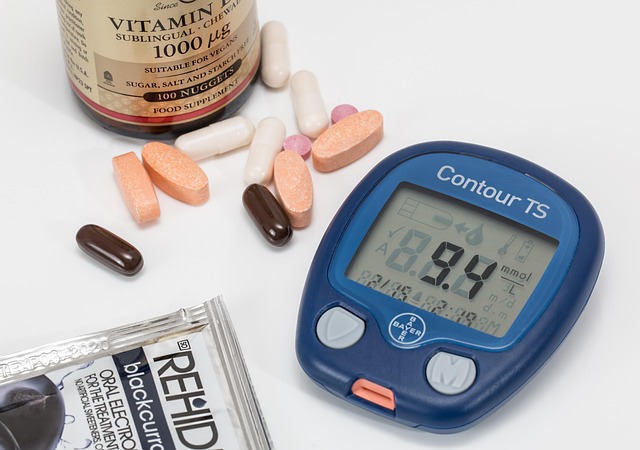
While apple cider vinegar (ACV) is often perceived as a benign natural product, its consumption, particularly in concentrated supplement form, carries documented risks and important contraindications. A balanced assessment requires acknowledging these potential harms alongside any proposed benefits.
Direct Adverse Effects
The high acidity of ACV is the primary source of its most common side effects. These are well-documented, though often mild and transient in healthy individuals.
- Gastrointestinal Distress: Nausea, heartburn (acid reflux), and delayed gastric emptying are frequently reported. The latter can be problematic for individuals with gastroparesis, a common complication of diabetes.
- Dental Erosion: Direct contact with acetic acid can demineralize tooth enamel. This risk is heightened if supplements are chewed or liquid ACV is consumed undiluted.
- Throat Irritation: Concentrated pills or capsules may cause esophageal irritation or burns if they become lodged.
Drug Interactions and Medical Conditions
The potential for ACV to lower blood glucose and potassium levels forms the basis of its most serious risks. Individuals with the following conditions or medications should exercise extreme caution and consult a physician:
- Diabetes and Hypoglycemia Risk: For those on glucose-lowering medications (insulin, sulfonylureas, meglitinides), adding ACV may potentiate their effect, leading to dangerously low blood sugar (hypoglycemia). Blood glucose monitoring is essential.
- Hypokalemia and Diuretic Use: ACV may theoretically lower serum potassium. This is a significant concern for individuals with low potassium levels, those taking potassium-wasting diuretics (e.g., furosemide), or people with conditions like hyperaldosteronism.
- Kidney Disease: Impaired kidneys may not effectively regulate electrolyte balance, increasing vulnerability to ACV's potential effects on potassium and acid-base status.
- Digestive Disorders: Individuals with peptic ulcers, severe GERD, or inflammatory bowel disease may experience symptom exacerbation.
Clinical Perspective: The most critical interaction is with diabetes medications. A patient whose glucose is well-controlled on medication could experience unexpected hypoglycemia, especially if they take ACV on an empty stomach or before bed. Furthermore, the quality and acetic acid concentration of over-the-counter supplements are unregulated, leading to inconsistent dosing and unpredictable effects. A discussion with a healthcare provider is non-negotiable for anyone on prescription medication or with a chronic health condition.
In summary, while ACV is low-risk for many healthy adults when used occasionally in culinary amounts, its use as a daily supplement for blood sugar management introduces measurable risks. The decision to use it should be informed by an individual's specific health profile and medication regimen, not undertaken without professional guidance.
4. Balanced Recommendations for Practical Use

Given the current state of evidence, apple cider vinegar (ACV) should be viewed as a potential adjunct, not a replacement, for established diabetes management strategies like medication, diet, and exercise. The data, while intriguing, is not robust enough to recommend it as a primary therapeutic intervention.
For individuals interested in a cautious, evidence-informed approach, the following practical recommendations can be considered:
- Dosage and Form: The most studied protocol involves consuming 1–2 tablespoons (15–30 mL) of diluted vinegar daily. This is typically mixed into a large glass of water. Capsule supplements vary widely in acetic acid content and lack the same depth of research; their efficacy is less certain.
- Timing is Key: To potentially influence post-meal blood glucose, consume the diluted vinegar immediately before or with a carbohydrate-rich meal. The effect appears most relevant to moderating the glycemic response of that specific meal.
- Prioritize Dilution: Never consume vinegar straight. Always dilute it in water to protect tooth enamel and the delicate lining of the esophagus and stomach.
- Manage Expectations: The observed effects on blood glucose and insulin sensitivity are modest. Do not expect dramatic, transformative results. It should complement, not compromise, other healthy habits.
Clinical Insight: In practice, I view ACV as a low-risk dietary experiment for motivated patients with prediabetes or well-controlled type 2 diabetes. The ritual of taking it before a meal can sometimes promote greater mindfulness of food choices. However, I emphasize that its impact is minor compared to foundational changes like reducing refined carbohydrates and increasing physical activity. It is not a license to forgo medication or dietary discipline.
Important Cautions and Contraindications: Certain individuals should avoid ACV or consult a healthcare provider first:
- Those with gastroparesis (a common complication of diabetes), gastroesophageal reflux disease (GERD), or peptic ulcers, as vinegar can exacerbate symptoms.
- Individuals with chronic kidney disease, as the acid load may be problematic.
- Anyone on diabetes medications (especially insulin or sulfonylureas like glipizide) or blood pressure drugs (like digoxin or diuretics), due to potential interactions that could lead to hypoglycemia or hypokalemia (low potassium).
- People with a history of eating disorders, as focusing on "metabolic hacks" can be triggering.
The most balanced recommendation is to discuss interest in ACV with your physician or a registered dietitian. They can help you interpret its potential role within your overall management plan, monitor for interactions, and ensure it does not distract from more impactful, evidence-based lifestyle modifications.
5. Safety Precautions and When to Seek Medical Advice
While apple cider vinegar (ACV) supplements are often marketed as natural aids for blood sugar management, their use is not without risk. A clinically responsible approach requires understanding these potential hazards and recognizing when professional medical guidance is essential.
Key Safety Concerns and Contraindications
The primary safety issues stem from ACV's high acidity and its potential to interact with medications and underlying health conditions.
- Dental Erosion: The acetic acid in ACV can damage tooth enamel. This risk is heightened if supplements are chewed or liquid vinegar is consumed undiluted.
- Gastrointestinal Distress: Common side effects include nausea, heartburn, and throat irritation. Individuals with gastroparesis, a common complication of diabetes, may experience worsened delayed stomach emptying.
- Medication Interactions: This is the most critical concern. ACV may potentiate the effects of diabetes medications (insulin, sulfonylureas) and diuretics, leading to dangerously low blood sugar (hypoglycemia) or potassium levels (hypokalemia).
- Esophageal Injury: Capsules may get lodged and cause irritation or ulceration, especially if taken without sufficient water or while lying down.
Who Should Exercise Extreme Caution or Avoid Use?
Certain individuals should avoid ACV supplements unless explicitly approved by their healthcare provider:
- Individuals with type 1 or type 2 diabetes, especially those on medication.
- People with kidney disease, as impaired kidneys may not properly handle excess acid.
- Those with gastroesophageal reflux disease (GERD), peptic ulcers, or low potassium levels.
- Pregnant or breastfeeding individuals, due to a lack of safety data.
- Anyone taking prescription diuretics, laxatives, or medications for heart disease.
When to Seek Medical Advice
Consult a physician or a registered dietitian before starting ACV supplements if you:
- Have any diagnosed medical condition, particularly diabetes, kidney, or digestive issues.
- Are taking any prescription or over-the-counter medications regularly.
- Experience symptoms like severe heartburn, vomiting, difficulty swallowing, or unusual muscle weakness after taking ACV.
- Are considering ACV as a replacement for, or significant alteration to, your current diabetes management plan.
The decision to use any supplement should be an informed one, made in partnership with a healthcare professional who understands your full health profile. The limited evidence for benefit must be carefully weighed against the known and potential risks.
6. Questions & Expert Insights
How strong is the evidence that apple cider vinegar supplements lower blood sugar?
The evidence is preliminary and comes primarily from small, short-term human trials. Several randomized controlled studies have shown that consuming a small amount (e.g., 1-2 tablespoons) of liquid apple cider vinegar (ACV) before or with a high-carbohydrate meal can modestly reduce the post-meal (postprandial) spike in blood glucose and insulin in individuals with insulin resistance or type 2 diabetes. The proposed mechanisms include delayed gastric emptying and improved insulin sensitivity at the cellular level. However, the evidence for supplements (pills, capsules, or gummies) is significantly weaker. These products vary widely in acetic acid concentration (the presumed active component), and their absorption may differ from liquid vinegar. There is a notable lack of large, long-term studies demonstrating that ACV supplementation leads to sustained improvements in HbA1c (a key marker of long-term blood sugar control) or prevents diabetes complications.
What are the main risks and who should avoid ACV supplements?
Apple cider vinegar supplements are not risk-free. Key concerns include:
- Dental Erosion: Acetic acid can damage tooth enamel. Capsules may mitigate this risk compared to liquid.
- Gastrointestinal Distress: Nausea, heartburn, and throat irritation are common.
- Drug Interactions: ACV may potentiate the effect of diuretics, insulin, and diabetes medications like metformin or sulfonylureas, raising the risk of dangerously low blood sugar (hypoglycemia) or low potassium (hypokalemia).
- Esophageal Injury: Pills can get stuck and cause corrosive damage if not swallowed properly with plenty of water.
Who should avoid them: Individuals with gastroparesis (common in advanced diabetes), peptic ulcers, GERD, chronic kidney disease, or those taking potassium-lowering medications. People with a history of eating disorders should also avoid any supplement promoted for metabolic control.
If I want to try this, when should I talk to my doctor first?
You should consult your physician or a registered dietitian before starting any supplement, especially if you have a diagnosed medical condition. This is non-negotiable if you have diabetes (type 1 or type 2), prediabetes, kidney disease, or are on medication. Prepare for the conversation by bringing:
- Your current medication and supplement list, including doses.
- The specific ACV supplement brand you're considering, so your doctor can review its ingredients.
- Your reasons for wanting to try it (e.g., "I read it might help with post-meal spikes").
- A record of your recent blood glucose readings if you monitor them.
This allows your doctor to assess potential interactions, adjust medication if necessary, and help you set realistic expectations based on your personal health profile.
Are ACV supplements a substitute for diabetes medication or a healthy diet?
No, they are not a substitute. ACV supplements should never replace prescribed diabetes medications, insulin, or foundational lifestyle therapy. The American Diabetes Association's standards of care emphasize nutrition therapy, physical activity, and weight management as first-line interventions. Any glucose-lowering effect from ACV is minor and adjunctive at best. Viewing it as a "natural replacement" for medication is dangerous and can lead to poor glycemic control and increased risk of complications. The most responsible approach is to consider such supplements, if at all, only as a very small part of a comprehensive management plan developed with your healthcare team, and not as a standalone solution.
7. In-site article recommendations
8. External article recommendations
9. External resources
The links below point to reputable medical and evidence-based resources that can be used for further reading. Always interpret them in the context of your own situation and your clinician’s advice.
-
wikipedia wikipedia.orgapple cider vinegar – Wikipedia (search)
-
drugs drugs.comapple cider vinegar – Drugs.com (search)
-
healthline healthline.comapple cider vinegar – Healthline (search)
These external resources are maintained by third-party organisations. Their content does not represent the editorial position of this site and is provided solely to support readers in accessing additional professional information.