
1. Introduction to GLP-1 Drugs and Their Role in Appetite Regulation
Glucagon-like peptide-1 (GLP-1) receptor agonists, commonly referred to as GLP-1 drugs, are a class of medications initially developed for type 2 diabetes management. Their profound effects on weight management have since propelled them to the forefront of obesity medicine. Drugs like semaglutide (Ozempic®, Wegovy®) and tirzepatide (Mounjaro®, Zepbound®) work by mimicking the action of the natural GLP-1 hormone, which is released from the gut after eating.
The primary, well-established mechanisms of action for these drugs include:
- Enhancing Insulin Secretion: They stimulate insulin release in a glucose-dependent manner, lowering blood sugar with a low risk of hypoglycemia.
- Slowing Gastric Emptying: They delay the rate at which food leaves the stomach, promoting a prolonged feeling of fullness (satiety) after meals.
- Suppressing Glucagon Secretion: They reduce the liver's production of glucagon, a hormone that raises blood sugar levels.
Beyond these core functions, a significant area of clinical interest and patient reporting is the drugs' impact on appetite regulation and food cravings. Evidence suggests GLP-1 receptors are located in key brain regions involved in reward and appetite control, such as the hypothalamus and the mesolimbic pathway. By acting on these central nervous system receptors, GLP-1 drugs are believed to:
- Directly reduce appetite signals ("hunger").
- Potentially alter the reward value and "craving" for highly palatable, calorie-dense foods.
Clinical Insight: While the physiological effects on gastric emptying and satiety are strongly supported by evidence, the precise neurobiological mechanisms behind changes in food preference and "food noise" are an active area of research. Patient anecdotes often describe a diminished preoccupation with food, but the degree and consistency of this effect can vary significantly between individuals.
It is crucial to understand that GLP-1 drugs are potent prescription medications, not lifestyle supplements. They are contraindicated for individuals with a personal or family history of medullary thyroid carcinoma or Multiple Endocrine Neoplasia syndrome type 2. Common side effects, often gastrointestinal (nausea, vomiting, diarrhea), are typically dose-dependent and may subside over time. Individuals with a history of pancreatitis, severe gastrointestinal disease, or kidney impairment should use these medications with extreme caution and under close medical supervision.
This chapter provides a foundational understanding of how GLP-1 drugs are designed to work. The following sections will explore the real-world user experiences to examine how these pharmacological actions translate into perceived changes in cravings and eating behavior.
2. Evidence and Mechanisms: How GLP-1 Drugs May Influence Food Cravings
Glucagon-like peptide-1 (GLP-1) receptor agonists, such as semaglutide and tirzepatide, are primarily prescribed for type 2 diabetes and chronic weight management. A consistent clinical observation is their ability to reduce appetite and caloric intake. The reported decrease in specific food cravings is likely a secondary effect of their primary physiological actions on the brain and gut.
Established Neurobiological Mechanisms
The most robust evidence supports direct action on brain pathways that regulate appetite and reward. GLP-1 receptors are densely located in key brain regions, including the hypothalamus and the mesolimbic system.
- Hypothalamic Satiety Signaling: By activating receptors in the appetite control center, these drugs enhance feelings of fullness (satiety) and reduce hunger signals, which can naturally diminish the drive to seek out food, including highly palatable options.
- Modulation of Reward Pathways: Preliminary human and animal studies suggest GLP-1 agonists may dampen the dopamine-driven reward response to food, particularly high-fat and high-sugar foods. This could make these foods seem less appealing and reduce craving intensity.
Gut-Brain Axis and Gastric Effects
These medications also work peripherally. They slow gastric emptying, leading to a prolonged feeling of stomach fullness after meals. This physical signal, relayed to the brain via the gut-brain axis, contributes to reduced overall food interest and may preempt cravings driven by an empty stomach.
Clinical Perspective: It's crucial to distinguish between a pharmacological reduction in the drive to eat and a targeted elimination of specific cravings. The evidence for the former is strong. The latter is widely reported anecdotally and supported by mechanistic plausibility, but large-scale, controlled studies specifically on "craving" phenotypes are more limited. The effect is not uniform; individual neurobiology and psychology play significant roles.
Evidence Strength and Limitations
The reduction in general appetite and caloric intake is well-documented in randomized controlled trials. Patient-reported outcomes often include reduced thoughts about food and less interest in snacking. However, most large trials are not designed to isolate "cravings" as a primary endpoint. The evidence for a specific anti-craving effect, while compelling, relies more on secondary analyses, mechanistic studies, and real-world reports.
Who Should Exercise Caution: Individuals with a personal or family history of medullary thyroid carcinoma or Multiple Endocrine Neoplasia syndrome type 2 should not use GLP-1 agonists. Those with a history of pancreatitis, severe gastrointestinal disease, or eating disorders should discuss the risks and benefits thoroughly with a physician, as the profound appetite suppression could exacerbate certain conditions.
3. Risks, Side Effects, and Populations to Avoid GLP-1 Drugs
While GLP-1 receptor agonists (e.g., semaglutide, tirzepatide) are effective for weight management and type 2 diabetes, their use is accompanied by a well-documented profile of potential adverse effects and specific contraindications. A thorough understanding of these risks is essential for safe and responsible use.
Common and Gastrointestinal Side Effects
The most frequently reported side effects are gastrointestinal, stemming from the drugs' primary mechanism of slowing gastric emptying and promoting satiety. These effects are often dose-dependent and may diminish over time, but they can be significant.
- Nausea, Vomiting, and Diarrhea: These are the most common, affecting a substantial portion of users, particularly during dose escalation.
- Constipation and Abdominal Pain: Also frequently reported and can impact quality of life and adherence.
- Appetite Suppression and Early Satiety: While a therapeutic goal, pronounced effects can lead to inadequate caloric or nutrient intake if not managed carefully.
Serious Risks and Medical Considerations
Beyond common GI issues, several serious, though rarer, risks require clinical vigilance.
- Pancreatitis: Cases of acute pancreatitis have been reported. Patients should be advised to seek immediate medical attention for severe, persistent abdominal pain.
- Gallbladder Disease: An increased risk of cholelithiasis (gallstones) and cholecystitis has been observed, likely related to rapid weight loss.
- Hypoglycemia: Risk is low when used as monotherapy for obesity but increases significantly when combined with insulin or insulin secretagogues (e.g., sulfonylureas) for diabetes.
- Medullary Thyroid Carcinoma (MTC): GLP-1 drugs are contraindicated in patients with a personal or family history of MTC or in patients with Multiple Endocrine Neoplasia syndrome type 2 (MEN 2), based on rodent studies. The human relevance remains uncertain but is a strict contraindication.
- Acute Kidney Injury: Dehydration from severe GI side effects can precipitate renal issues, particularly in susceptible individuals.
Clinical Perspective: The decision to prescribe a GLP-1 drug involves a careful risk-benefit analysis. We actively screen for contraindications like a history of pancreatitis or MEN 2. For patients with a history of diabetic retinopathy, rapid improvement in blood glucose has been associated with transient worsening; this requires coordinated care with an ophthalmologist. The management of common GI side effects is proactive—starting with a low dose, escalating slowly, and emphasizing dietary modifications like eating smaller, low-fat meals.
Populations Requiring Caution or Avoidance
These medications are not appropriate for everyone. Key populations to consider include:
- Pregnancy and Breastfeeding: Insufficient safety data; use is generally not recommended.
- History of Pancreatitis or Active Gallbladder Disease.
- Severe Gastrointestinal Disease (e.g., gastroparesis, inflammatory bowel disease).
- Patients with a Personal or Family History of Medullary Thyroid Carcinoma or MEN 2.
- Severe Renal Impairment or End-Stage Renal Disease (dose adjustment or avoidance may be necessary).
- Individuals with a History of Eating Disorders, as the potent appetite suppression could exacerbate disordered eating patterns.
Anyone considering a GLP-1 medication must have a comprehensive evaluation by a qualified healthcare provider to assess individual suitability, manage expectations, and establish a plan for monitoring both efficacy and potential adverse effects.
4. Practical Takeaways: Managing Cravings and Lifestyle with GLP-1 Drugs
While GLP-1 receptor agonists (e.g., semaglutide, tirzepatide) are clinically proven to reduce appetite and promote weight loss, their effect on specific food cravings is more nuanced. Clinical trial data robustly supports reduced caloric intake and decreased appetite scores. However, anecdotal reports of altered cravings—like reduced interest in highly palatable, high-fat, or sugary foods—are not yet uniformly validated by large-scale, long-term studies. This suggests individual responses vary significantly.
For individuals prescribed these medications, a proactive and structured approach to lifestyle can help maximize benefits and manage the transition. Consider these evidence-informed strategies:
- Prioritize Protein and Fiber: Leverage the medication's appetite-suppressing effect to consciously build meals around lean proteins, vegetables, and whole grains. This can help maintain muscle mass during weight loss and promote sustained satiety.
- Mindful Hydration: Increased feelings of fullness can sometimes lead to reduced fluid intake. Aim for consistent water consumption throughout the day to support metabolism and prevent dehydration, a common side effect.
- Structure Eating Windows: With reduced hunger cues, it can be easy to skip meals, potentially leading to low energy or nutrient deficiencies. Establishing regular, balanced meal times is often more sustainable than erratic eating patterns.
- Re-evaluate Your Environment: Use this period of reduced "food noise" as an opportunity to create a supportive home environment. This might involve keeping less tempting foods out of immediate sight and ensuring healthy options are readily available.
Clinical Perspective: It's critical to view GLP-1 drugs as a powerful adjunct to foundational lifestyle changes, not a replacement. The medication creates a physiological opportunity for change, but lasting habits are built through consistent behavior. Furthermore, if cravings for specific nutrients (e.g., sweets) diminish, patients should be mindful of ensuring they still consume a balanced, nutrient-dense diet to avoid deficiencies. The goal is sustainable health, not just weight loss.
Important Cautions: Individuals with a history of eating disorders should use these medications with extreme caution and only under close supervision by a specialist, as the profound appetite suppression can exacerbate disordered patterns. Anyone with pancreatic disease, a personal or family history of medullary thyroid carcinoma (for specific GLP-1s), or severe gastrointestinal disease should discuss these risks thoroughly with their physician before starting treatment. Always consult your healthcare provider before making significant dietary or lifestyle changes while on medication.
5. Safety Considerations and When to Consult a Healthcare Professional
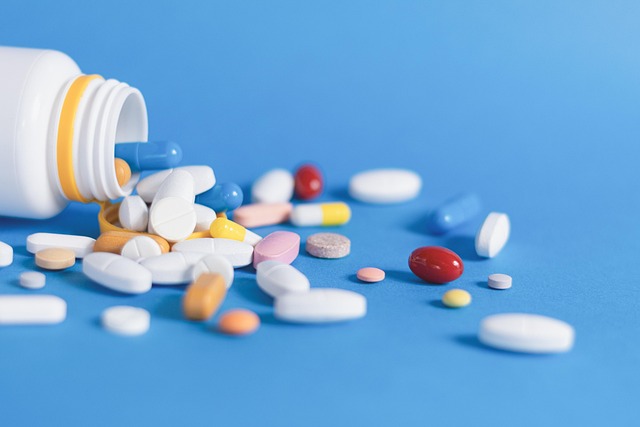
While GLP-1 receptor agonists (e.g., semaglutide, tirzepatide) are generally well-tolerated, they are potent prescription medications with specific safety profiles. Acknowledging and managing potential risks is a fundamental part of responsible treatment.
Common and Manageable Side Effects
The most frequently reported side effects are gastrointestinal and are often dose-dependent. They typically occur during dose escalation and may diminish over time. Strong evidence supports the prevalence of:
- Nausea, vomiting, and diarrhea
- Constipation and abdominal discomfort
- Decreased appetite (a primary therapeutic effect)
Management strategies include eating smaller, blander meals, staying hydrated, and following the prescribed titration schedule. Persistent or severe GI symptoms should be discussed with a healthcare provider, as they can lead to dehydration.
Serious Risks and Contraindications
Certain individuals should use these medications with extreme caution or avoid them entirely. It is crucial to consult a physician to review personal medical history. Key considerations include:
- Medullary Thyroid Cancer (MTC): GLP-1 drugs are contraindicated in patients with a personal or family history of MTC or in patients with Multiple Endocrine Neoplasia syndrome type 2 (MEN 2).
- Pancreatitis: Patients should be advised to seek immediate medical attention for severe, persistent abdominal pain.
- Gallbladder Disease: An increased risk of cholelithiasis (gallstones) has been observed, possibly due to rapid weight loss.
- Diabetic Retinopathy: In patients with type 2 diabetes, rapid improvement in glycemic control has been associated with a risk of temporary worsening of diabetic retinopathy; regular eye exams are recommended.
- Renal Impairment: Caution is advised, as dehydration from GI side effects can worsen kidney function. Dose adjustment may be necessary.
Clinical Insight: The decision to prescribe a GLP-1 drug involves a careful risk-benefit analysis. A thorough history should screen for contraindications like thyroid cancer risk, and ongoing monitoring is essential. We also counsel patients that while the medication reduces cravings and appetite, it is a tool to be used alongside sustainable lifestyle changes, not a standalone solution.
When to Consult Your Healthcare Professional
Open communication with your care team is vital. Contact them promptly if you experience:
- Signs of a severe allergic reaction (rash, itching, swelling, difficulty breathing).
- Severe abdominal pain that may indicate pancreatitis or gallbladder issues.
- Persistent vomiting or diarrhea leading to dizziness or signs of dehydration.
- Changes in vision.
- Palpitations or a markedly fast heart rate.
Furthermore, you should consult your doctor before starting if you are pregnant, planning pregnancy, breastfeeding, have a history of pancreatitis, diabetic retinopathy, or kidney disease, or are taking other medications (especially insulin or sulfonylureas) to adjust for hypoglycemia risk. Never discontinue or adjust your dose without professional guidance.
6. Questions & Expert Insights
Do GLP-1 drugs like semaglutide and tirzepatide actually change your brain's desire for food?
Emerging evidence suggests they do, but the mechanism is more nuanced than simply "turning off" cravings. GLP-1 receptors are found in brain regions involved in reward and appetite regulation, including the hypothalamus and the mesolimbic pathway. These drugs are believed to modulate signaling in these areas, which can lead to a reduced "salience" of highly palatable, calorie-dense foods. Users often report that previously irresistible foods lose their appeal, a phenomenon supported by functional MRI studies showing altered brain activity in response to food cues. However, the effect is not universal and can vary based on individual neurobiology, the specific medication, and dosage. It's important to view this as a pharmacological aid that creates a window of opportunity for developing healthier eating habits, rather than a permanent rewiring of the brain.
What are the most significant risks or side effects, and who should be especially cautious?
The most common side effects are gastrointestinal, including nausea, vomiting, diarrhea, and constipation, which often subside over time but can be severe. More serious, though rarer, risks include pancreatitis, gallbladder disease, and acute kidney injury (often secondary to dehydration from GI issues). There is also a boxed warning for thyroid C-cell tumors observed in rodent studies, though human relevance is unclear. These medications are contraindicated for individuals with a personal or family history of medullary thyroid carcinoma or Multiple Endocrine Neoplasia syndrome type 2. Extreme caution is also required for those with a history of pancreatitis, severe gastroparesis, or kidney disease. Furthermore, they are not recommended for individuals with active or a history of eating disorders, as the potent appetite suppression could exacerbate disordered behaviors.
If I'm considering a GLP-1 drug for weight management, when should I talk to my doctor and what should I discuss?
You should initiate a conversation with your doctor before seeking a prescription, ideally when you have tried foundational lifestyle interventions with limited success and your BMI meets clinical criteria (typically ≥30, or ≥27 with a weight-related comorbidity). Come prepared to discuss your full medical history, including any personal or family history of thyroid cancer, pancreatitis, or kidney disease. Be ready to list all current medications and supplements. A key part of the conversation should focus on your goals, the medication's role as one tool in a broader plan, and a realistic timeline. Ask about monitoring requirements, potential side effects, cost/insurance coverage, and the plan for long-term maintenance, as these are not typically "forever" drugs. This ensures the decision is collaborative and clinically appropriate.
How reliable are the anecdotal reports of changed food preferences, and can I expect the same results?
While real-world experiences are valuable for understanding the patient perspective, they are subjective and highly variable. Individual reports of losing interest in sweets or fast food are consistent with the proposed neurological mechanisms, but they are not guaranteed outcomes. Factors like genetics, baseline diet, psychological factors, and the specific medication/dose all influence the response. It's critical to distinguish between a pharmacological effect on craving and a possible learned behavior change facilitated by reduced appetite. Clinical trials, which provide more objective data, show a significant average reduction in appetite and caloric intake, but individual results fall on a spectrum. Setting realistic expectations is crucial; some users experience profound shifts in cravings, while others note only a moderate reduction in general hunger.
7. In-site article recommendations
8. External article recommendations
9. External resources
The links below point to reputable medical and evidence-based resources that can be used for further reading. Always interpret them in the context of your own situation and your clinician’s advice.
-
mayoclinic mayoclinic.orgGLP-1 receptor agonists – Mayo Clinic (search)
-
healthline healthline.comGLP-1 receptor agonists – Healthline (search)
-
examine examine.comGLP-1 receptor agonists – Examine.com (search)
These external resources are maintained by third-party organisations. Their content does not represent the editorial position of this site and is provided solely to support readers in accessing additional professional information.