
1. Understanding Common Pitfalls in Supplement Usage
Effective supplement use is not merely about choosing the right product; it is fundamentally about avoiding common errors that can render them ineffective or, in some cases, harmful. A foundational understanding of these pitfalls is essential for anyone seeking to integrate dietary supplements into a health regimen responsibly.
One of the most significant errors is the assumption that supplements can fully compensate for a poor diet. While they are designed to fill nutritional gaps, they cannot replicate the complex synergy of phytonutrients, fiber, and other beneficial compounds found in whole foods. Relying on supplements while neglecting dietary quality often leads to suboptimal health outcomes and wasted resources.
Another critical pitfall involves timing and interactions. The bioavailability of many nutrients is influenced by what they are taken with. For instance:
- Fat-soluble vitamins (A, D, E, K) require dietary fat for proper absorption.
- Calcium can inhibit the absorption of iron and some medications if taken simultaneously.
- Certain supplements, like St. John’s Wort, are notorious for causing extensive drug-nutrient interactions, potentially reducing the efficacy of prescription medications.
Furthermore, the belief that "more is better" is a dangerous misconception. Exceeding the Upper Tolerable Intake Level (UL) for nutrients like vitamin A, vitamin D, iron, or selenium can lead to toxicity and organ damage. This risk is particularly acute with fat-soluble vitamins, which are stored in the body rather than excreted.
Clinical Perspective: From a clinical standpoint, the most common mistake I observe is the self-prescription of high-dose supplements without baseline testing or professional guidance. For example, indiscriminate high-dose zinc supplementation can induce a copper deficiency, while excessive vitamin B6 over time can lead to neuropathy. A targeted approach, ideally informed by lab work and a healthcare provider's assessment, is far safer and more effective.
It is crucial for individuals with pre-existing health conditions (especially kidney or liver disease), those who are pregnant or breastfeeding, and anyone taking multiple prescription medications to consult a physician or a registered dietitian before starting any new supplement. The evidence supporting supplement use varies widely; while some applications, like folic acid in pregnancy, are strongly supported, others are based on preliminary or mixed data and require a cautious, individualized approach.
2. Scientific Basis for Supplement Ineffectiveness

The perceived ineffectiveness of dietary supplements is often rooted in fundamental scientific principles, not just anecdotal experience. Understanding these principles is crucial for setting realistic expectations and making informed choices.
First, the concept of bioavailability is paramount. This refers to the proportion of a nutrient that is absorbed and becomes available for physiological use. A supplement's form, its chemical compound (e.g., magnesium oxide vs. magnesium glycinate), and the presence of other foods or nutrients can drastically alter absorption. For instance, fat-soluble vitamins (A, D, E, K) require dietary fat for optimal uptake, while certain minerals compete for the same absorption pathways.
Second, the dose-response relationship is frequently misunderstood. For essential nutrients, the body operates within a therapeutic window. Intake below a certain threshold yields no measurable benefit, while exceeding it offers no additional advantage and may cause harm. Many supplements are marketed at doses far below those used in clinical trials that demonstrated efficacy. Conversely, for non-essential compounds like herbal extracts, the evidence for a clear, predictable dose-response curve is often limited or mixed.
Finally, the underlying cause of deficiency must be addressed. Supplements act as a corrective tool, not a cure-all. If a nutrient deficiency is caused by a malabsorption disorder (e.g., celiac disease, Crohn's disease), chronic medication use (e.g., proton pump inhibitors affecting B12), or significant dietary inadequacy, simply taking a pill without addressing the root cause is unlikely to resolve the issue fully.
Clinical Perspective: From a medical standpoint, ineffectiveness often stems from a mismatch between the supplement and the individual's actual physiological need. Robust evidence for supplementation is strongest in scenarios of diagnosed deficiency, specific life stages (e.g., prenatal folic acid), or well-defined conditions (e.g., vitamin D for bone health in at-risk populations). For general wellness or broad-spectrum use in otherwise healthy individuals, high-quality evidence of benefit is frequently lacking, making perceived ineffectiveness a common outcome.
Individuals with chronic health conditions, especially those affecting the liver, kidneys, or gastrointestinal tract, and those taking multiple medications, should exercise particular caution. Nutrient interactions and altered metabolism can render supplements ineffective or unsafe. Consulting a physician or a registered dietitian is essential to identify true deficiencies, select appropriate forms and doses, and integrate supplementation safely into a broader health plan.
3. Potential Risks and Contraindications

While supplements can play a supportive role in health, their use is not without potential for harm. The most significant risks often stem from a failure to recognize contraindications and interactions, which can negate intended benefits and introduce new health problems.
Drug-Supplement Interactions
This is a primary area of clinical concern. Many supplements can interfere with the metabolism or action of prescription medications, leading to reduced efficacy or increased toxicity. For example:
- Vitamin K can antagonize the anticoagulant effect of warfarin, increasing the risk of clotting.
- St. John’s Wort induces liver enzymes that accelerate the breakdown of many drugs, including antidepressants, birth control pills, and certain heart medications, potentially rendering them ineffective.
- Calcium and Iron can bind to and reduce the absorption of several antibiotics and thyroid medications.
The evidence for these specific interactions is well-established. However, for many newer supplements, interaction data is limited or based on theoretical mechanisms, underscoring the need for caution.
Underlying Health Conditions
Certain health conditions create specific contraindications for supplement use. Individuals with the following should exercise extreme caution and only use supplements under direct medical supervision:
- Kidney Disease: Impaired kidneys cannot properly excrete excess minerals like potassium, magnesium, and phosphorus, or high doses of certain vitamins, risking dangerous accumulation.
- Liver Disease: The liver metabolizes many compounds; compromised function increases the risk of hepatotoxicity from herbs like kava or high-dose green tea extract.
- History of Organ Transplant or Cancer: These patients are often on critical immunosuppressive or chemotherapeutic regimens where unregulated supplement use can be life-threatening.
Quality and Purity Concerns
Beyond biological risks, the supplement industry's regulatory framework means product quality is not guaranteed. Contaminants like heavy metals, pesticides, or undeclared pharmaceutical drugs pose direct health risks. Furthermore, inaccurate labeling regarding ingredient identity and potency is a documented problem, meaning you may not be consuming what you believe you are.
The responsible approach is to treat supplements with the same seriousness as pharmaceuticals. Consult your healthcare provider before starting any new regimen, especially if you have a chronic health condition, are pregnant or breastfeeding, are scheduled for surgery, or are taking any prescription or over-the-counter medications.
4. Actionable Strategies for Optimal Supplement Use

To move beyond common mistakes and ensure your supplement regimen is both safe and effective, a strategic, evidence-informed approach is essential. This involves deliberate planning around timing, synergy, and ongoing evaluation.
1. Strategic Timing and Pairing
The bioavailability of many nutrients is influenced by food and other compounds. Fat-soluble vitamins (A, D, E, K) and many herbal extracts require dietary fat for optimal absorption and should be taken with a meal. Conversely, certain minerals like iron and calcium can compete for absorption; staggering their intake by 2-4 hours is often advised. High-quality evidence supports these basic pharmacokinetic principles.
- With Food: Fat-soluble vitamins, curcumin, CoQ10.
- On an Empty Stomach: Some amino acids (e.g., L-tyrosine) and certain forms of iron (ferrous sulfate), unless they cause GI upset.
- Separate from Medications: Calcium and iron can bind to thyroid medications, antibiotics (tetracyclines, fluoroquinolones), and bisphosphonates, drastically reducing their efficacy.
2. Prioritize Foundational Synergy
Evidence strongly supports that nutrients work in concert. Isolated high-dose supplementation can create functional deficiencies elsewhere. For example, high-dose zinc supplementation without copper can induce a copper deficiency over time. Similarly, vitamin D metabolism relies on adequate levels of magnesium and vitamin K2 for proper calcium mobilization and deposition in bone.
Clinical Insight: Clinicians often recommend a "food-first" approach and use targeted supplementation to fill specific, identified gaps. A broad-spectrum, high-quality multivitamin/mineral can serve as a nutritional safety net, but it is not a substitute for a poor diet. The synergy found in whole foods is complex and not fully replicable with isolated compounds.
3. Implement a Review and Reassess Protocol
Supplement needs are not static. They change with diet, health status, age, medication use, and lifestyle. A common error is to continue a supplement regimen indefinitely without reassessment. Establish a quarterly or bi-annual review:
- Re-evaluate your original rationale for each supplement.
- Consider recent blood work (e.g., vitamin D, B12, ferritin) to guide decisions.
- Document any changes in symptoms, medications, or diet.
Who Should Exercise Caution: Individuals with chronic kidney or liver disease, those who are pregnant or breastfeeding, people on multiple medications (polypharmacy), and anyone with a history of eating disorders or hormone-sensitive conditions should consult a physician or a registered dietitian before initiating or changing any supplement protocol. The evidence for many supplement claims is mixed or preliminary, and professional guidance is crucial for safe, personalized use.
5. When to Seek Professional Medical Advice
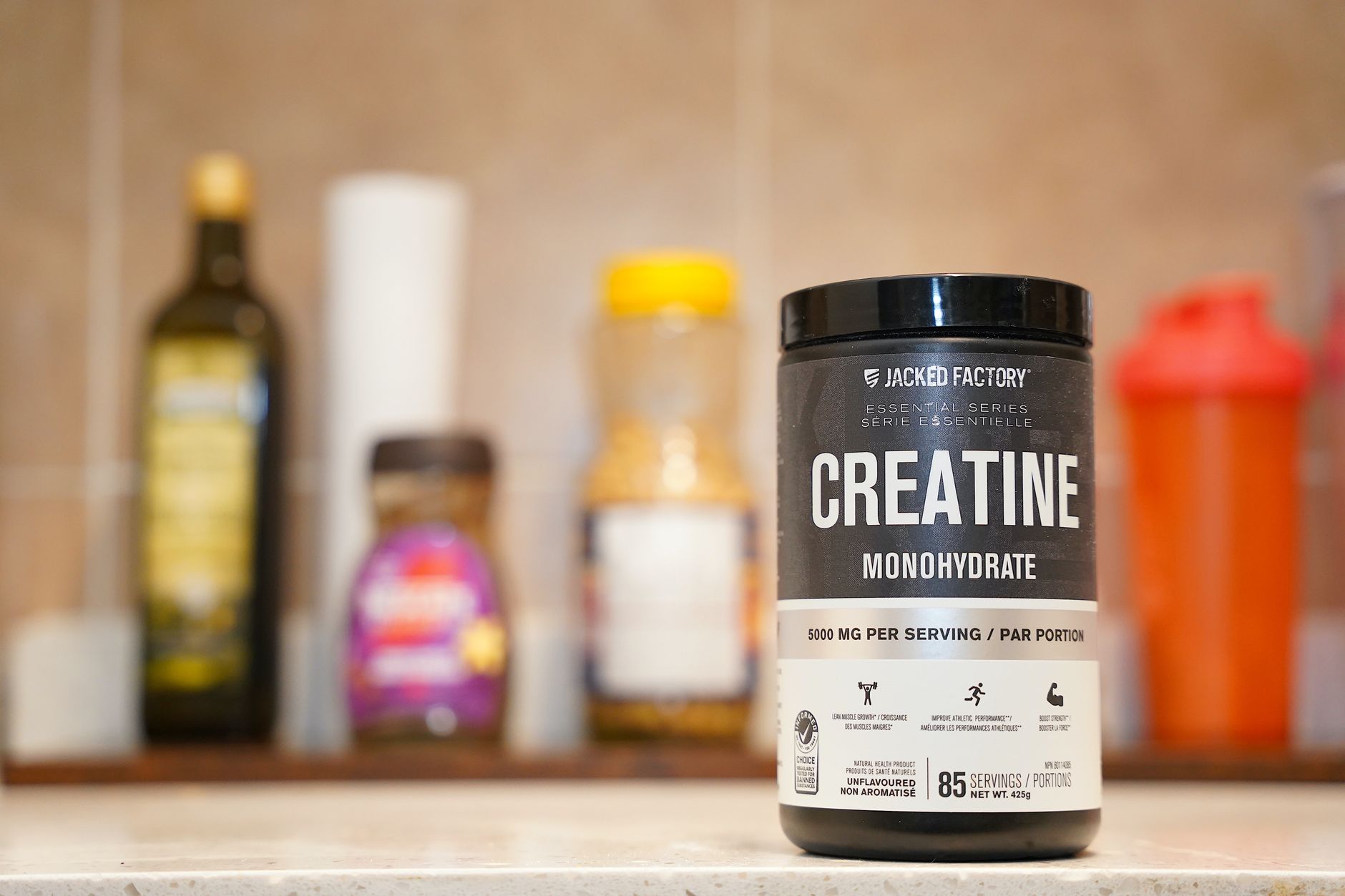
While supplements can be part of a health strategy, their self-directed use carries inherent risks. The most critical mistake is failing to involve a qualified healthcare professional. This step is non-negotiable for ensuring safety, appropriateness, and efficacy.
Consulting a physician or registered dietitian is strongly advised in the following scenarios:
- Pre-existing medical conditions: If you have kidney disease, liver disease, cardiovascular conditions, autoimmune disorders, or diabetes. Supplements can interfere with organ function or disease management.
- Current medication use: This is paramount. Many supplements have clinically significant interactions with prescription drugs, potentially reducing efficacy (e.g., St. John’s wort with antidepressants, birth control, or blood thinners) or increasing toxicity.
- Pregnancy, lactation, or plans for pregnancy: Nutrient needs change, and many common supplements are contraindicated due to potential fetal risk.
- Upcoming surgery: Certain supplements (e.g., garlic, ginkgo, vitamin E) can increase bleeding risk and must be discontinued well in advance.
- Persistent or worsening symptoms: Using supplements to self-treat fatigue, pain, or mood changes without a diagnosis can delay treatment for serious underlying conditions.
Clinical Insight: From a medical perspective, a supplement is a bioactive substance that can act like a drug. A thorough review by a clinician includes assessing your full health history, current medications (including over-the-counter drugs), and objective data like recent blood tests. This context is essential for identifying potential deficiencies, avoiding harmful interactions, and determining if a supplement is truly necessary or if dietary/lifestyle changes should be the primary focus.
The evidence supporting supplement use is highly variable. While some uses, like folic acid in pregnancy, are strongly evidence-based, many popular claims are supported by only preliminary or mixed data. A professional can help you interpret this evidence, separating robust findings from marketing hype.
Ultimately, seeking professional advice transforms supplement use from a guessing game into a targeted, monitored component of your healthcare. It is the single most effective action you can take to avoid the mistakes of misapplication, interaction, and wasted investment.
6. Questions & Expert Insights
Is it true that taking supplements on an empty stomach makes them more effective?
This is a common belief, but the answer depends entirely on the specific supplement. Fat-soluble vitamins (A, D, E, K) are better absorbed when taken with a meal containing dietary fat. Conversely, some minerals like calcium citrate can be taken without food, while calcium carbonate requires stomach acid for absorption and should be taken with a meal. Iron supplements are often better tolerated with food, though vitamin C can enhance their absorption. The "empty stomach" rule of thumb is overly simplistic and can backfire, leading to gastrointestinal upset or reduced efficacy. Always refer to the specific instructions on your product's label or, better yet, consult with a pharmacist or your doctor for personalized advice based on the formulation you are using.
Can I just double the dose of a supplement if I miss a day?
No, you should not double the dose to "catch up." Supplement dosing is designed to maintain steady, safe levels of nutrients in your body. Taking a double dose can abruptly push levels too high, increasing the risk of adverse effects and toxicity, particularly with fat-soluble vitamins (A, D, E, K) and minerals like iron or selenium. For water-soluble vitamins like B-complex and vitamin C, excess is typically excreted, but a double dose may still cause gastrointestinal distress like diarrhea or nausea. The safest approach is to simply take your next scheduled dose at the regular time. Consistency over the long term is far more important than perfect daily adherence.
Who is most at risk for side effects or interactions from dietary supplements?
Several groups require heightened caution. Individuals on prescription medications are at the highest risk for dangerous interactions; for example, St. John’s Wort can reduce the effectiveness of birth control, antidepressants, and blood thinners. People with chronic kidney or liver disease may not properly metabolize or excrete supplements, leading to toxicity. Pregnant or breastfeeding women must avoid many herbs and high-dose vitamins. Those with upcoming surgery need to disclose all supplements, as some (like garlic, ginkgo, vitamin E) can increase bleeding risk. Individuals with a history of eating disorders or orthorexia should approach supplement use with care, as it can exacerbate unhealthy fixations on "purity" or "optimization."
When should I definitely talk to my doctor about my supplement regimen, and how should I prepare?
You should consult your doctor or a registered dietitian before starting any new supplement regimen, especially if you have a chronic health condition or take medications. Schedule a specific conversation if you experience new symptoms like unexplained fatigue, digestive issues, or bruising. Preparation is key for a productive discussion. Bring a complete list of every supplement (name, brand, dose, frequency), or better yet, bring the actual bottles. Also, prepare a list of your prescription and over-the-counter medications and your primary health goals for taking supplements (e.g., "improve bone density," "boost energy"). This allows your provider to assess for interactions, redundancies with your diet, and whether there is stronger evidence for a different approach to meet your health objectives.
7. In-site article recommendations
8. External article recommendations
9. External resources
The links below point to reputable medical and evidence-based resources that can be used for further reading. Always interpret them in the context of your own situation and your clinician’s advice.
-
healthline healthline.comsupplement effectiveness – Healthline (search)
-
drugs drugs.comsupplement effectiveness – Drugs.com (search)
-
examine examine.comsupplement effectiveness – Examine.com (search)
These external resources are maintained by third-party organisations. Their content does not represent the editorial position of this site and is provided solely to support readers in accessing additional professional information.