
1. Introduction to Mediterranean Diet Principles for Post-Exercise Recovery

The Mediterranean diet is not a restrictive meal plan but a broad dietary pattern consistently associated with reduced inflammation, improved cardiovascular health, and enhanced metabolic function. Its core principles align remarkably well with the established nutritional requirements for post-exercise recovery, which focus on replenishing glycogen stores, reducing oxidative stress and inflammation, and providing high-quality protein for muscle repair.
For athletes and active individuals, the primary recovery goals are to:
- Replenish Energy: Restore muscle glycogen with complex carbohydrates.
- Repair Muscle: Provide essential amino acids from lean protein sources.
- Reduce Inflammation: Counteract exercise-induced oxidative stress and inflammatory processes.
- Rehydrate: Replace fluid and electrolytes lost through sweat.
The Mediterranean diet supports these goals through its emphasis on whole, nutrient-dense foods. Its key components include:
- Abundant fruits, vegetables, and whole grains: These provide complex carbohydrates, fiber, and a wide spectrum of antioxidants and phytonutrients that help mitigate exercise-induced oxidative damage.
- Healthy fats from olive oil, nuts, and seeds: The monounsaturated and polyunsaturated fats in these foods, particularly omega-3 fatty acids from fatty fish and some seeds, have well-documented anti-inflammatory properties.
- Moderate intake of fish, poultry, legumes, and dairy: These serve as excellent sources of lean protein and essential nutrients like iron and calcium, crucial for muscle synthesis and bone health.
- Limited intake of red meat and processed foods: This minimizes pro-inflammatory saturated fats and advanced glycation end-products (AGEs).
Clinical Perspective: The evidence for the Mediterranean diet's benefits on general health and inflammation is robust and derived from large, long-term observational studies and randomized controlled trials like PREDIMED. However, direct evidence linking specific Mediterranean meals to accelerated workout recovery in trained athletes is more limited and often extrapolated from studies on its anti-inflammatory and antioxidant components. The diet's high-fiber content, while beneficial for health, may cause gastrointestinal discomfort if a large meal is consumed immediately before intense exercise; timing is a key practical consideration.
Individuals with specific medical conditions, such as kidney disease (who may need to monitor protein and electrolyte intake) or those on blood-thinning medications (who may need to maintain consistent vitamin K intake from leafy greens), should consult a physician or registered dietitian before making significant dietary changes. This approach offers a sustainable, evidence-based framework for fueling recovery, rather than a short-term protocol.
2. Evidence-Based Mechanisms of Mediterranean Nutrition in Recovery
The Mediterranean dietary pattern is not a single "recovery food" but a synergistic nutritional ecosystem. Its documented benefits for cardiovascular and metabolic health translate into several evidence-based mechanisms that can support post-exercise recovery. These mechanisms are primarily attributed to the pattern's high content of anti-inflammatory and antioxidant compounds, its favorable fatty acid profile, and its role in modulating oxidative stress.
Key Recovery Mechanisms
The primary pathways through which this dietary pattern may aid recovery include:
- Modulation of Inflammation & Oxidative Stress: Intense exercise induces acute inflammation and oxidative damage. The abundant polyphenols (from extra virgin olive oil, berries, nuts, and leafy greens) and omega-3 fatty acids (from fatty fish) have well-established anti-inflammatory and antioxidant properties. High-quality evidence from general population studies supports their role in reducing systemic inflammatory markers like CRP and IL-6.
- Supporting Muscle Protein Synthesis & Glycogen Replenishment: While not high-protein by modern athletic standards, the pattern provides adequate, high-quality protein from fish, legumes, and dairy. Combined with the insulin-sensitizing effects of its high fiber and monounsaturated fats, this creates a favorable environment for nutrient partitioning, aiding glycogen restoration and muscle repair.
- Enhancing Vascular Function & Nutrient Delivery: The nitric oxide-promoting compounds in leafy greens and beets, alongside the endothelial-protective effects of monounsaturated fats and polyphenols, can improve blood flow. This enhanced perfusion may facilitate the delivery of recovery substrates to muscle tissue and the removal of metabolic by-products.
Clinical Perspective: It is crucial to distinguish between the strong epidemiological evidence for the Mediterranean diet's overall health benefits and the more limited direct evidence for its specific impact on athletic recovery metrics. Most recovery studies focus on isolated nutrients. The holistic dietary pattern is likely effective due to the combination of these mechanisms, but more controlled, long-term trials in athletic populations are needed to quantify its precise effect size compared to other evidence-based recovery nutrition strategies.
Considerations & Cautions: Individuals with specific medical conditions, such as kidney disease requiring protein restriction, or those on blood-thinning medications (due to the vitamin K in leafy greens and potential effects of omega-3s), should consult their physician or a registered dietitian before making significant dietary changes. The high fiber content, while beneficial, should be increased gradually to avoid gastrointestinal distress, especially around training sessions.
3. Contraindications and Populations to Approach with Caution
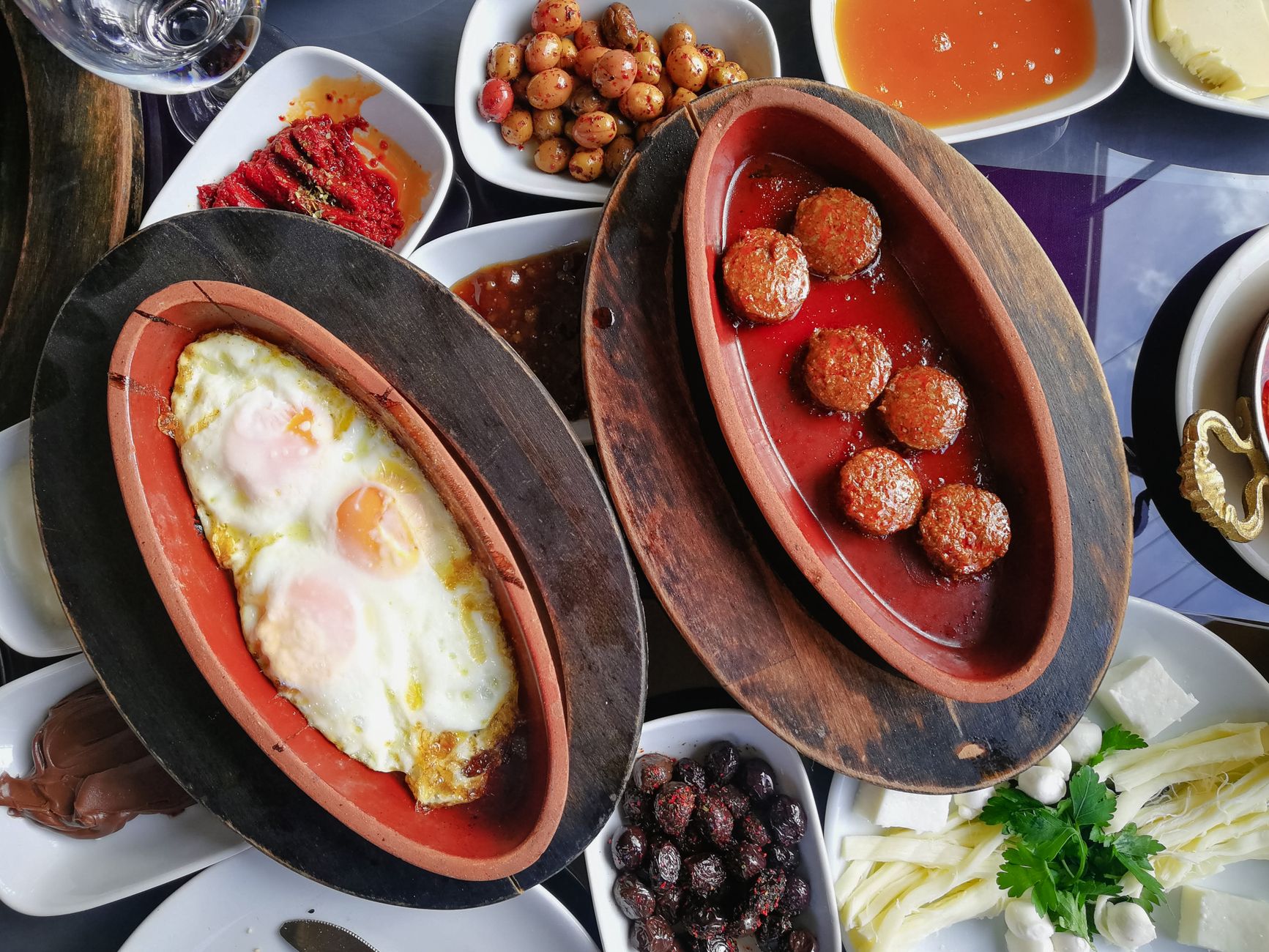
While the Mediterranean diet pattern is broadly associated with positive health outcomes, its specific application for workout recovery requires careful consideration for certain individuals. The general principles of high-fiber, whole-food meals are sound, but the macronutrient composition and specific ingredients may pose challenges.
Individuals with Specific Medical Conditions
Those with chronic kidney disease (CKD) must be cautious with the high potassium content typical of many Mediterranean-inspired meals. Dishes rich in tomatoes, spinach, legumes, and nuts can contribute to hyperkalemia. Similarly, individuals with active gout or a history of uric acid kidney stones may need to moderate intake of anchovies, sardines, and certain legumes, which are purine-rich.
For individuals with celiac disease or non-celiac gluten sensitivity, ensuring that grains like farro, barley, or certain whole-wheat couscous are substituted with certified gluten-free alternatives is essential. Cross-contamination in preparation is a key concern.
Considerations for Active Populations
High-fiber meals, while excellent for long-term health, can cause gastrointestinal distress if consumed too close to a workout. Athletes or individuals engaging in intense training sessions should time these recovery meals appropriately, allowing 2-3 hours for digestion before subsequent exertion to avoid bloating or cramping.
Those with very high caloric and protein demands, such as endurance athletes in heavy training cycles or individuals focused on significant muscle hypertrophy, may need to consciously increase portion sizes or add supplemental protein sources (e.g., an extra serving of Greek yogurt or legumes) to these meal frameworks to meet their elevated needs.
Clinical Insight: In practice, the Mediterranean diet is a flexible template, not a rigid prescription. Its core benefit for recovery—providing anti-inflammatory nutrients and quality carbohydrates—remains valid for most. The key is intelligent modification. For a patient with CKD, we might emphasize lower-potassium vegetables like green beans and swap sweet potatoes for white potatoes. For an athlete with irritable bowel syndrome, we might temporarily reduce FODMAP-rich ingredients like garlic and onion in a recipe while preserving the overall pattern. Always tailor the plate to the person.
Who Should Consult a Professional First?
It is strongly advised to seek guidance from a registered dietitian or physician before making significant dietary changes if you:
- Have a diagnosed metabolic, renal, or gastrointestinal condition.
- Are managing diabetes and need precise carbohydrate counting for insulin management.
- Have a history of or are in recovery from an eating disorder, as any prescribed "healthy" meal plan can trigger restrictive or obsessive behaviors.
- Are pregnant or breastfeeding and have specific nutritional requirements or aversions.
- Take medications like warfarin (Coumadin), where consistent vitamin K intake (found in leafy greens) is crucial.
Ultimately, these meals are a tool for supporting recovery. Their effectiveness and safety depend on appropriate individualization within the broader context of one's health status, activity level, and overall dietary pattern.
4. Practical Guidelines and Five Mediterranean-Inspired Recovery Meals

To effectively translate the principles of the Mediterranean diet into a post-workout strategy, focus on a balanced combination of macronutrients within 30 to 60 minutes after exercise. The goal is to replenish glycogen stores, provide amino acids for muscle protein synthesis, and reduce inflammation.
Key practical guidelines include:
- Carbohydrates: Prioritize complex, fiber-rich sources like whole grains, legumes, and sweet potatoes to steadily restore muscle glycogen. Evidence strongly supports carbohydrate intake for recovery after endurance or high-volume training.
- Protein: Include a high-quality source, such as fatty fish, poultry, legumes, or Greek yogurt, to supply essential amino acids. The evidence for optimal protein timing and dose is robust, though individual needs vary based on body mass and training intensity.
- Anti-inflammatory Fats: Incorporate monounsaturated (e.g., olive oil, nuts) and omega-3 (e.g., fatty fish, walnuts) fats. Their role in modulating exercise-induced inflammation is supported by promising but mixed evidence; more research is needed on direct performance outcomes.
- Phytonutrients: Abundant vegetables, herbs, and fruits provide antioxidants. While beneficial for overall health, evidence that they directly accelerate recovery beyond a balanced diet is less conclusive.
Here are five Mediterranean-inspired meal concepts designed to meet these recovery needs:
- Grilled Salmon with Quinoa & Roasted Vegetables: Provides omega-3s, complete protein, complex carbohydrates, and antioxidants.
- Greek Yogurt Parfait with Berries, Nuts & Honey: Offers whey and casein protein, simple and complex carbs, and healthy fats. Ideal for a quick post-workout option.
- Lentil & Chickpea Salad with Olive Oil Vinaigrette: A plant-based combination delivering protein, fiber, complex carbohydrates, and monounsaturated fats.
- Whole-Wheat Pasta with Sardines, Cherry Tomatoes & Olives: Combines carbohydrates for glycogen, protein and omega-3s from fish, and anti-inflammatory compounds from tomatoes.
- Chicken & Hummus Wrap in Whole-Grain Flatbread with Leafy Greens: A portable meal providing lean protein, complex carbohydrates, fiber, and healthy fats.
Clinical Consideration: Individuals with specific medical conditions, such as chronic kidney disease (requiring protein moderation), active gallbladder disease (sensitive to fats), or certain gastrointestinal disorders, should tailor these guidelines in consultation with a physician or registered dietitian. Those with a history of disordered eating should approach structured post-workout nutrition under professional guidance to avoid reinforcing rigid food rules.
These meals are templates; adjust portions based on your energy expenditure, body composition goals, and personal tolerance. For individuals with complex health profiles or performance goals, seeking advice from a sports nutritionist is recommended to personalize this approach.
5. Safety Considerations and Indications for Medical Consultation

While the Mediterranean dietary pattern is broadly associated with positive health outcomes, its application for workout recovery requires a nuanced, individualized approach. The evidence supporting its benefits for general health and inflammation is robust, but specific claims about enhancing muscle protein synthesis or glycogen replenishment post-exercise are based on extrapolation from the diet's components rather than large, direct trials in athletic populations.
Several key groups should exercise particular caution or consult a healthcare provider before making significant dietary changes:
- Individuals with Chronic Kidney Disease (CKD): High-protein recovery meals, especially those rich in plant-based proteins like legumes and nuts, can increase phosphorus and potassium load. Patients with CKD often require strict monitoring of these electrolytes.
- Those on Specific Medications: The high vitamin K content in leafy greens (e.g., in salads) can interfere with anticoagulants like warfarin. Consistent intake is key, but any major dietary shift should be discussed with a prescribing physician.
- People with Food Allergies or Intolerances: Common Mediterranean ingredients like tree nuts, seafood, and wheat (in whole grains) are potent allergens. Recipes must be adapted accordingly.
- Individuals with Active Gastrointestinal Conditions: The high fiber content, while beneficial for most, can exacerbate symptoms in those with inflammatory bowel disease (IBD) flares, irritable bowel syndrome (IBS), or other functional gut disorders.
Clinical Perspective: From a clinical standpoint, the primary risk is not the diet itself but its misapplication. For example, an athlete with high energy needs might inadvertently under-eat calories by focusing solely on "clean" Mediterranean foods, leading to low energy availability. Furthermore, while the anti-inflammatory effects are beneficial, they are not a substitute for medical treatment of acute injury or chronic inflammatory conditions. Always integrate dietary strategies within a broader, medically supervised management plan.
It is also critical to consider the overall dietary context. Adding nutrient-dense recovery meals is advantageous, but if they are simply added on top of a diet already excessive in calories, sugars, or saturated fats, the net benefit may be negligible or even negative for body composition and metabolic health.
Indications for Medical Consultation: You should seek guidance from a physician or a registered dietitian/nutritionist if you:
- Have any of the pre-existing conditions listed above.
- Are pregnant, breastfeeding, or planning a pregnancy.
- Are experiencing unexplained fatigue, poor recovery, or performance decline despite dietary adjustments.
- Have a history of or are at risk for disordered eating patterns.
- Are considering making extreme or restrictive changes to your current diet.
A professional can help tailor these nutritional principles to your unique health profile, activity level, and goals, ensuring safety and efficacy.
6. Questions & Expert Insights
Can I just eat these meals right after my workout, or is timing that important?
While nutrient timing can be optimized, it is not as critical as consistently meeting your overall daily nutritional needs for recovery. The "anabolic window" immediately post-exercise is more forgiving than once thought, especially for non-elite athletes. Consuming a balanced meal containing protein and carbohydrates within 2-3 hours after exercise is generally sufficient to support muscle protein synthesis and glycogen replenishment. The Mediterranean-inspired meals highlighted are excellent choices within this timeframe because they provide this nutrient combination alongside anti-inflammatory fats and phytonutrients. For those doing two-a-day training sessions or very intense, prolonged exercise, prioritizing intake sooner (within 60 minutes) may be more beneficial. For most recreational athletes, focusing on meal quality and daily totals is the higher priority.
Are there any risks or people who should avoid this dietary approach?
While the Mediterranean diet pattern is one of the most extensively studied and generally safe dietary approaches, individual considerations are crucial. People with specific medical conditions should exercise caution. Those with chronic kidney disease may need to moderate the high potassium content found in ingredients like tomatoes, spinach, and legumes. Individuals on blood thinners (e.g., warfarin) must maintain consistent vitamin K intake; suddenly increasing leafy greens can interfere with medication efficacy. Furthermore, while the fats are healthy, the overall caloric density of meals with olive oil, nuts, and fatty fish might not align with the weight management goals of every individual without portion awareness. Anyone with a history of disordered eating should approach any prescribed "meal plan" with care and under the guidance of a therapist or dietitian.
What should I discuss with my doctor if I want to make this a permanent change?
Before adopting any significant dietary change, especially if you have pre-existing conditions, a conversation with your physician or a registered dietitian is prudent. Come prepared to discuss: 1) Your current medications and supplements, as diet can affect their absorption and metabolism (e.g., blood thinners, diabetes medications). 2) Any history of food allergies, intolerances, or gastrointestinal issues. 3) Your specific fitness goals and activity level. 4) Recent bloodwork, if available, to establish baselines for lipids, blood sugar, and kidney function. This allows your provider to give personalized advice, such as adjusting medication doses in response to improved biomarkers or ensuring the diet meets your specific micronutrient needs based on your health profile.
How strong is the evidence linking these specific meals to improved recovery?
The evidence is robust for the dietary pattern and its individual components, but more nuanced for the specific meals. High-quality research strongly supports the anti-inflammatory effects of omega-3s (from fish), monounsaturated fats (from olive oil), and antioxidants (from vegetables and herbs). Evidence also firmly supports the role of protein and carbohydrates in post-exercise repair. However, most studies examine dietary patterns or isolated nutrients over long periods, not the acute recovery effects of a single meal. Therefore, we extrapolate from the known biological mechanisms and long-term benefits. These meals are a practical application of evidence-based principles. The limitation is that direct, controlled trials measuring "recovery speed" after eating salmon versus chicken in a Mediterranean format are scarce, underscoring that this is a well-informed application of nutrition science, not a protocol derived from meal-specific clinical trials.
7. In-site article recommendations
8. External article recommendations
9. External resources
The links below point to reputable medical and evidence-based resources that can be used for further reading. Always interpret them in the context of your own situation and your clinician’s advice.
-
healthline healthline.comMediterranean diet – Healthline (search)
-
examine examine.comMediterranean diet – Examine.com (search)
-
drugs drugs.comMediterranean diet – Drugs.com (search)
These external resources are maintained by third-party organisations. Their content does not represent the editorial position of this site and is provided solely to support readers in accessing additional professional information.