
1. Introduction to Movement Patterns and Fat Metabolism
In the context of exercise physiology, the relationship between physical activity and fat metabolism is well-established. The body's ability to oxidize, or "burn," stored fat for energy is a complex process influenced by exercise intensity, duration, and modality. This chapter provides a foundational overview of how different movement patterns can be strategically applied to influence this metabolic pathway.
Fat metabolism is not a simple on/off switch. During low to moderate-intensity exercise, the body primarily relies on fat as a fuel source. As intensity increases, the demand for rapid energy shifts the balance toward carbohydrates. However, the total energy expenditure and the metabolic adaptations triggered by exercise are arguably more significant for long-term body composition changes than the fuel source used during the activity itself.
This is where the concept of "movement patterns" becomes relevant. Rather than focusing solely on isolated exercises, this approach considers the fundamental ways the human body is designed to move—such as pushing, pulling, squatting, hinging, and carrying. Training these multi-joint, functional patterns:
- Engages large muscle masses, leading to a higher caloric expenditure both during and after exercise (Excess Post-exercise Oxygen Consumption, or EPOC).
- Promotes muscular development, which can elevate resting metabolic rate over time.
- May improve insulin sensitivity, a key factor in how the body stores and utilizes nutrients, including fat.
The evidence supporting the benefits of resistance and high-intensity interval training (HIIT) for improving body composition and metabolic health is robust. However, claims about specific "revolutionary" patterns uniquely amplifying fat loss beyond these established principles should be viewed with caution. The most effective regimen is typically one that is safe, sustainable, and appropriately challenging for the individual.
Clinical Perspective: From a clinical standpoint, optimizing fat metabolism is less about finding a secret exercise and more about consistent application of proven principles: progressive overload, adequate recovery, and integration with sound nutrition. Patients should be advised that no single movement pattern can compensate for a chronic energy surplus.
Individuals with pre-existing cardiovascular, metabolic, orthopedic, or other chronic health conditions, as well as those who are pregnant or new to structured exercise, should consult a physician or a qualified exercise professional before initiating a new training program. This ensures activities are appropriately modified to align with personal health status and goals.
2. Evidence and Mechanisms of Enhanced Fat Oxidation

The concept of "enhanced fat oxidation" refers to the body's increased ability to use stored fat as a primary fuel source during and after exercise. This metabolic adaptation is not a singular event but a complex physiological cascade influenced by exercise intensity, duration, and modality. The evidence supporting specific movement patterns comes from a robust body of exercise physiology research, though the translation to long-term fat loss requires careful interpretation.
At the cellular level, fat oxidation is regulated by several key mechanisms:
- Hormonal Signaling: Exercise, particularly of moderate intensity and longer duration, increases catecholamine (epinephrine and norepinephrine) release. These hormones bind to fat cells (adipocytes), stimulating lipolysis—the breakdown of triglycerides into free fatty acids for energy.
- Mitochondrial Biogenesis: Regular endurance and high-intensity interval training upregulate PGC-1α, a master regulator that signals the creation of new mitochondria (the cell's power plants) and enhances the capacity of existing ones to oxidize fatty acids.
- Enzyme Activity: Training increases the activity of enzymes like hormone-sensitive lipase (for fat breakdown) and carnitine palmitoyltransferase I (for transporting fatty acids into the mitochondria).
The evidence for maximizing these mechanisms through specific protocols is nuanced. High-Intensity Interval Training (HIIT) is strongly supported for inducing excess post-exercise oxygen consumption (EPOC), where metabolism remains elevated, potentially increasing fat oxidation for hours after the session. However, the absolute amount of fat burned during a very high-intensity session is lower compared to steady-state exercise, as the body relies more on carbohydrates for immediate, explosive energy.
Conversely, low to moderate-intensity steady-state cardio (e.g., brisk walking, cycling) allows for a greater percentage of energy to come from fat during the activity itself, though the total caloric expenditure and EPOC effect may be lower than with HIIT. The most effective long-term strategy likely involves a combination, leveraging the different metabolic pathways each activates.
Clinical Perspective: It is critical to distinguish between acute fat oxidation during exercise and net body fat loss, which is governed by a sustained energy deficit over time. While optimizing movement patterns can improve metabolic efficiency, they are not a substitute for overall energy balance. Individuals with cardiovascular conditions, orthopedic limitations, or metabolic disorders should consult a physician before initiating high-intensity protocols. Furthermore, an exclusive focus on "fat burning" can be counterproductive for those with a history of disordered eating; a holistic view of health and performance is paramount.
In summary, the evidence points to strategic exercise programming—manipulating intensity and duration—as a tool to enhance the body's fat-oxidizing machinery. The mechanisms are well-established in physiology, but their application must be individualized and integrated into a sustainable lifestyle approach for meaningful body composition changes.
3. Contraindications and Populations at Higher Risk
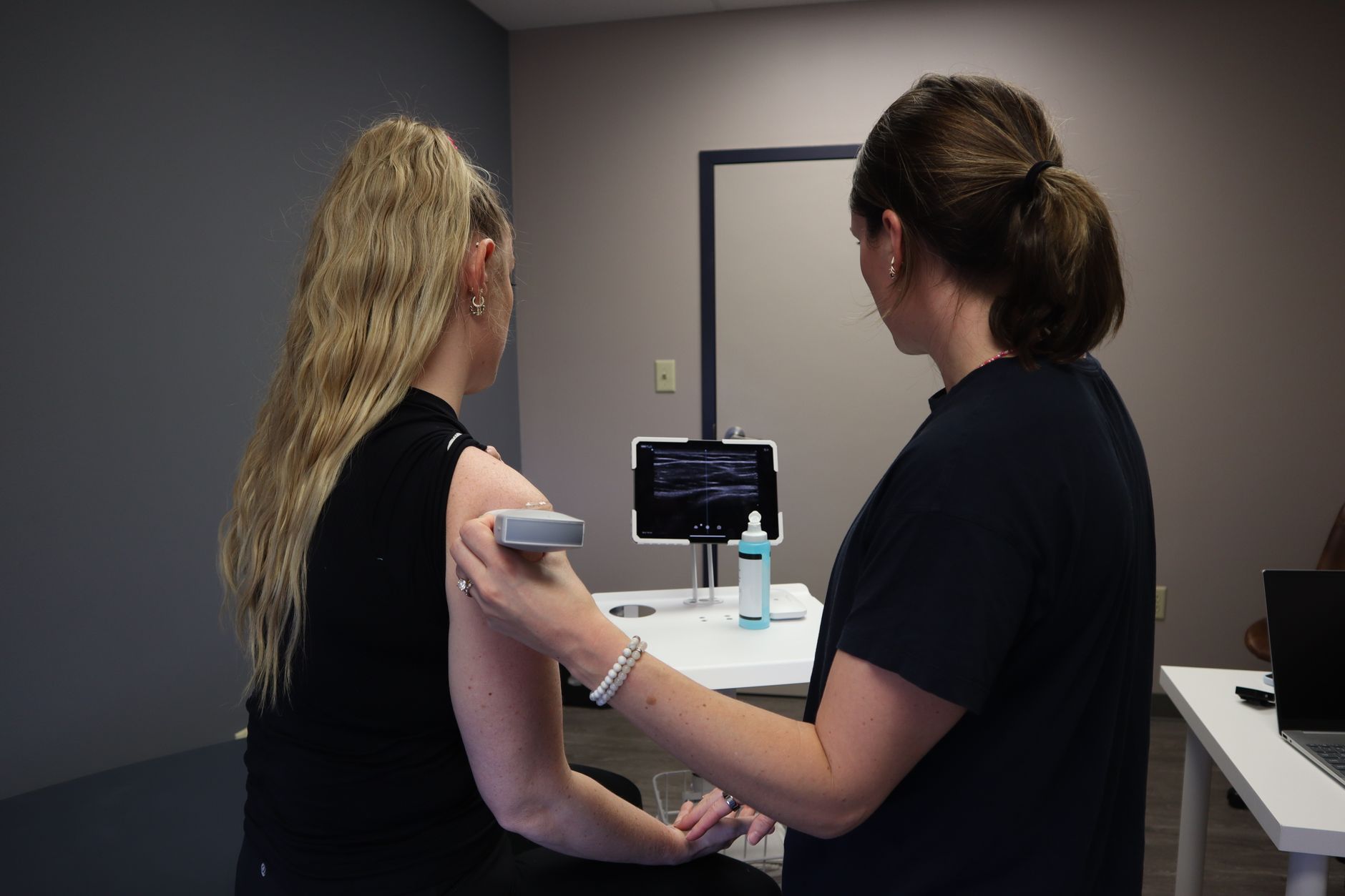
While exploring novel movement patterns for metabolic health, a foundational principle of clinical practice is to first identify who may be at risk. The "revolutionary" nature of an approach does not negate the need for standard safety screening. The following contraindications and high-risk populations should be carefully considered before initiating any new, intensive exercise regimen.
Absolute and Relative Contraindications
Certain medical conditions present clear contraindications to high-intensity or complex movement patterns without direct medical supervision. These include:
- Unstable Cardiovascular Disease: This includes uncontrolled hypertension, recent myocardial infarction, unstable angina, severe valvular disease, or heart failure. The hemodynamic stress of intense, novel movements could precipitate an adverse event.
- Active Musculoskeletal Injury or Inflammation: Acute injuries (e.g., tendon tears, ligament sprains, fractures) or inflammatory conditions like acute arthritis require rest and rehabilitation, not the introduction of unfamiliar biomechanical loads.
- Neurological Disorders Affecting Balance or Coordination: Conditions such as uncontrolled epilepsy, vertigo, Parkinson's disease, or recent stroke significantly increase the risk of falls and injury with complex movement patterns.
Populations Requiring Medical Consultation
Individuals in the following groups should seek clearance and potentially modified guidance from a qualified healthcare provider (e.g., physician, physiotherapist, or certified exercise physiologist) before proceeding:
- Individuals with Chronic Metabolic Conditions: Those with type 1 or type 2 diabetes must understand how novel exercise affects blood glucose dynamics to prevent dangerous hypoglycemia or hyperglycemia.
- Pregnant and Postpartum Individuals: Pregnancy alters center of gravity, ligament laxity, and cardiovascular demands. Postpartum, considerations for diastasis recti and pelvic floor recovery are paramount. General exercise is encouraged, but specific patterns require obstetric or physiotherapy guidance.
- Older Adults with Osteoporosis or Osteopenia: High-impact or twisting motions may increase fracture risk. A bone-health-focused assessment is necessary.
- Those with a History of Eating Disorders or Exercise Addiction: An emphasis on "fat-burning" movements can exacerbate dysfunctional relationships with exercise and body image. A multidisciplinary team including a mental health professional is crucial.
Clinical Perspective: In practice, the most common oversight is not a specific diagnosis, but a lack of graded exposure. Even without clear contraindications, jumping into advanced, unfamiliar movement patterns without a foundation of basic strength and motor control is a primary cause of injury. The principle of progressive overload applies to skill acquisition as much as to load. A responsible approach involves a screening questionnaire (like the PAR-Q+) and, when in doubt, a conservative start with professional guidance.
Ultimately, the goal of any fitness strategy is sustainable health improvement, not short-term metabolic perturbation at the expense of safety. Acknowledging these contraindications and risk factors is not a barrier to progress, but the essential first step in designing a safe and effective personal movement plan.
4. Practical Application and Evidence-Based Integration
Translating theoretical movement patterns into a safe and effective routine requires a structured, evidence-based approach. The goal is not to adopt all patterns simultaneously, but to integrate them progressively based on individual capacity and goals, prioritizing form and consistency over intensity.
Building a Sustainable Protocol
Begin by selecting one or two patterns that align with your current fitness level and available equipment. For instance, you might start with a foundational pattern like loaded carries twice a week. The integration process should follow a logical progression:
- Skill Acquisition: Practice the movement pattern with minimal load or resistance to master the neuromuscular coordination. This phase is critical for injury prevention.
- Progressive Overload: Gradually increase the demand by adding load, volume (sets/reps), or density (completing work in less time). This principle is strongly supported by evidence for driving metabolic adaptation and fat oxidation.
- Strategic Combination: Once proficient, patterns can be combined within a session. For example, pairing a compound push-pull pattern with a cyclical cardio pattern in a circuit can enhance excess post-exercise oxygen consumption (EPOC). Evidence for EPOC's magnitude and impact on long-term fat loss is more nuanced and individual.
Clinical Insight: From a physiological standpoint, the "revolutionary" aspect often lies in the novel stimulus to the neuromuscular system, not in a magical fat-burning property. The metabolic benefit is primarily derived from the increased total energy expenditure and muscle protein synthesis these patterns elicit when programmed correctly. Always prioritize joint integrity and movement quality over chasing fatigue.
Evidence Considerations and Cautions
While the biomechanical rationale for multi-planar, compound movements is robust, direct, high-quality studies comparing these specific "patterns" to traditional exercises for fat loss are limited. The benefits are inferred from well-established exercise physiology principles: greater muscle recruitment leads to higher caloric expenditure and improved metabolic health.
Certain individuals should exercise particular caution or consult a healthcare provider before implementing such a regimen:
- Those with existing musculoskeletal injuries or joint instability.
- Individuals with cardiovascular, respiratory, or metabolic conditions (e.g., uncontrolled hypertension, diabetes).
- Anyone new to exercise or returning after a long hiatus.
- Pregnant individuals, especially in the second and third trimesters.
The most evidence-based integration is one that is consistent, appropriately challenging, and recoverable. Monitoring recovery metrics like sleep quality and perceived exertion is as important as tracking workout performance.
5. Safety Guidelines and Indications for Medical Consultation
While exploring new movement patterns can be beneficial, a foundational principle of clinical practice is "first, do no harm." The application of any novel or intense exercise regimen must be preceded by a careful assessment of individual risk. This chapter outlines essential safety considerations and clarifies when professional medical consultation is mandatory.
Before initiating any program involving high-intensity or complex movement patterns, individuals with pre-existing health conditions should exercise particular caution. This is not a comprehensive list, but key groups who must consult a physician include:
- Individuals with diagnosed cardiovascular disease (e.g., coronary artery disease, heart failure, uncontrolled hypertension).
- Those with musculoskeletal disorders, recent injuries, or chronic joint pain (e.g., arthritis, significant back problems).
- People with metabolic conditions like diabetes, especially if on medication that affects blood sugar.
- Pregnant or postpartum individuals.
- Anyone with a history of dizziness, fainting, or severe shortness of breath with exertion.
Even for those without known conditions, a gradual, progressive approach is non-negotiable. The evidence supporting specific "fat-burning" superiority of novel movement patterns is often preliminary or mixed, typically derived from short-term studies in specific populations. The primary risk lies in attempting advanced progressions without the requisite foundational strength, mobility, and conditioning, which can lead to acute injury or overtraining syndrome.
Clinical Perspective: In practice, we distinguish between exercise novelty and exercise efficacy. A new movement may increase energy expenditure acutely, but sustainable fat loss is governed by consistent energy balance and adherence. The greatest risk is injury, which completely derails progress. A responsible approach prioritizes mastering form with low complexity and intensity before adding speed, load, or range of motion.
Be alert to your body's signals. Cease activity and seek medical advice if you experience any of the following:
- Chest pain, pressure, or unusual palpitations.
- Severe shortness of breath not proportionate to effort.
- Dizziness, lightheadedness, or confusion.
- Sharp or shooting pain in joints, muscles, or the back.
- Pain that persists or worsens 24-48 hours after activity.
Ultimately, the safest and most effective fitness strategy is one tailored to your unique health profile. A consultation with a primary care physician can clear you for exercise, while a certified exercise professional (such as a physical therapist or certified strength and conditioning specialist) can ensure you perform movements correctly and progressively. This layered, evidence-informed approach minimizes risk while maximizing the potential benefits of your training.
6. Questions & Expert Insights
Can these "revolutionary" movement patterns truly amplify fat burning more than traditional exercise?
While the term "revolutionary" is often used for emphasis, the underlying principles are typically rooted in established exercise science. Patterns that combine high-intensity intervals, multi-joint compound movements, and variable resistance (like eccentric overload or unstable surfaces) can increase excess post-exercise oxygen consumption (EPOC) and metabolic stress more than steady-state cardio alone. This may lead to a greater caloric burn for hours after the workout. However, the term "amplify" should be interpreted cautiously. The actual difference in total fat loss over weeks or months, while often statistically significant in studies, is usually modest in absolute terms. Sustainable fat loss still fundamentally requires a consistent caloric deficit. These patterns are tools to increase the efficiency and metabolic cost of training, not magic solutions.
What are the main risks or side effects, and who should avoid or modify these patterns?
High-intensity or complex movement patterns carry inherent risks, particularly for unconditioned individuals. The most common side effects are overuse injuries (e.g., tendonitis, stress reactions) and acute musculoskeletal injuries (e.g., strains, sprains) from poor technique or excessive load. Movements involving jumping, rapid direction changes, or heavy eccentric loading can be especially stressful on joints. Individuals who should avoid or proceed with extreme caution include those with: uncontrolled hypertension or cardiovascular disease; significant osteoarthritis (especially in knees, hips, or spine); acute musculoskeletal injuries; or severe obesity. Those with conditions affecting balance or proprioception (e.g., vestibular disorders, severe neuropathy) should avoid unstable surface training without specialist guidance.
When should I talk to a doctor before starting such a program, and what should I discuss?
Consult a physician or sports medicine specialist if you have any pre-existing medical condition, are new to exercise, are returning after a long hiatus, or are over 45. This is non-negotiable if you have known heart, lung, kidney, or liver disease; diabetes; or a history of injury in the area you intend to train. Bring a clear description of the planned program (exercise types, intensity, frequency) to your appointment. Be prepared to discuss your full medical history, current medications, and specific goals. Key questions to ask your doctor: "Are there any movement contraindications for my specific condition?" and "What are appropriate heart rate or perceived exertion limits for me?" This conversation ensures your program is modified for safety and efficacy.
How long does it typically take to see measurable fat loss results from these methods?
Measurable changes in body composition require patience and consistency. While some improvements in fitness (e.g., endurance, strength) may be felt within 2-4 weeks, measurable fat loss via DEXA scan, skinfold calipers, or even consistent circumference measurements typically requires a minimum of 8-12 weeks of combined disciplined training and nutritional management. The rate of loss is influenced by baseline fitness, adherence, diet, sleep, and stress management. It's crucial to manage expectations: high-intensity programs can sometimes lead to initial water retention due to muscle inflammation, masking early scale weight changes. Focusing on non-scale victories like improved workout performance, better-fitting clothes, and enhanced energy levels is often more motivating in the initial phases.
7. In-site article recommendations
8. External article recommendations
9. External resources
The links below point to reputable medical and evidence-based resources that can be used for further reading. Always interpret them in the context of your own situation and your clinician’s advice.
-
mayoclinic mayoclinic.orgmovement patterns – Mayo Clinic (search)
-
healthline healthline.commovement patterns – Healthline (search)
-
wikipedia wikipedia.orgmovement patterns – Wikipedia (search)
These external resources are maintained by third-party organisations. Their content does not represent the editorial position of this site and is provided solely to support readers in accessing additional professional information.