
1. The Role of Food Synergies in Nutrient Bioavailability
The concept of food synergy, or nutrient-nutrient interaction, is a cornerstone of nutritional science. It describes how the combination of different foods can enhance the bioavailability—the proportion of a nutrient that is absorbed and utilized by the body—of specific vitamins and minerals. This principle moves beyond viewing foods as isolated nutrient carriers and instead emphasizes the importance of a holistic dietary pattern.
These synergies operate through several well-documented biochemical mechanisms. For instance, the absorption of fat-soluble vitamins (A, D, E, and K) is significantly increased when consumed with a source of dietary fat. Similarly, the vitamin C in citrus fruits or bell peppers can convert the plant-based, non-heme iron found in spinach or lentils into a more absorbable form, which is particularly relevant for individuals following vegetarian or vegan diets.
Conversely, some compounds can inhibit absorption. Phytic acid in whole grains and legumes can bind to minerals like iron and zinc, reducing their bioavailability. However, practices like soaking, sprouting, or fermenting these foods can degrade phytic acid, mitigating this effect and demonstrating that food preparation is a key part of the synergy equation.
It is important to approach this topic with balance. The body's nutrient absorption is a regulated process, and for most individuals with a varied diet, acute deficiencies from minor inhibitory interactions are unlikely. The goal is strategic enhancement, not anxiety over every meal combination.
Who should exercise caution: Individuals with specific malabsorption conditions (e.g., Crohn's disease, celiac disease), those with known deficiencies (like iron-deficiency anemia), or people on restrictive diets should pay closer attention to these principles. They are advised to discuss optimal food combining strategies with a registered dietitian or physician to ensure their nutritional needs are met effectively and safely.
2. Mechanisms and Evidence Supporting Nutrient Uptake Enhancement
The concept of combining foods to enhance nutrient absorption, often termed "nutrient synergy," is grounded in well-established biochemical and physiological mechanisms. The evidence supporting these interactions varies in strength, from robust clinical data to promising but preliminary findings.
One of the most strongly supported mechanisms is the enhancement of non-heme iron absorption by vitamin C. Non-heme iron, found in plant foods like spinach and lentils, is poorly absorbed. Vitamin C (ascorbic acid) reduces ferric iron (Fe³⁺) to the more soluble ferrous form (Fe²⁺) and can form a chelate that remains soluble in the alkaline environment of the small intestine, dramatically increasing uptake. Clinical trials consistently show this effect, making combinations like bell peppers with beans or a citrus dressing on a kale salad highly effective.
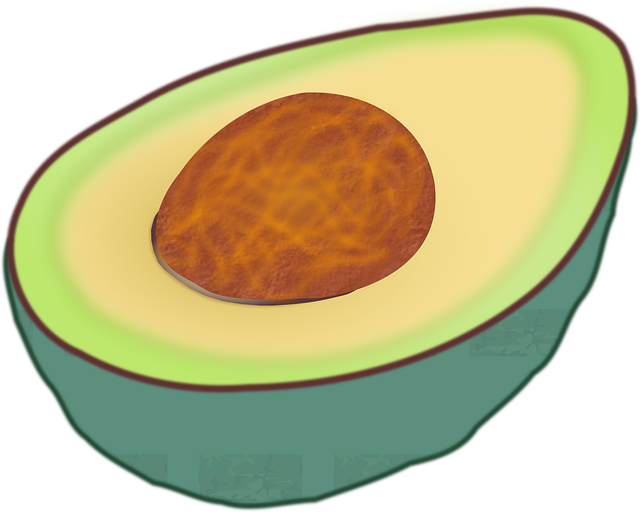
Another well-documented synergy involves fat-soluble vitamins (A, D, E, K) and dietary fats. These vitamins require dietary fat for micelle formation—a crucial step for their absorption into intestinal cells. Consuming a source of healthy fat, such as avocado or olive oil, with vitamin-rich vegetables (e.g., carrots for beta-carotene/vitamin A, leafy greens for vitamin K) is a practical application of this principle.
Other interactions have more mixed or context-dependent evidence:
- Turmeric and Black Pepper: The primary compound in turmeric, curcumin, has low bioavailability. Piperine in black pepper may inhibit enzymes that metabolize curcumin, potentially increasing its systemic exposure. While pharmacokinetic studies support this, the clinical significance for long-term health outcomes requires more research.
- Fat and Carotenoids: Adding fat to tomatoes or carrots increases the absorption of fat-soluble carotenoids like lycopene and beta-carotene. The effect is dose-dependent, but even small amounts of fat (3-5 grams) can be sufficient.
Clinical Perspective: While these mechanisms are sound, the incremental health benefit of optimizing every meal for synergy is unclear for the general, well-nourished population. The primary focus should remain on consuming a varied, whole-food diet. However, these principles can be particularly valuable for individuals at risk of specific deficiencies, such as those with iron-deficiency anemia or conditions causing fat malabsorption.
It is important to approach this information with balance. These are strategies to optimize a nutrient-dense diet, not a substitute for one. Individuals with specific health conditions, such as hemochromatosis (iron overload), gallbladder disease, or those on blood-thinning medications (where vitamin K intake must be consistent), should discuss dietary changes with a physician or registered dietitian to avoid unintended consequences.
3. Potential Adverse Effects and Contraindicated Groups

While combining foods to enhance nutrient bioavailability is a sound nutritional principle, it is not without potential drawbacks. A focus on specific "superfood" combinations can inadvertently lead to dietary imbalances, excessive intake of certain compounds, or adverse interactions with medications and pre-existing health conditions.
The most common adverse effect is gastrointestinal distress. For instance, combining high-fiber foods like legumes with cruciferous vegetables (e.g., broccoli and kale) can cause significant bloating, gas, and abdominal discomfort in individuals unaccustomed to such high fiber loads. Similarly, concentrated sources of healthy fats, like nuts and seeds paired with avocado, may lead to nausea or diarrhea if consumed in large quantities by those with sensitive digestion or gallbladder issues.
More serious concerns involve nutrient-drug interactions and specific disease states. The evidence for these interactions is strong and clinically significant for certain groups:
- Individuals on Anticoagulants (e.g., Warfarin): Combinations high in vitamin K (e.g., spinach with olive oil) can interfere with medication efficacy. Consistency is key, and sudden increases in vitamin K-rich food intake should be avoided without medical supervision.
- Those with Kidney Disease: Pairings that boost potassium absorption (e.g., bananas with yogurt or leafy greens with lemon) can lead to dangerous hyperkalemia in patients with compromised renal function.
- People with Oxalate-Sensitive Kidney Stones: Combinations that enhance the absorption of oxalates—such as spinach (high oxalate) with a source of vitamin C (which can increase oxalate production)—may elevate the risk of stone formation.
Furthermore, individuals with known food allergies or intolerances (e.g., to nuts, dairy, or shellfish used in combinations) must exercise obvious caution. The emphasis on "maximizing" absorption can also be psychologically detrimental for those with or recovering from eating disorders, fostering an unhealthy fixation on food optimization.
Key Takeaway: The benefits of food synergy are best realized within a varied diet. If you have a chronic health condition, are on long-term medication, or have a history of digestive or metabolic disorders, it is prudent to discuss significant dietary changes, including focused food combinations, with your physician or a registered dietitian. They can help tailor advice to your personal health profile and medication regimen.
4. Evidence-Based Dietary Implementation Strategies
Translating the science of nutrient synergy into daily practice requires a structured, evidence-informed approach. The goal is not to create complex meals but to integrate simple, effective pairings consistently. The following strategies are grounded in established nutritional biochemistry and clinical dietetics.
Practical Implementation Framework
Begin by focusing on one or two combinations to avoid overwhelm. For instance, adding a source of vitamin C (like bell peppers or citrus) to iron-rich plant foods (like spinach or lentils) is a well-supported strategy to enhance non-heme iron absorption. This can be as simple as a squeeze of lemon on a lentil salad.
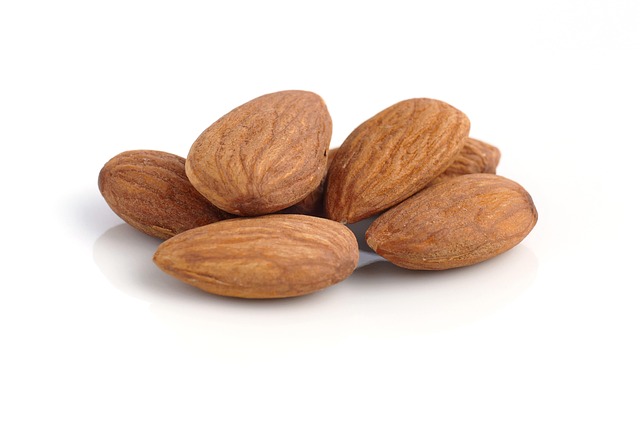
- Plan Around Fat-Soluble Vitamins: Combine healthy fats (avocado, olive oil, nuts) with colorful vegetables to improve the uptake of vitamins A, D, E, and K. A spinach salad with an olive oil-based dressing and sliced almonds is a classic, evidence-backed example.
- Leverage Meal Timing: Some synergies are best achieved within the same meal. The absorption-enhancing effect of fat on carotenoids, for example, is most effective when consumed together.
- Consider Preparation Methods: Lightly cooking tomatoes increases the bioavailability of lycopene, while steaming cruciferous vegetables can help preserve sulforaphane precursors.
Clinical Perspective: While the biochemical principles are robust, individual absorption can vary significantly due to genetics, gut health, and overall diet. These strategies should be viewed as supportive elements within a balanced dietary pattern, not as isolated "hacks." For individuals with malabsorption conditions (e.g., Crohn's disease, celiac disease) or those on restrictive diets, the relative impact of these combinations may be more pronounced, but medical nutrition therapy should be the primary guide.
Cautions and Considerations
It is important to maintain balance. An excessive focus on maximizing absorption of certain nutrients (like iron) without medical need is generally unnecessary and could be counterproductive. Individuals with specific health conditions require tailored advice.
- Those with hemochromatosis (iron overload disorder) should not actively seek to enhance iron absorption.
- Individuals on blood-thinning medications (e.g., warfarin) should maintain consistent vitamin K intake (found in leafy greens) and consult their physician before making significant dietary changes.
- Anyone with a history of kidney stones, particularly calcium-oxalate stones, should discuss oxalate-rich food combinations (like spinach and nuts) with a dietitian.
The most reliable strategy is to consume a varied, whole-foods diet. These targeted combinations work within that framework to support, not replace, fundamental nutritional adequacy.
5. Indications for Healthcare Consultation
While incorporating nutrient-dense food combinations is a sound dietary strategy, it is not a substitute for professional medical advice. Certain health conditions, medications, and individual circumstances necessitate consultation with a healthcare provider before making significant dietary changes.
You should consider speaking with a physician or a registered dietitian in the following situations:
- Existing Medical Conditions: Individuals with chronic kidney disease, liver disorders, or certain metabolic conditions (e.g., hemochromatosis, Wilson's disease) require tailored nutritional guidance. For example, pairing vitamin C-rich foods with iron sources is generally beneficial, but could be problematic for those with iron overload disorders.
- Medication Interactions: Some foods can alter the absorption or metabolism of prescription drugs. High-vitamin K foods (like leafy greens) can interfere with blood thinners (e.g., warfarin). The fat required for absorbing fat-soluble vitamins (A, D, E, K) may affect the bioavailability of some medications.
- History of Digestive or Malabsorption Issues: Conditions like Crohn's disease, celiac disease, gastric bypass surgery, or chronic pancreatitis can severely impact nutrient absorption. While food combinations aim to enhance bioavailability, they may not overcome underlying physiological barriers without medical management.
- Pregnancy and Lactation: Nutritional needs are highly specific during these periods. While a balanced diet is crucial, certain superfoods or high-dose combinations may not be appropriate and require professional oversight.
- History of Disordered Eating: An intense focus on "optimizing" food combinations can, for some individuals, exacerbate obsessive patterns around eating. A healthcare professional can help ensure dietary strategies support overall mental and physical health.
Clinical Perspective: From a clinical standpoint, the principle of nutrient synergy is well-supported for specific pairings, like vitamin C with non-heme iron. However, the evidence for many "superfood combinations" is often derived from in vitro or short-term human studies. The long-term health impact in diverse, free-living populations is less clear. A consultation helps contextualize these strategies within your complete health picture, ensuring they complement rather than conflict with your care plan.
In summary, proactively discussing your dietary plans with a qualified professional is the most responsible approach. It allows for personalized advice that considers your full medical history, current medications, and nutritional status, ensuring that your pursuit of optimal nutrition is both safe and effective.
6. Questions & Expert Insights
Is there strong scientific proof that these specific food combinations are "super" for absorption?
The term "superfood" is a marketing term, not a clinical one. The science behind nutrient absorption, however, is robust. The combinations discussed leverage well-established principles like nutrient synergy. For example, pairing vitamin C-rich foods with plant-based iron (non-heme iron) enhances its absorption, a fact supported by decades of research. Similarly, the need for dietary fat to absorb fat-soluble vitamins (A, D, E, K) is a fundamental tenet of nutrition science. The evidence for these mechanisms is strong. The limitation often lies in extrapolating these mechanisms to dramatic, measurable health outcomes in free-living populations from short-term studies. The benefit is likely incremental and part of a consistent, overall healthy dietary pattern, not an isolated "hack."
Are there any risks or people who should avoid focusing on these combinations?
Yes, certain individuals should exercise caution. For those with kidney disease, particularly advanced stages, combining high-oxalate foods (like spinach) with high-calcium foods to reduce oxalate absorption must be done under strict dietary guidance, as overall mineral balance is critical. Individuals with fat malabsorption disorders (e.g., pancreatic insufficiency, Crohn's disease) may not benefit from simply adding fat to meals and require medical management. Most importantly, an excessive focus on precise "optimization" can be detrimental for individuals with or in recovery from eating disorders, as it may exacerbate obsessive food-related thoughts. The approach should foster dietary diversity, not rigidity.
When should I talk to my doctor or a dietitian about my diet and nutrient absorption?
Consult a healthcare professional if you have an underlying chronic condition (e.g., IBD, celiac disease, chronic pancreatitis), are experiencing symptoms like persistent fatigue, unexpected weight loss, or digestive distress, or are on medications that affect nutrient metabolism (e.g., blood thinners like warfarin and vitamin K intake). Before your appointment, prepare a 3-day food diary noting what and when you eat, and a list of all medications and supplements you take. This information is far more valuable for a specialist than asking about specific food combinations. A registered dietitian can provide personalized advice that integrates these synergy principles safely into your unique health context.
Can I rely on these combinations instead of taking supplements?
For the general population without a diagnosed deficiency, obtaining nutrients through whole-food combinations is preferable to supplementation. Food provides a complex matrix of fibers, phytonutrients, and co-factors that work together, often improving bioavailability and safety. Supplements can be beneficial in specific cases (e.g., vitamin D in northern latitudes, B12 for vegans, iron under medical supervision) but carry risks of excessive intake and lack the synergistic benefits of food. Relying solely on isolated supplements while eating a poor diet is not an effective strategy. Think of these food combinations as enhancing the nutrient density of your foundational diet, not as a replacement for either a balanced diet or medically necessary supplementation.
7. In-site article recommendations
8. External article recommendations
9. External resources
The links below point to reputable medical and evidence-based resources that can be used for further reading. Always interpret them in the context of your own situation and your clinician’s advice.
-
examine examine.comsuperfood combinations – Examine.com (search)
-
healthline healthline.comsuperfood combinations – Healthline (search)
-
mayoclinic mayoclinic.orgsuperfood combinations – Mayo Clinic (search)
These external resources are maintained by third-party organisations. Their content does not represent the editorial position of this site and is provided solely to support readers in accessing additional professional information.