
1. Introduction to Juice Cleanses: Context and Popularity
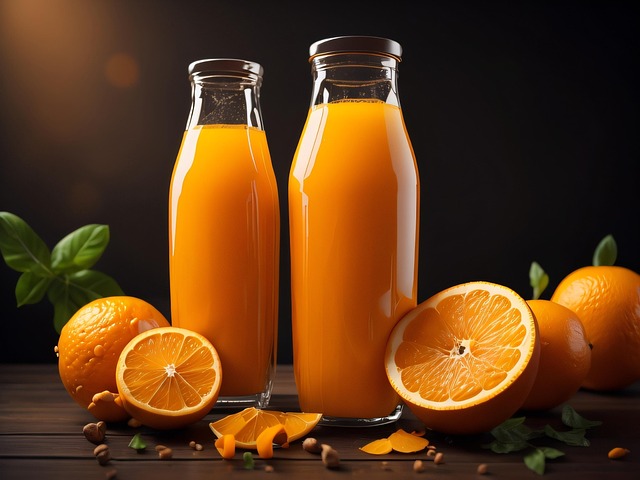
Juice cleanses, also known as juice fasts or detox diets, are dietary regimens where an individual consumes only fruit and vegetable juices, typically for a period ranging from one to seven days, while abstaining from solid food. The practice has evolved from historical fasting traditions into a modern wellness phenomenon, heavily promoted for purported benefits like toxin elimination, weight loss, and system "resets."
The popularity of juice cleanses is driven by several factors:
- Cultural and Marketing Influence: Celebrity endorsements, social media, and a robust wellness industry have positioned juice cleanses as a quick-start to health.
- Perceived Simplicity: They offer a seemingly straightforward, rule-based approach to dietary change.
- The Appeal of "Detoxification": The concept of purging unspecified "toxins" resonates in an environment where individuals are concerned about environmental pollutants and processed foods.
From a clinical perspective, it is critical to understand the context. The human body possesses highly efficient, endogenous detoxification systems primarily involving the liver, kidneys, gastrointestinal tract, and skin. There is no high-quality scientific evidence that juice cleanses enhance these natural processes beyond their normal capacity. Claims of removing specific toxins are generally not supported by robust clinical trials.
Expert Insight: Clinicians often note that the temporary weight loss commonly experienced during a juice cleanse is almost entirely due to a drastic reduction in caloric intake and the loss of water weight and glycogen stores, not fat loss. This weight is typically regained upon resuming a normal diet. The regimen's severe calorie restriction places it in a category that requires careful consideration of an individual's health status.
It is essential for certain populations to exercise extreme caution or avoid juice cleanses altogether unless under direct medical supervision. This includes individuals with:
- Diabetes or blood sugar dysregulation, due to the high glycemic load of fruit juices.
- Kidney disease, as some juices are high in oxalates or potassium.
- A history of eating disorders.
- Those who are pregnant or breastfeeding.
- Individuals on certain medications, where nutrient interactions or electrolyte shifts could be dangerous.
This chapter provides the foundational context for examining juice cleanses. A responsible analysis requires separating popular belief from physiological reality and understanding for whom such practices may carry significant hidden risks.
2. Evidence and Mechanisms Behind Juice Cleanses

The purported health benefits of juice cleanses are often attributed to a few key physiological mechanisms. It is crucial to examine these claims through the lens of clinical evidence, distinguishing between plausible biological effects and overstated marketing narratives.
Proposed Mechanisms of Action
Advocates suggest juice cleanses work by:
- Providing a concentrated dose of micronutrients and phytonutrients: Fresh juices contain vitamins, minerals, and antioxidants. However, juicing removes the beneficial fiber found in whole fruits and vegetables, which is essential for gut health, blood sugar regulation, and satiety.
- Promoting "detoxification": This is a central but misleading claim. The human body has highly efficient, endogenous detoxification systems primarily involving the liver, kidneys, lungs, and skin. There is no high-quality evidence that juice cleanses enhance these processes beyond their normal function.
- Inducing a state of ketosis or autophagy: Very low-calorie regimens, like some strict juice fasts, may trigger ketosis (fat burning) and increased cellular autophagy (recycling of damaged components). However, these states are typically associated with more prolonged fasting or specific ketogenic diets, not short-term juice consumption, which often contains significant sugar.
What the Evidence Actually Shows
The scientific literature on juice cleanses is limited and of mixed quality. Most studies are small, short-term, and lack control groups.
- Short-term weight loss: Any rapid weight loss is almost entirely due to a severe calorie deficit and loss of water weight and glycogen stores, not fat loss. This weight is typically regained once normal eating resumes.
- Subjective well-being: Some participants in small studies report improved mood or energy. This may be a placebo effect or a result of eliminating processed foods, not a unique property of juicing.
- Nutrient absorption: While certain nutrients may be absorbed efficiently in juice form, the lack of fiber and the high sugar load are significant drawbacks that outweigh this potential benefit for most individuals.
Clinical Perspective: From a physiological standpoint, the mechanisms promoted for juice cleanses are either functions the body performs optimally on its own (detoxification) or are achieved through extreme and unsustainable dietary restriction. The temporary nature of any perceived benefit and the lack of robust, long-term studies supporting health improvements are major limitations. A more evidence-based approach to obtaining phytonutrients is to consume whole fruits and vegetables as part of a balanced diet.
Who should exercise extreme caution or avoid juice cleanses? Individuals with diabetes or prediabetes (due to blood sugar spikes), kidney disease (risk of hyperkalemia from high potassium), liver disease, those who are pregnant or breastfeeding, individuals with a history of eating disorders, and anyone on medications (especially for diabetes or blood pressure, as needs may change drastically). Consulting a physician or a registered dietitian before undertaking any significant dietary change is strongly advised.
3. Risks and Populations to Avoid Juice Cleanses
While juice cleanses are often marketed for their perceived benefits, they carry significant and well-documented risks, particularly for certain populations. The primary concerns stem from the regimen's severe caloric restriction, lack of essential macronutrients, and high sugar content.
The most immediate risks include:
- Blood Sugar Dysregulation: Juices, especially fruit-based ones, deliver a concentrated dose of fructose without the fiber that slows absorption. This can cause rapid spikes and subsequent crashes in blood glucose, leading to fatigue, irritability, and intense hunger.
- Nutrient Deficiencies: A juice-only diet lacks adequate protein, essential fatty acids, and fat-soluble vitamins. This can lead to muscle catabolism, impaired immune function, and electrolyte imbalances over just a few days.
- Gastrointestinal Distress: The sudden, high influx of simple sugars and certain compounds like oxalates (found in greens like spinach) can cause bloating, gas, cramping, and diarrhea.
For some individuals, these risks are not merely uncomfortable but potentially dangerous. Certain populations should strictly avoid juice cleanses or only consider them under direct medical supervision.
Populations Who Should Avoid Juice Cleanses
- Individuals with Diabetes or Prediabetes: The inability to properly regulate blood sugar makes the glycemic spikes from juices particularly hazardous.
- Those with Kidney Disease: Juices high in potassium (e.g., from leafy greens) or oxalates can exacerbate kidney strain and contribute to stone formation.
- Pregnant or Breastfeeding Individuals: This period requires consistent, high-quality nutrition for fetal and infant development; severe restriction is contraindicated.
- People with a History of Eating Disorders: The extreme restriction and "all-or-nothing" rules of a cleanse can trigger disordered eating patterns and relapse.
- Individuals on Certain Medications: Those on diuretics, insulin, or medications for blood pressure or blood sugar require stable nutritional intake; a cleanse can dangerously alter medication needs.
- Anyone with Compromised Immune Function or Active Infection: Protein deficiency can impair the body's ability to fight illness and heal.
Clinical Perspective: From a medical standpoint, the risks of juice cleanses almost universally outweigh any purported benefits for the general population. The body's liver and kidneys are highly efficient detoxification organs; they do not require a "cleanse" to function. A more evidence-based approach to supporting health is to incorporate vegetable-based juices or smoothies—with their fiber intact—as a supplement to, not a replacement for, a balanced whole-food diet.
If you are considering a significant dietary change, it is strongly advised to consult with a physician or a registered dietitian. They can help assess your individual health status, medication regimen, and nutritional needs to develop a safe and effective plan.
4. Practical Takeaways for Safe Nutrition Practices

Following an evidence-based review of juice cleanses, the primary takeaway is to shift focus from restrictive, short-term protocols to sustainable, whole-food nutrition. The most robust evidence supports dietary patterns that promote long-term metabolic health and gut microbiome diversity, which are not achieved through extreme liquid diets.
Adopt a Whole-Food, Fiber-First Approach
Instead of extracting juice, prioritize consuming the whole fruit or vegetable. This ensures you benefit from the full spectrum of nutrients, especially dietary fiber, which is almost entirely removed during juicing. Fiber is critical for:
- Satiety and stable blood glucose levels.
- Supporting a healthy gut microbiota through prebiotic effects.
- Promoting regular bowel movements.
A practical strategy is to make smoothies that retain pulp or to simply include more whole vegetables and fruits in meals.
Hydrate Intelligently
If you enjoy vegetable-based juices, consider them a supplement to a balanced diet, not a replacement for it. Limit fruit-heavy juices due to their high free sugar content, which can spike blood glucose. A safer practice is to dilute juices with water or use them minimally as a flavoring agent.
Key Populations for Caution
Certain individuals should avoid juice cleanses or any significant, abrupt dietary change without direct medical supervision. This includes persons with:
- Diabetes or prediabetes, due to risks of dysglycemia.
- Kidney disease, as some juices are high in oxalates or potassium.
- History of eating disorders, as restrictive protocols can trigger relapse.
- Those on specific medications (e.g., blood thinners like warfarin, affected by vitamin K in green juices) or who are pregnant or breastfeeding.
Actionable, Sustainable Steps
Focus on building consistent habits rather than seeking rapid results. Evidence strongly supports the following practices:
- Prioritize Plant Diversity: Aim for a wide variety of colorful vegetables and fruits each week to maximize phytonutrient intake.
- Include Adequate Protein and Fat: These macronutrients are essential for satiety, hormone production, and cellular repair, and are typically deficient in juice-only regimens.
- Consult a Professional: For personalized guidance, seek a registered dietitian or your physician. This is crucial if you have underlying health conditions or are considering a major dietary shift.
The most effective "cleanse" is a long-term commitment to nourishing your body with a balanced, varied, and whole-food diet.
5. Safety Considerations and When to Consult a Healthcare Provider

While juice cleanses are often marketed for their perceived health benefits, a thorough safety assessment is crucial. The primary risks stem from the regimen's extreme nature—severe caloric restriction, imbalanced macronutrient profile, and potential for micronutrient deficiencies. These factors can lead to adverse physiological effects, particularly in vulnerable populations.
The evidence supporting the safety of prolonged juice-only diets is limited. Short-term studies often involve small, healthy cohorts and may not capture risks for the general public. Potential adverse effects include:
- Hypoglycemia: Rapid blood sugar spikes from fruit juices followed by crashes can cause dizziness, fatigue, and irritability.
- Electrolyte Imbalances: Low sodium intake and high potassium load from vegetable juices can disrupt electrolyte balance, affecting heart and muscle function.
- Gastrointestinal Distress: The high fructose and sorbitol content in some juices can cause bloating, cramping, and diarrhea.
- Nutrient Deficiencies: The absence of protein, essential fatty acids, and fat-soluble vitamins (A, D, E, K) can compromise metabolic and immune function over time.
Clinical Insight: From a medical perspective, the human body has sophisticated, built-in detoxification systems (liver, kidneys, gastrointestinal tract). There is no high-quality evidence that juice cleanses enhance these processes. Instead, clinicians are concerned about the regimen's potential to mask underlying symptoms, disrupt medication efficacy, and trigger unhealthy relationships with food.
Who Should Exercise Extreme Caution or Avoid Juice Cleanses Altogether? Certain individuals are at significantly higher risk for complications and should not undertake a juice cleanse without explicit medical clearance:
- Individuals with diabetes, hypoglycemia, or insulin resistance.
- Those with chronic kidney disease, due to the risk of hyperkalemia (high potassium).
- People with liver disease or compromised hepatic function.
- Individuals with a history of eating disorders.
- Pregnant or breastfeeding women.
- Anyone taking prescription medications, especially diuretics, diabetes medications, blood thinners, or drugs for blood pressure.
- Individuals with active infections, compromised immune systems, or those recovering from surgery.
When to Consult a Healthcare Provider: It is imperative to consult a physician or a registered dietitian before beginning any restrictive dietary program. This consultation is non-negotiable if you have any pre-existing medical condition or take regular medication. Furthermore, discontinue the cleanse immediately and seek medical advice if you experience severe fatigue, fainting, palpitations, severe headaches, persistent nausea, or signs of dehydration (e.g., very dark urine, extreme thirst, dizziness upon standing). Responsible health guidance prioritizes safety and individual context over unverified claims of detoxification.
6. Questions & Expert Insights
Can a juice cleanse help me lose weight and keep it off?
While a juice cleanse will almost certainly lead to rapid weight loss on the scale, this is primarily due to a drastic reduction in calorie intake and the loss of water weight and glycogen stores, not body fat. The weight loss is typically temporary. Once you resume a normal diet, the weight is quickly regained. More critically, this pattern of rapid weight loss and regain can be metabolically disruptive and may harm your relationship with food. There is no high-quality evidence that juice cleanses support sustainable, long-term weight management. For lasting results, evidence strongly supports a balanced, nutrient-dense diet and regular physical activity as the cornerstone approach.
What are the most common risks or side effects of doing a juice cleanse?
Common side effects are directly related to the severe nutritional imbalance and low calorie nature of most cleanses. These include fatigue, headaches, dizziness, irritability, and brain fog due to low blood sugar and lack of protein and fat. Digestive issues like bloating or diarrhea can occur from the high fructose load. More serious risks involve nutrient deficiencies (especially protein, essential fatty acids, and fat-soluble vitamins), muscle loss, and electrolyte imbalances, which can affect heart and kidney function. The high oxalate content in some green juices may pose a risk for kidney stones in susceptible individuals.
Who should absolutely avoid trying a juice cleanse?
Juice cleanses are contraindicated for several populations due to significant health risks. This includes individuals with diabetes, due to the risk of dangerous blood sugar spikes and drops; those with kidney disease, because of potential potassium and oxalate overload; and people with a history of eating disorders, as it can trigger relapse. Pregnant or breastfeeding women, children, adolescents, and older adults should also avoid cleanses due to heightened nutritional needs. Anyone with compromised immune function, liver disease, or who is taking medications that require food (e.g., for diabetes, thyroid, or blood pressure) must steer clear, as the cleanse can alter medication metabolism and efficacy.
When should I talk to my doctor about a cleanse, and what should I discuss?
You should consult your physician or a registered dietitian before starting any restrictive dietary protocol, especially if you have any chronic health condition, take medications, or have concerns about your nutritional status. Come to the appointment prepared to discuss your specific goals (e.g., "energy reset," digestive issues) so they can be addressed with evidence-based alternatives. Bring a complete list of your medications and supplements. Be ready to discuss your full medical history. A productive conversation will focus on whether a cleanse is safe for you and explore safer, more sustainable methods to achieve your health objectives, such as working with a dietitian to improve your regular dietary pattern.
7. In-site article recommendations
8. External article recommendations
9. External resources
The links below point to reputable medical and evidence-based resources that can be used for further reading. Always interpret them in the context of your own situation and your clinician’s advice.
-
mayoclinic mayoclinic.orgjuice cleanses – Mayo Clinic (search)
-
drugs drugs.comjuice cleanses – Drugs.com (search)
-
healthline healthline.comjuice cleanses – Healthline (search)
These external resources are maintained by third-party organisations. Their content does not represent the editorial position of this site and is provided solely to support readers in accessing additional professional information.