
1. Introduction to GLP-1 Agonists and Timing Importance

Glucagon-like peptide-1 (GLP-1) receptor agonists are a class of medications that have become a cornerstone in the management of type 2 diabetes and, more recently, chronic weight management. They work by mimicking the action of the natural GLP-1 hormone, which is released after eating. This action has several well-established effects:
- Enhancing Insulin Secretion: They stimulate the pancreas to release insulin in a glucose-dependent manner, meaning the effect is stronger when blood sugar is high, reducing the risk of hypoglycemia.
- Suppressing Glucagon: They inhibit the release of glucagon, a hormone that raises blood sugar levels.
- Slowing Gastric Emptying: This delays the absorption of nutrients from the gut, leading to a more gradual rise in post-meal blood glucose and increased feelings of fullness (satiety).
- Promoting Satiety in the Brain: They act on centers in the brain to reduce appetite and food intake.
While the pharmacological mechanisms are well-understood, the practical application of these medications—specifically the timing of administration—is a critical factor that can significantly influence their effectiveness, tolerability, and patient adherence. This is not merely a matter of convenience but a component of clinical optimization.
Clinical Insight: From a prescriber's perspective, timing is a key variable we adjust to balance efficacy with side effect management. A medication's pharmacokinetic profile—how long it works in the body—directly informs whether it should be taken daily or weekly, with or without food, and at a specific time of day. Ignoring these factors can lead to suboptimal glycemic control, inadequate weight loss, or unnecessary gastrointestinal discomfort, which is a common reason for discontinuation.
The importance of timing can be broken down into three interconnected domains: the chronological timing of the dose (e.g., time of day), the biological timing relative to meals, and the consistency of timing across doses. Evidence for the impact of these factors varies; the effect of meal timing is strongly supported by clinical data and the drugs' mechanism, while optimal time-of-day administration may depend more on individual patient response and lifestyle.
It is essential to note that GLP-1 agonists are prescription medications with specific indications and contraindications. Individuals with a personal or family history of medullary thyroid carcinoma (MTC) or Multiple Endocrine Neoplasia syndrome type 2 (MEN 2) should not use these drugs. Those with a history of pancreatitis, severe gastrointestinal disease, or kidney impairment should proceed with caution and under close medical supervision. Any decision to start or adjust the timing of a GLP-1 medication must be made in consultation with a qualified healthcare provider.
2. Evidence-Based Mechanisms of Timing Effects
The timing of a GLP-1 receptor agonist dose is not arbitrary; it is a critical variable that directly influences the drug's pharmacokinetics and, consequently, its therapeutic and side effects. The primary mechanisms through which timing exerts its influence are rooted in the drug's half-life, its interaction with endogenous hormone rhythms, and the alignment with human behavioral patterns.
1. Pharmacokinetic Alignment with Meals
The most robust evidence for timing centers on coordinating the drug's peak plasma concentration with the postprandial period. GLP-1 medications work by mimicking the natural incretin hormone, which is released after eating to slow gastric emptying, promote satiety, and stimulate insulin secretion. Administering a short-acting agent (e.g., exenatide twice-daily) approximately 60 minutes before a meal allows its peak effect to coincide with nutrient absorption, maximizing these glucose-lowering and appetite-suppressing effects. Missing this window can significantly blunt the medication's efficacy for that particular meal.
2. Circadian Rhythm of Endogenous GLP-1 and Insulin Sensitivity
Emerging, though not yet definitive, research suggests our bodies may process nutrients and hormones differently throughout the day. Some studies indicate endogenous GLP-1 secretion and tissue insulin sensitivity may follow a circadian pattern, often being lower in the evening. A hypothesis, supported by preliminary clinical data, is that administering a GLP-1 medication earlier in the day could help counteract this natural evening decline in metabolic function. However, the evidence here is more mixed and population-specific compared to the clear meal-timing data.
3. Mitigation of Gastrointestinal Side Effects
Timing is a key practical tool for managing common side effects like nausea and vomiting, which are dose-dependent and often linked to peak drug concentrations. Strategic timing can improve tolerability and adherence:
- Evening Administration: Taking the dose at bedtime may allow the patient to sleep through the peak concentration period, potentially reducing daytime nausea.
- With Food: For some longer-acting formulations, taking the injection with or just after a small, low-fat meal can slow absorption and mitigate acute GI upset.
Clinical Perspective: The "best" time is highly individualized. It balances pharmacokinetic goals (meal alignment) with tolerability (side effect management) and patient lifestyle (adherence). For a patient with significant post-dose nausea, shifting to a bedtime schedule to improve adherence may outweigh the theoretical benefit of precise pre-meal timing. This decision should be made in consultation with a prescriber.
Who should be cautious? Patients with a history of severe gastrointestinal disease, gastroparesis, or those on complex medication regimens should discuss any timing changes with their physician. Altering administration time can affect blood glucose patterns, necessitating closer monitoring for individuals with diabetes.
3. Risks, Contraindications, and Patient Exclusion Criteria
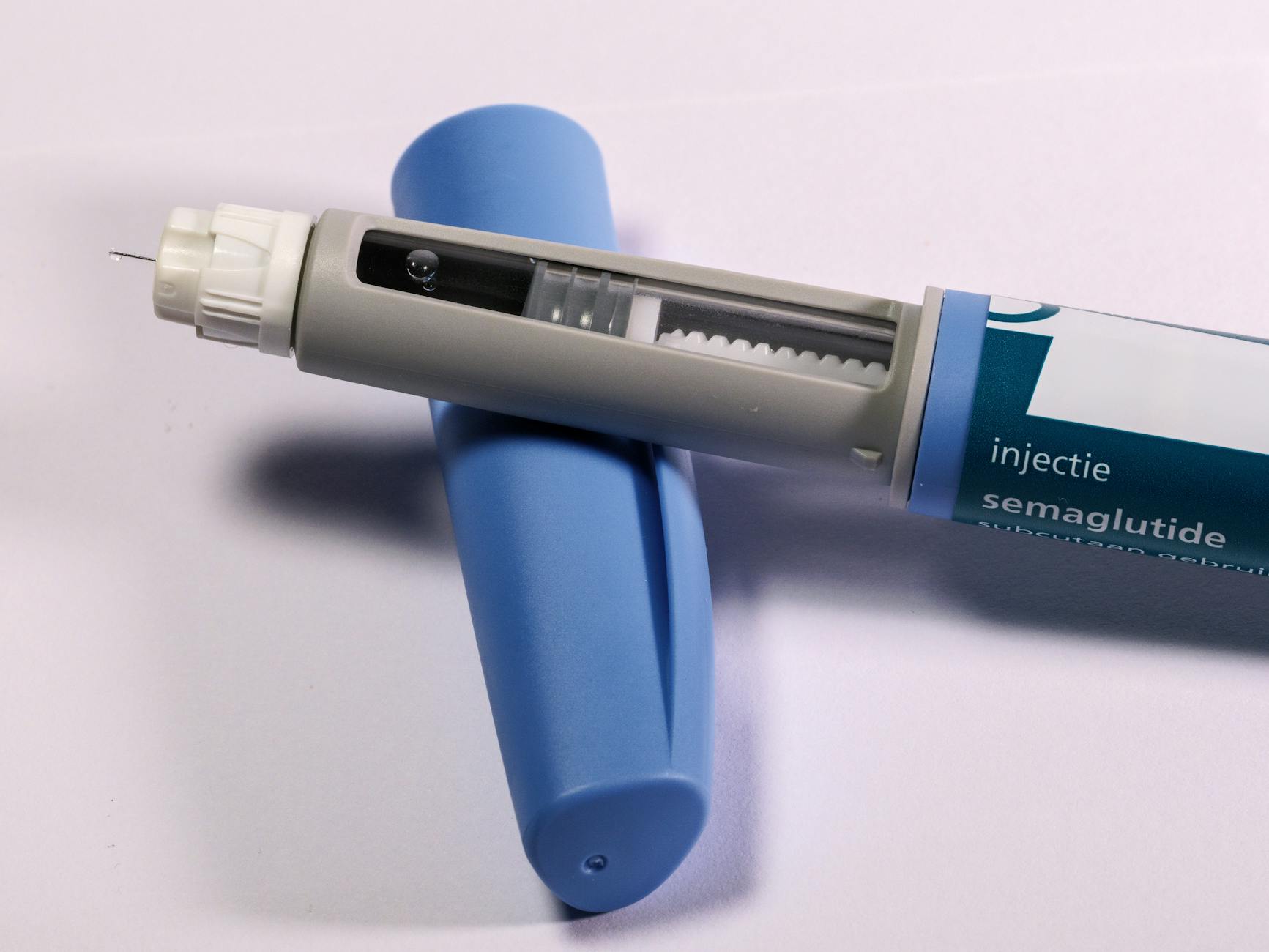
While GLP-1 receptor agonists (e.g., semaglutide, liraglutide, tirzepatide) are effective for weight management and glycemic control, their use is not appropriate for all patients. A thorough assessment of risks, contraindications, and patient suitability is a cornerstone of safe prescribing.
Absolute Contraindications and Key Risks
These medications carry specific, well-documented contraindications. The most critical is a personal or family history of medullary thyroid carcinoma (MTC) or in patients with Multiple Endocrine Neoplasia syndrome type 2 (MEN 2), based on rodent studies. While the human relevance remains uncertain, this is a strict contraindication in clinical practice.
Other major risks include:
- Pancreatitis: Patients with a history of pancreatitis should generally avoid GLP-1 RAs. New-onset, severe abdominal pain requires immediate evaluation to rule out pancreatitis.
- Gallbladder Disease: Rapid weight loss increases the risk of cholelithiasis. Patients should be counseled on symptoms of gallstones.
- Hypoglycemia: Significant risk is primarily when used with insulin or sulfonylureas. Dose adjustments of concomitant therapies are often necessary.
- Acute Kidney Injury: Risk is heightened by dehydration from gastrointestinal side effects. Patients must maintain adequate hydration, especially during illness.
Clinical Insight: The most common reason for discontinuation is gastrointestinal intolerance (nausea, vomiting, diarrhea). A "start low, go slow" titration protocol is essential to improve tolerability. Clinicians must differentiate between manageable side effects and signs of serious complications like pancreatitis.
Populations Requiring Extreme Caution or Exclusion
Certain patient groups require careful risk-benefit analysis, often leading to exclusion or specialist consultation.
- History of Diabetic Retinopathy: In some cardiovascular outcome trials, an increased risk of retinopathy complications was noted with rapid glycemic improvement. Patients with pre-existing retinopathy need close ophthalmologic monitoring.
- Severe Gastrointestinal Disease: Including gastroparesis, inflammatory bowel disease, or severe GERD. GLP-1 RAs slow gastric emptying and can exacerbate these conditions.
- Pregnancy and Breastfeeding: These agents are contraindicated; weight loss is not recommended during pregnancy. Women of childbearing potential should use contraception.
- History of Eating Disorders: The appetite-suppressing effect can potentially trigger or worsen disordered eating patterns.
Ultimately, initiating a GLP-1 medication requires a comprehensive review of the patient's medical history, current medications, and personal risk factors. This decision should always be made in consultation with a qualified healthcare provider who can provide ongoing monitoring.
4. Practical Timing Strategies for Enhanced Effectiveness
Optimizing the timing of your GLP-1 medication involves aligning its pharmacokinetic profile with your daily habits to maximize therapeutic effect and minimize side effects. The following evidence-based strategies can help enhance the drug's effectiveness for weight management and glycemic control.
1. Align Dosing with Your Largest Meal
The primary mechanism of GLP-1 agonists is to slow gastric emptying and promote satiety. Clinical trials and pharmacokinetic data strongly support timing your injection to precede your largest or most challenging meal of the day, typically by 30-60 minutes. This ensures peak drug concentration coincides with food intake, helping to control appetite and postprandial glucose spikes more effectively.
- For once-daily formulations (e.g., liraglutide): Administer at a consistent time, ideally before your main meal.
- For once-weekly formulations (e.g., semaglutide): The day of the week is less critical than consistency. Choose a day that aligns with your routine to support long-term adherence.
2. Establish a Consistent Routine
Adherence is a critical determinant of long-term success. Setting a consistent daily or weekly schedule reduces the risk of missed doses and helps maintain stable drug levels in your system. Using medication reminders or linking the dose to an existing daily habit (e.g., brushing teeth) can significantly improve adherence, which is strongly correlated with better clinical outcomes.
3. Proactively Manage Gastrointestinal Side Effects
Nausea and gastrointestinal discomfort are common, especially during dose escalation. While evidence is more anecdotal than from large trials, many clinicians and patients report that taking the medication in the evening can allow sleep to occur during the peak drug concentration, potentially mitigating daytime nausea. Starting with a lower dose and taking it with a small, low-fat meal may also help improve tolerance.
Clinical Consideration: These strategies are general guidance. Individual responses vary based on the specific medication, dose, and personal physiology. Patients with a history of severe gastrointestinal disease, pancreatitis, or those on complex medication regimens should discuss timing adjustments with their prescriber. Never change your dosing schedule without consulting your healthcare provider.
In summary, the practical timing of GLP-1 medications is less about a universal "perfect hour" and more about strategic alignment with meals, unwavering consistency, and personalized management of side effects to support sustainable treatment.
5. Safety Monitoring and Indications for Medical Consultation

While GLP-1 receptor agonists are effective for weight management and glycemic control, their use requires proactive safety monitoring and clear guidelines for when to seek medical consultation. This is not a passive process; optimal outcomes depend on a collaborative partnership between the patient and their healthcare team.
Essential Safety Monitoring Parameters
Regular monitoring is a cornerstone of safe GLP-1 therapy. Your physician will typically establish a schedule to track the following:
- Renal Function: Serum creatinine and estimated glomerular filtration rate (eGFR) should be checked before initiation and periodically thereafter, especially during dose escalation. These medications are not recommended for patients with severe renal impairment.
- Pancreatic Health: Be aware of symptoms of pancreatitis, such as severe, persistent abdominal pain that may radiate to the back. While the absolute risk is low, it is a serious potential adverse event requiring immediate cessation of the medication and medical evaluation.
- Glycemic Levels: For patients with type 2 diabetes, regular monitoring of blood glucose and HbA1c is crucial to assess effectiveness and adjust concomitant diabetes medications (especially insulin or sulfonylureas) to avoid hypoglycemia.
- Hydration and Gastrointestinal Tolerance: Persistent nausea, vomiting, or diarrhea can lead to dehydration and acute kidney injury. Monitoring fluid intake and reporting severe or prolonged GI symptoms is essential.
Clinical Insight: The most common reason for discontinuation is gastrointestinal intolerance. A slow, gradual dose titration—as per prescribing guidelines—is the best evidence-based strategy to mitigate this. Patients should not self-adjust their dosing schedule to overcome side effects, as this can increase risk without proven benefit.
Clear Indications for Medical Consultation
Patients should contact their healthcare provider promptly if they experience any of the following:
- Severe abdominal pain.
- Signs of an allergic reaction (rash, itching, swelling, difficulty breathing).
- Persistent vomiting or diarrhea leading to dizziness or reduced urination.
- Severe hypoglycemic events (shaking, sweating, confusion).
- Development of a new lump or neck pain with symptoms like palpitations or sweating, which may indicate thyroid concerns (based on rodent tumor data; human relevance is uncertain but monitored).
Furthermore, consultation is required before starting therapy if a patient has a personal or family history of medullary thyroid carcinoma (a contraindication) or Multiple Endocrine Neoplasia syndrome type 2. Individuals with a history of pancreatitis, severe gastrointestinal disease, or gallbladder disease should also be evaluated with extra caution.
Ultimately, the safe and effective use of GLP-1 medications hinges on structured monitoring and clear communication. Any significant change in health status while on this therapy warrants a discussion with a qualified medical professional.
6. Questions & Expert Insights
Does the time of day I take my GLP-1 medication significantly impact its weight loss or glucose-lowering effects?
The evidence for a strong, universal "best time of day" is limited and often conflicting. Some small studies suggest morning administration may lead to slightly greater appetite suppression throughout the day, while others find evening dosing better aligns with peak post-dinner cravings. The most consistent finding is that consistency itself is likely the most critical factor. Taking your dose at roughly the same time each day helps maintain stable drug levels in your bloodstream, which is key for sustained effect. For medications like semaglutide (Ozempic®, Wegovy®) with a very long half-life, the timing may be less critical than for shorter-acting agents. Individual variation is substantial; some people report fewer side effects with evening dosing to sleep through initial nausea. The current clinical guidance prioritizes choosing a time you can remember consistently and that fits your lifestyle, rather than prescribing a specific hour.
How long before or after a meal should I take a GLP-1 medication for optimal results?
This depends entirely on the specific medication formulation. For oral semaglutide (Rybelsus®), timing is non-negotiable: it must be taken on an empty stomach with no more than 4 ounces of plain water, at least 30 minutes before the first food, beverage, or other oral medication of the day. This protocol is essential for its absorption. For injectable GLP-1s (e.g., liraglutide, dulaglutide, semaglutide), there is no strict requirement relative to meals. The medication works systemically over days or weeks, not as an acute "meal blocker." However, some clinicians suggest that if a patient experiences gastrointestinal side effects, administering the injection at a time not immediately adjacent to a large meal might help. The overarching principle is that chronic, sustained action is the goal, not acute timing around individual meals.
Who should be particularly cautious or avoid GLP-1 medications based on timing and other risk factors?
GLP-1 agonists carry specific contraindications and require extreme caution in several populations. They are contraindicated in individuals with a personal or family history of medullary thyroid carcinoma (MTC) or in patients with Multiple Endocrine Neoplasia syndrome type 2 (MEN 2). They should be avoided in patients with a history of pancreatitis. Extreme caution is required for those with a history of diabetic retinopathy, as rapid glucose improvement has been associated with transient worsening. The "timing" concern relates to other medications: GLP-1s slow gastric emptying, which can impact the absorption of oral medications that require rapid onset, especially those with a narrow therapeutic window (e.g., certain antibiotics, warfarin). Patients on such drugs require careful monitoring and may need to adjust timing. Anyone with a history of severe gastrointestinal disease or gastroparesis should discuss these risks in detail with their doctor.
When should I talk to my doctor about adjusting the timing or dose of my GLP-1 medication, and what information should I bring?
Initiate a conversation with your prescriber if you experience persistent, disruptive side effects (e.g., nausea, vomiting, diarrhea) that don't improve after the initial 4-8 weeks, if you suspect a drug interaction, or if after 3-4 months at a stable dose you see no meaningful therapeutic benefit (stalled weight loss or no A1c improvement). Before the appointment, prepare a concise log. This should include: 1) Exact timing of your doses for the past two weeks, 2) A symptom diary noting severity and timing of side effects relative to dose and meals, 3) Your blood glucose readings (if applicable) and any weight tracking data, and 4) A complete list of all other medications and supplements, including their times. This data moves the conversation from "I feel unwell" to a pattern your doctor can analyze, enabling a decision on whether to adjust timing, slow dose escalation, or consider an alternative.
7. In-site article recommendations
8. External article recommendations
9. External resources
The links below point to reputable medical and evidence-based resources that can be used for further reading. Always interpret them in the context of your own situation and your clinician’s advice.
-
healthline healthline.comGLP-1 agonists – Healthline (search)
-
wikipedia wikipedia.orgGLP-1 agonists – Wikipedia (search)
-
examine examine.comGLP-1 agonists – Examine.com (search)
These external resources are maintained by third-party organisations. Their content does not represent the editorial position of this site and is provided solely to support readers in accessing additional professional information.