
1. Introduction to Detox Supplements and the Harvard Study
The term "detox" has become a ubiquitous marketing concept in the wellness industry, often implying a process of cleansing the body of toxins and impurities. In practice, this frequently involves the use of dietary supplements containing blends of herbs, vitamins, minerals, and other compounds. Common ingredients include milk thistle, dandelion root, turmeric, activated charcoal, and various laxatives or diuretics.
It is crucial to understand that the human body possesses highly efficient, intrinsic detoxification systems. The liver, kidneys, gastrointestinal tract, skin, and lungs work continuously to metabolize and eliminate waste products. From a clinical perspective, the premise that a short-term supplement regimen is necessary to "reset" or "cleanse" these systems is not supported by robust physiological evidence. The primary drivers of healthy organ function are consistent, long-term lifestyle factors: a balanced diet, adequate hydration, regular physical activity, and sufficient sleep.
Despite the lack of strong evidence for their necessity, the detox supplement market is vast and largely unregulated. In the United States, these products are classified as dietary supplements, meaning they do not undergo the rigorous pre-market safety and efficacy review required for pharmaceutical drugs by the Food and Drug Administration (FDA). This regulatory gap places the onus of safety on the manufacturer and creates a landscape where:
- Product purity and accurate ingredient labeling are not guaranteed.
- Health claims can be made without conclusive scientific proof.
- Potential for contamination or adulteration with pharmaceuticals exists.
- Interactions with prescription medications may not be adequately studied or disclosed.
This context sets the stage for the important research conducted by a team from Harvard Medical School and affiliated institutions. Their study, published in a peer-reviewed journal, systematically investigated the potential dangers associated with a range of popular detox and cleansing supplements. The research aimed to move beyond anecdote and marketing to provide an objective, evidence-based analysis of the risks these products may pose to consumers.
Clinical Insight: The term "toxin" in supplement marketing is rarely defined. It often vaguely references environmental pollutants, metabolic byproducts, or "sludge," creating a problem that the product claims to solve. Patients with underlying health conditions—particularly liver or kidney disease, electrolyte imbalances, or those taking medications metabolized by the liver—should exercise extreme caution and consult a physician before considering any detox regimen, as these products can exacerbate their conditions.
The following chapters will delve into the specific methodologies and findings of the Harvard study, examining the identified dangers, which range from mild gastrointestinal distress to severe hepatic and renal injury. The goal is to provide a balanced, authoritative resource to help individuals make informed decisions based on clinical evidence rather than marketing narratives.
2. Evidence and Mechanisms from the Harvard Study
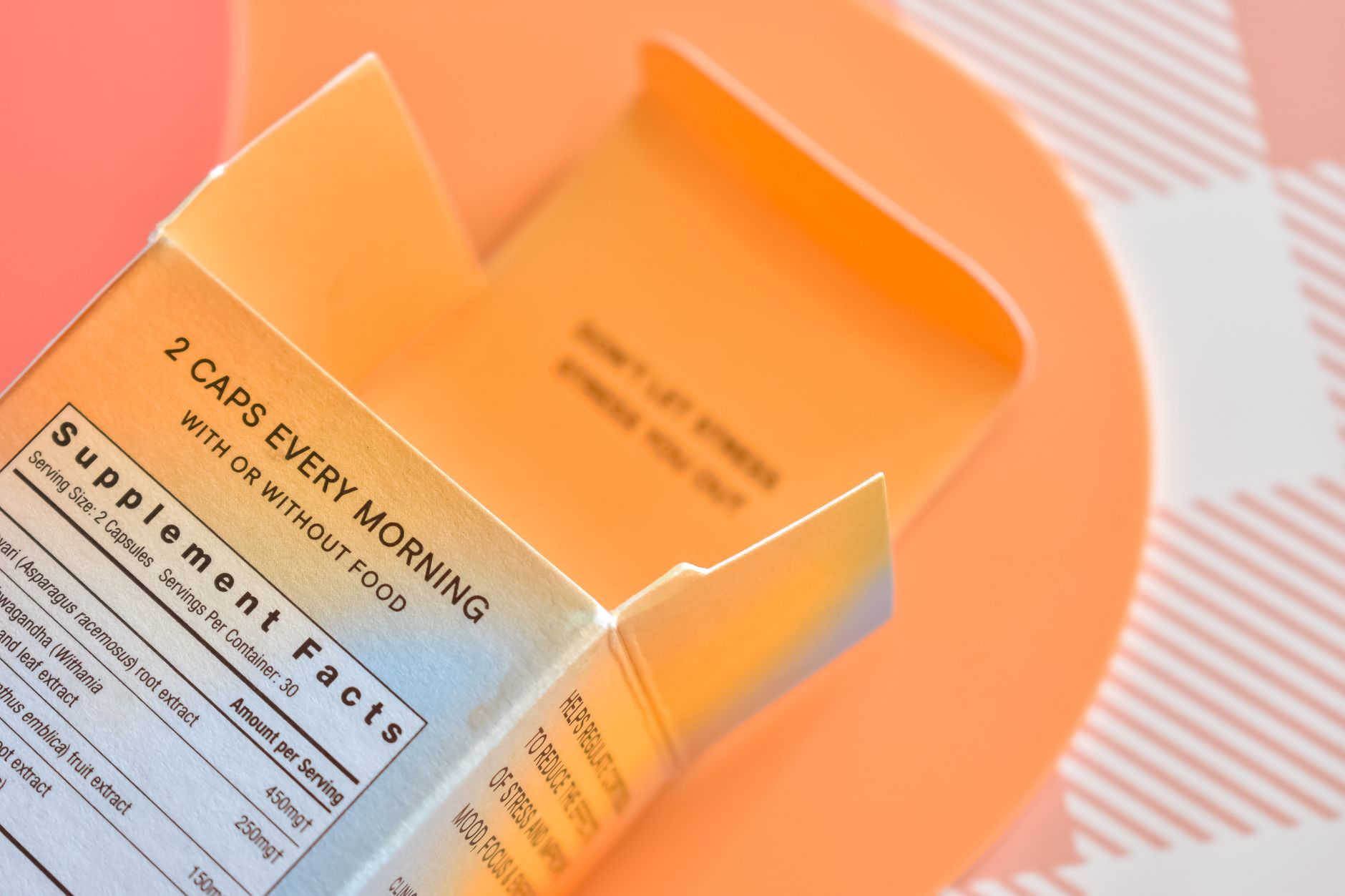
The Harvard-led investigation provides a critical, evidence-based analysis of potential harms associated with popular over-the-counter detox supplements. The findings are not based on a single clinical trial but on a systematic review of existing data, including case reports, adverse event databases, and mechanistic studies. This approach allows researchers to identify consistent patterns of risk and plausible biological pathways for harm.
The study highlights several key mechanisms through which these supplements may cause adverse effects:
- Hepatotoxicity (Liver Injury): This is the most consistently documented serious risk. Certain herbal ingredients, such as green tea extract in high concentrations, kava kava, and comfrey, contain compounds that can cause direct damage to liver cells (hepatocellular necrosis) or induce an idiosyncratic drug-induced liver injury (DILI). The liver is the primary organ for metabolizing these compounds, making it a frequent target for toxicity.
- Electrolyte and Metabolic Disruption: Supplements marketed for "colon cleansing" or intense diuresis can lead to dangerous electrolyte imbalances, particularly hypokalemia (low potassium) and hyponatremia (low sodium). This can disrupt normal cardiac and neurological function.
- Drug-Supplement Interactions: Many detox supplements induce or inhibit cytochrome P450 enzymes in the liver. This can dangerously alter the blood levels and efficacy of prescription medications, including blood thinners, antidepressants, and immunosuppressants.
- Gastrointestinal and Renal Stress: High doses of fiber, stimulant laxatives, or certain minerals can cause severe cramping, dehydration, and in rare cases, contribute to kidney stress or failure.
Clinical Insight: It is crucial to understand that the term "detox" is a marketing concept, not a medical one. The human liver, kidneys, and gastrointestinal tract are highly efficient at endogenous detoxification. The evidence suggests that for healthy individuals, these supplements do not enhance this innate function and instead introduce unnecessary risk. The reported cases of harm, while statistically rare, can be severe and are often unpredictable.
The evidence for liver injury is the strongest, supported by numerous case reports and pharmacovigilance data. Evidence for long-term subclinical damage or interactions in broader populations is more limited, as large-scale, prospective safety trials on these commercial blends are scarce. This gap in high-quality evidence itself is a significant concern.
Who should be especially cautious? Individuals with pre-existing liver conditions, kidney disease, or electrolyte disorders should strictly avoid these products. Those taking any prescription medication or who are pregnant or breastfeeding must consult their physician, as the risk of interaction or unknown effects is high. The study reinforces that no supplement regimen should replace standard medical care for any diagnosed condition.
3. Identified Risks and High-Risk Populations
The analysis of common detox supplements reveals a spectrum of potential adverse effects, ranging from mild gastrointestinal discomfort to severe organ toxicity. The primary risks are not inherent to the concept of "detoxification"—a process largely managed by the liver and kidneys—but to the specific bioactive compounds, contaminants, or unregulated dosages found in these products.
Key identified risks supported by clinical evidence and case reports include:
- Hepatotoxicity (Liver Damage): This is the most serious and well-documented risk, particularly associated with supplements containing high doses of green tea extract, kava, and certain proprietary herbal blends. Liver injury can range from asymptomatic enzyme elevation to acute liver failure requiring transplantation.
- Nephrotoxicity (Kidney Injury): High-dose or prolonged use of supplements like chromium, certain herbal diuretics, and those containing aristolochic acid (a known nephrotoxin sometimes found as a contaminant) can impair kidney function.
- Electrolyte Imbalances and Dehydration: Aggressive "cleanses" involving laxatives, diuretics, or severe caloric restriction can lead to dangerous shifts in sodium, potassium, and magnesium levels, potentially causing cardiac arrhythmias.
- Drug-Herb Interactions: Many detox herbs (e.g., milk thistle, St. John's wort) can induce or inhibit cytochrome P450 enzymes, altering the metabolism and efficacy of prescription medications, including blood thinners, antidepressants, and chemotherapy drugs.
Clinical Insight: The risk profile is often dose-dependent and idiosyncratic. A supplement deemed safe for one individual may cause a severe adverse reaction in another due to genetic differences in metabolism or underlying subclinical organ vulnerability. This unpredictability is a core challenge in managing supplement safety.
Certain populations face significantly elevated risks and should exercise extreme caution or avoid detox supplements entirely without direct medical supervision:
- Individuals with Pre-existing Liver or Kidney Disease: Their functional reserve is already compromised, making them far more susceptible to further injury.
- Pregnant or Breastfeeding Women: The effects of many herbal compounds on fetal development or infant health are unknown, and the risk of dehydration or nutrient deficiency is heightened.
- People Taking Multiple Prescription Medications (Polypharmacy): The potential for dangerous interactions is substantially increased.
- Individuals with a History of Eating Disorders: The restrictive and purgative nature of many detox protocols can trigger relapse and exacerbate disordered eating patterns.
- The Elderly: Age-related declines in liver/kidney function and increased medication use heighten susceptibility to adverse effects and interactions.
The evidence for these risks is strongest for hepatotoxicity and drug interactions, drawn from pharmacovigilance data and clinical case series. Evidence for other risks, while biologically plausible, may be more anecdotal or based on known properties of individual ingredients. Anyone considering a detox supplement, especially those in a high-risk group, must consult a physician or a clinical pharmacist for a personalized risk assessment.
4. Evidence-Based Practical Takeaways
The findings from the Harvard-led analysis provide a clear, evidence-based framework for navigating the complex world of detox supplements. The primary takeaway is a shift in focus: from seeking external products to cleanse the body, to supporting the body's innate, highly efficient detoxification systems through foundational lifestyle choices.
Prioritize Foundational Support Over Supplements
Robust evidence supports that the most effective way to support hepatic and renal detoxification pathways is through consistent, basic health practices. Detox supplements often lack high-quality clinical trials demonstrating safety and efficacy for general use, whereas the benefits of these core habits are well-established:
- Adequate Hydration: Supports kidney function and the elimination of water-soluble toxins.
- Balanced Nutrition: A diet rich in fiber (fruits, vegetables, whole grains) promotes regular bowel excretion, while adequate protein is necessary for the liver's phase II conjugation processes.
- Regular Physical Activity: Improves circulation and may enhance the metabolic clearance of certain compounds.
- Prioritizing Sleep: Critical for cellular repair and metabolic regulation, including detoxification pathways.
- Limiting Known Toxins: Reducing alcohol intake and avoiding tobacco smoke are among the most impactful detox actions one can take.
If Considering Supplements, Exercise Extreme Caution
If one chooses to use a detox supplement despite the risks, a cautious, evidence-informed approach is mandatory.
- Scrutinize Ingredients & Claims: Avoid proprietary blends that hide dosages. Be skeptical of dramatic "cleanse" or "purge" claims, which are not supported by physiology.
- Recognize High-Risk Ingredients: The analysis highlights specific concerns with ingredients like high-dose cascara sagrada or senna (risk of electrolyte imbalance, laxative dependence), certain heavy metal-contaminated herbs, and mega-doses of antioxidants that may disrupt cellular redox balance.
- Consult a Healthcare Professional First: This is non-negotiable for individuals with pre-existing liver or kidney conditions, those who are pregnant or breastfeeding, individuals on multiple medications (risk of herb-drug interactions), or anyone with a history of eating disorders.
The strongest evidence suggests that the safest and most effective "detox" strategy is a sustained commitment to lifestyle medicine, rendering most commercial supplements unnecessary and potentially harmful.
5. Safety Considerations and When to Consult a Healthcare Provider
The primary safety concern with many detox supplements is their inherent lack of regulation and standardization. Unlike pharmaceutical drugs, these products are not required to undergo rigorous pre-market testing for safety and efficacy by agencies like the FDA. This creates significant risks, including contamination with heavy metals, pesticides, or undisclosed pharmaceutical ingredients, and batch-to-batch variability in potency.
Beyond contamination, the active ingredients themselves can pose serious health threats. The evidence, including findings from systematic reviews, indicates several key areas of risk:
- Hepatotoxicity (Liver Damage): This is one of the most well-documented and severe adverse effects. Ingredients like green tea extract (in high doses), kava, comfrey, and certain proprietary blends have been linked to acute liver injury, ranging from elevated liver enzymes to fulminant liver failure requiring transplantation.
- Drug-Herb Interactions: Many detox supplements can interfere with the metabolism of prescription medications. For example, St. John’s wort is a potent inducer of cytochrome P450 enzymes, which can reduce the effectiveness of antidepressants, anticoagulants (like warfarin), birth control pills, and many other drugs.
- Electrolyte Imbalances and Dehydration: Supplements marketed for "colon cleansing" or intense diuresis can lead to dangerous losses of potassium, sodium, and other electrolytes, potentially causing cardiac arrhythmias, muscle weakness, and kidney stress.
Clinical Insight: From a medical perspective, the concept of a "detox" for a healthy individual is physiologically unnecessary—the liver and kidneys are highly efficient at this task. The red flag for clinicians is often a patient presenting with nonspecific symptoms like fatigue, nausea, or abdominal pain, with a history of recent supplement use. We always consider supplement-induced hepatotoxicity in the differential diagnosis.
Who Should Be Particularly Cautious?
Certain populations are at heightened risk for adverse effects and should avoid detox supplements unless under direct, informed medical supervision:
- Individuals with pre-existing liver or kidney disease.
- Pregnant or breastfeeding women.
- People taking any prescription medications, especially for chronic conditions (e.g., cardiovascular disease, diabetes, mental health, immunosuppression).
- Individuals with a history of eating disorders.
- The elderly and young children.
When to Consult a Healthcare Provider
You should consult a physician or a registered dietitian before starting any detox supplement regimen. This is non-negotiable if you fall into a high-risk category. Furthermore, seek immediate medical attention if you experience any of the following symptoms after beginning a supplement:
- Jaundice (yellowing of the skin or eyes).
- Dark urine or pale stools.
- Severe abdominal pain, nausea, or vomiting.
- Unusual fatigue or confusion.
- Significant changes in urination patterns.
A healthcare provider can help you assess the true necessity of such products, review potential interactions with your current health status and medications, and guide you toward evidence-based strategies for supporting your body's natural detoxification pathways through diet and lifestyle.
6. Questions & Expert Insights
Are detox supplements really necessary for cleansing my body?
The premise that healthy individuals need supplements to "detox" is not supported by mainstream medical science. Your body has highly efficient, built-in detoxification systems—primarily the liver and kidneys, supported by the gastrointestinal tract, skin, and lungs. These organs work continuously to neutralize and eliminate metabolic waste and environmental toxins. The marketing of detox supplements often implies these natural systems are insufficient or become "clogged," a concept not recognized in clinical medicine. For most people, the most effective way to support these organs is through a balanced diet, adequate hydration, and avoiding excessive alcohol and processed foods. Supplements are not a substitute for these foundational health practices.
What are the specific risks or side effects of popular detox supplements?
Risks vary by ingredient but can be significant. Common dangers include: Liver injury from herbs like kava, comfrey, or high doses of green tea extract. Electrolyte imbalances and dehydration from harsh laxatives or diuretics often found in "colon cleanse" or "water weight" products. Nutrient deficiencies and gut microbiome disruption from prolonged use of laxatives or restrictive protocols. Drug interactions are a major concern; for example, St. John’s wort can reduce the efficacy of birth control pills and antidepressants, while milk thistle may affect blood thinners. The lack of rigorous FDA oversight for supplements means contamination with heavy metals, pesticides, or even prescription drugs is a documented risk.
Who should absolutely avoid using over-the-counter detox supplements?
Several groups are at particularly high risk and should avoid these products entirely. This includes individuals with pre-existing liver or kidney disease, as these organs process supplements and added strain can cause acute failure. Pregnant or breastfeeding women should avoid them due to unknown effects on fetal and infant development. People with heart conditions or on diuretic medications risk dangerous electrolyte shifts. Those with a history of eating disorders may find these products trigger restrictive behaviors. Finally, anyone taking prescription medications—especially for chronic conditions like diabetes, hypertension, depression, or blood clotting—risks harmful interactions that can alter drug levels.
When should I talk to my doctor about detox supplements, and what should I bring?
Consult a physician before starting any new supplement regimen, especially if you have any chronic health conditions or take medications. Schedule a conversation specifically to review your planned supplement use. Bring the actual product bottle(s) to the appointment so your doctor can review the full ingredient list, which is more reliable than relying on memory or the product's marketing name. Also, prepare a complete list of all your prescription drugs, over-the-counter medications, and other supplements. Key questions to ask include: "Could this interact with my current medications?" "Are there specific ingredients I should avoid given my health history?" and "What are the evidence-based alternatives to support my health goals?" This proactive step is crucial for safe, integrated care.
7. In-site article recommendations
8. External article recommendations
9. External resources
The links below point to reputable medical and evidence-based resources that can be used for further reading. Always interpret them in the context of your own situation and your clinician’s advice.
-
healthline healthline.comdetox supplements – Healthline (search)
-
mayoclinic mayoclinic.orgdetox supplements – Mayo Clinic (search)
-
examine examine.comdetox supplements – Examine.com (search)
These external resources are maintained by third-party organisations. Their content does not represent the editorial position of this site and is provided solely to support readers in accessing additional professional information.