
1. Introduction to Sleep Quality and Fat Distribution
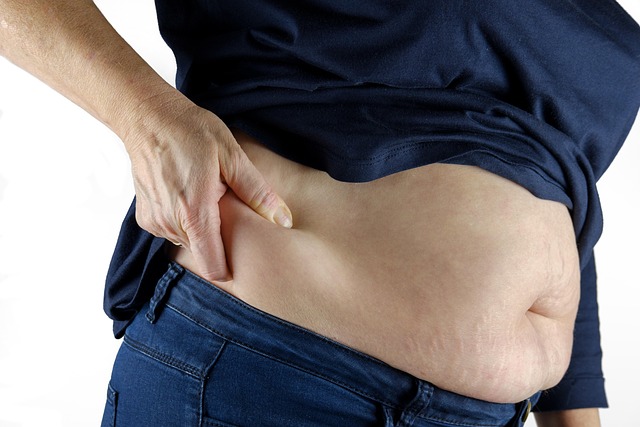
For decades, the primary focus of weight management has been on the balance of calories consumed versus calories expended. However, a growing body of scientific literature is shifting the paradigm, revealing that the quality and quantity of our sleep is a fundamental, yet often overlooked, pillar of metabolic health. This emerging field of research moves beyond simple weight metrics to investigate how sleep patterns can influence the specific distribution of body fat, a critical determinant of long-term health risk.
The relationship is not merely correlational. Physiological studies have identified several mechanisms through which poor sleep can disrupt metabolic regulation:
- Hormonal Dysregulation: Sleep restriction alters the secretion of key hormones like leptin (which signals satiety) and ghrelin (which stimulates appetite), often leading to increased hunger and caloric intake.
- Increased Stress Response: Inadequate sleep can elevate cortisol levels, a stress hormone associated with promoting the storage of visceral fat—the fat deposited deep within the abdomen around organs.
- Impaired Glucose Metabolism: Sleep loss can reduce insulin sensitivity, a precursor to metabolic syndrome and type 2 diabetes, which is closely linked to central adiposity.
Recent high-profile studies, including those from institutions like Harvard, have provided more granular insights. They suggest that sleep disturbances—including short duration, fragmented sleep, and disorders like sleep apnea—may be preferentially linked to an increase in visceral adipose tissue (VAT) and ectopic fat (fat stored in organs like the liver), rather than just subcutaneous fat. This distinction is clinically vital, as visceral and ectopic fat deposits are strongly associated with a higher risk of cardiovascular disease, insulin resistance, and inflammation.
Clinical Perspective: It is crucial to interpret this evidence with nuance. While the mechanistic links are well-established in controlled settings, large-scale, long-term interventional trials demonstrating that improving sleep directly causes a beneficial shift in fat distribution are still needed. The current evidence is strongest for establishing sleep as a key modifiable risk factor within a holistic health framework, not as a standalone solution.
Individuals with existing metabolic conditions (e.g., diabetes, fatty liver disease), a history of eating disorders, or those experiencing chronic insomnia should approach sleep-focused interventions cautiously and in consultation with a physician. Improving sleep hygiene is generally low-risk, but it should complement, not replace, other evidence-based medical and lifestyle treatments.
2. Scientific Evidence and Biological Mechanisms
The relationship between sleep and body composition is supported by a growing body of epidemiological and experimental research. A pivotal study from Harvard University, published in the Journal of the American College of Cardiology, provided robust observational evidence. It followed over 3,500 participants for several years, using detailed sleep questionnaires and CT scans to measure visceral adipose tissue (VAT). The findings were clear: individuals reporting consistently poor sleep quality had significantly greater increases in visceral fat—the metabolically active fat surrounding internal organs—compared to those with good sleep, independent of diet and physical activity levels.
This association is not merely correlational. Controlled laboratory studies have elucidated several key biological mechanisms that explain how sleep disruption alters fat distribution:
- Hormonal Dysregulation: Sleep deprivation disrupts the normal secretion of cortisol (a stress hormone that promotes fat storage, particularly in the abdomen) and growth hormone (which helps regulate body fat). It also increases ghrelin (the hunger hormone) and decreases leptin (the satiety hormone), creating a metabolic environment conducive to fat accumulation.
- Sympathetic Nervous System Activation: Poor sleep quality chronically activates the "fight-or-flight" system. This state increases circulating free fatty acids and can promote the deposition of fat into visceral stores.
- Systemic Inflammation: Inadequate sleep elevates pro-inflammatory cytokines like interleukin-6 (IL-6) and tumor necrosis factor-alpha (TNF-α). Chronic, low-grade inflammation is a known driver of insulin resistance and visceral adipogenesis.
Clinical Perspective: While the evidence for sleep's role in metabolic health is strong, it's important to contextualize it. Sleep is one modifiable factor among many—genetics, diet, and exercise are also powerful determinants. The Harvard study demonstrates a clear association, but individual responses can vary. For patients with conditions like obstructive sleep apnea, treating the sleep disorder itself is the primary clinical intervention, which often leads to metabolic improvements.
It is crucial to note that while the evidence for these mechanisms is well-established in short-term studies, long-term data on whether improving sleep quality reliably reverses existing visceral fat accumulation is more limited and represents an active area of research. Individuals with chronic insomnia, sleep disorders, or significant metabolic conditions (e.g., type 2 diabetes, severe obesity) should seek evaluation from a physician or sleep specialist, as underlying health issues may need to be addressed first.
3. Identifying Risks and Specific Populations
The findings from the Harvard study and related research are not uniformly applicable. The relationship between sleep and fat distribution carries heightened risks for specific demographic and clinical groups. Understanding these nuances is critical for applying this knowledge responsibly.
Evidence strongly indicates that the metabolic consequences of poor sleep are more pronounced in certain populations. These groups face a greater risk of visceral fat accumulation and its associated cardiometabolic complications.
- Individuals with Pre-existing Metabolic Conditions: Those with insulin resistance, type 2 diabetes, or non-alcoholic fatty liver disease (NAFLD) are particularly vulnerable. Sleep disruption can exacerbate underlying metabolic dysfunction, creating a vicious cycle that accelerates visceral fat gain and disease progression.
- Postmenopausal Women: The decline in estrogen is associated with a natural shift toward central adiposity. Poor sleep quality may significantly amplify this shift, increasing the risk for cardiovascular disease beyond the effects of aging alone.
- Middle-aged and Older Adults: Age-related changes in sleep architecture and hormone regulation make this group more susceptible to the fat-distributing effects of sleep loss. The cumulative impact on cardiovascular health can be substantial.
It is also crucial to consider populations for whom standard sleep hygiene advice may be insufficient or require medical supervision. Individuals with diagnosed sleep disorders like obstructive sleep apnea (OSA) require targeted treatment; improving sleep duration without addressing apnea episodes may not mitigate metabolic risk. Furthermore, those with a history of mood disorders or chronic stress may find sleep interventions challenging without concurrent mental health support.
Clinical Perspective: From a preventive medicine standpoint, these findings help us stratify risk. A patient with prediabetes and poor sleep is a high-priority case for intervention. The goal isn't just "more sleep," but achieving consolidated, restorative sleep, which often requires addressing the root cause of the disruption, be it OSA, stress, or circadian misalignment.
Anyone with known cardiovascular, metabolic, or renal disease, or those taking medications that affect sleep or metabolism, should consult a physician before undertaking significant lifestyle changes aimed at improving sleep for weight management. The evidence, while compelling, primarily shows association and plausible mechanism; large-scale, long-term intervention trials are needed to confirm causality in these specific sub-populations.
4. Actionable Strategies for Better Sleep and Health
Based on the evidence linking sleep quality to metabolic health and fat distribution, implementing consistent, evidence-based sleep hygiene practices is a foundational step. The goal is to support the body's natural circadian rhythms and sleep architecture, which in turn may favorably influence hormonal regulation of appetite and fat storage.
Core Sleep Hygiene Principles
The following strategies are supported by a robust body of clinical sleep research and form the cornerstone of behavioral sleep medicine:
- Prioritize Consistency: Maintain a fixed sleep-wake schedule, even on weekends, to reinforce your circadian clock. A variation of more than 60 minutes can be disruptive.
- Optimize Your Sleep Environment: Ensure your bedroom is cool, dark, and quiet. Consider blackout curtains and a white noise machine if needed. Reserve the bed primarily for sleep and intimacy.
- Manage Light Exposure: Seek bright light, preferably sunlight, in the morning. In the evening, minimize exposure to blue light from screens for at least 60 minutes before bed, using device night modes or amber-tinted glasses.
- Be Mindful of Substance Use: Avoid caffeine in the late afternoon and evening. While alcohol may induce sleep onset, it significantly fragments sleep quality in the second half of the night.
Addressing Diet and Exercise Timing
Emerging research suggests the timing of meals and exercise may interact with sleep quality, though evidence is more preliminary than for core hygiene principles.
- Evening Meals: Consuming a large, heavy, or high-glycemic meal close to bedtime can disrupt sleep and nocturnal metabolism. A light snack is generally acceptable, but a gap of 2-3 hours is advisable for larger meals.
- Exercise: Regular physical activity is strongly associated with better sleep. The optimal timing is individual; while vigorous exercise too close to bedtime may be stimulating for some, gentle movement like stretching or yoga may be beneficial.
Clinical Perspective: In practice, we view sleep hygiene as a non-negotiable baseline. For individuals with chronic insomnia, these strategies are necessary but often insufficient alone and should be combined with structured cognitive behavioral therapy for insomnia (CBT-I), which is the first-line treatment. It's also critical to rule out primary sleep disorders like obstructive sleep apnea, which directly impair sleep quality and are strongly linked to metabolic dysfunction.
Important Considerations and Cautions
While these strategies are generally safe, certain individuals should proceed with caution or consult a healthcare provider:
- Those with diagnosed sleep disorders (e.g., insomnia, sleep apnea, restless legs syndrome) should seek guidance from a sleep specialist.
- Individuals with complex medical conditions (e.g., diabetes, cardiovascular disease) or who take medications affecting sleep or metabolism should discuss lifestyle changes with their physician.
- Shift workers face unique circadian challenges; general sleep hygiene must be adapted to their schedules, often under professional guidance.
Improving sleep is a gradual process. Focus on implementing one or two sustainable changes at a time, tracking your sleep duration and quality, rather than seeking immediate, dramatic results.
5. Safety Precautions and Medical Consultation
While the Harvard study provides compelling evidence linking sleep quality to fat distribution, it is crucial to interpret and act on these findings within a safe and medically responsible framework. The research establishes a strong association, but it is primarily observational; it does not prove that improving sleep alone will directly and predictably alter body composition for every individual. Other factors, including genetics, diet, physical activity, and underlying medical conditions, play significant roles.
Before making significant changes to your sleep habits or lifestyle based on this research, consider the following precautions:
- Underlying Sleep Disorders: Chronic poor sleep may be a symptom of a treatable medical condition such as obstructive sleep apnea, insomnia, or restless legs syndrome. Self-managing sleep without a diagnosis can delay appropriate care.
- Pre-existing Health Conditions: Individuals with cardiovascular disease, severe obesity, type 2 diabetes, or mental health conditions should consult a physician. Changes in sleep, diet, or exercise can interact with these conditions and their treatments.
- Medication Interactions: Some over-the-counter or prescription sleep aids can have side effects or interact with other medications. A healthcare provider can advise on safe options.
- Avoid Extreme Measures: Do not pursue aggressive sleep extension or restriction, drastic dietary changes, or excessive exercise solely to influence fat distribution. This can lead to metabolic stress, injury, or disordered eating patterns.
Clinical Perspective: In practice, we view sleep as a vital sign, integral to metabolic health. However, we never address it in isolation. A patient presenting with concerns about visceral fat would receive a holistic assessment. We would screen for sleep disorders, review their full cardiometabolic risk profile, and consider lifestyle factors together. Recommending "better sleep" is sound general advice, but the therapeutic plan must be personalized and safe.
The most evidence-based and safe approach is to discuss these findings with a healthcare professional. This is particularly important for:
- Individuals with a known history of any sleep disorder.
- Those taking multiple medications (polypharmacy).
- Pregnant or breastfeeding individuals.
- Anyone with a history of an eating disorder or obsessive health behaviors.
In summary, the connection between sleep and fat distribution is a powerful motivator for prioritizing sleep hygiene. However, it should be integrated into a broader, medically supervised health strategy rather than used as a standalone intervention. Always seek professional guidance to ensure any changes you make are appropriate and safe for your specific health context.
6. Questions & Expert Insights
Does this mean I can "sleep off" belly fat?
No, sleep is not a direct fat-loss tool. The research suggests sleep quality is a significant modifier of metabolic health and fat distribution, not a standalone solution. Poor sleep dysregulates hormones like cortisol and growth hormone, increases appetite (particularly for high-calorie foods), and can lead to insulin resistance. These changes collectively favor the storage of visceral fat—the deep abdominal fat linked to higher cardiometabolic risk. Think of high-quality sleep as a foundational pillar that supports other healthy behaviors like balanced nutrition and regular exercise. It makes maintaining a healthy weight and body composition easier, but it does not work in isolation. The evidence indicates a synergistic relationship, not a causal shortcut.
What are the potential risks of aggressively trying to improve my sleep?
While improving sleep is generally safe, an obsessive or rigid approach can backfire, creating "orthosomnia" – anxiety over achieving perfect sleep that itself causes insomnia. Overuse of sleep supplements like melatonin without medical guidance can lead to daytime drowsiness, headaches, or interactions with other medications. Drastically altering sleep timing (e.g., extreme early bedtimes) can disrupt your circadian rhythm if not done gradually. Individuals with a history of insomnia or anxiety disorders should be particularly cautious, as pressure to sleep can exacerbate their condition. The goal should be consistent, sustainable habits, not perfection.
Who should be most cautious or avoid making major sleep changes based on this study?
Certain individuals should consult a doctor before undertaking significant sleep interventions. This includes:
- People with diagnosed sleep disorders (e.g., sleep apnea, narcolepsy): Self-management can delay effective treatment.
- Individuals with psychiatric conditions like major depression or bipolar disorder: Sleep schedule changes can trigger mood episodes.
- Those on medications affecting sleep/wake cycles (e.g., certain antidepressants, corticosteroids, stimulants).
- Shift workers with non-traditional schedules: Standard advice may not apply and requires specialized guidance.
- Individuals with a history of eating disorders: Focusing on sleep for body composition goals could inadvertently trigger unhealthy fixations.
When should I talk to my doctor about sleep and weight, and how should I prepare?
Consult your physician if you experience chronic poor sleep (difficulty falling/staying asleep, non-restorative sleep) alongside unexplained weight gain or an increase in waist circumference. Prepare for the appointment by keeping a simple sleep/health log for 1-2 weeks. Note: bedtime, wake time, estimated sleep quality, daytime energy, diet, and exercise. Bring a list of all medications and supplements. Be ready to discuss your specific concerns, such as "I'm sleeping 8 hours but waking exhausted, and I've gained weight around my midsection despite no major diet changes." This concrete data helps your doctor differentiate between lifestyle factors and potential medical issues like sleep apnea, thyroid dysfunction, or hormonal imbalances that require specific testing.
7. In-site article recommendations
8. External article recommendations
9. External resources
The links below point to reputable medical and evidence-based resources that can be used for further reading. Always interpret them in the context of your own situation and your clinician’s advice.
-
healthline healthline.comsleep quality – Healthline (search)
-
drugs drugs.comsleep quality – Drugs.com (search)
-
mayoclinic mayoclinic.orgsleep quality – Mayo Clinic (search)
These external resources are maintained by third-party organisations. Their content does not represent the editorial position of this site and is provided solely to support readers in accessing additional professional information.