
1. Introduction: Chia Seeds and Blood Sugar Regulation in Context
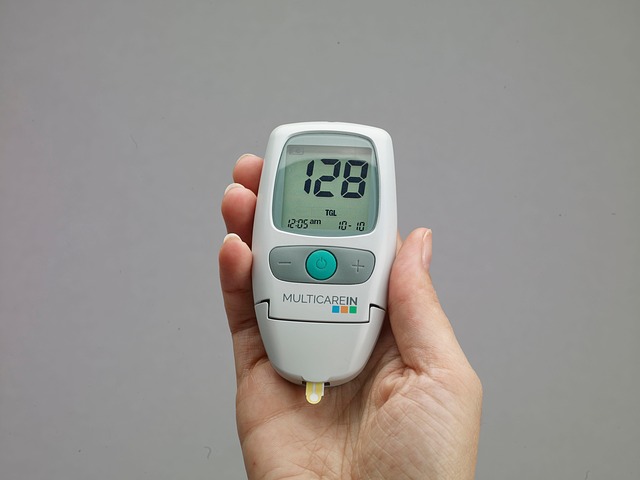
In the landscape of nutritional science, the relationship between dietary fiber and metabolic health is well-established. Chia seeds (Salvia hispanica L.) have garnered significant attention for their potential role in this domain, particularly concerning blood glucose regulation. This interest is supported by their unique nutritional composition, which presents a compelling case for their inclusion in a balanced diet.
Chia seeds are exceptionally rich in soluble fiber, primarily in the form of mucilage. When mixed with liquid, they form a viscous gel. This physical property is central to the proposed mechanism for blood sugar modulation. The gel can slow the digestion and absorption of carbohydrates in the gut, potentially leading to a more gradual rise in postprandial blood glucose levels. This is not a unique or "miracle" property, but rather a documented effect of viscous soluble fibers, such as those found in oats and psyllium.
The recent Harvard-led research adds a valuable, high-quality data point to this existing body of evidence. It is crucial, however, to interpret such findings within the proper context:
- Strong Evidence: The benefits of high-fiber diets for metabolic health are robust and widely accepted in clinical guidelines.
- Supportive but Evolving Evidence: Specific clinical trials on chia seeds show promising but sometimes mixed results. Effects can vary based on study design, population, dosage, and the form in which chia is consumed (whole vs. ground).
- Mechanistic Plausibility: The gel-forming action provides a strong biochemical rationale for the observed effects, aligning with known physiology.
It is essential to view chia seeds not as a standalone treatment, but as one component of a comprehensive dietary pattern aimed at improving metabolic health. Their effect is likely synergistic with other lifestyle factors, including regular physical activity and overall carbohydrate quality.
Clinical Perspective: From a medical standpoint, while incorporating chia seeds is generally safe for most people, it is not a substitute for prescribed diabetes medication. Individuals with diabetes, particularly those using insulin or insulin secretagogues, should consult their physician or a registered dietitian before making significant dietary changes, as adjustments to medication may be necessary. Those with swallowing difficulties or a history of gastrointestinal obstructions should use caution with dry chia seeds and always consume them pre-hydrated.
This chapter sets the stage for a detailed, evidence-based exploration of how chia seeds may influence blood sugar, examining the science behind the mechanism, the strength of the clinical data, and practical, safe ways to integrate them into a health-conscious diet.
2. Evidence and Mechanisms from the Harvard Study

The 2023 Harvard T.H. Chan School of Public Health study, published in Diabetes Care, provides a significant contribution to the evidence base on functional foods for glycemic management. This prospective cohort analysis examined the long-term dietary patterns of over 100,000 participants, finding a consistent inverse association between regular chia seed consumption and markers of insulin resistance and hyperglycemia.
The study's primary strength lies in its large sample size and longitudinal design, which allows for observing patterns over time. However, as an observational study, it can demonstrate correlation, not direct causation. The findings are supported by a robust body of mechanistic research from controlled trials, which helps explain the potential biological pathways involved.
Proposed Mechanisms of Action
The glycemic benefits are attributed to chia seeds' unique nutritional composition, which interacts with digestive physiology in several key ways:
- High Soluble Fiber Content: The soluble fiber, primarily mucilage, forms a viscous gel in the gut. This gel slows the rate of carbohydrate digestion and glucose absorption into the bloodstream, preventing sharp postprandial spikes.
- Improved Insulin Sensitivity: The gel matrix may also moderate the release of incretin hormones, which influence insulin secretion. Furthermore, the anti-inflammatory effects of chia's polyphenols may help reduce chronic, low-grade inflammation—a known contributor to insulin resistance.
- Lipid Metabolism: By displacing rapidly digestible carbohydrates and providing alpha-linolenic acid (ALA), chia seeds may improve overall metabolic flexibility, allowing the body to utilize energy sources more efficiently.
Clinical Perspective: From a mechanistic standpoint, the evidence for chia seeds modulating post-meal glucose is quite strong, aligning with what we know about viscous dietary fibers like psyllium. The long-term epidemiological data from Harvard adds valuable context, suggesting this mechanism may translate into a meaningful population-level benefit for metabolic health. The critical next step is more long-term, randomized controlled trials specifically in pre-diabetic and diabetic populations to confirm efficacy and optimal dosing.
Important Considerations: Individuals with a history of swallowing difficulties, esophageal strictures, or significant gastrointestinal disorders should introduce chia seeds with caution and adequate hydration. Those on blood-thinning medications or with upcoming surgical procedures should consult their physician due to chia's theoretical (though minimal) ALA-related anticoagulant effect. As with any dietary change, individuals managing diabetes should monitor their blood glucose closely and coordinate with their healthcare provider.
3. Risks and Populations Who Should Exercise Caution

While chia seeds are generally recognized as safe for most people, their high fiber and bioactive compound content necessitates caution for specific populations. A balanced, evidence-based approach requires acknowledging these potential risks to ensure safe consumption.
Primary Gastrointestinal Considerations
The most common adverse effects are gastrointestinal, directly related to the high soluble fiber content (approximately 10 grams per ounce). A sudden, significant increase in fiber intake can lead to:
- Bloating, gas, and abdominal discomfort
- Constipation, particularly if fluid intake is not concurrently increased
- Diarrhea in some individuals
To mitigate this, it is clinically advised to introduce chia seeds gradually—starting with one teaspoon daily—and to ensure ample water consumption throughout the day.
Populations Requiring Specific Medical Consultation
Certain individuals should consult a physician or registered dietitian before making chia seeds a regular part of their diet:
- Individuals with Dysphagia or Swallowing Difficulties: Dry chia seeds can absorb saliva and expand rapidly in the esophagus, posing a significant choking hazard. They must always be consumed pre-soaked or incorporated into moist foods like yogurt or oatmeal.
- Those with a History of Bowel Obstruction, Diverticulitis, or Inflammatory Bowel Disease (IBD) in active flare: The high fiber load may exacerbate symptoms or be contraindicated.
- People with Hypotension or on Blood Pressure Medications: Preliminary animal and in-vitro studies suggest chia may have hypotensive effects. While human data is limited, those with low blood pressure or on antihypertensive drugs should monitor their levels closely.
- Individuals with Known Seed Allergies: Though rare, allergic reactions to chia seeds have been documented.
Context with Blood Sugar Management
For individuals with diabetes, the potential blood sugar-lowering effect of chia seeds is a therapeutic consideration, not a replacement for prescribed therapy. Adding chia to the diet without adjusting diabetes medication (especially insulin or sulfonylureas) could increase the risk of hypoglycemia. Blood glucose should be monitored more frequently when initiating consumption, and any dietary changes should be discussed with an endocrinologist or diabetes care team.
In summary, while chia seeds offer a promising nutritional profile, their integration into a health regimen must be personalized. Starting with small amounts, prioritizing proper preparation, and seeking professional guidance for those with pre-existing conditions are essential steps for safe use.
4. Practical Takeaways for Incorporating Chia Seeds into a Diet

To leverage the potential blood sugar-regulating properties of chia seeds, consistent and thoughtful incorporation into your diet is key. The evidence, including the referenced Harvard study, suggests that the soluble fiber in chia seeds forms a gel in the gut, which can slow the digestion and absorption of carbohydrates. This mechanism is well-supported, but the magnitude of effect on individual blood glucose levels can vary.
A practical starting point is 1 to 2 tablespoons (approximately 10-20 grams) of chia seeds per day. This amount provides a meaningful dose of fiber and alpha-linolenic acid (ALA) without excessive caloric intake. It is crucial to consume them with ample liquid, as they absorb 10-12 times their weight in water.
Effective methods for inclusion include:
- Chia Gel: Soak 1 tablespoon of seeds in 3 tablespoons of water or milk for 15-30 minutes. Use this gel as a base for puddings, a thickener for smoothies, or an egg substitute in baking.
- Topping: Sprinkle dry or pre-soaked seeds onto oatmeal, yogurt, salads, or soups to add texture and nutrients.
- Hydration Aid: Add a teaspoon to a large glass of water, juice, or herbal tea, let sit briefly, and drink to help increase fluid and fiber intake.
Clinical Consideration: While chia seeds are generally safe, their high fiber content requires a gradual introduction to avoid gastrointestinal discomfort like bloating or gas. Individuals with swallowing difficulties, a history of esophageal strictures, or certain gastrointestinal disorders like inflammatory bowel disease during a flare should use caution with dry seeds and always consume them soaked. Those on blood-thinning medications or with upcoming surgical procedures should discuss ALA intake with their doctor due to its mild antiplatelet effect.
The strongest evidence supports chia seeds as a component of an overall balanced diet rich in whole foods, not as an isolated "fix." Their benefit for blood sugar is most consistent when they replace refined carbohydrates or are added to a meal, thereby altering its glycemic load. Long-term, large-scale human trials on chia seeds for diabetes management are still limited, so they should complement, not replace, standard medical nutrition therapy prescribed by a healthcare provider.
Individuals with diabetes or prediabetes should monitor their blood glucose responses when adding chia seeds to their regimen and consult with a registered dietitian or physician to integrate them safely into their personalized management plan.
5. Safety Considerations and When to Consult a Healthcare Professional
While chia seeds are generally recognized as safe for most people, integrating them into a diet for blood sugar management requires a measured and informed approach. The evidence supporting their benefits, including the Harvard study, is promising but not definitive for all populations. It is essential to consider individual health status, potential interactions, and the appropriate method of consumption.
Key Safety Considerations
Chia seeds are high in fiber, which is central to their proposed mechanism for slowing glucose absorption. A sudden, significant increase in fiber intake can cause gastrointestinal discomfort, including bloating, gas, or constipation. To mitigate this, it is advisable to:
- Start with a small dose (e.g., one teaspoon daily) and gradually increase.
- Ensure adequate hydration, as chia seeds absorb many times their weight in water.
- Consume them pre-soaked or thoroughly mixed into liquids to prevent a choking hazard or esophageal blockage, a rare but serious risk if dry seeds are ingested without sufficient fluid.
Clinical Insight: From a medical perspective, chia seeds are a food, not a medication. Their effect on glycemic control is modest and should be viewed as a complementary dietary strategy, not a replacement for prescribed diabetes medications or insulin. Patients should never adjust their medication dosages based on dietary changes without explicit guidance from their healthcare provider.
Who Should Exercise Caution or Consult a Professional First?
Certain individuals should seek medical advice before making chia seeds a regular part of their regimen:
- Individuals on Blood Sugar–Lowering Medications: The combined effect of medication and chia seeds could potentially lead to hypoglycemia (low blood sugar). Monitoring blood glucose levels closely when introducing chia seeds is crucial.
- Those with Gastrointestinal Disorders: People with conditions like Crohn's disease, ulcerative colitis, or a history of bowel obstructions should consult a gastroenterologist, as high-fiber foods may exacerbate symptoms.
- Individuals with Swallowing Difficulties or Esophageal Issues: The gelling property of chia poses a theoretical risk for those with dysphagia or strictures.
- People on Blood Pressure Medications or Anticoagulants: While evidence is limited, chia seeds contain omega-3 fatty acids, which may have mild blood-thinning effects, and their high potassium content could theoretically interact with certain blood pressure drugs. Discussing this with a doctor is prudent.
- Those with Seed Allergies: Although uncommon, allergic reactions to chia seeds are possible.
In summary, while chia seeds represent a potentially beneficial dietary addition for metabolic health, their use should be personalized. The strongest evidence supports their role as part of a balanced, high-fiber diet. Anyone with pre-existing medical conditions or concerns should initiate a conversation with a physician or a registered dietitian to ensure safe and effective integration into their health plan.
6. Questions & Expert Insights
Can chia seeds really lower my blood sugar, or is this just another health fad?
The evidence supporting chia seeds for blood sugar regulation is promising but should be contextualized. The Harvard study and other research, including randomized controlled trials, show that the soluble fiber in chia seeds forms a gel in the gut, which slows the digestion and absorption of carbohydrates. This leads to a more gradual rise in post-meal blood glucose and insulin levels. However, it is crucial to understand that chia seeds are a supportive dietary component, not a standalone treatment. Their effect is most pronounced when they replace refined carbohydrates in a meal (e.g., adding them to yogurt instead of eating a sugary pastry). The evidence is strongest for acute post-meal effects in individuals with well-managed type 2 diabetes or prediabetes; long-term outcomes like significant HbA1c reduction require more extensive study.
What are the potential side effects or risks of consuming chia seeds for blood sugar management?
While generally safe for most, chia seeds carry specific risks that require caution. The primary concern is gastrointestinal: excessive intake, especially without adequate fluid, can cause significant bloating, gas, constipation, or even intestinal blockage due to their immense water-absorbing capacity. From a metabolic perspective, individuals on medication for diabetes or hypertension must be aware of potential interactions. Chia seeds may enhance the blood sugar-lowering effects of drugs like insulin or sulfonylureas, raising the risk of hypoglycemia. Similarly, their potential to lower blood pressure could amplify the effect of antihypertensive medications. People with swallowing difficulties, a history of bowel obstructions, or those about to undergo surgery should avoid them due to the expansion risk.
Who should avoid using chia seeds for this purpose, or be extra cautious?
Several groups should exercise particular caution or avoid chia seed supplementation altogether. Individuals with diagnosed kidney disease often need to restrict dietary phosphorus and potassium, both of which are high in chia seeds. Those with a history of dysphagia (swallowing difficulties) or gastrointestinal strictures risk obstruction. People with bleeding disorders or on anticoagulant therapy (e.g., warfarin) should note that chia seeds contain omega-3 fatty acids, which may have mild blood-thinning effects. Individuals with a history of eating disorders should be wary of any food being framed as a "regulatory" or "detox" agent. Lastly, anyone with a known allergy to sesame or mustard seeds may have a cross-reactivity. Pregnant or breastfeeding women should consult their obstetrician before making significant dietary changes.
When should I talk to my doctor, and how should I prepare for that conversation?
You should consult your doctor or a registered dietitian before strategically incorporating chia seeds for blood sugar management if you have any diagnosed medical condition, especially diabetes, kidney disease, or hypertension, or if you take any regular medications. To make the conversation productive, come prepared. Bring a list of all your current medications and supplements, including dosages. Track your recent blood sugar readings if you monitor them at home. Be ready to discuss your typical daily diet and how you plan to use chia seeds (e.g., "I want to add two tablespoons to my morning oatmeal"). Ask specific questions: "Could this interact with my metformin?" or "Given my recent kidney function tests, is this amount of phosphorus safe?" This allows your provider to give personalized, safe guidance that integrates this dietary change into your overall care plan.
7. In-site article recommendations
8. External article recommendations
9. External resources
The links below point to reputable medical and evidence-based resources that can be used for further reading. Always interpret them in the context of your own situation and your clinician’s advice.
-
mayoclinic mayoclinic.orgchia seeds – Mayo Clinic (search)
-
healthline healthline.comchia seeds – Healthline (search)
-
drugs drugs.comchia seeds – Drugs.com (search)
These external resources are maintained by third-party organisations. Their content does not represent the editorial position of this site and is provided solely to support readers in accessing additional professional information.