
1. Introduction: Meal Timing and Insulin Sensitivity in Context
For decades, the primary focus of nutritional science for metabolic health has been on what we eat—the balance of macronutrients, caloric intake, and food quality. However, a growing body of research is shifting the paradigm to include a critical, yet often overlooked, dimension: when we eat. The timing of meals, known scientifically as chrononutrition, examines how our body's internal circadian rhythms interact with food intake to influence metabolic processes, particularly insulin sensitivity.
Insulin sensitivity refers to how effectively the body's cells respond to the hormone insulin. High sensitivity allows cells to use blood glucose efficiently, a cornerstone of metabolic health. Conversely, reduced sensitivity, or insulin resistance, is a key driver in the development of type 2 diabetes, cardiovascular disease, and other metabolic disorders. Understanding modifiable factors that influence this sensitivity is therefore of paramount clinical importance.
Emerging evidence suggests that meal timing is one such factor. The rationale is grounded in circadian biology: our organs, including the liver, pancreas, and adipose tissue, have daily rhythms in their metabolic capacity. Eating in alignment with these natural rhythms—typically during daylight hours—may optimize glucose metabolism. Conversely, consuming calories late at night, when the body is biologically preparing for rest, may lead to poorer glycemic control.
Expert Insight: From a clinical perspective, the concept is compelling because it offers a non-pharmacological lever to pull. However, it's crucial to contextualize it within the broader picture. Meal timing is a potential adjunct to, not a replacement for, foundational lifestyle interventions like a balanced diet, regular physical activity, and maintaining a healthy weight. Its impact can vary significantly between individuals based on genetics, sleep patterns, and overall lifestyle.
Recent investigations, including significant work from institutions like Harvard, have moved this field from observational correlation to more controlled intervention. These studies aim to isolate the effect of timing from dietary composition, asking: if two people eat the same foods, does when they eat them lead to different metabolic outcomes?
While the evidence is promising, it is not yet definitive for all populations. Key points to consider include:
- Stronger evidence exists for the benefits of avoiding large, calorie-dense meals in the late evening and overnight.
- More mixed or preliminary evidence surrounds the optimal structure of daytime eating, such as the merits of early time-restricted feeding versus simply front-loading daily calories.
- Most high-quality trials have been short-term, and long-term adherence and sustainability in free-living conditions require further study.
Individuals with existing conditions such as diabetes, hypoglycemia, or a history of eating disorders, as well as those on medications that affect blood glucose or require food intake, should consult a physician or a registered dietitian before making significant changes to their meal timing patterns. This chapter sets the stage for a detailed, evidence-based exploration of how meal timing influences insulin sensitivity and what that means for practical health guidance.
2. Evidence and Mechanisms: Insights from the Harvard Study
The Harvard study in question provides a robust, controlled investigation into how the timing of energy intake influences metabolic health. The core finding is that consuming a larger proportion of daily calories earlier in the day, specifically by front-loading intake towards breakfast and lunch, can significantly improve insulin sensitivity compared to a late-eating pattern. This effect was observed even when the total calories, macronutrient composition, and physical activity levels were held constant between the two study arms.
The research points to several interconnected physiological mechanisms that may explain these findings:
- Circadian Alignment: Metabolic processes like glucose tolerance and insulin secretion follow a circadian rhythm, typically peaking in the morning and declining in the evening. Eating in alignment with this natural rhythm appears to be more efficient.
- Postprandial Glucose Control: The body's ability to clear glucose from the bloodstream after a meal is more effective earlier in the day. Late eating can lead to higher and more prolonged post-meal blood glucose spikes.
- Mitochondrial Function: Preliminary evidence suggests that late eating may alter the expression of genes related to lipid metabolism and reduce mitochondrial efficiency in adipose tissue, potentially contributing to insulin resistance over time.
Clinical Insight: This study is a high-quality example of a randomized crossover trial, which strengthens its internal validity. However, it's crucial to note that the findings demonstrate a relative improvement with early time-restricted feeding, not a guarantee of disease prevention. The long-term sustainability and clinical outcomes (e.g., prevention of Type 2 diabetes) require confirmation in larger, longer-duration trials.
While the evidence for the metabolic benefit of earlier eating is strong from this and similar studies, it is not absolute. Individual variability in chronotype (being a "night owl" vs. "morning lark"), work schedules, and existing metabolic conditions can influence outcomes. The data is most compelling for improving insulin sensitivity in individuals with or at risk for metabolic syndrome.
Who should be cautious? Individuals with a history of eating disorders, those on medications with strict timing requirements (e.g., insulin, certain diabetes drugs), and people with gastrointestinal conditions that affect meal tolerance should not make significant changes to their eating schedule without consulting their physician or a registered dietitian. The goal is to integrate these insights into a sustainable, personalized pattern, not to create rigid rules that cause stress or nutritional deficiency.
3. Risks and Contraindications: Identifying High-Risk Populations
While the principles of meal timing for metabolic health are promising, they are not universally applicable or safe for all individuals. A one-size-fits-all approach can pose significant risks for specific high-risk populations. It is crucial to identify these groups to prevent adverse outcomes.
Populations Requiring Medical Supervision
Individuals with pre-existing medical conditions must exercise extreme caution and consult their healthcare provider before altering their eating schedule.
- Diabetes Mellitus (Type 1 and Type 2): For those on insulin or insulin-secretagogues (e.g., sulfonylureas), changes in meal timing can dramatically increase the risk of dangerous hypoglycemia. Any dietary intervention must be carefully coordinated with medication management.
- History of Disordered Eating: Structured fasting or restrictive eating windows can trigger or exacerbate conditions like anorexia nervosa, bulimia, or binge-eating disorder. The focus on rules and timing can be psychologically harmful in this context.
- Pregnancy and Lactation: Nutritional demands are high and constant. Prolonged fasting or significant caloric restriction is contraindicated, as it may compromise fetal development or milk production.
- Gastrointestinal Disorders: Conditions like gastroparesis, severe GERD, or inflammatory bowel disease may be aggravated by larger, less frequent meals. Individual tolerance must guide meal pattern decisions.
Considerations for Medication and Age
Other factors necessitate a personalized, medically-informed approach.
- Polypharmacy: Many medications must be taken with food to improve absorption or reduce gastrointestinal side effects. Altering meal schedules without adjusting medication timing can reduce efficacy or cause harm.
- Advanced Age: Older adults are at higher risk for sarcopenia (muscle loss) and malnutrition. Ensuring adequate protein and calorie intake often takes precedence over implementing a restrictive eating window.
- Adolescents: Growing teenagers have elevated nutritional needs. Restrictive eating patterns are generally not recommended without direct pediatric supervision.
Clinical Perspective: In practice, the potential metabolic benefits of meal timing must be weighed against an individual's overall health picture. For a patient with well-controlled type 2 diabetes not on hypoglycemic agents, a trial of time-restricted eating under guidance may be reasonable. For a patient with a complex medication regimen or a history of an eating disorder, the risks typically outweigh the theoretical benefits. The foundational rule is to "first, do no harm"—nutritional strategies should support, not destabilize, an individual's health status.
The evidence for meal timing is derived largely from studies on generally healthy or overweight individuals. Its application in clinical populations is less established and carries more uncertainty. Anyone with a chronic health condition, taking regular medications, or with significant nutritional vulnerabilities should seek advice from a physician or a registered dietitian before making changes based on meal-timing research.
4. Practical Takeaways: Evidence-Based Recommendations for Meal Timing
Translating research findings into daily practice requires a nuanced understanding of the evidence. Based on the principles highlighted in the Harvard study and related research, the following evidence-based recommendations can be considered for optimizing meal timing to support metabolic health.
Core Principles Supported by Stronger Evidence
The most consistent data supports aligning eating patterns with circadian rhythms. This forms the basis for several practical strategies:
- Prioritize a Consistent Eating Window: Aim to consume all daily calories within a 10- to 12-hour window. For many, this means starting your first meal at 8 AM and finishing your last by 6-8 PM. This practice, often called time-restricted eating (TRE), is supported by multiple randomized controlled trials showing benefits for insulin sensitivity and post-meal glucose control.
- Front-Load Caloric Intake: Make breakfast and lunch your larger, more substantial meals. Evidence suggests the body processes carbohydrates more efficiently earlier in the day. A lighter dinner can help avoid significant glucose spikes during the evening metabolic slowdown.
- Minimize Late-Night Eating: Avoid large meals or high-glycemic snacks within 2-3 hours of bedtime. Consuming calories late in the evening is consistently associated with poorer next-morning insulin sensitivity and disrupted metabolic markers.
Considerations with More Preliminary or Mixed Evidence
Some popular approaches require more individualization and caution, as long-term data is less definitive.
- Very Narrow Eating Windows (e.g., 6-8 hours): While some studies show potent short-term metabolic benefits, adherence can be challenging. The long-term sustainability and effects on muscle mass, energy levels, and social well-being are not fully established.
- Skipping Breakfast: The metabolic impact is highly individual. For some, it may improve insulin sensitivity; for others, particularly those prone to overeating later, it may be detrimental. It should not be considered a universally recommended strategy.
Clinical Perspective: Meal timing is a tool, not a standalone prescription. Its effectiveness is modulated by sleep quality, stress, physical activity, and overall diet composition. We do not recommend aggressive fasting protocols for individuals with a history of disordered eating, those who are underweight, pregnant or breastfeeding women, or people with advanced diabetes or on certain medications (like insulin or sulfonylureas). Always discuss significant changes to your eating pattern with a physician or registered dietitian to ensure safety and appropriateness for your personal health context.
The most sustainable approach is to adopt the core principles—a consistent, daytime-weighted eating window—while maintaining a balanced diet rich in whole foods. Consistency in your daily schedule is often more impactful than perfection in following a specific, restrictive protocol.
5. Safety Considerations: When to Seek Medical Guidance
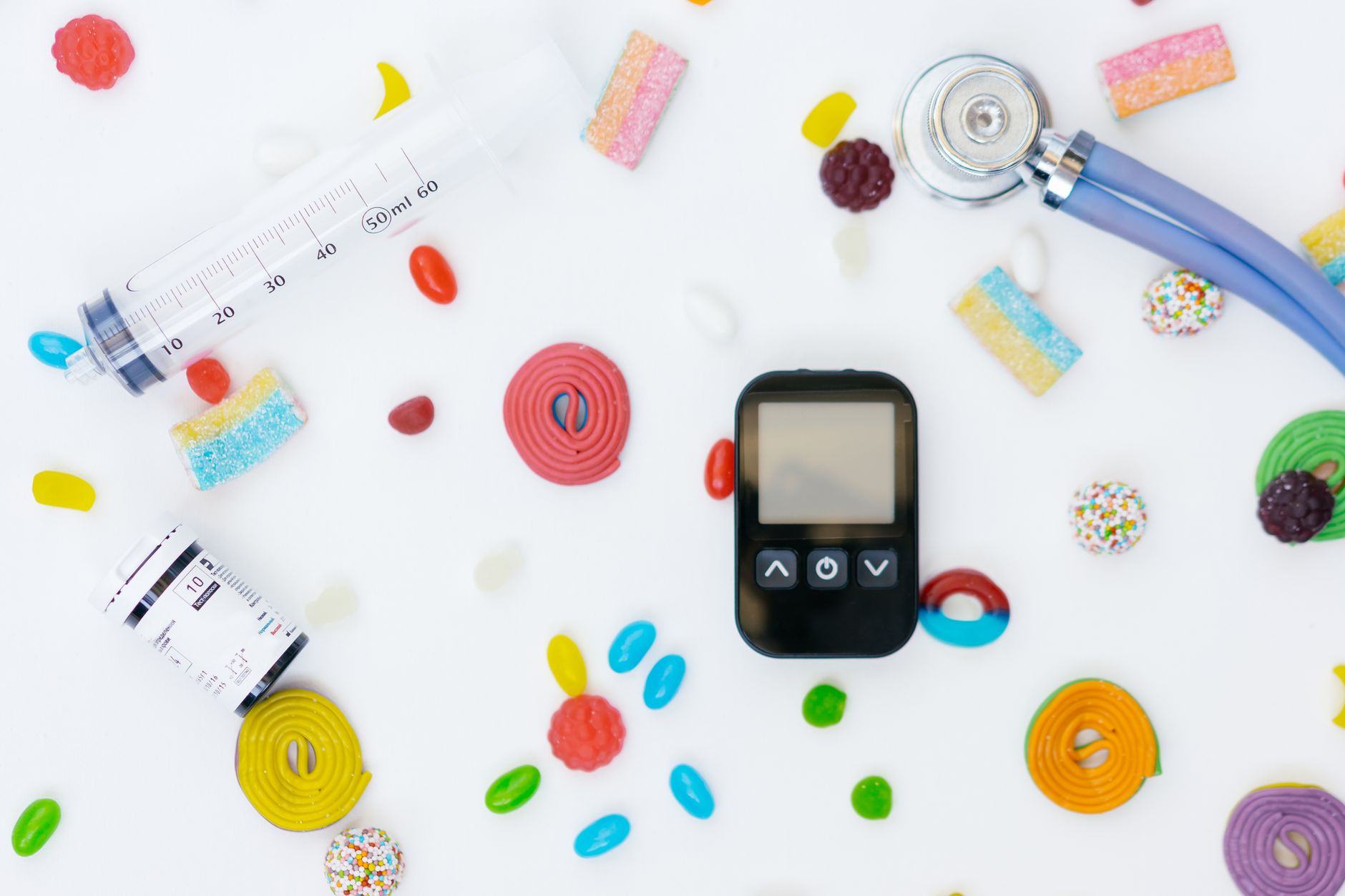
While research on meal timing, such as the Harvard study, offers valuable insights into metabolic health, it is not a one-size-fits-all prescription. Implementing significant changes to your eating schedule should be approached with caution and, in many cases, under professional guidance.
The evidence for time-restricted eating (TRE) or early time-restricted feeding (eTRF) is promising but still evolving. Much of the data comes from short-term, controlled studies in generally healthy or overweight individuals. The long-term sustainability, adherence, and health effects over years are less clear. Furthermore, individual responses to fasting windows can vary significantly based on genetics, lifestyle, and underlying health status.
Clinical Perspective: In practice, clinicians evaluate meal-timing strategies within the broader context of a patient's overall health. We consider it a potential tool, not a standalone treatment. The primary focus remains on diet quality, caloric balance, and physical activity. Altering meal timing without addressing these fundamentals is unlikely to yield meaningful, lasting benefits.
Certain individuals should consult a physician or a registered dietitian before attempting a structured meal-timing protocol:
- Individuals with Diabetes: Those on insulin or insulin-secreting medications (e.g., sulfonylureas) are at high risk for hypoglycemia when fasting. Medication timing and dosages often require careful adjustment under medical supervision.
- Individuals with a History of Eating Disorders: Structured fasting can trigger or exacerbate disordered eating patterns and is generally contraindicated.
- Pregnant or Breastfeeding Individuals: Nutritional needs are heightened and consistent; extended fasting is not recommended.
- Individuals with Certain Chronic Conditions: Those with advanced kidney or liver disease, a history of gallstones, or significant gastrointestinal disorders like GERD may experience adverse effects.
- Individuals on Multiple Medications: Polypharmacy can interact with nutritional status and metabolism; a healthcare provider can assess potential risks.
- Children, Adolescents, and the Elderly: These groups have specific nutritional requirements, and restrictive eating patterns may lead to deficiencies or other health complications.
If you choose to explore meal timing, monitor your body's signals. Persistent fatigue, dizziness, irritability, headaches, or significant disruptions to sleep and social functioning are signs the approach may not be suitable for you. The goal is to support metabolic health, not to induce stress or nutritional compromise. Always prioritize a discussion with your healthcare team to ensure any dietary change aligns safely with your personal health profile and goals.
6. Questions & Expert Insights
Does this mean I should skip breakfast to improve my insulin sensitivity?
Not necessarily. The study's findings on time-restricted eating (TRE) and insulin sensitivity are nuanced. While some protocols in the research involved delaying the first meal, the core mechanism is believed to be the extended fasting window at night, which allows for metabolic reset. For many, this can be achieved by finishing dinner earlier rather than skipping breakfast. The key takeaway is the consistency of a daily eating window, not the specific meal omitted. Individual circadian rhythms, work schedules, and personal preference play significant roles. A 10-hour eating window from 9 a.m. to 7 p.m. may be just as effective for some as an 8-hour window starting at noon. The evidence does not universally support breakfast skipping as superior.
What are the potential risks or downsides of time-restricted eating?
While TRE is safe for many, it is not suitable for everyone and can carry risks. Individuals who should avoid or exercise extreme caution include: those with a history of eating disorders, pregnant or breastfeeding women, people with type 1 diabetes or advanced type 2 diabetes on insulin or sulfonylureas (due to hypoglycemia risk), individuals with adrenal dysregulation or high stress, and those underweight or with nutrient deficiencies. Common side effects can include initial hunger, irritability, headaches, or disrupted social eating. There is also a risk of developing an unhealthy preoccupation with the "feeding clock" or compensating by consuming poor-quality, high-calorie foods during the eating window, which would negate any metabolic benefit.
How strong is the evidence, and what are its limitations?
The evidence linking meal timing to insulin sensitivity is promising but still evolving. The referenced Harvard study and others are often short-term (weeks to a few months), conducted in controlled settings, and involve relatively small, specific cohorts (e.g., prediabetic men). Long-term data on sustainability and hard cardiovascular or diabetes incidence outcomes are limited. Furthermore, these studies often control for weight loss; when weight is held constant, the independent effect of timing on insulin sensitivity appears more modest. It's crucial to understand that TRE is one potential tool within a broader lifestyle strategy that includes diet quality, physical activity, and sleep. It is not a standalone "miracle cure," and its effects can vary significantly between individuals.
When should I talk to my doctor about trying this, and what should I discuss?
You should consult your physician or a registered dietitian/nutritionist before starting if you have any chronic health condition, take daily medications (especially for diabetes or blood pressure), or have the concerns mentioned in the risks section. Come to the appointment prepared. Bring a typical 24-hour food log, a list of your medications and supplements, and your personal health goals. Key discussion points should include: 1) How might this affect my medication timing and doses? 2) Are there specific biomarkers we should monitor (e.g., fasting glucose, HbA1c, lipids)? 3) What is a safe and appropriate eating window and meal composition for my specific health profile? 4) What signs of trouble (like dizziness, extreme fatigue, or hypoglycemia) should prompt me to stop? This collaborative planning ensures safety and personalization.
7. In-site article recommendations
8. External article recommendations
9. External resources
The links below point to reputable medical and evidence-based resources that can be used for further reading. Always interpret them in the context of your own situation and your clinician’s advice.
-
examine examine.commeal timing – Examine.com (search)
-
mayoclinic mayoclinic.orgmeal timing – Mayo Clinic (search)
-
wikipedia wikipedia.orgmeal timing – Wikipedia (search)
These external resources are maintained by third-party organisations. Their content does not represent the editorial position of this site and is provided solely to support readers in accessing additional professional information.