
1. Introduction: Detoxification in Clinical Context
The term "detoxification" is widely used in popular wellness culture, often associated with cleanses, fasts, and specific diets. In a clinical context, however, detoxification refers to the body's innate, continuous biochemical processes for neutralizing and eliminating potentially harmful substances. This foundational understanding is critical for evaluating any intervention, including the consumption of herbal teas, through an evidence-based lens.
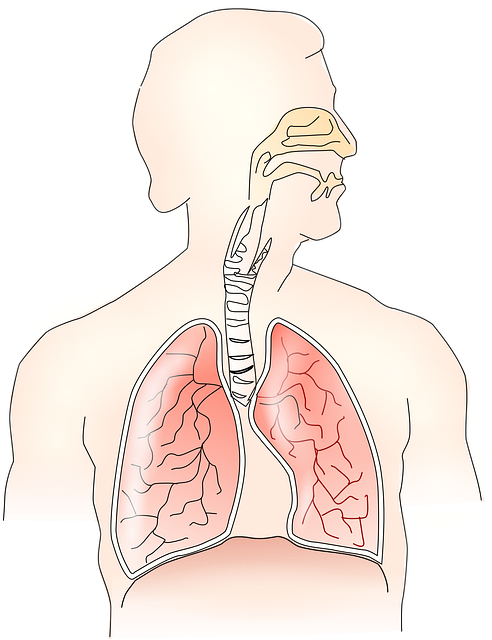
The human body possesses sophisticated, organ-based systems for this purpose:
- The Liver: The primary site for phase I and II metabolism, where enzymes transform toxins and metabolic waste into water-soluble compounds for excretion.
- The Kidneys: Filter the blood, excreting waste products and metabolites via urine.
- The Gastrointestinal Tract: Eliminates processed compounds through bile and feces.
- The Skin and Lungs: Provide secondary routes of elimination through sweat and exhalation.
When discussing "supporting" these processes, the scientific question shifts from "cleansing" the body of unspecified toxins to whether a substance can safely and measurably enhance the efficiency of these endogenous pathways. Evidence may point to an herb's ability to modulate specific detoxification enzyme activity, act as an antioxidant to protect organs from metabolic byproducts, or support renal function.
Clinical Perspective: It is essential to distinguish between supporting healthy organ function and claiming to "detox" the body of environmental or dietary toxins, which is rarely substantiated by robust human trials. Furthermore, individuals with pre-existing liver or kidney conditions, those who are pregnant or breastfeeding, and individuals on multiple medications should consult a healthcare provider before using herbal teas for any therapeutic purpose, due to risks of herb-drug interactions or unintended physiological effects.
This chapter establishes that a responsible discussion of herbal teas and detoxification must be grounded in physiology and biochemistry. The following sections will examine specific herbs, referencing the cited Harvard study and broader research, with a clear focus on the strength of the evidence, proposed mechanisms of action, and important safety considerations.
2. Evidence and Mechanistic Insights from Research

The term "detoxification" in a clinical context refers to the body's intrinsic biochemical processes, primarily in the liver, to neutralize and eliminate metabolic waste and xenobiotics. The research referenced in the article title explores how specific bioactive compounds in herbal teas may support these endogenous pathways. The evidence is derived from a combination of in vitro (test tube), animal, and some human studies, with varying levels of clinical strength.
The proposed mechanisms are generally categorized into two areas:
- Enhancement of Hepatic Enzymes: Compounds like silymarin in milk thistle and catechins in green tea are studied for their potential to modulate Phase I and Phase II detoxification enzymes in the liver. This may help the body process toxins more efficiently.
- Antioxidant and Anti-inflammatory Activity: Many herbs, including dandelion and turmeric, contain polyphenols and other antioxidants. By reducing oxidative stress and inflammation—which are byproducts of normal metabolism and toxin exposure—these teas may help protect organs involved in elimination, such as the liver and kidneys.
It is crucial to distinguish between mechanistic evidence and proven health outcomes in humans. For instance:
- Green Tea: Epidemiological studies and some clinical trials associate its consumption with improved liver enzyme profiles and antioxidant status. The evidence is stronger for general metabolic health than for specific "detox" claims.
- Dandelion Root: Traditional use and animal studies suggest diuretic and choleretic (bile-flow promoting) effects, but robust human clinical trials are limited.
Clinical Perspective: From a medical standpoint, these teas are best viewed as potential supportive elements within a healthy lifestyle, not as standalone "detox" solutions. The human body is equipped with highly efficient detoxification systems (liver, kidneys, gastrointestinal tract). The value of these interventions often lies in reducing the overall toxic burden (e.g., by substituting for sugary drinks) and providing antioxidant support, rather than in dramatically "cleansing" the system.
Important Cautions: Individuals with certain health conditions should exercise caution and consult a physician. This includes those with kidney disease (due to diuretic effects and potassium content), liver disease, gallstones, or those taking medications with known interactions (e.g., blood thinners, certain chemotherapy drugs, diuretics). Pregnant or breastfeeding women should also seek professional advice before consuming medicinal herbal teas regularly.
In summary, the research provides plausible biochemical mechanisms for how these herbal teas might support the body's natural detoxification pathways, primarily through antioxidant and enzyme-modulating effects. However, the direct translation of these mechanisms into significant "detox" health benefits in otherwise healthy individuals requires more long-term, high-quality human research.
3. Contraindications and At-Risk Populations

While the consumption of herbal teas like dandelion, milk thistle, ginger, and green tea is generally considered safe for most healthy adults, they are not universally benign. Their bioactive compounds can interact with medications, exacerbate underlying health conditions, and pose risks to specific populations. A cautious, individualized approach is essential.
Key Populations Requiring Caution or Avoidance
The following groups should consult a physician or a qualified healthcare provider before incorporating these teas, especially in medicinal quantities, into their routine:
- Individuals on Prescription Medications: Herbal teas can induce or inhibit liver enzymes (Cytochrome P450), altering drug metabolism. For example, milk thistle and green tea may interact with anticoagulants (e.g., warfarin), antiplatelet drugs, certain chemotherapy agents, and medications processed by the liver. Dandelion, having diuretic properties, may interfere with lithium or diuretic medications.
- People with Pre-existing Liver or Kidney Conditions: While some herbs are studied for liver support, their use in individuals with active liver disease (e.g., hepatitis, cirrhosis) or severe kidney impairment should be medically supervised. The body's altered metabolic pathways may process compounds unpredictably.
- Pregnant and Breastfeeding Individuals: Safety data for many herbs during pregnancy and lactation is limited. For instance, dandelion root and medicinal doses of milk thistle are typically not recommended due to a lack of robust safety studies. Ginger tea is often used for nausea, but should be discussed with an obstetrician first.
- Those with Known Allergies: Individuals allergic to plants in the Asteraceae/Compositae family (ragweed, marigolds, daisies) may react to dandelion or milk thistle. Green tea contains caffeine, which can trigger reactions in sensitive individuals.
- People with Hormone-Sensitive Conditions: The phytoestrogens in some herbs, though typically mild, warrant caution for individuals with a history of breast, uterine, or ovarian cancer, endometriosis, or uterine fibroids, pending professional advice.
Clinical Perspective: From a medical standpoint, "detoxification" is a continuous physiological process managed by the liver and kidneys. Herbal teas should not be viewed as a substitute for medical treatment for organ dysfunction. The primary risk is not necessarily the tea itself, but its potential to delay seeking appropriate care for serious symptoms or to inadvertently complicate a managed pharmaceutical regimen. Always disclose all supplement and herbal tea use to your healthcare team.
General Precautions and Best Practices
Evidence for the detoxifying effects of these teas in humans comes largely from observational studies, small trials, or preclinical research. Long-term safety data for high-dose consumption is often lacking.
- Start Low and Go Slow: Begin with one cup daily to assess tolerance.
- Source Quality: Choose teas from reputable suppliers to minimize contaminants like heavy metals or pesticides.
- Listen to Your Body: Discontinue use and consult a doctor if you experience adverse effects like gastrointestinal upset, allergic reactions, headaches, or unusual fatigue.
In summary, the principle of "first, do no harm" applies. For the at-risk populations listed, professional medical guidance is not just advisable—it is a critical component of safe health practice.
4. Practical Recommendations for Safe Use

Incorporating herbal teas into a wellness routine requires a measured and individualized approach. While the referenced study provides a valuable scientific framework, translating research into daily practice demands attention to safety, quality, and personal health context.
General Guidelines for Consumption
Adopting a conservative and rotational strategy is prudent. Consider the following points:
- Moderation is Key: Start with one cup daily of a single tea to assess tolerance. A general upper limit for most herbal infusions is 2-3 cups per day, unless otherwise directed by a healthcare provider.
- Prioritize Quality: Select organic teas from reputable suppliers to minimize exposure to pesticides, heavy metals, or adulterants. Loose-leaf varieties often offer superior quality to pre-bagged options.
- Cycle Your Intake: Avoid consuming the same herbal tea daily for extended periods (e.g., more than 4-6 weeks continuously). A rotational schedule helps prevent potential cumulative effects and maintains sensitivity.
- Mind the Timing: Some herbs, like dandelion and nettle, have mild diuretic properties. Consume them earlier in the day to avoid disrupting sleep.
Critical Contraindications and Precautions
The bioactive compounds in herbs can interact with medications and underlying conditions. It is essential to recognize when caution is paramount.
Clinical Insight: From a medical perspective, "detox" is a continuous physiological function of the liver and kidneys. Herbal teas should be viewed as supportive elements within a healthy lifestyle, not as substitutes for medical treatment or drastic dietary interventions. Their primary benefit in this context is likely through promoting hydration and providing antioxidant and anti-inflammatory phytochemicals.
Consult a physician or a qualified herbalist before use if you have:
- Pregnancy or Lactation: Many herbs are contraindicated due to a lack of safety data or potential uterine-stimulating effects.
- Kidney or Liver Disease: Impaired organ function alters the metabolism and excretion of plant compounds, increasing the risk of adverse effects.
- Bleeding Disorders or Upcoming Surgery: Some herbs may affect platelet aggregation or interact with anticoagulant medications (e.g., warfarin).
- Chronic Medical Conditions such as diabetes, hypertension, or autoimmune diseases, as herbs can modulate blood sugar, blood pressure, and immune activity.
- Polypharmacy: If you are taking prescription medications, particularly for chronic conditions, due to the risk of herb-drug interactions that may alter drug efficacy or toxicity.
Finally, discontinue use and seek medical advice if you experience any adverse reactions, such as gastrointestinal distress, allergic symptoms, or unusual fatigue. Integrating these teas thoughtfully, with professional guidance where needed, allows you to harness their potential benefits while prioritizing your overall health and safety.
5. Safety Guidelines and When to Consult a Healthcare Provider
While the consumption of herbal teas like dandelion, milk thistle, ginger, and green tea is generally considered safe for most healthy adults, it is essential to approach them with the same caution as any bioactive substance. "Natural" does not automatically equate to "risk-free," and these herbs can interact with medications, underlying health conditions, and each other.
Key Safety Considerations
Before incorporating these teas for any purported detoxification support, consider the following guidelines:
- Quality and Source: Choose teas from reputable suppliers that adhere to quality testing standards to minimize risks of contamination with heavy metals, pesticides, or misidentified herbs.
- Dosage and Duration: Adhere to standard brewing instructions. Chronic, high-volume consumption is not advisable without professional guidance, as the long-term effects of concentrated herbal intake are not fully established.
- Potential for Interaction: Herbal compounds can interfere with pharmaceutical metabolism. For example, milk thistle may affect enzymes that process certain statins, anti-anxiety medications, and blood thinners.
Who Should Exercise Particular Caution?
Certain individuals should consult a healthcare provider before use or may need to avoid specific herbs altogether:
- Individuals with Chronic Conditions: Those with kidney disease, liver disease (beyond mild fatty liver), gallstones (relevant for dandelion), or hormone-sensitive conditions should seek medical advice.
- Pregnant or Breastfeeding Women: The safety profiles of many herbs during pregnancy and lactation are not definitively established. Professional consultation is mandatory.
- People on Medications: Anyone taking prescription drugs—especially for diabetes, hypertension, blood thinning, or immune suppression—must discuss potential interactions with their doctor or pharmacist.
- Individuals with Allergies: Those allergic to plants in the Asteraceae/Compositae family (e.g., ragweed, chrysanthemums) may react to dandelion or milk thistle.
Clinical Perspective: From a medical standpoint, "detoxification" is a continuous physiological process managed by the liver and kidneys. While some herbal constituents show promise in supporting cellular antioxidant pathways in research settings, they are not a substitute for medical treatment for organ dysfunction. The strongest evidence for their use often relates to general antioxidant intake rather than acute "detox" events. Always prioritize a balanced diet, adequate hydration, and proven lifestyle measures over relying solely on herbal supplements.
When to Consult a Healthcare Provider
Seek professional medical advice if you experience any adverse effects such as gastrointestinal upset, allergic reactions, or unusual symptoms after consumption. More importantly, schedule a consultation before starting regular intake if you belong to any of the high-risk groups mentioned above. A physician or a registered dietitian can help you evaluate the evidence, assess personal risk, and integrate these teas safely within the context of your overall health plan.
6. Questions & Expert Insights
What does "detoxification" actually mean in a medical context, and how do these teas support it?
In clinical terms, "detoxification" refers to the body's intrinsic, continuous processes—primarily in the liver and kidneys—that neutralize and eliminate metabolic waste, environmental toxins, and drugs. The herbal teas highlighted in the study (commonly dandelion, milk thistle, green tea, and ginger) are not "detoxing" the body in a novel way. Instead, preliminary research suggests their bioactive compounds may support the physiological function of these organs. For example, silymarin in milk thistle may support liver cell membrane integrity, while catechins in green tea may enhance certain Phase II liver enzyme activity. It's crucial to understand these are supportive, complementary roles. They do not replace the organs' fundamental work, nor do they "flush" toxins in a way your body isn't already doing. The evidence, while promising, often comes from cell cultures, animal models, or small human trials, and more robust clinical data is needed.
Are there any risks or people who should avoid these herbal teas?
Yes, despite being "natural," these herbs have pharmacological effects and carry specific risks. Key contraindications include: Individuals with known allergies to plants in the Asteraceae family (e.g., ragweed, chrysanthemums) should be cautious with dandelion tea. Those with gallbladder disease or bile duct obstruction should avoid dandelion and milk thistle, as they are choleretic (promote bile flow). People with iron-deficiency anemia should be aware that green tea can inhibit non-heme iron absorption if consumed with meals. Most critically, anyone with liver disease from any cause (e.g., hepatitis, cirrhosis) or severe kidney impairment must consult a physician before use, as altered metabolism can lead to unpredictable effects. Pregnant or breastfeeding individuals and those on prescription medications (especially blood thinners, diabetes drugs, or immunosuppressants) should also exercise extreme caution due to potential herb-drug interactions.
How should I talk to my doctor about incorporating these teas?
Initiate this conversation during a routine visit, not for an acute issue. Frame it as a question about supportive lifestyle strategies. Be prepared to provide a specific list: 1) The exact names of the teas you're considering (e.g., "milk thistle seed tea"), 2) The intended frequency and dosage (e.g., "one cup daily"), and 3) A complete list of your current medications, supplements, and diagnosed health conditions. Ask directly: "Given my history of [e.g., hypertension and my lisinopril prescription], is there any known interaction or reason I should avoid this?" This allows your doctor to assess risks based on your unique profile. Do not expect them to be familiar with every herbal product, but they can evaluate safety based on your medical history and pharmacology principles.
Can I rely on these teas alone for "detox," or are other lifestyle factors more important?
Herbal teas should never be relied upon as a standalone "detox" strategy. The most powerful supports for your body's detoxification pathways are fundamental lifestyle choices: adequate hydration with water is essential for kidney filtration; a balanced diet rich in fiber supports gut elimination; regular exercise promotes circulation and sweating; limiting alcohol intake reduces direct liver burden; and prioritizing sleep allows for cellular repair and waste clearance in the brain. Viewing these teas as one small component within this broader, evidence-based framework is responsible. Placing excessive emphasis on the teas while neglecting core pillars like diet or sleep is ineffective and can create a false sense of security regarding health behaviors.
7. In-site article recommendations
8. External article recommendations
9. External resources
The links below point to reputable medical and evidence-based resources that can be used for further reading. Always interpret them in the context of your own situation and your clinician’s advice.
-
healthline healthline.comherbal teas – Healthline (search)
-
examine examine.comherbal teas – Examine.com (search)
-
wikipedia wikipedia.orgherbal teas – Wikipedia (search)
These external resources are maintained by third-party organisations. Their content does not represent the editorial position of this site and is provided solely to support readers in accessing additional professional information.