
1. Introduction to High-Protein Nutrition for Athletic Performance
For athletes and individuals engaged in intense, regular training, protein is more than a simple nutrient; it is a fundamental component of the repair, adaptation, and recovery processes. The primary physiological roles of dietary protein in this context are well-established by sports science research:
- Muscle Protein Synthesis (MPS): Protein provides the essential amino acids, particularly leucine, required to stimulate MPS, the process of building new muscle tissue.
- Recovery & Repair: Training induces microscopic damage to muscle fibers. Adequate protein intake supports the repair of this damage, reducing soreness and preparing the body for subsequent sessions.
- Supporting Immune Function: Intense exercise can temporarily suppress immune function. Amino acids are crucial for producing antibodies and immune cells, helping to maintain overall health during demanding training cycles.
The evidence for increased protein needs in athletes is strong and consistent across meta-analyses. While the general Recommended Dietary Allowance (RDA) is 0.8 grams per kilogram of body weight per day (g/kg/d), this is intended for sedentary populations. Current consensus from organizations like the International Society of Sports Nutrition (ISSN) suggests a range of 1.4–2.0 g/kg/d for those building muscle or maintaining mass during intense training. Higher intakes within this range may be beneficial during periods of caloric restriction to preserve lean mass.
Clinical Perspective: It's critical to view protein intake as a daily target, not just a post-workout concern. Distributing protein evenly across 3–4 meals, each containing 20–40 grams of high-quality protein, appears to optimize the MPS response more effectively than consuming the bulk of protein in one sitting. "Quality" refers to proteins with a complete amino acid profile and high digestibility, such as whey, eggs, meat, fish, soy, and certain combined plant proteins.
However, the practical application requires nuance. The benefits of exceeding approximately 2.0 g/kg/d for most athletes are not clearly supported by evidence and may place unnecessary metabolic load on the kidneys in susceptible individuals. Furthermore, protein should not displace other critical nutrients; carbohydrates remain the primary fuel for high-intensity performance, and fats are essential for hormone production.
Who should exercise caution? Individuals with pre-existing kidney disease or significantly reduced kidney function should not increase protein intake without medical supervision. Those with liver disease or certain metabolic disorders should also consult a physician or registered dietitian. While rare, excessive, long-term intake far beyond needs offers no added benefit and may displace other vital foods.
This chapter establishes the evidence-based rationale for strategic protein intake. The following sections will translate this science into practical, high-protein meal recipes designed to fuel demanding training schedules effectively and safely.
2. Evidence and Mechanisms: How Protein Fuels Training and Recovery
For individuals engaged in intense training, dietary protein is not merely a source of calories; it is the fundamental substrate for physiological adaptation. The primary mechanisms by which protein supports athletic performance and recovery are well-established in exercise physiology.
Primary Mechanisms of Action
Protein's role centers on its constituent amino acids, which serve as the building blocks for new tissue. The key processes include:
- Muscle Protein Synthesis (MPS): Resistance and endurance exercise create micro-tears in muscle fibers. Consuming protein, particularly sources rich in the essential amino acid leucine, provides the raw materials to repair and rebuild these fibers, leading to net muscle growth and strength gains over time.
- Recovery and Repair: Beyond skeletal muscle, protein is crucial for repairing connective tissues (tendons, ligaments), synthesizing enzymes and hormones involved in energy metabolism, and supporting immune function, which can be transiently suppressed after strenuous sessions.
- Satiation and Body Composition: Protein has a high thermic effect and promotes greater feelings of fullness compared to fats and carbohydrates. This can support adherence to an energy-controlled diet, aiding in the preservation of lean mass while reducing body fat.
Evidence-Based Considerations for Timing and Dose
While total daily intake is paramount, peri-workout nutrition can optimize the anabolic response. Strong evidence supports consuming 0.4–0.5 grams of high-quality protein per kilogram of body weight (roughly 20–40 grams for most athletes) within a few hours post-exercise to maximally stimulate MPS. The evidence for immediate pre-workout protein is more nuanced; it may help initiate recovery processes earlier but is not strictly necessary if post-workout intake is adequate.
Clinical Perspective: The concept of a "muscle-building window" is often overstated. The body remains sensitized to protein for at least 24 hours after training. For most athletes, consistency in daily protein distribution (e.g., 3–4 meals with 20–40g protein each) is more practical and effective than obsessing over immediate post-workout timing. The source matters: animal proteins (whey, casein, eggs, meat) and soy are complete proteins, while plant-based diets require strategic combining of grains and legumes to ensure a full amino acid profile.
Cautions and Contraindications: Individuals with pre-existing kidney disease should not increase protein intake without medical supervision. Those with liver disease or certain metabolic disorders (e.g., phenylketonuria) also require individualized guidance. A sudden, drastic increase in protein can cause gastrointestinal discomfort; gradual incorporation is advised.
Ultimately, protein is a critical tool for fueling adaptation. Its efficacy is strongest when integrated into a balanced diet that also provides adequate carbohydrates for energy and fats for hormonal health, tailored to an individual's total training load and physiological goals.
3. Risks and Contraindications for High-Protein Diets
While high-protein diets are a cornerstone of athletic nutrition, they are not universally appropriate. A nuanced understanding of potential risks and clear contraindications is essential for safe and effective implementation.
Established Risks for Specific Populations
For individuals with pre-existing kidney disease, a high-protein intake can impose significant strain. The kidneys must excrete the nitrogenous waste products of protein metabolism. In compromised kidneys, this can accelerate the decline of renal function. Therefore, anyone with known chronic kidney disease (CKD) should strictly avoid high-protein diets without direct supervision from a nephrologist or registered dietitian.
Similarly, those with advanced liver disease often have impaired capacity to process protein byproducts like ammonia. A standard or even reduced-protein diet is typically indicated, and any increase must be medically guided.
Areas of Debate and Potential Concerns
The impact of high-protein diets on healthy kidney function is a common concern. Current evidence from systematic reviews suggests that high protein intake does not harm kidney function in individuals without pre-existing renal impairment. However, long-term data (over many decades) is limited, warranting a cautious approach.
Other potential issues, often dependent on the protein sources chosen, include:
- Nutrient Displacement: Over-focusing on protein can lead to inadequate intake of fiber, antioxidants, and phytonutrients from fruits, vegetables, and whole grains.
- Digestive Discomfort: A sudden, significant increase in protein, especially from supplements like powders, can cause bloating, constipation, or diarrhea.
- Dehydration Risk: Increased nitrogen excretion requires more water. Athletes must consciously increase fluid intake to compensate.
Clinical Perspective: In practice, the most frequent issue I see is not protein toxicity, but poorly constructed diets. A "high-protein" diet of processed meats, few vegetables, and low water intake is problematic. The goal is a balanced high-protein diet that supports overall health, not just muscle synthesis. Always consider the complete dietary matrix.
Key Contraindications and Precautions
Certain individuals should seek medical advice before significantly increasing dietary protein:
- Individuals with a history of kidney stones (particularly calcium oxalate stones).
- Those with gout or hyperuricemia, as some protein sources (organ meats, certain seafood) are high in purines.
- People with rare metabolic disorders affecting protein metabolism (e.g., phenylketonuria, homocystinuria).
- Individuals with a history of or active eating disorders, as macronutrient-focused diets can exacerbate disordered patterns.
- Older adults with sarcopenia, who benefit from increased protein, but may have concurrent kidney issues that require assessment.
For the healthy, active individual, a protein intake tailored to training demands (e.g., 1.6–2.2 g/kg body weight) is generally safe when part of a balanced diet. The critical step is recognizing when you fall outside the "healthy and active" category and consulting a healthcare provider for personalized guidance.
4. Practical Takeaways: Balanced High-Protein Meal Recipes and Planning
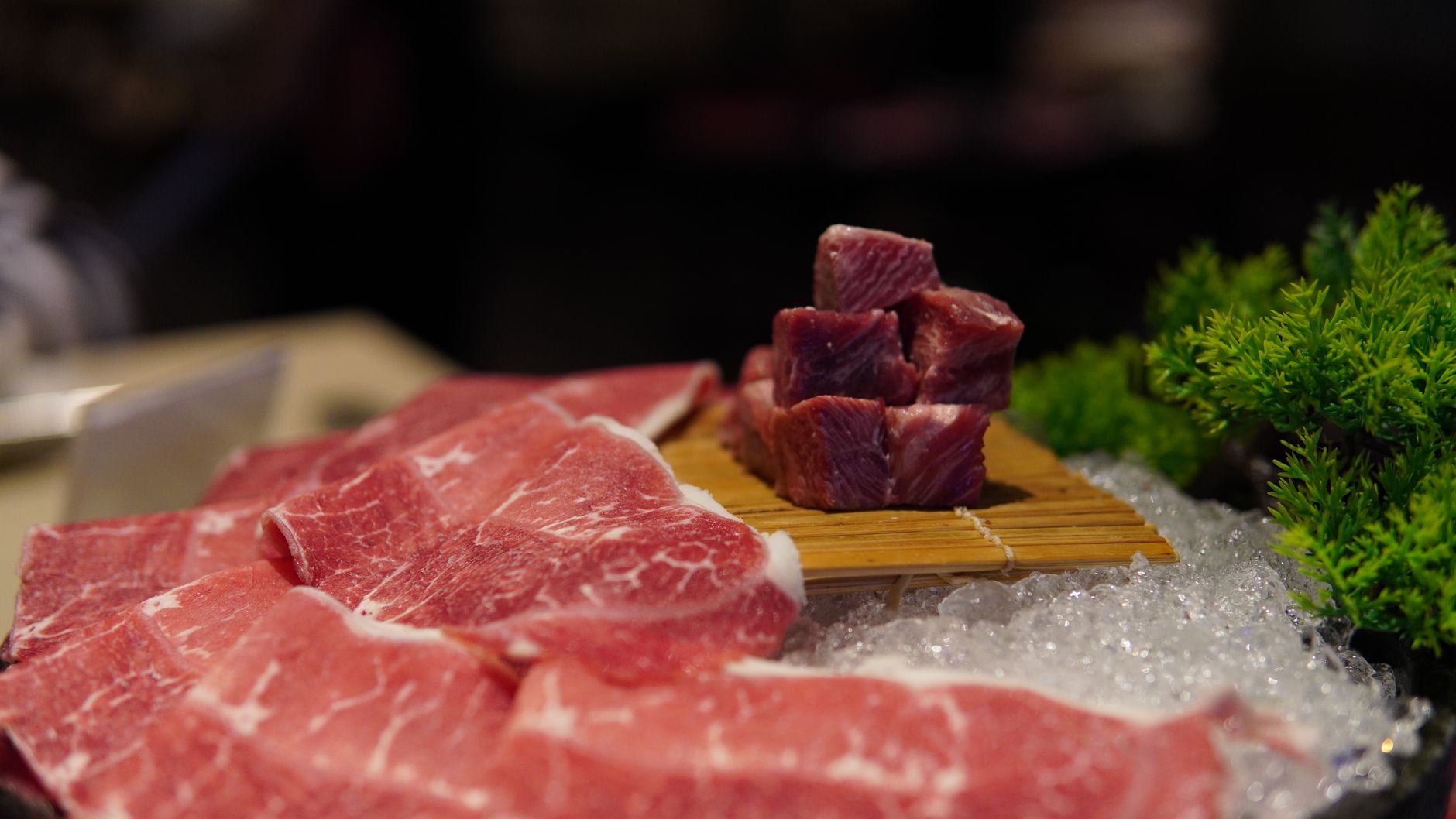
Translating the principles of high-protein nutrition into practical, daily meals requires a focus on balance, timing, and nutrient density. The goal is to support muscle protein synthesis, recovery, and sustained energy without neglecting other essential dietary components.
Core Components of a Balanced High-Protein Meal
A well-structured meal for intense training should integrate the following elements:
- Quality Protein Source: Aim for 30-40 grams of complete protein per main meal. Examples include lean poultry, fish, eggs, dairy (Greek yogurt, cottage cheese), tofu, tempeh, or legumes combined with grains.
- Complex Carbohydrates: Provide the glycogen necessary for high-intensity effort. Opt for whole grains (quinoa, brown rice, oats), starchy vegetables (sweet potato), or fruits.
- Fibrous Vegetables & Healthy Fats: Non-starchy vegetables add volume, fiber, and micronutrients. A moderate amount of healthy fats (avocado, nuts, seeds, olive oil) supports hormone function and satiety.
Sample Meal Framework & Recipe Concept
Consider this adaptable template: Herb-Marinated Grilled Chicken Bowl.
- Protein: 150g of chicken breast marinated in lemon, garlic, and herbs.
- Carbohydrates: 1 cup of cooked quinoa or farro.
- Vegetables & Fats: A large portion of roasted broccoli and bell peppers, topped with 1/4 avocado sliced.
- Sauce: A drizzle of tahini-lemon sauce or Greek yogurt-based herb dressing.
This meal provides approximately 40-45g of protein, complex carbohydrates, and a balanced micronutrient profile. For plant-based adaptations, replace chicken with extra-firm tofu or a lentil-walnut mixture.
Clinical Insight: While the anabolic response to protein is well-established, individual protein needs vary significantly based on body mass, training modality, age, and overall health. Spreading protein intake evenly across 3-4 meals appears more effective for muscle synthesis than skewing intake to one meal. Those with pre-existing kidney impairment should consult a physician or renal dietitian before significantly increasing protein intake, as it may alter renal workload.
Planning is critical for consistency. Batch-cooking proteins and grains, and pre-chopping vegetables, streamlines meal assembly. Remember that hydration and overall caloric intake must also align with your energy expenditure to support performance and recovery effectively.
5. Safety Considerations and When to Consult a Healthcare Professional
While a high-protein diet is a well-supported strategy for athletes and those engaged in intense training, it is not universally appropriate. A responsible approach requires understanding individual health contexts and potential risks. The evidence for increased protein needs in active populations is robust, but the long-term effects of very high intakes in specific health conditions are less clear.
Key Populations for Caution
Individuals with pre-existing medical conditions should exercise particular caution and consult a healthcare professional before significantly increasing dietary protein. Key groups include:
- Those with Chronic Kidney Disease (CKD): High protein intake increases glomerular filtration rate and may accelerate the decline of kidney function in individuals with established CKD. It is generally contraindicated.
- Individuals with Liver Disease: Impaired liver function can compromise the metabolism of protein and ammonia, necessitating protein restriction under medical supervision.
- People with a History of Kidney Stones: High intake of animal-based proteins can increase urinary calcium and uric acid excretion, potentially raising the risk of certain types of stones.
- Those with Gout: Purine-rich protein sources (e.g., organ meats, some seafood) may exacerbate hyperuricemia.
General Health Considerations
Even for healthy individuals, a singular focus on protein can lead to nutritional imbalances. Prioritizing protein at the expense of adequate carbohydrates can impair performance for high-intensity or endurance training. Furthermore, the source of protein matters; diets heavy in red and processed meats are associated with other long-term health risks.
Clinical Perspective: In practice, we assess protein recommendations within the full context of an individual's diet, health status, and fitness goals. A sudden, drastic increase in protein, especially from supplements, can cause gastrointestinal distress, dehydration, or interact with medications. We also screen for a history of disordered eating, as rigid dietary protocols can be triggering. The adage "more is better" does not apply universally to protein intake.
When to Seek Professional Guidance
Consulting a physician or a registered dietitian is strongly advised in the following scenarios:
- Before making major dietary changes if you have any chronic health condition (e.g., diabetes, cardiovascular disease, osteoporosis).
- If you are pregnant, breastfeeding, or planning a pregnancy.
- If you are taking multiple medications, to check for potential interactions (e.g., with levodopa or some osteoporosis drugs).
- If you experience persistent symptoms such as unexplained fatigue, changes in urination, or digestive issues after altering your diet.
- To determine a personalized, evidence-based protein target that aligns with your specific training regimen, body composition goals, and overall health.
Ultimately, fueling intense training safely is about precision and personalization, not merely maximization. Professional guidance ensures your nutritional strategy supports both your performance and your long-term well-being.
6. Questions & Expert Insights
How much protein do I really need for intense training, and is more always better?
For individuals engaging in intense, regular resistance or endurance training, protein needs are elevated to support muscle repair and synthesis. Evidence-based guidelines typically recommend a range of 1.6 to 2.2 grams of protein per kilogram of body weight per day for maximizing muscle adaptation. Consuming 20-40 grams of high-quality protein per meal, distributed across 3-4 meals, appears optimal for stimulating muscle protein synthesis. However, the principle of "more is better" has clear limits. Intakes consistently and significantly above 2.2 g/kg/day are not shown to provide further anabolic benefits for most athletes and place unnecessary metabolic load on the kidneys and liver. The body cannot store excess amino acids for later use; they are either oxidized for energy or converted to fat. Focus should be on consistent, adequate intake paired with sufficient total calories and carbohydrates for energy, rather than extreme overconsumption.
What are the potential risks or side effects of a high-protein diet focused on training?
While generally safe for healthy, active individuals, a high-protein dietary approach is not without potential side effects and is contraindicated for some. Common issues include digestive discomfort (bloating, constipation) if fiber and fluid intake are not concurrently increased, and dehydration risk due to the increased renal solute load requiring more water for excretion. More seriously, individuals with pre-existing kidney disease (even mild, undiagnosed impairment) should avoid high-protein diets without medical supervision, as they can accelerate decline in renal function. Those with liver disease or certain metabolic disorders (e.g., phenylketonuria) also require caution. There is also a theoretical risk of displacing other vital nutrients, like carbohydrates for fuel or micronutrients from fruits and vegetables, leading to an imbalanced diet.
When should I talk to a doctor or dietitian about my high-protein training nutrition plan?
Consult a healthcare professional before starting if you have any chronic health condition, especially kidney or liver disease, or are taking medications. You should also seek guidance if you experience persistent digestive issues, unexplained fatigue, or signs of dehydration. Schedule a visit with a sports dietitian or your physician if you're unsure about your specific protein needs, have a history of disordered eating, or are making major dietary changes that affect your social or psychological relationship with food. For the conversation, bring a 3-day food log, details of your training regimen (type, duration, intensity), and any relevant lab work (if available). Be prepared to discuss your goals, any symptoms, and your current supplement use to get personalized, safe advice.
Can plant-based athletes effectively meet high protein requirements for intense training?
Yes, but it requires more strategic planning. Plant-based proteins (except for soy and quinoa) are typically "incomplete," meaning they are lower in one or more essential amino acids, notably leucine, which is a key trigger for muscle protein synthesis. The evidence shows that by consuming a variety of plant protein sources throughout the day (e.g., combining legumes with grains or seeds), one can achieve a complete amino acid profile. Key strategies include: aiming for the higher end of the protein intake range (e.g., ~2.2 g/kg/day) to compensate for slightly lower digestibility; including leucine-rich options like soy, peas, and lentils; and potentially timing protein intake more deliberately around workouts. While whole foods are ideal, high-quality plant-based protein powders (pea, rice, hemp) can be practical tools to help meet targets, especially post-exercise.
7. In-site article recommendations
8. External article recommendations
9. External resources
The links below point to reputable medical and evidence-based resources that can be used for further reading. Always interpret them in the context of your own situation and your clinician’s advice.
-
drugs drugs.comhigh-protein diets – Drugs.com (search)
-
examine examine.comhigh-protein diets – Examine.com (search)
-
wikipedia wikipedia.orghigh-protein diets – Wikipedia (search)
These external resources are maintained by third-party organisations. Their content does not represent the editorial position of this site and is provided solely to support readers in accessing additional professional information.