
1. Introduction to Detox Protocols and Apple Cider Vinegar

The term "detox" in popular health culture often refers to dietary or lifestyle protocols aimed at supporting the body's natural elimination processes. Scientifically, the primary organs responsible for detoxification are the liver, kidneys, gastrointestinal tract, skin, and lungs. A responsible detox protocol, therefore, focuses on supporting the function of these systems through evidence-based nutrition, hydration, and lifestyle modifications, rather than promoting extreme cleanses or unsupported claims of "flushing" toxins.
Apple cider vinegar (ACV), a fermented liquid made from crushed apples, has been incorporated into many such protocols. Its proposed benefits are primarily attributed to its main bioactive component, acetic acid, along with trace amounts of other acids, polyphenols, and probiotics. The clinical interest in ACV generally centers on its potential metabolic and digestive effects.
Current evidence suggests several plausible, though not conclusively proven, mechanisms by which ACV might align with supportive detox practices:
- Blood Sugar Modulation: Several small, short-term human trials indicate that ACV can improve insulin sensitivity and lower postprandial blood glucose spikes. Stable blood sugar levels can reduce metabolic stress on the liver.
- Appetite and Satiety: Some research points to acetic acid increasing feelings of fullness, which may indirectly support dietary patterns focused on whole foods and caloric moderation.
- Antimicrobial Properties: In vitro studies show acetic acid has antimicrobial effects. This forms the basis for its traditional use in food preservation and the hypothesis that it may support a balanced gut microbiome, though direct human evidence for this is limited.
It is crucial to distinguish between these areas of preliminary research and established medical fact. There is no high-quality evidence that ACV directly binds to or eliminates specific environmental toxins or "cleanses" organs. Its role is best understood as a potential adjunct within a broader, balanced protocol focused on foundational health.
Clinical Perspective: From a medical standpoint, the most effective "detox" protocol is a sustained lifestyle that reduces toxic load (e.g., limiting alcohol, processed foods, and environmental exposures where possible) while optimizing organ function. ACV should not be viewed as a standalone solution but as one minor component that may offer modest supportive benefits for some individuals, primarily through its acetic acid content. Its strong acidity is also its primary risk factor.
Important Precautions: Due to its acidity, undiluted ACV can erode tooth enamel and irritate the esophagus. Individuals with gastroesophageal reflux disease (GERD), gastroparesis, peptic ulcers, or low potassium levels should exercise caution. Those with kidney disease or who are on medications such as diuretics, insulin, or diabetes drugs must consult a physician before use, as ACV can interact with these conditions and treatments.
2. Scientific Evidence and Proposed Mechanisms

The term "detox" is often used loosely in wellness circles, but from a physiological perspective, it refers to the body's intrinsic processes for neutralizing and eliminating waste products and toxins. The scientific inquiry into apple cider vinegar (ACV) focuses on its potential to support these endogenous systems, primarily through its acetic acid content and other bioactive compounds.
Key Proposed Mechanisms of Action
Research suggests several pathways by which ACV may influence metabolic and detoxification processes:
- Glycemic Modulation: Acetic acid may inhibit digestive enzymes that break down carbohydrates, potentially leading to a slower, more controlled rise in blood sugar after a meal. Stable blood glucose levels can reduce metabolic stress.
- Supporting Liver Function: Some animal studies indicate that acetic acid can influence lipid metabolism in the liver, potentially reducing fat accumulation. The liver is the primary organ for Phase I and II detoxification pathways.
- Antimicrobial Properties: The acetic acid in ACV has demonstrated antimicrobial effects against certain pathogens in laboratory settings, which may support gut health—a crucial component of overall immune function and toxin elimination.
Evaluating the Evidence
The evidence for ACV's benefits is promising but mixed and context-dependent.
Stronger Evidence: The most consistent data supports ACV's role in modestly improving postprandial (after-meal) insulin sensitivity and reducing blood sugar spikes in individuals with insulin resistance or type 2 diabetes. This is a well-documented metabolic effect.
Limited or Preliminary Evidence: Claims regarding direct liver detoxification, significant weight loss, or systemic cleansing in healthy individuals lack robust, large-scale human trials. Many popular claims are extrapolated from mechanistic studies or anecdotal reports.
Important Cautions: Individuals with gastroparesis (common in diabetes), gastroesophageal reflux disease (GERD), peptic ulcers, or low potassium levels should use caution due to ACV's acidity. It can also erode tooth enamel and interact with certain medications, including diuretics and insulin. Consulting a physician before beginning any new regimen is advised, particularly for those with chronic health conditions.
3. Risks, Side Effects, and Contraindications

While apple cider vinegar (ACV) is often promoted for its potential benefits, its use, particularly in concentrated or frequent doses, carries documented risks. A responsible detox protocol must prioritize safety by acknowledging these potential adverse effects and clear contraindications.
Common Adverse Effects and Direct Risks
The acidic nature of ACV is the primary source of its most frequent side effects. These are well-documented, though often mild and dose-dependent.
- Dental Erosion: Direct exposure can erode tooth enamel. Always dilute ACV in water and consider drinking through a straw, followed by rinsing the mouth with plain water.
- Gastrointestinal Distress: Heartburn, nausea, and throat irritation are common, especially in individuals with a predisposition to acid reflux or gastritis.
- Hypokalemia and Bone Health: There is limited but concerning case report evidence linking excessive, long-term ACV consumption to low potassium levels (hypokalemia) and potential bone mineral density loss. This risk is theoretical for moderate, diluted use but underscores the danger of high-dose protocols.
- Skin Burns: Undiluted topical application has caused chemical burns.
Important Contraindications and Drug Interactions
Certain individuals should avoid ACV or use it only under direct medical supervision.
- Gastrointestinal Conditions: Contraindicated in active ulcers, severe gastritis, or gastroesophageal reflux disease (GERD), as it can exacerbate symptoms.
- Kidney Disease: Impaired kidneys may not effectively handle excess acid or regulate potassium, increasing toxicity risk.
- Diabetes and Medication Interactions: ACV may lower blood sugar. For individuals on insulin or glucose-lowering medications (e.g., sulfonylureas), this can precipitate dangerous hypoglycemia. It may also interact with diuretics and digoxin.
- Pregnancy and Breastfeeding: Due to a lack of safety data, it is prudent to avoid therapeutic ACV doses during these periods.
The evidence for ACV's benefits is preliminary and mixed, while the mechanisms for its risks are physiologically clear. A safe approach involves using highly diluted amounts (e.g., 1-2 teaspoons in a large glass of water), consuming it with food to mitigate GI upset, and strictly avoiding it if you have the contraindications listed above. Anyone with a chronic health condition or taking regular medication should consult their physician before incorporating ACV into any regimen.
4. Practical Guidelines for Safe Use
To integrate apple cider vinegar (ACV) into a wellness routine with minimal risk, adherence to specific, evidence-informed protocols is essential. The following guidelines are designed to prioritize safety and mitigate potential adverse effects.
Dosage and Dilution
The most critical safety step is proper dilution. Undiluted ACV is highly acidic and can damage tooth enamel and the esophageal lining. A standard, conservative dose supported by most clinical research is:
- 1 to 2 tablespoons (15-30 mL) per day, maximum.
- Always dilute in a large glass of water (at least 8 ounces or 240 mL).
Consumption should be limited to once or twice daily, preferably before meals. There is no high-quality evidence supporting the safety or efficacy of larger doses for "detox" purposes.
Method of Consumption and Timing
To further protect dental health, use a straw to minimize contact with teeth and rinse your mouth with plain water afterward. Timing consumption 20-30 minutes before a meal may help modulate postprandial blood glucose response, which is one of the more consistently observed effects in short-term studies.
Important Contraindications and Precautions
Certain individuals should exercise extreme caution or avoid ACV consumption entirely:
- Individuals with gastroesophageal reflux disease (GERD) or peptic ulcers: ACV can exacerbate symptoms.
- Those with chronic kidney disease: The body's handling of acids may be impaired.
- People on medications such as diuretics (water pills), insulin, or diabetes drugs (e.g., metformin, sulfonylureas), as ACV may potentiate hypoglycemia or electrolyte imbalances.
- Individuals with dental erosion or sensitive teeth.
- Pregnant or breastfeeding women should consult their obstetrician due to a lack of safety data.
Before initiating any new supplement protocol, including ACV, a consultation with a physician or a registered dietitian is strongly recommended, particularly for individuals with pre-existing health conditions or those taking prescription medications. Discontinue use and seek medical advice if you experience throat pain, heartburn, or nausea.
5. When to Seek Medical Advice
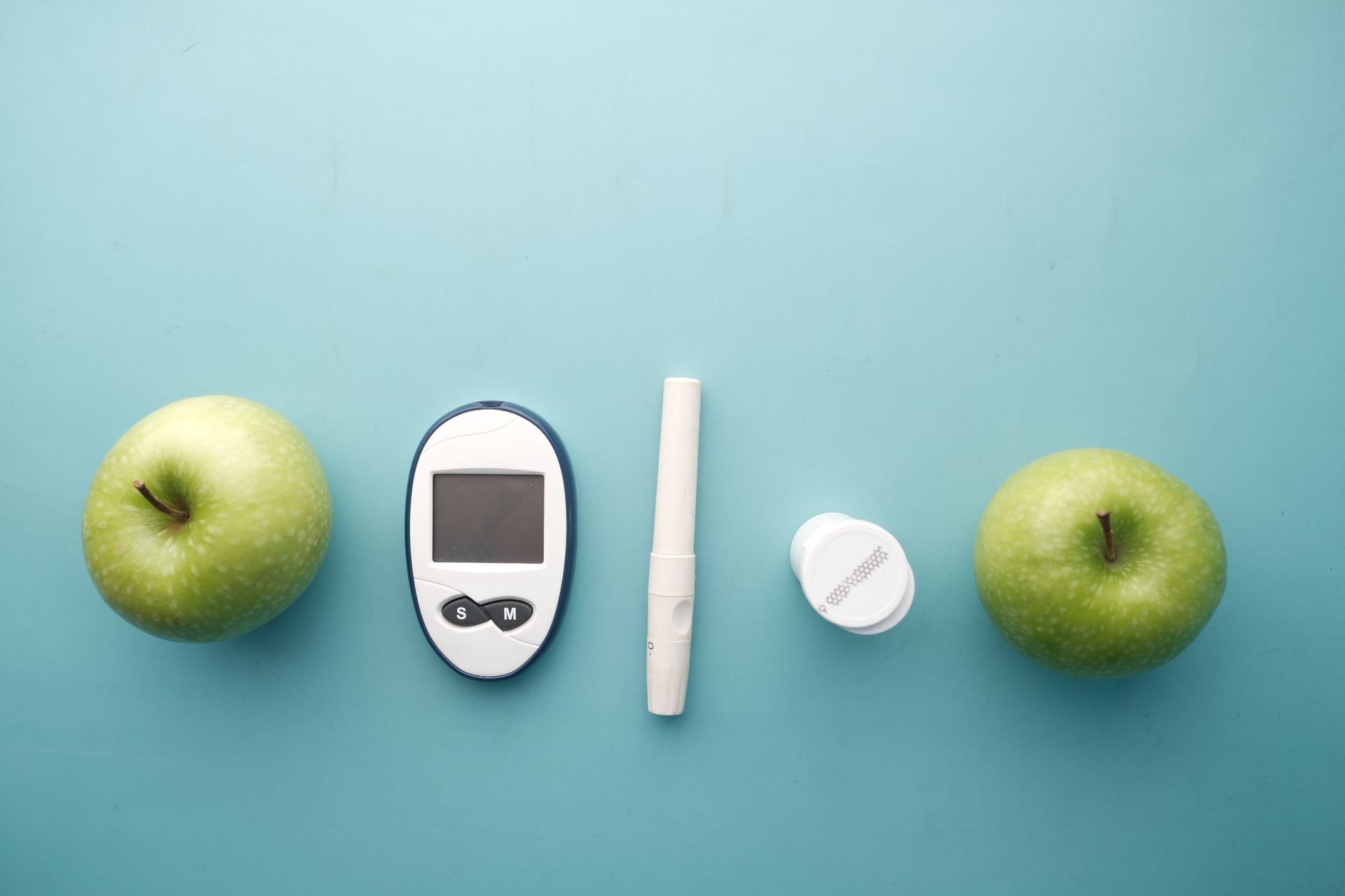
While incorporating apple cider vinegar (ACV) into a wellness routine is generally safe for most healthy adults in small, diluted amounts, its acidic nature and potential interactions necessitate a cautious, medically informed approach. Consulting a healthcare professional is a critical step for safety, particularly given the limited high-quality evidence supporting specific "detox" claims.
You should seek medical advice before starting an ACV protocol if you have any of the following pre-existing conditions or circumstances:
- Gastrointestinal Disorders: ACV can exacerbate symptoms of GERD, gastritis, peptic ulcers, or IBS. Its acidity may irritate the esophageal and stomach lining.
- Kidney Disease: Impaired kidney function can affect the body's ability to manage acid-base balance and potassium levels, which ACV may influence.
- Diabetes or Hypoglycemia: ACV may lower blood sugar and enhance the effect of insulin or diabetes medications, raising the risk of hypoglycemia. Medication adjustments may be required.
- Electrolyte Imbalances or Low Potassium (Hypokalemia): Long-term, high-volume consumption has been linked in case reports to potassium depletion.
- Dental Erosion Concerns: Direct exposure to acetic acid can damage tooth enamel. A dentist can provide guidance on mitigation strategies.
Furthermore, it is essential to consult a doctor or pharmacist if you are taking medications. ACV may interact with:
- Diuretics (water pills) and certain heart medications like digoxin, due to potential effects on potassium.
- Diabetes medications (insulin, sulfonylureas, etc.).
- Certain osteoporosis drugs (bisphosphonates), as the acid could increase stomach irritation.
Clinical Perspective: From a medical standpoint, the term "detox" is often misapplied. The body's liver and kidneys are highly efficient detoxification systems. The primary value of ACV in a wellness context appears to be its potential, modest effects on post-meal blood glucose regulation, not a systemic "cleansing." A healthcare provider can help you interpret the evidence and align any ACV use with your specific health goals and risks, ensuring it complements rather than conflicts with your overall care plan.
Discontinue use and seek prompt medical attention if you experience severe throat or stomach pain, difficulty swallowing, vomiting, or signs of an allergic reaction. Responsible use means recognizing that ACV is not a substitute for medical treatment and that professional guidance is the cornerstone of any safe health practice.
6. Questions & Expert Insights
Does apple cider vinegar (ACV) actually "detox" the body?
The term "detox" is often used loosely. From a clinical perspective, the liver and kidneys are the body's primary and highly efficient detoxification organs. There is no high-quality evidence that ACV removes specific toxins or "cleanses" these organs. However, some research suggests potential mechanisms that could support metabolic health, which is sometimes framed within detox protocols. For instance, a few small, short-term studies indicate ACV may modestly improve insulin sensitivity and lower post-meal blood glucose in individuals with insulin resistance. By supporting healthier blood sugar regulation, it may reduce metabolic stress. Therefore, while ACV is not a detoxifying agent per se, its potential role in a "detox" protocol is more accurately described as a supportive dietary adjunct for metabolic and digestive health, not a direct toxin eliminator.
What are the key risks and who should avoid using ACV?
Despite its popularity, ACV is not risk-free. Its high acidity is the primary concern. Undiluted consumption can erode tooth enamel, irritate the throat and esophagus, and potentially cause nausea. For individuals with gastroparesis (delayed stomach emptying), common in advanced diabetes, ACV may worsen symptoms. Crucially, ACV can interact with medications. It may potentiate the effect of diuretics (water pills) and insulin or diabetes drugs, leading to dangerously low potassium (hypokalemia) or blood sugar (hypoglycemia). It may also interfere with digoxin (a heart medication). Specific groups who should avoid ACV or use it only under direct medical supervision include: individuals with chronic kidney disease, peptic ulcers, GERD, those on the medications mentioned above, and anyone with a history of an eating disorder, as it can be misused for unhealthy weight control.
When should I talk to my doctor about using ACV, and what should I discuss?
You should consult your physician or a registered dietitian before starting regular ACV consumption if you have any chronic health condition (especially diabetes, heart, kidney, or digestive diseases) or are taking any prescription or over-the-counter medications. This is non-negotiable due to the interaction risks. Prepare for the conversation by bringing a clear list of all your medications and supplements. Be specific about your intent: state the dosage you're considering (e.g., "one tablespoon diluted in water daily"), the reason (e.g., "for potential blood sugar support"), and the duration. Ask direct questions: "Could this interact with my [specific medication]?" and "Are there specific side effects I should monitor for given my history of [your condition]?" This allows your provider to give personalized, safe guidance.
What does the evidence actually say about ACV for weight management, a common goal in detox plans?
The evidence for ACV and weight loss is preliminary and should not be overstated. A few small human trials have shown very modest reductions in body weight, BMI, and waist circumference over periods of 8-12 weeks. For example, one study reported an average loss of 2-4 pounds more than the placebo group. The proposed mechanisms include increased satiety (feeling full) and a possible slight reduction in fat storage. However, these studies are limited by small sample sizes, short duration, and lack of long-term follow-up. ACV is not a standalone solution for weight loss. Any observed effect is likely minor and must be contextualized within comprehensive lifestyle changes—namely a calorie-controlled diet and regular exercise. Relying on ACV alone for significant weight loss is not supported by robust evidence.
7. In-site article recommendations
8. External article recommendations
9. External resources
The links below point to reputable medical and evidence-based resources that can be used for further reading. Always interpret them in the context of your own situation and your clinician’s advice.
-
examine examine.comapple cider vinegar – Examine.com (search)
-
wikipedia wikipedia.orgapple cider vinegar – Wikipedia (search)
-
healthline healthline.comapple cider vinegar – Healthline (search)
These external resources are maintained by third-party organisations. Their content does not represent the editorial position of this site and is provided solely to support readers in accessing additional professional information.