
1. Introduction to Chia Seeds and Morning Nutrition
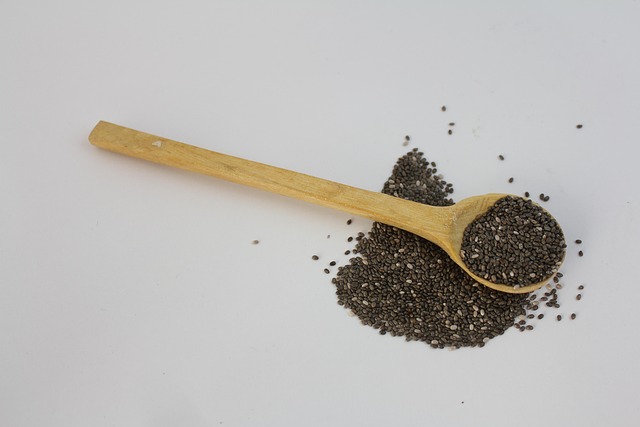
The first meal of the day sets a critical metabolic and nutritional tone. A breakfast rich in fiber, protein, and healthy fats can promote sustained energy, support satiety, and contribute to stable blood glucose levels. Incorporating functional foods that deliver these nutrients efficiently is a cornerstone of evidence-based morning nutrition.
Chia seeds (Salvia hispanica L.) have garnered significant attention in this context. From a nutritional standpoint, their profile is robust. A standard one-ounce (28-gram) serving provides approximately 10 grams of fiber, 5 grams of protein, and 9 grams of fat—predominantly the plant-based omega-3 alpha-linolenic acid (ALA). They are also a source of minerals like calcium, magnesium, and phosphorus.
The proposed mechanisms by which chia seeds may support morning routines are grounded in their physical and nutritional properties:
- Gel-Forming Fiber: When mixed with liquid, chia seeds form a hydrophilic gel. This soluble fiber can slow gastric emptying, which may contribute to a prolonged feeling of fullness and a more gradual release of glucose into the bloodstream.
- Protein and Fat Content: The combination of plant-based protein and fats can further enhance satiety signals, potentially reducing mid-morning cravings.
- Micronutrient Density: Contributing to daily intake of key minerals supports fundamental physiological processes, including nerve function and electrolyte balance.
It is important to distinguish between well-established nutritional facts and health outcome claims. The high fiber and nutrient content of chia seeds is well-documented. Evidence for direct benefits like significant weight loss or dramatic cardiovascular risk reduction from chia seeds alone is more limited and often derived from small, short-term studies or animal models. Their value is best understood as part of a consistent, overall balanced diet.
Clinical Consideration: While generally safe for most, individuals with swallowing difficulties, a history of esophageal strictures, or significant gastrointestinal disorders like Crohn's disease should use caution with dry chia seeds or ensure they are fully hydrated before consumption. Those on blood-thinning medications or with upcoming surgical procedures should discuss significant ALA intake with their physician due to its mild antiplatelet potential. Always introduce high-fiber foods gradually and with ample water to minimize digestive discomfort.
Integrating chia seeds into a morning routine offers a practical method to increase intake of several beneficial nutrients. The following sections will explore simple, evidence-informed recipes that leverage these properties to create satisfying and nutritious breakfast options.
2. Evidence-Based Mechanisms of Chia Seeds
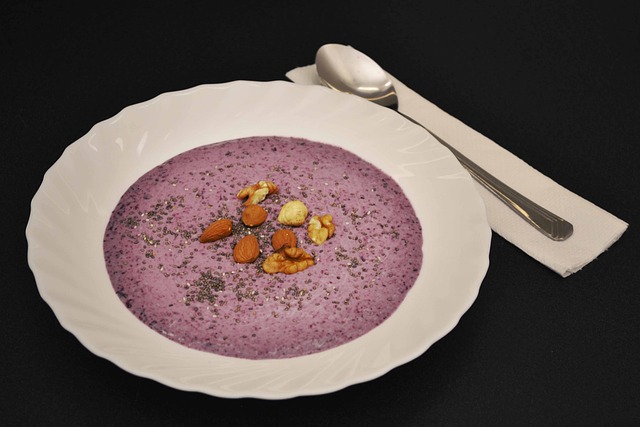
The purported health benefits of chia seeds are primarily attributed to their unique nutritional composition. The mechanisms by which they may influence health are grounded in their high content of soluble fiber, alpha-linolenic acid (ALA, an omega-3 fatty acid), and various micronutrients. Understanding these mechanisms helps separate well-supported effects from more speculative claims.
Strongly Supported Mechanisms
The most robust evidence surrounds the impact of chia's soluble fiber, primarily in the form of mucilage. When mixed with liquid, chia seeds form a gel-like substance. This mechanism has two primary, well-documented effects:
- Appetite and Glycemic Modulation: The gel physically slows gastric emptying and the enzymatic breakdown of carbohydrates in the gut. This can lead to a more gradual release of glucose into the bloodstream, which may help moderate post-meal blood sugar spikes and promote a feeling of satiety. This effect is supported by several human trials and is a key reason chia is often incorporated into morning routines.
- Promotion of Bowel Regularity: The soluble fiber absorbs water, adding bulk to stool and supporting regular bowel movements. The insoluble fiber content also contributes to this effect.
Areas with Preliminary or Mixed Evidence
Other proposed mechanisms have less conclusive human data:
- Cardiovascular Lipid Profiles: While some studies suggest chia seed consumption can lower triglycerides and increase HDL ("good") cholesterol, results are inconsistent. The proposed mechanism involves the ALA content, but conversion of ALA to the more potent EPA and DHA in the body is inefficient.
- Anti-inflammatory Effects: The ALA and antioxidant compounds (e.g., chlorogenic acid, caffeic acid) in chia seeds have demonstrated anti-inflammatory properties in laboratory and animal studies. Direct translation to significant systemic anti-inflammatory effects in humans requires more high-quality, long-term research.
- Blood Pressure Reduction: A few small studies have noted modest reductions in blood pressure, potentially linked to fiber, ALA, or arginine content. This is not yet considered a reliably established effect.
Clinical Perspective: From a dietary standpoint, chia seeds are best viewed as a nutrient-dense functional food with a clear mechanism for improving satiety and glycemic response. They are a simple tool for increasing fiber and healthy fat intake. However, they are not a standalone treatment for chronic conditions like diabetes or hypertension. Their benefits are realized as part of a balanced, whole-food diet.
Important Cautions: Individuals with swallowing difficulties, esophageal strictures, or significant gastrointestinal disorders like inflammatory bowel disease should use caution with dry or improperly soaked chia seeds, as they can expand and cause obstruction. Those on blood-thinning medication or with upcoming surgery should consult a doctor due to chia's potential (though mild) antiplatelet effect from ALA. Always consume chia seeds with ample fluid.
3. Risks and Populations to Avoid Chia Seeds

While chia seeds are a nutrient-dense food for many, their unique physical and chemical properties necessitate caution for specific populations. A balanced, evidence-based approach requires acknowledging these potential risks to ensure safe consumption.
Primary Risks: Gastrointestinal and Mechanical
The most common adverse effects are gastrointestinal, primarily due to the seeds' exceptional water-absorbing capacity. Consuming dry seeds without adequate hydration can lead to:
- Esophageal obstruction or impaction: A rare but serious risk, particularly for individuals with a history of swallowing difficulties or esophageal strictures. The seeds can rapidly form a gel-like bolus that may cause blockage.
- Abdominal discomfort, bloating, and gas: The high soluble fiber content (about 10 grams per ounce) can cause significant fermentation in the gut, leading to these symptoms, especially when intake is increased abruptly.
To mitigate these risks, it is strongly recommended to always consume chia seeds that have been pre-soaked in liquid for at least 10-15 minutes, allowing them to fully expand before ingestion.
Populations Requiring Caution or Avoidance
Certain individuals should consult a healthcare provider before incorporating chia seeds into their diet or may need to avoid them entirely.
- Individuals with Dysphagia or Esophageal Disorders: As mentioned, this group is at highest risk for obstruction and should generally avoid chia seeds. Those with Inflammatory Bowel Disease (IBD) or a History of Bowel Obstruction: During a flare-up of Crohn's disease or ulcerative colitis, or for those with strictures, the high fiber load can exacerbate symptoms or contribute to obstruction.
- People on Blood-Thinning Medications (Anticoagulants): Chia seeds are a source of alpha-linolenic acid (ALA), an omega-3 fatty acid with mild antiplatelet effects. While evidence for a clinically significant interaction in dietary amounts is limited, individuals on drugs like warfarin or aspirin should discuss consistent intake with their physician to avoid potential interference with medication efficacy.
- Individuals with Hypotension (Low Blood Pressure): Preliminary animal and in-vitro studies suggest chia may have a blood pressure-lowering effect. Those with already low blood pressure or on antihypertensive medications should monitor their levels and consult their doctor.
- People with Specific Food Allergies: Allergic reactions to chia seeds are documented, though uncommon. Those with known allergies to mustard seeds or sesame seeds may have a higher risk of cross-reactivity.
Clinical Perspective: The principle "start low and go slow" is paramount with chia seeds. For most, beginning with one teaspoon of pre-soaked seeds daily and gradually increasing allows the gastrointestinal microbiome to adapt. Always prioritize hydration. If you have a chronic medical condition or take regular medications, a brief discussion with your primary care physician or dietitian is a prudent step to integrate this food safely into your health regimen.
4. Practical Applications and Recipe Integration
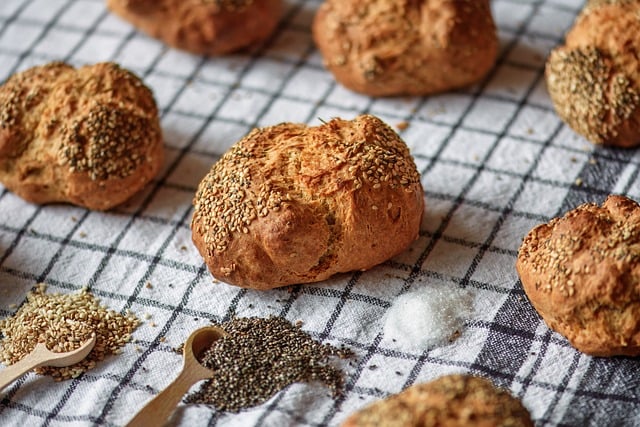
Integrating chia seeds into a morning routine leverages their high soluble fiber and protein content to promote satiety and stable energy release. The key is proper hydration; chia seeds absorb 10–12 times their weight in liquid, forming a gel that slows digestion. This property is the basis for most recipes and is supported by nutritional science for its effect on glycemic response and gut motility.
For a safe and effective start, begin with one tablespoon (approximately 12 grams) daily to assess tolerance, as a rapid increase in fiber can cause gastrointestinal discomfort like bloating or gas. Always allow seeds to soak for at least 15–20 minutes, or preferably overnight, to achieve the desired gel-like consistency and prevent potential choking hazard from dry seeds.
Evidence-Based Recipe Framework
The following simple preparations are grounded in the nutritional profile of chia seeds. Their benefits for satiety and blood sugar management are well-documented, while claims about specific disease prevention require more long-term human studies.
- Basic Overnight Pudding: Mix 3 tbsp chia seeds with 1 cup of milk or a fortified plant-based alternative. Add a modest amount of flavoring (e.g., 1 tsp vanilla extract, a dash of cinnamon). Refrigerate overnight. This provides a balanced mix of fiber, protein, and fat.
- Hydration Booster: Stir 1 tbsp of chia seeds into 10 oz of water, lemon water, or unsweetened herbal tea. Let sit for 10 minutes before drinking. This can aid in gradual hydration and fiber intake.
- Texture Enhancer for Yogurt & Oatmeal: Sprinkle 1-2 tsp of pre-soaked or ground chia seeds onto breakfast bowls. This adds thickness, fiber, and omega-3 fatty acids without altering flavor significantly.
- Simple Seed Jam: Mash 1 cup of berries and combine with 2 tbsp chia seeds. Let sit until thickened. This uses the gelling property as a natural pectin alternative, reducing added sugar needs.
- Easy Smoothie Thickener: Add 1 tbsp of chia seeds to any smoothie and blend thoroughly. For those with swallowing difficulties, ensure seeds are fully blended or pre-soaked to avoid texture issues.
Clinical Consideration: While these recipes are generally safe, individuals with a history of dysphagia, esophageal strictures, or significant gastrointestinal disorders like IBD should consult a gastroenterologist before consuming chia gels. Those on blood-thinning medications or with upcoming surgical procedures should discuss chia seed intake with their physician due to a theoretical, though not strongly evidenced, interaction with vitamin K and platelet aggregation. The high fiber content also necessitates adequate fluid intake to prevent constipation or bowel obstruction.
The practical application lies in consistency and moderation. Incorporating chia seeds via these methods can contribute to a nutrient-dense morning, but they are not a singular solution for health. Their role is best viewed as a supportive component within a balanced diet.
5. Safety Guidelines and When to Consult a Healthcare Provider

While chia seeds are generally safe for most people when consumed as part of a balanced diet, their unique properties necessitate specific safety considerations. A clinically responsible approach involves understanding potential interactions and contraindications.
Key Safety Considerations
The primary safety concern with chia seeds is their exceptional capacity to absorb water, expanding to 10–12 times their weight. Consuming dry seeds without sufficient liquid poses a risk of esophageal or intestinal obstruction, particularly in individuals with a history of swallowing difficulties or gastrointestinal strictures. Always consume chia seeds that have been pre-soaked for at least 10–15 minutes or thoroughly mixed into a wet food like yogurt or smoothies.
Other important guidelines include:
- Dosage: Start with a small serving (e.g., one tablespoon) to assess tolerance, as a sudden large increase in fiber can cause significant bloating, gas, or abdominal discomfort.
- Blood Thinners: Chia seeds are a source of alpha-linolenic acid (ALA) and vitamin K. While the effect is likely minimal with typical culinary use, individuals on anticoagulant medications like warfarin should maintain consistent intake and discuss any significant dietary changes with their physician to ensure stable INR levels.
- Blood Pressure and Blood Sugar: Preliminary studies suggest chia may have modest effects on lowering blood pressure and post-meal blood glucose. While often beneficial, individuals on medication for hypertension or diabetes should monitor their levels closely, as dosage adjustments may be needed under medical supervision.
When to Consult a Healthcare Provider
You should seek personalized advice from a doctor or registered dietitian before significantly increasing chia seed intake if you have:
- A known history of dysphagia, gastroesophageal reflux disease (GERD), or gastrointestinal obstructions.
- Diagnosed kidney disease, due to the notable phosphorus and potassium content.
- Prostate cancer or a high risk thereof, as the evidence regarding high ALA intake and prostate cancer risk remains mixed and inconclusive; discussing dietary fat sources with an oncologist or urologist is prudent.
- Upcoming elective surgery, due to the theoretical potential for increased bleeding risk.
- A history of food allergies, particularly to mustard seeds or other seeds, as cross-reactivity is possible.
In summary, chia seeds can be a nutritious addition but are not universally benign. Integrating them slowly and in their hydrated form is the safest approach, and specific medical conditions warrant a professional consultation to avoid adverse effects or medication interactions.
6. Questions & Expert Insights
Are chia seeds really a "superfood" for energy and weight management?
The term "superfood" is a marketing term, not a clinical one. However, chia seeds have a nutritional profile supported by evidence. Their high soluble fiber content (about 10 grams per ounce) forms a gel in the stomach, which can slow digestion and promote a feeling of fullness. This mechanism may support appetite regulation, but it is not a guaranteed weight-loss solution. For sustained energy, the combination of fiber, plant-based protein, and healthy fats provides a slow release of glucose into the bloodstream, which may help avoid mid-morning energy crashes compared to a high-sugar breakfast. The evidence for direct metabolic benefits in humans is promising but often comes from small or short-term studies. They are a nutrient-dense addition to a diet, not a singular transformative agent.
What are the potential side effects or risks of adding chia seeds to my daily routine?
The most common issue is gastrointestinal discomfort, including bloating, gas, or constipation, particularly when intake is increased rapidly. To mitigate this, start with a small amount (e.g., half a tablespoon daily) and ensure adequate water intake, as the seeds absorb 10-12 times their weight in liquid. There are specific groups who should exercise caution or avoid them. Individuals with a history of swallowing difficulties, esophageal strictures, or certain gastrointestinal disorders like Crohn's disease should avoid dry chia seeds, as they can expand and cause a blockage. Those on blood-thinning medications (e.g., warfarin) or with upcoming surgery should consult a doctor due to chia's vitamin K content, which can affect clotting. Always consume chia seeds that have been soaked or mixed into a liquid.
I have a chronic health condition. When should I talk to my doctor before making chia seeds a regular habit?
Consulting a physician or registered dietitian is strongly advised if you have kidney disease, are managing diabetes with medication, have diagnosed diverticulitis, or are on specific medications. For kidney disease, the notable phosphorus content may be a concern. For diabetes, while chia may help with blood sugar control, combining them with diabetes medication could potentially lead to hypoglycemia, requiring medication adjustment. Prepare for the conversation by bringing a list of your current medications and supplements, and be ready to discuss your typical daily diet. A specific question to ask is, "Given my condition and medications, is there a safe amount and preparation method for chia seeds, and should we monitor any specific lab values?"
How much chia seed is too much, and what does "balanced use" look like?
A typical serving size is one to two tablespoons (approximately 10-20 grams) per day. Consuming significantly more than this regularly can lead to excessive fiber intake, potentially interfering with the absorption of certain minerals like iron and zinc and exacerbating GI issues. "Balanced use" means treating chia seeds as a component of a meal, not the meal itself. For example, adding a tablespoon to oatmeal, yogurt, or a smoothie enhances the nutrient profile without displacing other essential food groups. It is also prudent to vary your sources of fiber and healthy fats throughout the week—flaxseeds, nuts, and avocados offer similar benefits with different micronutrient profiles. Diversity in your diet is a core principle of nutritional adequacy and safety.
7. In-site article recommendations
8. External article recommendations
9. External resources
The links below point to reputable medical and evidence-based resources that can be used for further reading. Always interpret them in the context of your own situation and your clinician’s advice.
-
wikipedia wikipedia.orgchia seeds – Wikipedia (search)
-
drugs drugs.comchia seeds – Drugs.com (search)
-
examine examine.comchia seeds – Examine.com (search)
These external resources are maintained by third-party organisations. Their content does not represent the editorial position of this site and is provided solely to support readers in accessing additional professional information.