
1. Introduction to Chia Seeds and Breakfast Energy
Chia seeds (Salvia hispanica L.) have gained significant attention as a functional food, particularly for their potential role in supporting sustained energy release when consumed in the morning. This interest is grounded in their unique nutritional composition, which differs markedly from many common, refined breakfast options. A clinically responsible examination of their benefits requires separating well-established nutritional facts from emerging research on their physiological effects.
The primary nutritional attributes of chia seeds that are relevant to energy metabolism are strongly supported by robust compositional analysis:
- High Dietary Fiber: With approximately 34-40 grams of fiber per 100 grams, chia seeds are an exceptional source. A significant portion is soluble fiber, which forms a gel-like substance in the gut, slowing gastric emptying and carbohydrate digestion.
- Quality Plant-Based Fat: They are rich in alpha-linolenic acid (ALA), an omega-3 fatty acid. While the conversion of ALA to the more active forms (EPA and DHA) in the body is limited, these fats contribute to satiety and nutrient absorption.
- Complete Protein: They contain all nine essential amino acids, providing a modest but complete protein source to support tissue repair and metabolic functions.
- Micronutrients: They are a good source of minerals like calcium, magnesium, and phosphorus, which are cofactors in cellular energy production.
The proposed mechanism for "lasting energy" centers on this macronutrient profile. The high fiber and fat content can modulate the postprandial glycemic response, potentially leading to a more gradual rise in blood sugar compared to a low-fiber, high-glycemic breakfast. This may help avoid the rapid energy spike and subsequent crash associated with refined carbohydrates. Evidence from small human trials suggests chia seeds can reduce post-meal blood sugar levels, but larger, long-term studies are needed to confirm their definitive impact on all-day energy stability in diverse populations.
Clinical Perspective: From a dietary standpoint, incorporating chia seeds is best viewed as a strategy to improve the nutritional quality of a meal, not as a singular solution. The concept of "lasting energy" is multifactorial, influenced by total diet, sleep, stress, and individual metabolism. For individuals with diabetes, the potential blood sugar-modulating effect is promising but requires careful self-monitoring, as chia seeds are not a substitute for prescribed medication. Their high fiber content also necessitates adequate fluid intake to prevent gastrointestinal discomfort.
Individuals with certain medical conditions should exercise caution. Those with a history of dysphagia, esophageal strictures, or significant gastrointestinal disorders should consult a physician, as the gel-forming property can pose a risk if not consumed properly. People on blood-thinning medications or with upcoming surgical procedures should discuss significant dietary changes with their doctor due to chia seeds' potential, albeit mild, antiplatelet effects from ALA.
2. Evidence and Mechanisms of Chia Seeds for Energy
The purported energy-sustaining effects of chia seeds are primarily attributed to their unique macronutrient and fiber profile. The mechanisms are plausible and supported by nutritional biochemistry, though direct clinical evidence from large, long-term human trials is still emerging.
Proposed Mechanisms for Sustained Energy Release
Chia seeds may promote stable energy levels through several interconnected pathways:
- High Soluble Fiber Content: The soluble fiber in chia seeds, primarily mucilage, forms a gel-like matrix when hydrated. This gel slows the digestion and absorption of carbohydrates in the gut, leading to a more gradual release of glucose into the bloodstream and helping to prevent sharp post-meal spikes and subsequent crashes in blood sugar.
- Protein and Fat Composition: With a macronutrient profile of about 14% protein and 31% fat (predominantly alpha-linolenic acid, an omega-3), chia seeds contribute to increased satiety. Protein and fat digest more slowly than simple carbohydrates, which can extend the feeling of fullness and provide a steadier source of metabolic fuel.
- Hydration Support: The seeds' ability to absorb up to 10–12 times their weight in water may aid in maintaining hydration status during the day. Even mild dehydration is a well-documented contributor to feelings of fatigue and reduced cognitive performance.
Review of the Clinical Evidence
The evidence supporting these mechanisms is mixed and context-dependent.
Stronger Evidence: Studies consistently show that consuming chia seeds can blunt the postprandial glycemic response when eaten with a carbohydrate-rich meal. This effect is well-documented and forms a solid foundation for the claim of more stable energy.
Limited or Preliminary Evidence: Direct measurements of sustained energy, reduced fatigue, or enhanced athletic endurance over hours are less robust. Some small studies and anecdotal reports suggest benefits, but these findings are not yet consistently replicated in large, diverse populations. The satiety effect is supported by several trials, though individual responses can vary significantly.
Clinical Perspective: From a nutritional standpoint, chia seeds function as a low-glycemic, high-fiber food. Their value for "energy" is best understood as part of a balanced meal that mitigates rapid blood sugar fluctuations—a common culprit in mid-morning energy slumps. They are not a stimulant and should not be expected to provide an immediate energy "boost."
Who Should Exercise Caution: Individuals with swallowing difficulties, esophageal strictures, or significant gastrointestinal disorders like Crohn's disease should consult a doctor, as the gel-forming property may pose a risk. Those on blood-thinning medications or with upcoming surgical procedures should discuss high omega-3 intake with their physician due to potential additive effects. Always introduce high-fiber foods gradually with ample water to minimize digestive discomfort.
3. Risks and Populations to Avoid Chia Seeds
While chia seeds are a nutrient-dense food for many, their unique properties necessitate caution for specific individuals. A clinically responsible approach requires understanding potential adverse effects and contraindications.
Primary Risks and Adverse Effects
The most common issues are gastrointestinal and related to improper preparation:
- Gastrointestinal Distress: The high soluble fiber content (about 10 grams per ounce) can cause bloating, gas, and abdominal discomfort, especially with a sudden, large increase in intake. This is well-supported by evidence on fiber's effects.
- Choking Hazard: Dry chia seeds absorb liquid rapidly. Ingesting them dry, followed by a drink, carries a risk of esophageal obstruction. There are documented case reports of this requiring medical intervention. They must always be soaked or mixed into a wet food (like yogurt or oatmeal) before consumption.
- Drug-Nutrient Interactions: Due to their high fiber content, chia seeds may slow the absorption of oral medications. The evidence for clinically significant interactions is limited but biologically plausible.
Clinical Insight: The fiber-mediated effect on drug absorption is a standard pharmacokinetic consideration. To mitigate risk, we advise patients to take medications at least 1-2 hours apart from consuming a high-fiber meal containing chia seeds. This is a precautionary measure, particularly for drugs with a narrow therapeutic index, such as certain anticoagulants, anti-seizure medications, or thyroid hormones.
Populations Requiring Caution or Avoidance
Certain groups should consult a healthcare provider before incorporating chia seeds into their diet.
- Individuals with Dysphagia or Esophageal Strictures: This population should avoid chia seeds entirely due to the significant aspiration and obstruction risk, even when soaked.
- Those with Inflammatory Bowel Disease (IBD) or a History of Bowel Obstruction: During active flares of Crohn's disease or ulcerative colitis, or with a history of strictures, high-fiber foods like chia seeds may exacerbate symptoms and are generally contraindicated.
- People on Blood-Thinning Medications: Chia seeds contain a moderate amount of vitamin K and alpha-linolenic acid (ALA), which may have mild antiplatelet effects. While strong evidence for dangerous interaction is lacking, consistency in vitamin K intake is key for patients on warfarin. They should discuss chia seed consumption with their physician or anticoagulation clinic.
- Individuals with Hypotension: Preliminary studies and anecdotal reports suggest chia seeds may have a blood pressure-lowering effect. Those with already low blood pressure or on antihypertensive medications should monitor their levels and consult their doctor.
- People with Seed Allergies: Although rare, allergic reactions to chia seeds have been documented. Those with known allergies to mustard seeds or sesame seeds may be at higher risk due to potential cross-reactivity.
The takeaway is that chia seeds are not universally appropriate. Introducing them slowly, ensuring proper preparation, and seeking personalized medical advice if you have underlying health conditions or take medications are essential steps for safe consumption.
4. Practical Takeaways for Breakfast Incorporation
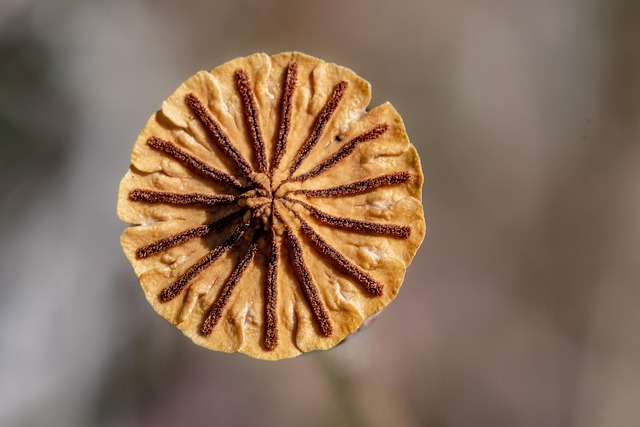
Incorporating chia seeds into your morning meal can be a simple and effective way to enhance the nutritional profile of your breakfast. The key is to use them in a way that maximizes their benefits while ensuring a pleasant texture and taste. Due to their high soluble fiber content, chia seeds absorb many times their weight in liquid, forming a gel-like consistency. This property is central to most preparation methods.
One of the most reliable approaches is to prepare chia pudding the night before. Combine 2-3 tablespoons of chia seeds with approximately ¾ to 1 cup of a liquid such as milk, a milk alternative, or yogurt. Stir well, let it sit for a few minutes, stir again to prevent clumping, then cover and refrigerate overnight. In the morning, you will have a ready-to-eat pudding that can be topped with fruits, nuts, or a small amount of natural sweetener.
For quicker integration, consider these options:
- As a Thickening Agent: Stir a tablespoon of dry or pre-soaked chia seeds into oatmeal, yogurt, or smoothies. They add texture, fiber, and protein without a strong flavor.
- As an Egg Substitute: For vegan baking or pancake mixes, mix 1 tablespoon of ground chia seeds with 2.5 tablespoons of water and let it sit for 5 minutes to form a "chia egg." This is supported by culinary science, though its health impact compared to an egg is different, not superior.
- Sprinkled on Top: A light sprinkle of dry chia seeds on avocado toast, peanut butter on whole-grain bread, or a breakfast bowl can add a nutrient-dense crunch.
Clinical Consideration: While chia seeds are generally safe for most people, their high fiber content requires a gradual introduction to avoid gastrointestinal discomfort like bloating or gas. It is crucial to consume them with ample fluids. Individuals with a history of swallowing difficulties, esophageal strictures, or certain gastrointestinal disorders like inflammatory bowel disease during a flare should use caution with dry seeds and may prefer them fully gelled. Those on blood-thinning medications like warfarin should consult their physician, as chia seeds are a source of vitamin K, which can affect coagulation.
The evidence for chia seeds contributing to satiety and steady energy release is reasonably strong, primarily attributed to their fiber, protein, and healthy fat content. However, claims about specific "detoxifying" or "metabolism-boosting" effects are not well-substantiated by high-quality human trials. The most practical takeaway is to view chia seeds as a nutrient-dense component of a balanced breakfast, not a singular solution. Starting with a modest serving (e.g., one tablespoon) allows you to assess tolerance and integrate them sustainably into your routine.
5. Safety Considerations and When to Consult a Doctor

While chia seeds are generally recognized as safe for most people when consumed in typical food amounts, integrating them into your daily routine requires awareness of specific safety considerations and potential interactions. A responsible approach is essential to maximize benefits and minimize risks.
Key Safety Considerations
The primary safety concerns relate to their high fiber content and potential for gastrointestinal effects, drug interactions, and allergic reactions.
- Gastrointestinal Distress: A sudden, significant increase in fiber intake can cause bloating, gas, or abdominal discomfort. It is crucial to start with a small serving (e.g., one teaspoon) and increase gradually while ensuring adequate fluid intake. Chia seeds absorb 10–12 times their weight in water; consuming them dry or without sufficient liquid poses a risk of esophageal blockage.
- Blood Thinning and Blood Pressure: Chia seeds contain omega-3 fatty acids (ALA), which may have mild antiplatelet effects. The evidence for a clinically significant blood-thinning effect in typical dietary amounts is limited, but individuals on anticoagulant (e.g., warfarin) or antiplatelet medications should discuss consistent chia seed consumption with their doctor to monitor for potential interactions.
- Allergies: Although rare, allergic reactions to chia seeds are possible, particularly in individuals with allergies to other seeds (e.g., sesame, mustard).
Clinical Insight: In practice, the most common issues I see are related to rapid fiber introduction and inadequate hydration. For patients with a history of dysphagia or gastrointestinal strictures, dry chia seeds are contraindicated. The theoretical interaction with blood pressure medications is based on their high potassium content; while generally beneficial, this requires monitoring in patients with kidney disease or on specific drugs like ACE inhibitors.
When to Consult a Healthcare Professional
You should seek personalized medical advice before making chia seeds a dietary staple if you have:
- Diagnosed Kidney Disease: Due to high phosphorus and potassium content, which impaired kidneys may not be able to excrete properly.
- Active Diverticulitis or Inflammatory Bowel Disease (IBD): During flare-ups, high-fiber foods like chia seeds may exacerbate symptoms.
- Planned Surgery: Consider pausing consumption 1–2 weeks prior to elective surgery due to the theoretical effect on bleeding risk.
- Prostate Cancer (History or Active): Some preliminary in vitro studies suggest ALA may affect cancer cell growth, but human data is mixed and inconclusive. Discuss with an oncologist or dietitian.
- Difficulty Swallowing or Gastrointestinal Motility Disorders.
For the general population, chia seeds are a safe and nutritious addition when introduced sensibly. The strongest evidence supports their role as a source of fiber and healthy fats; claims about "detoxification" or disease cure are not substantiated. Always prioritize a balanced diet and consult a physician or registered dietitian for guidance tailored to your specific health profile and medications.
6. Questions & Expert Insights
Are chia seeds truly a "superfood" for sustained energy, or is this just hype?
The term "superfood" is a marketing term, not a clinical one. However, the nutritional profile of chia seeds provides a plausible mechanism for supporting steady energy. Their high soluble fiber content (about 10 grams per ounce) forms a gel that slows carbohydrate digestion, which can help prevent rapid spikes and crashes in blood sugar. Furthermore, they contain a balanced ratio of protein, healthy fats (primarily alpha-linolenic acid, an omega-3), and minerals like magnesium involved in energy metabolism. While promising, direct evidence from human trials showing chia seeds uniquely "revolutionize" energy levels is limited. Most studies focus on their impact on cardiovascular risk factors like blood lipids. The energy benefit is likely indirect, stemming from improved satiety and blood sugar regulation when incorporated into a balanced meal, rather than a direct stimulant effect.
What are the potential side effects or risks of adding chia seeds to my daily routine?
The most common issues are gastrointestinal, particularly if intake is increased abruptly. The high fiber content can cause bloating, gas, or constipation if adequate water is not consumed. It is crucial to always soak chia seeds before eating or ensure they are mixed into a very wet food (like overnight oats or yogurt) and to drink plenty of fluids. There are specific groups who should exercise caution or avoid them. Individuals with a history of esophageal strictures, swallowing difficulties, or inflammatory bowel disease during a flare-up should consult a doctor, as the gel-forming property could pose a risk. Those on blood-thinning medications like warfarin should be aware of chia's vitamin K content and discuss consistent intake with their physician to maintain stable dosing. Starting with a small amount (e.g., one teaspoon) and gradually increasing allows your digestive system to adapt.
Who should talk to a doctor before making chia seeds a breakfast staple?
Several individuals should seek professional advice first. This includes:
- People with kidney disease: Chia seeds are high in phosphorus, which can accumulate in advanced kidney disease.
- Those with diagnosed diverticulitis: While seeds are no longer universally restricted, guidance should be individualized during active inflammation.
- Individuals on medications for diabetes or high blood pressure: As chia may modestly affect blood sugar and pressure, monitoring is advised to adjust medication if needed.
- People with seed allergies, though rare.
Is there an optimal amount to eat, and can you have too much?
Moderation is key. Most research studies use doses of 25-50 grams (about 2-3 tablespoons) per day. For general health, 1-2 tablespoons daily is a common and reasonable recommendation integrated into meals. While nutrient-dense, excessive consumption can lead to problems. Aside from the gastrointestinal distress mentioned, very high intakes could theoretically contribute to excessive calorie intake or, due to the high alpha-linolenic acid content, affect blood thinning in sensitive individuals. There is also a potential for nutrient interactions; the phytic acid in chia can slightly reduce the absorption of minerals like iron and zinc from the same meal, though this is less of a concern in a varied diet. They are a supplement to a healthy diet, not a substitute for a diversity of whole foods.
7. In-site article recommendations
8. External article recommendations
9. External resources
The links below point to reputable medical and evidence-based resources that can be used for further reading. Always interpret them in the context of your own situation and your clinician’s advice.
-
examine examine.comchia seeds – Examine.com (search)
-
mayoclinic mayoclinic.orgchia seeds – Mayo Clinic (search)
-
wikipedia wikipedia.orgchia seeds – Wikipedia (search)
These external resources are maintained by third-party organisations. Their content does not represent the editorial position of this site and is provided solely to support readers in accessing additional professional information.