
1. Introduction to GLP-1 Medications and Hunger Hormones in 2026

Glucagon-like peptide-1 (GLP-1) receptor agonists have evolved from a diabetes management tool to a cornerstone of metabolic therapy. By 2026, the scientific understanding of how these medications influence the body's complex hunger and satiety signaling systems has deepened significantly. This chapter provides a foundational overview of GLP-1 medications and their interaction with key hunger hormones, setting the stage for a detailed exploration of the latest clinical findings.
GLP-1 is an incretin hormone naturally produced in the gut in response to food intake. Its primary physiological roles include:
- Stimulating insulin secretion from the pancreas in a glucose-dependent manner.
- Suppressing the release of glucagon, a hormone that raises blood sugar.
- Slowing gastric emptying, which contributes to a feeling of fullness.
Pharmaceutical GLP-1 receptor agonists (e.g., semaglutide, tirzepatide) mimic and amplify these actions. Their profound effects on weight management are not solely due to slowed digestion. A robust body of evidence confirms they directly modulate appetite centers in the brain, particularly the hypothalamus. This central action alters the secretion and perception of key hunger hormones.
Expert Insight: Clinicians now view GLP-1 medications as neuromodulators. Their efficacy stems from a dual peripheral and central mechanism. While the evidence for their impact on gastric emptying and insulin is very strong, research into the precise neural pathways and long-term hormonal adaptations is still evolving. This is a key area of active investigation in 2026.
The hormonal landscape of appetite involves a delicate balance between orexigenic (hunger-stimulating) and anorexigenic (satiety-promoting) signals. GLP-1 agonists tip this balance. They are known to:
- Suppress ghrelin: Often called the "hunger hormone," ghrelin levels typically rise before meals. GLP-1 therapy helps blunt this rise, reducing the spontaneous urge to eat.
- Potentiate peptide YY (PYY) and cholecystokinin (CCK): These are satiety hormones released from the gut. Evidence suggests GLP-1 agonists enhance their effect, promoting a longer-lasting feeling of fullness after meals.
It is crucial to understand that individual responses can vary based on genetics, baseline metabolism, and concomitant health conditions. Furthermore, while the hormonal effects are well-documented in clinical trials, the long-term sustainability of these adaptations after medication cessation requires more study.
Who should exercise caution? Individuals with a personal or family history of medullary thyroid carcinoma or Multiple Endocrine Neoplasia syndrome type 2 (MEN 2) should not use GLP-1 agonists. Those with a history of pancreatitis, severe gastrointestinal disease, or who are pregnant or planning pregnancy must consult extensively with their physician. This introduction underscores that these are potent prescription therapies, not lifestyle supplements, and their use must be medically supervised.
2. Mechanisms of Action: Evidence from 2026 Studies on Appetite Regulation
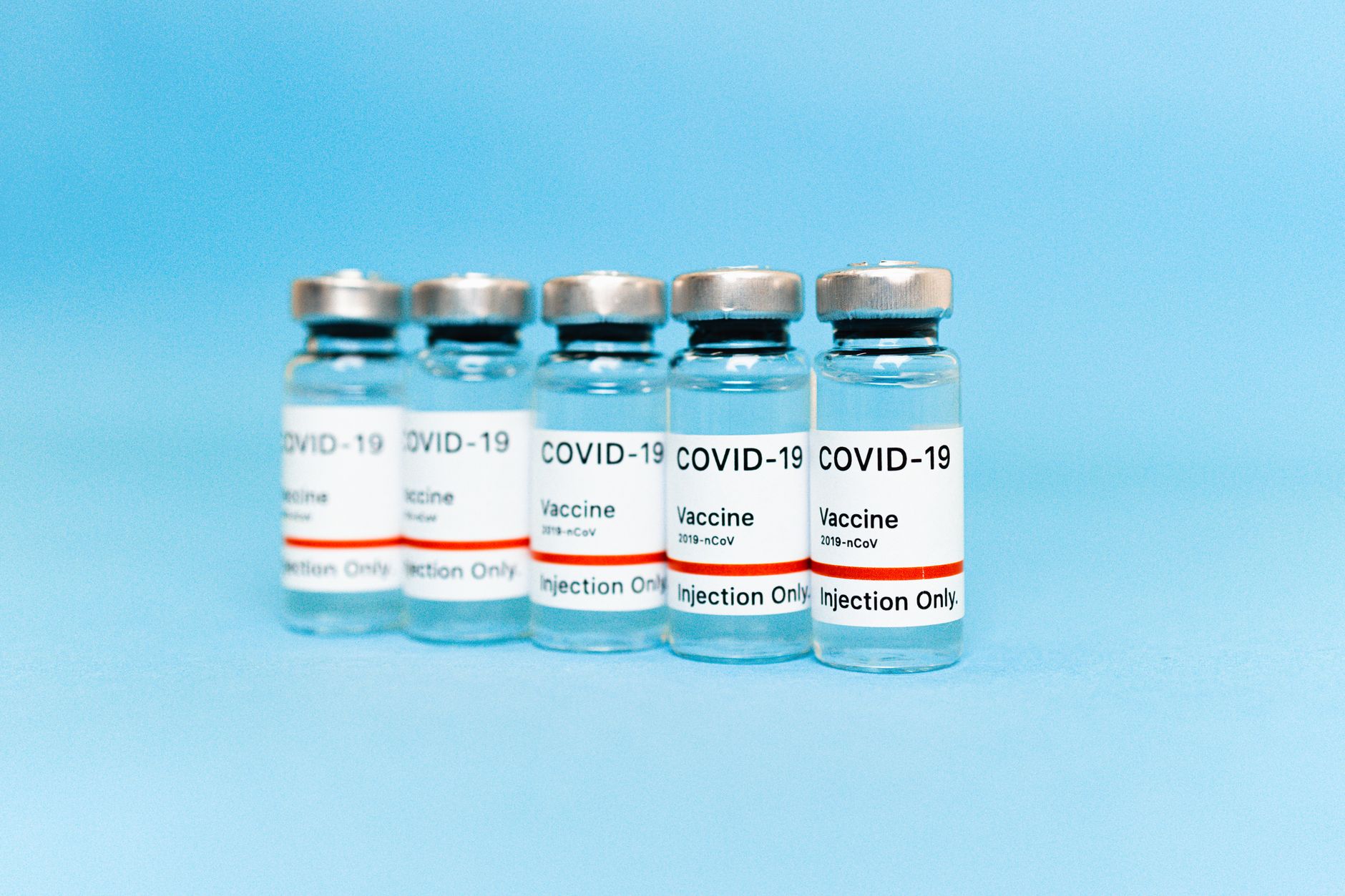
Recent research continues to refine our understanding of how GLP-1 receptor agonists (GLP-1 RAs) modulate appetite, moving beyond the initial concept of delayed gastric emptying. The 2026 evidence base strongly supports a multi-system mechanism, primarily mediated through direct action on the central nervous system.
The most robust findings confirm that GLP-1 RAs cross the blood-brain barrier and bind to receptors in key hypothalamic and hindbrain nuclei. This activation:
- Enhances satiety signaling: It amplifies the neural response to nutrients, leading to earlier meal termination and prolonged feelings of fullness.
- Reduces hedonic drive: By acting on mesolimbic pathways, these medications decrease the rewarding value and "craving" for highly palatable, energy-dense foods.
Newer 2026 data provides more nuanced insight into peripheral effects. While delayed gastric emptying contributes to early satiety, its role appears to be transient and subject to tachyphylaxis over weeks. The sustained weight management effect is now attributed predominantly to central nervous system modulation.
Clinical Insight: The shift in understanding from a "gut-centric" to a "brain-centric" model explains why these medications are effective for weight management even in individuals without significant gastrointestinal side effects. It also underscores that their action is pharmacological, not merely mechanical.
Emerging but still preliminary 2026 studies suggest these drugs may also influence other gut-derived hormones like peptide YY (PYY) and ghrelin, creating a more favorable anorexigenic hormonal milieu. However, this evidence is derived from smaller human trials and requires larger-scale confirmation. The long-term neural adaptations and potential for neuroplastic changes in appetite circuits are active areas of investigation.
It is crucial to note that individual responses can vary based on genetics, baseline neuroendocrine profile, and concomitant conditions. Individuals with a history of pancreatitis, medullary thyroid carcinoma, or Multiple Endocrine Neoplasia syndrome type 2 should avoid this drug class. Those with a history of severe gastrointestinal disease or major depressive disorder should proceed with caution and under close medical supervision, as the central effects may influence mood and gastrointestinal motility.
Consulting an endocrinologist or obesity medicine specialist is essential to determine if this mechanism of action aligns with an individual's specific health profile and treatment goals.
3. Risks, Contraindications, and Populations to Avoid
While GLP-1 receptor agonists (GLP-1 RAs) are powerful tools for managing weight and glycemia, their potent hormonal effects necessitate a clear understanding of associated risks and contraindications. A thorough pre-treatment evaluation is essential to ensure patient safety.
Established Contraindications and Major Risks
Certain conditions are absolute contraindications due to strong evidence of significant risk:
- Personal or Family History of Medullary Thyroid Carcinoma (MTC): GLP-1 RAs are contraindicated in patients with this history, based on rodent studies showing an increased risk of thyroid C-cell tumors. While a causal link in humans remains unproven, this precaution is non-negotiable.
- Multiple Endocrine Neoplasia syndrome type 2 (MEN 2): This genetic syndrome carries a high risk for MTC, making GLP-1 RA use contraindicated.
- History of Severe Gastroparesis: Given that these medications slow gastric emptying, they can significantly worsen this condition.
- Severe Gastrointestinal Disease: Patients with a history of severe gastroparesis, inflammatory bowel disease, or diabetic gastroparesis may experience exacerbated symptoms.
- Pancreatitis: A history of pancreatitis is a relative contraindication, requiring extreme caution. Patients should be counseled on symptoms of acute pancreatitis.
Populations Requiring Cautious Evaluation
For other groups, the risk-benefit analysis must be individualized, often requiring specialist consultation:
- Patients with a History of Diabetic Retinopathy: Rapid improvement in glycemic control has been associated with transient worsening of retinopathy. Patients require baseline and ongoing ophthalmologic evaluation.
- Individuals with Renal Impairment: Dose adjustments or avoidance may be necessary, particularly for agents like semaglutide and liraglutide in severe renal impairment, due to the risk of dehydration from GI side effects.
- Older Adults and the Frail: This population is at higher risk for dehydration, electrolyte imbalances, and excessive muscle loss from the significant weight loss induced by these agents.
- Those with a History of Eating Disorders: The potent appetite-suppressing effects can potentially trigger or exacerbate disordered eating patterns.
- Pregnancy and Breastfeeding: Data are limited. Use is generally not recommended unless the potential benefit clearly outweighs the potential risk to the fetus or infant.
Clinical Insight: The most common adverse effects—nausea, vomiting, diarrhea, and constipation—are gastrointestinal and often dose-dependent. A slow, gradual titration schedule is the cornerstone of tolerability management. Clinicians must also vigilantly monitor for rare but serious risks, including gallbladder disease and acute kidney injury secondary to volume depletion. A shared decision-making process that transparently discusses these risks is a critical component of responsible prescribing.
In summary, the therapeutic application of GLP-1 RAs must be guided by a comprehensive assessment of the individual's medical history and risk profile. Consultation with an endocrinologist, primary care physician, or other relevant specialist is strongly advised before initiating therapy.
4. Practical Takeaways for Patients and Clinicians

The evolving understanding of GLP-1 medications' effects on hunger hormones provides actionable insights for clinical practice and patient self-management. The core mechanism—directly stimulating GLP-1 receptors in the brain to reduce appetite and enhance satiety—is strongly supported by evidence. However, individual responses can vary significantly.
For Patients
Understanding the hormonal basis of these medications can help manage expectations and adherence.
- Focus on Satiety Cues: The medication works by making you feel full sooner and for longer. Pay attention to these natural cues rather than eating out of habit or schedule.
- Prioritize Protein and Fiber: These nutrients work synergistically with the medication's hormonal effects to promote fullness. A balanced diet supports sustainable weight management.
- Manage Side Effects Proactively: Nausea, often worst at initiation, is linked to the drug's action on brainstem areas. Taking medication with a small meal, staying hydrated, and titrating the dose slowly as prescribed can mitigate this.
- Long-Term Perspective is Key: These are chronic therapies for chronic conditions. Discontinuation typically leads to a rebound in hunger hormones and weight regain, underscoring the need for a sustained treatment plan.
Clinical Insight: Patient education should frame GLP-1s as tools that create a neurohormonal environment conducive to healthier choices, not as substitutes for them. Success is greatest when medication is combined with structured lifestyle intervention.
For Clinicians
2026 findings reinforce the importance of a nuanced, patient-centered approach to prescribing and monitoring.
- Individualize Therapy: Response heterogeneity may relate to genetic differences in receptor expression or gut microbiome composition. Be prepared to adjust the dose or agent if the initial response is suboptimal.
- Monitor Beyond Weight: Assess cardiometabolic benefits (e.g., blood pressure, HbA1c, lipids) and patient-reported outcomes like reduced food preoccupation, which can significantly impact quality of life.
- Counsel on Duration and Discontinuation: Clearly discuss the chronic nature of therapy. Develop a plan for potential pauses or cessation, which may involve intensifying behavioral support to manage hormonal rebound.
- Identify Candidates for Caution: While generally safe, a more conservative approach is warranted for patients with a history of severe gastrointestinal disease, pancreatitis, medullary thyroid carcinoma (personal or family history), or those who are pregnant or trying to conceive. A thorough risk-benefit discussion is essential.
The most practical takeaway is that optimal outcomes require a partnership. Patients should report their experiences with hunger and side effects openly, while clinicians use this feedback, combined with objective measures, to guide personalized, evidence-based care.
5. Safety Considerations and When to Consult a Healthcare Provider

While GLP-1 receptor agonists are powerful tools for managing weight and metabolic health, their use requires careful consideration of individual risk profiles. The most common adverse effects, such as nausea, vomiting, diarrhea, and constipation, are well-documented and often transient. However, more serious safety signals require vigilance and proactive management.
Key Safety Considerations
Evidence from large-scale trials and post-marketing surveillance has established several important risks:
- Gastrointestinal Events: Strong evidence links GLP-1 medications to an increased risk of gastroparesis, pancreatitis, and bowel obstruction. Patients with a history of these conditions should generally avoid these drugs.
- Gallbladder Disease: There is a well-established association with cholelithiasis (gallstones) and cholecystitis, likely due to rapid weight loss.
- Thyroid C-Cell Tumors: GLP-1 medications carry a boxed warning for thyroid C-cell tumors, observed in rodent studies. They are contraindicated in patients with a personal or family history of medullary thyroid carcinoma (MTC) or Multiple Endocrine Neoplasia syndrome type 2 (MEN 2).
Other areas remain under active investigation. Preliminary data suggests a potential, small increased risk of gastroparesis and pancreatitis, though the absolute risk for an individual patient is low. The evidence regarding a link to suicidal ideation is currently mixed and inconclusive, prompting ongoing regulatory review.
Clinical Insight: In practice, the decision to initiate or continue a GLP-1 medication involves a nuanced risk-benefit analysis. We assess not just the presence of contraindications, but also factors like the patient's age, renal and hepatic function, concomitant medications (especially insulin or sulfonylureas, due to hypoglycemia risk), and history of diabetic retinopathy (where rapid glycemic improvement can cause transient worsening). A thorough baseline evaluation is essential.
When to Consult a Healthcare Provider
Individuals should seek guidance from a physician or qualified specialist in the following scenarios:
- Before starting treatment, to ensure there are no contraindications and to establish a monitoring plan.
- If experiencing severe or persistent gastrointestinal symptoms, abdominal pain, signs of pancreatitis, or symptoms suggestive of gallstones.
- If noticing a neck mass, hoarseness, dysphagia, or other potential symptoms of thyroid cancer.
- When considering discontinuation, as stopping abruptly can lead to weight regain and worsening glycemic control.
- If they are pregnant, planning pregnancy, or breastfeeding, as the safety profile in these populations is not yet fully established.
Ultimately, the safe and effective use of GLP-1 medications hinges on a collaborative partnership between an informed patient and a healthcare provider who can provide personalized oversight and management.
6. Questions & Expert Insights
How exactly do GLP-1 medications change my hunger hormones?
GLP-1 medications, such as semaglutide and tirzepatide, are synthetic analogs of the natural incretin hormone GLP-1. Their primary action is to activate GLP-1 receptors in the pancreas, enhancing glucose-dependent insulin secretion. However, these receptors are also found in the brain, particularly in the hypothalamus and brainstem—key areas for appetite regulation. By stimulating these central receptors, the medications directly promote satiety (feeling full) and reduce the hedonic drive to eat. Simultaneously, they slow gastric emptying, which increases the sensation of fullness after a meal and blunts post-meal spikes in hunger-promoting hormones like ghrelin. The 2026 data reinforces that this is a multi-system effect, not a simple "blocking" of a single hormone. The result is a sustained reduction in appetite and caloric intake, which is the cornerstone of their weight management effect.
What are the most significant risks or side effects, and who should avoid these medications?
The most common side effects are gastrointestinal, including nausea, vomiting, diarrhea, and constipation, often occurring during dose escalation. More serious, though rarer, risks include pancreatitis, gallbladder disease, and potential medullary thyroid carcinoma (a boxed warning for those with a personal or family history of specific thyroid cancers). A key 2026 finding involves heightened clinical awareness of gastroparesis (severely delayed stomach emptying) and associated complications. These medications are contraindicated for individuals with a personal or family history of medullary thyroid carcinoma or Multiple Endocrine Neoplasia syndrome type 2. Extreme caution is required for those with a history of pancreatitis, severe gastrointestinal disease (like gastroparesis or IBD), or severe renal impairment. They are also not approved for use during pregnancy.
When should I talk to my doctor about starting or adjusting a GLP-1 medication, and what should I bring to that appointment?
Initiate a conversation with your doctor if you have a Body Mass Index (BMI) ≥30, or ≥27 with at least one weight-related comorbidity (e.g., hypertension, type 2 diabetes, dyslipidemia), and lifestyle interventions have not yielded sufficient results. Also, talk to your doctor if you experience persistent or severe side effects on your current regimen. For the appointment, come prepared with: 1) A detailed log of your dietary and physical activity efforts, 2) A complete list of all medications and supplements, 3) Your personal and family medical history, focusing on thyroid, pancreatic, and kidney issues, and 4) Clear, realistic goals (e.g., "improve my A1c and reduce cardiovascular risk," not just "lose weight"). This information allows for a shared, evidence-based decision.
Do the 2026 findings suggest these medications can "cure" obesity or permanently reset hormones after stopping?
No, current evidence does not support the concept of a "cure." Obesity is a chronic, multifactorial disease involving genetics, metabolism, environment, and behavior. GLP-1 medications are highly effective management tools while they are actively used. The 2026 data, including longer-term extension studies, consistently shows that upon discontinuation, appetite hormones and hunger sensations largely return to baseline, and a significant proportion of lost weight is regained. This underscores that the medication's effect is pharmacologically maintained. Some studies are investigating if prolonged use leads to more durable changes, but this remains speculative and is not a current clinical expectation. Treatment is generally considered long-term, similar to managing hypertension or high cholesterol.
7. In-site article recommendations
8. External article recommendations
9. External resources
The links below point to reputable medical and evidence-based resources that can be used for further reading. Always interpret them in the context of your own situation and your clinician’s advice.
-
mayoclinic mayoclinic.orgGLP-1 receptor agonists – Mayo Clinic (search)
-
examine examine.comGLP-1 receptor agonists – Examine.com (search)
-
healthline healthline.comGLP-1 receptor agonists – Healthline (search)
These external resources are maintained by third-party organisations. Their content does not represent the editorial position of this site and is provided solely to support readers in accessing additional professional information.