
1. Introduction to Intermittent Fasting and Strength Training

Intermittent fasting (IF) and strength training represent two powerful, evidence-based modalities for improving body composition and metabolic health. This chapter provides a foundational overview of their individual mechanisms and explores the rationale for their combined use, while establishing a framework of clinical caution and evidence-based practice.
Intermittent fasting is an umbrella term for eating patterns that cycle between periods of fasting and eating. Common protocols include the 16:8 method (16-hour fast, 8-hour eating window) and the 5:2 approach (5 days of regular eating, 2 days of significant calorie restriction). The proposed physiological benefits of IF extend beyond simple calorie reduction and may include:
- Enhanced Metabolic Flexibility: Improved ability to switch between using glucose and fatty acids for fuel.
- Autophagy: A cellular "clean-up" process that is upregulated during fasting states, though most robust evidence in humans is preliminary.
- Hormonal Modulation: Fasting can increase growth hormone secretion and improve insulin sensitivity, which are relevant to muscle preservation and fat loss.
Concurrently, structured strength training (resistance exercise) is the primary non-pharmacological stimulus for increasing skeletal muscle mass, strength, and bone density. Its benefits for metabolic rate, functional independence, and long-term health are well-established.
Clinical Perspective: The intersection of IF and strength training is an area of active research with nuanced findings. While some studies suggest IF can support fat loss while preserving lean mass when combined with protein-sufficient resistance training, other data indicate potential compromises in maximal strength or power output, particularly in fasted states. The evidence is strongest for body recomposition in trained individuals; evidence for maximizing hypertrophy in novice lifters is more mixed.
The central question for practitioners is not whether these tools work, but how to implement them synergistically to support specific goals—such as fat loss, muscle maintenance, or performance—while mitigating potential drawbacks like energy deficits during training or suboptimal muscle protein synthesis timing.
Important Considerations: This combined approach is not suitable for everyone. Individuals who are pregnant, breastfeeding, have a history of disordered eating, or have conditions like diabetes, hypoglycemia, or adrenal dysregulation should consult a physician and a registered dietitian before attempting intermittent fasting. Furthermore, those new to strength training should seek guidance from a qualified professional to ensure proper technique and programming.
2. Evidence and Physiological Mechanisms

The combination of intermittent fasting (IF) and strength training is theorized to create a synergistic effect on body composition and metabolic health. The evidence supporting this synergy is promising but nuanced, with physiological mechanisms better established than long-term clinical outcomes in trained populations.
The primary mechanisms involve hormonal and cellular adaptations. During the fasting window, insulin levels drop, facilitating lipolysis and fat oxidation. Concurrently, growth hormone secretion increases, which may help preserve lean mass. This metabolic state is thought to prime the body to utilize stored fat for energy while creating an anabolic environment when nutrients are reintroduced post-workout.
Key physiological pathways include:
- Autophagy: Fasting triggers this cellular "clean-up" process, which may aid in muscle recovery and reduce inflammation.
- Insulin Sensitivity: Both IF and resistance training independently improve insulin sensitivity. Their combination may enhance this effect, improving nutrient partitioning towards muscle tissue.
- mTOR Activation: The post-fasting meal, particularly when protein-rich and timed after training, potently activates the mTOR pathway, driving muscle protein synthesis.
Clinical evidence is mixed. Several studies show that IF, when combined with resistance training and adequate protein intake, can support fat loss while preserving muscle mass—a primary goal of body recomposition. However, other research indicates that for individuals focused on maximizing muscle hypertrophy or strength gains, a consistent daily protein distribution may be superior to the compressed feeding window of IF.
Clinical Perspective: The evidence is strongest for using this combined approach for improving body composition (fat loss with muscle maintenance) in generally healthy individuals. The data is less conclusive for elite athletes seeking performance peaks. Success hinges critically on consuming sufficient total calories and high-quality protein within the eating window to support training demands and recovery.
It is crucial to note significant limitations. Most studies are of short duration (8-12 weeks) and involve untrained or recreationally active individuals. Long-term adherence, effects on maximal strength, and impacts on different athletic populations require more robust investigation.
Who should proceed with caution? This approach is not advisable for individuals with a history of eating disorders, diabetes (especially on insulin or sulfonylureas), adrenal dysregulation, or those who are pregnant, breastfeeding, or underweight. Anyone with chronic medical conditions or taking medications should consult a physician before beginning an intermittent fasting protocol.
3. Risks and Contraindications

While the combination of intermittent fasting (IF) and strength training can be a powerful tool for body composition and metabolic health, it is not universally appropriate. A clinically responsible approach requires a clear understanding of the risks and absolute contraindications to prevent adverse outcomes.
Absolute Contraindications and High-Risk Groups
Certain individuals should avoid this combined protocol entirely unless under direct, specialized medical supervision. This includes:
- Individuals with a history of eating disorders: The structured eating windows and potential for caloric restriction can trigger or exacerbate disordered eating patterns.
- Pregnant or breastfeeding women: These life stages have significantly increased nutritional demands. Caloric or nutrient restriction can jeopardize fetal development and milk production.
- Individuals with type 1 diabetes or advanced type 2 diabetes on insulin/sulfonylureas: Fasting dramatically increases the risk of dangerous hypoglycemia (low blood sugar), which can be life-threatening.
- Those with a history of significant hypoglycemia or adrenal insufficiency.
Populations Requiring Medical Consultation
For others, a cautious approach and prior discussion with a healthcare provider are essential. This is strongly advised for individuals with:
- Kidney or liver disease: Altered protein metabolism and electrolyte balance during fasting may strain compromised organs.
- Gastrointestinal disorders: Conditions like gastroesophageal reflux disease (GERD) or gastroparesis may be aggravated by large meals consumed in a shortened feeding window.
- Those on specific medications: Besides diabetes medications, drugs that require food for absorption or to mitigate gastric irritation (e.g., NSAIDs, certain antibiotics) need careful timing.
- Older adults: There is a higher risk of sarcopenia (muscle loss) and nutrient deficiencies. Ensuring adequate protein and calorie intake within the feeding window is critical.
Clinical Perspective: The primary risk for most healthy individuals attempting this combination is suboptimal recovery and performance. Training in a fasted state, especially for high-intensity strength sessions, may lead to premature fatigue, reduced training volume, and impaired muscle protein synthesis if post-workout nutrition is not adequately prioritized. The evidence for enhanced fat loss is more robust than the evidence for superior muscle gain compared to a standard, well-timed diet.
Before initiating any combined IF and strength training regimen, a thorough evaluation of one's health status, medications, and nutritional needs is non-negotiable. Starting gradually, prioritizing nutrient-dense foods during eating windows, and closely monitoring energy levels and recovery are key to mitigating risks.
4. Practical Implementation Strategies

Successfully integrating intermittent fasting (IF) with a strength training regimen requires a strategic approach that prioritizes workout performance, recovery, and nutritional timing. The primary goal is to align your eating window with your training schedule to fuel workouts and support muscle protein synthesis.
A common and evidence-supported strategy is to schedule strength training sessions towards the end of the fasting period or shortly before your first meal. This approach leverages elevated growth hormone and norepinephrine levels from fasting, which may support fat oxidation. However, you must break your fast immediately post-workout with a protein-rich meal containing carbohydrates to halt muscle breakdown and initiate repair.
Consider these practical scheduling models:
- Training in a Fasted State: Train in the late morning before your first meal. Consume a post-workout meal with 20-40g of high-quality protein and carbohydrates within 30-60 minutes.
- Training Within the Eating Window: Schedule your workout 1-2 hours after your first meal to ensure you are fueled. This may be preferable for those who experience fatigue or dizziness when training fasted.
- Consistency is Key: Adhere to a consistent daily eating window (e.g., 12 PM to 8 PM) to help regulate circadian rhythms and hunger cues, making the protocol more sustainable.
Clinical Insight: The evidence for superior muscle gain or fat loss from fasted training is mixed and not conclusive. The most critical factor remains total daily protein intake (typically 1.6-2.2 g/kg of body weight) and overall calorie balance. Training while fasted is generally safe for healthy individuals, but it can impair performance for some. Listen to your body; if you feel weak, lightheaded, or cannot maintain intensity, consuming a small pre-workout snack is a prudent adjustment.
Hydration is non-negotiable. Drink water consistently throughout the fasting and feeding periods. Electrolytes (sodium, potassium, magnesium) can be added to water, especially around workouts, to prevent cramps and dizziness associated with fluid shifts.
Who should proceed with caution or consult a physician first? Individuals with a history of hypoglycemia, type 1 or type 2 diabetes, eating disorders, pregnant or breastfeeding women, those on medications that require food, or anyone with underlying metabolic, kidney, or liver conditions should seek medical guidance before combining IF with intense exercise.
5. Safety Guidelines and Professional Consultation
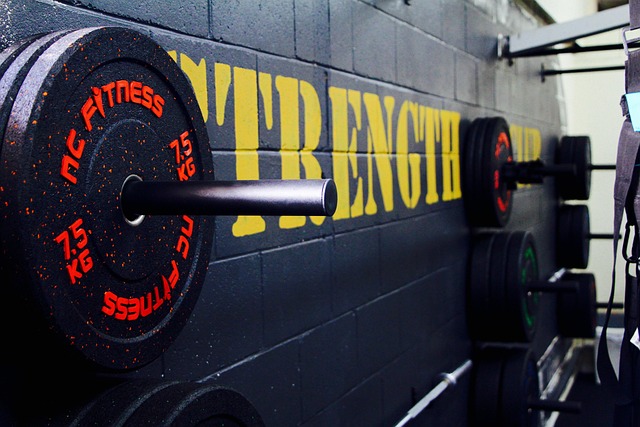
Combining intermittent fasting (IF) with strength training is a potent metabolic and physiological stimulus. While evidence suggests potential benefits for body composition and metabolic health, this approach is not universally appropriate. Adherence to safety guidelines and obtaining professional consultation is essential to mitigate risks and ensure the strategy aligns with your individual health status and goals.
Key Populations Requiring Medical Consultation
Certain individuals should consult a physician or a registered dietitian before initiating this combined protocol. This is not an exhaustive list, but key groups include:
- Individuals with pre-existing medical conditions: This includes diabetes (especially those on insulin or sulfonylureas), hypoglycemia, cardiovascular disease, kidney or liver disease, and a history of eating disorders.
- Those on specific medications: Timing of medication and nutrient intake can be critically important. This applies to drugs for diabetes, blood pressure, and others.
- Pregnant or breastfeeding women: Nutritional demands are significantly higher during these periods, and caloric restriction is generally not advised without specialist supervision. Adolescents and older adults: Both groups have unique nutritional requirements for development or sarcopenia prevention, making rigid fasting protocols potentially risky.
Clinical Perspective: In practice, the primary safety concern is mismanagement of energy and nutrient timing around training. Training in a fasted state without proper adaptation or post-workout nutrition can compromise recovery, increase injury risk, and lead to undesirable muscle loss, counteracting the goals of strength training. A clinician will assess your overall diet quality, not just the fasting window, to ensure adequate protein and micronutrient intake.
Practical Safety and Monitoring Guidelines
For those who have received medical clearance, implementing the following guidelines can enhance safety and sustainability:
- Prioritize Hydration: Consume water, herbal tea, or other non-caloric beverages consistently throughout the fasting and feeding windows.
- Time Nutrition Strategically: Align your feeding window to include a protein-rich meal before or, more critically, after your strength training session to support muscle protein synthesis and repair.
- Listen to Your Body: Signs like persistent dizziness, excessive fatigue, irritability, or a significant decline in workout performance are indicators to re-evaluate your approach. These may signal inadequate energy intake.
- Start Gradually: Begin with a shorter fasting window (e.g., 12-14 hours) and less frequent fasting days before progressing to more advanced protocols like 16:8 or alternate-day fasting.
The evidence for combining IF and strength training is promising but still evolving, with most studies being of short duration. A cautious, individualized approach, guided by professional input, is the most responsible path to exploring its potential benefits while safeguarding your health.
6. Questions & Expert Insights
Can I build muscle effectively while practicing intermittent fasting?
Yes, it is possible to build muscle while intermittent fasting, but it requires strategic planning. The primary concern is ensuring adequate protein intake and overall calories within your eating window to support muscle protein synthesis. Research, including a 2021 systematic review in the Journal of the International Society of Sports Nutrition, suggests that time-restricted eating does not inherently impair muscle gain when protein and resistance training are prioritized. The key is to align your training and feeding periods. Many individuals find success by scheduling their strength training sessions either during their eating window or shortly before breaking their fast, allowing for immediate post-workout nutrition. However, for some, training in a fasted state may lead to suboptimal performance or perceived exertion, which could limit training intensity—a critical driver of hypertrophy.
What are the main risks or side effects, and who should avoid combining fasting with strength training?
Combining these protocols can increase the risk of energy deficiency, leading to excessive fatigue, hormonal dysregulation (e.g., lowered testosterone or thyroid hormones in a prolonged deficit), increased injury risk, and impaired recovery. Specific populations should avoid or extreme caution: individuals with a history of disordered eating, diabetes (especially on insulin or sulfonylureas), adrenal insufficiency, pregnant or breastfeeding women, adolescents, and those with low body weight or nutrient deficiencies. A significant side effect for active individuals is "relative energy deficiency in sport" (RED-S), where insufficient calorie intake compromises health and performance. Signs include persistent fatigue, irritability, sleep disturbances, and a plateau or decline in strength.
When should I talk to a doctor, and how should I prepare for that conversation?
Consult a physician or a registered dietitian specializing in sports medicine before starting if you have any chronic health condition (e.g., diabetes, cardiovascular disease, kidney issues), take regular medications, or have a history of metabolic or endocrine disorders. You should also seek guidance if you experience dizziness, unusual heart palpitations, severe lethargy, or signs of RED-S. Prepare for the appointment by bringing: 1) A detailed log of your proposed fasting schedule (e.g., 16:8) and typical daily food intake, 2) Your current strength training regimen, 3) A list of all medications and supplements, and 4) Specific questions about monitoring biomarkers like blood glucose, lipids, or hormones relevant to your health profile. This allows for a personalized risk assessment.
Is there an optimal intermittent fasting protocol for strength athletes?
There is no single "optimal" protocol, as individual tolerance varies greatly. The most studied and commonly adopted method for active populations is time-restricted feeding (TRF), such as a 16-hour fast with an 8-hour eating window. This pattern often allows for adequate daily calorie and protein consumption. More extreme protocols (e.g., alternate-day fasting or prolonged fasts >24 hours) are generally not recommended for those focused on muscle maintenance or growth due to the extreme difficulty in meeting energy and macronutrient needs. Evidence from human trials is limited and often of short duration (weeks to a few months), making long-term efficacy and safety for athletes uncertain. The best protocol is the one you can adhere to consistently without compromising training performance, recovery, or overall well-being.
7. In-site article recommendations
8. External article recommendations
9. External resources
The links below point to reputable medical and evidence-based resources that can be used for further reading. Always interpret them in the context of your own situation and your clinician’s advice.
-
examine examine.comintermittent fasting – Examine.com (search)
-
healthline healthline.comintermittent fasting – Healthline (search)
-
wikipedia wikipedia.orgintermittent fasting – Wikipedia (search)
These external resources are maintained by third-party organisations. Their content does not represent the editorial position of this site and is provided solely to support readers in accessing additional professional information.