
1. Introduction to Moringa Powder in Morning Smoothies

Integrating functional ingredients like moringa powder into a morning smoothie is a practice that has gained considerable attention for its potential to enhance nutritional density. Moringa oleifera, often called the drumstick tree, is a plant native to parts of Africa and Asia. Its leaves are dried and ground into a fine, vibrant green powder, which is the form most commonly used as a dietary supplement.
The primary appeal of moringa powder lies in its concentrated nutrient profile. Per gram, it is a notable source of several vitamins and minerals, including:
- Vitamin A (as beta-carotene): Important for vision and immune function.
- Vitamin C: An antioxidant involved in collagen synthesis and immune support.
- Calcium & Iron: Minerals essential for bone health and oxygen transport, respectively.
- Protein: Contains all nine essential amino acids, making it a complete plant-based protein.
- Antioxidants: Such as quercetin and chlorogenic acid, which may help combat oxidative stress.
From a clinical perspective, the evidence supporting moringa's benefits varies in strength. Its nutritional composition is well-documented, and its historical use in traditional medicine systems is extensive. However, robust human clinical trials are more limited. Preliminary research and animal studies suggest potential anti-inflammatory, blood sugar-modulating, and cholesterol-lowering properties, but these findings cannot yet be generalized as definitive therapeutic effects for humans. Larger, long-term studies are needed to confirm efficacy and optimal dosing.
Expert Insight: Clinicians view moringa powder primarily as a nutrient-dense food supplement, not a pharmaceutical agent. Its value is in adding a broad spectrum of micronutrients and plant compounds to the diet, which may support overall health within the context of a balanced diet. It is not a substitute for medical treatment for any specific condition.
Adding a teaspoon (roughly 2-3 grams) to a morning smoothie is a practical method of consumption. Its earthy, slightly bitter taste blends well with strong flavors like banana, spinach, citrus, or ginger. This routine can contribute to daily micronutrient intake, which may be particularly relevant for individuals with dietary restrictions or gaps.
Important Considerations: While generally recognized as safe for most people in culinary amounts, certain individuals should exercise caution. Those on blood-thinning medications (e.g., warfarin) or medications for diabetes or high blood pressure should consult a physician, as moringa may theoretically interact with these drugs. Pregnant women are often advised to avoid moringa supplements due to limited safety data. As with any new supplement, starting with a small amount to assess tolerance is prudent.
2. Evidence-Based Benefits and Mechanisms of Moringa Powder
Moringa oleifera, often called the drumstick tree, is a nutrient-dense plant. Its dried leaf powder is a concentrated source of several vitamins, minerals, and bioactive phytochemicals. The proposed health benefits of incorporating it into a diet are primarily attributed to this composition, particularly its antioxidant and anti-inflammatory properties.
Strongest Evidence: Nutritional Profile and Antioxidant Capacity
The most robust data supports moringa's role as a nutritional supplement. Per gram, it provides significant amounts of:
- Vitamins: Vitamin A (as beta-carotene), B vitamins (riboflavin, B6), and Vitamin C.
- Minerals: Calcium, potassium, and iron (though plant-based iron has lower bioavailability).
- Protein: Contains all nine essential amino acids, making it a rare complete plant protein.
Furthermore, compounds like quercetin, chlorogenic acid, and various polyphenols contribute to a high oxygen radical absorbance capacity (ORAC) value. This measurable antioxidant activity is well-documented in vitro and in some animal studies, suggesting a potential to help mitigate oxidative stress in the body.
Areas of Preliminary or Mixed Evidence
Human clinical trials are limited and often small-scale. Potential benefits suggested by preliminary research include:
- Blood Sugar Modulation: Some randomized controlled trials show modest reductions in fasting blood glucose in people with type 2 diabetes, possibly due to compounds like isothiocyanates. Results are not consistent across all studies.
- Lipid Profile Support: A few studies indicate moringa powder may help lower total cholesterol and triglycerides, while raising HDL ("good") cholesterol. The mechanisms are not fully elucidated.
- Anti-inflammatory Effects: Bioactive compounds may inhibit inflammatory enzymes. While promising, human data is insufficient to make definitive health claims.
Clinical Perspective: From an evidence-based standpoint, moringa powder is best viewed as a nutrient-dense food supplement, not a pharmaceutical treatment. Its antioxidant and anti-inflammatory properties are mechanistically plausible and supported by lab studies, but large-scale, long-term human trials are needed to confirm specific therapeutic outcomes for chronic conditions.
Important Cautions and Contraindications
While generally recognized as safe in culinary amounts, certain individuals should exercise caution:
- Pregnancy: Compounds in the root, bark, and flowers may promote uterine contractions. While the leaf powder is considered safer, pregnant women should consult their obstetrician before use.
- Medication Interactions: Due to potential effects on blood sugar and blood pressure, individuals on diabetes or hypertension medications should monitor levels closely and consult a doctor, as moringa may potentiate drug effects.
- Kidney Concerns: The high potassium and mineral content may be problematic for individuals with severe kidney disease.
As with any significant dietary change, it is prudent to discuss adding moringa powder with a healthcare provider, especially for those with pre-existing health conditions or who are taking medications.
3. Potential Risks and Contraindications for Moringa Powder Use

While moringa powder is generally considered safe for most people when consumed in culinary amounts, its concentrated nature and bioactive compounds necessitate a cautious approach. A thorough understanding of potential risks and contraindications is essential for safe integration into a health routine.
Medication Interactions and Health Conditions
The most significant risks arise from moringa's potential to interact with medications and exacerbate certain health conditions. The evidence for these interactions is primarily based on animal studies and in vitro data, meaning human clinical data is limited. However, the theoretical risk is substantial enough to warrant extreme caution.
- Diabetes Medications: Moringa may lower blood sugar levels. Concurrent use with insulin or oral hypoglycemic drugs (e.g., metformin, glipizide) could potentially lead to hypoglycemia.
- Blood Pressure Medications: Compounds in moringa may have hypotensive effects. Combining it with antihypertensive drugs could cause blood pressure to drop too low.
- Thyroid Conditions: Moringa contains goitrogens, substances that can interfere with thyroid hormone production. Individuals with hypothyroidism, especially those on thyroid hormone replacement therapy, should use moringa cautiously and under medical supervision.
- Kidney Concerns: The plant is high in antioxidants like oxalates and certain alkaloids. In very high doses, these could pose a risk to individuals with pre-existing kidney disease or a history of kidney stones.
Specific Populations and Side Effects
Certain groups should avoid moringa or use it only after explicit consultation with a healthcare provider.
- Pregnancy: Compounds in the root, bark, and flowers may stimulate uterine contractions. While leaf powder is often considered safer, the lack of robust safety data makes avoidance during pregnancy the most prudent recommendation.
- Surgery: Due to its potential effects on blood sugar and blood pressure, it is advised to discontinue moringa use at least two weeks before any scheduled surgical procedure.
- Common Side Effects: When introducing moringa, start with a very small dose (e.g., ½ teaspoon) to assess tolerance. High initial doses may cause digestive upset, including nausea, gas, or diarrhea, due to its high fiber content.
Key Takeaway: The transformative potential of any supplement is inseparable from its safety profile. Individuals with chronic health conditions, those taking medications, and people who are pregnant or planning surgery must consult a physician before adding moringa powder to their regimen. For healthy individuals, starting with a minimal dose and monitoring for adverse effects is a responsible practice.
4. Practical Guidelines for Incorporating Moringa Powder into Morning Smoothies
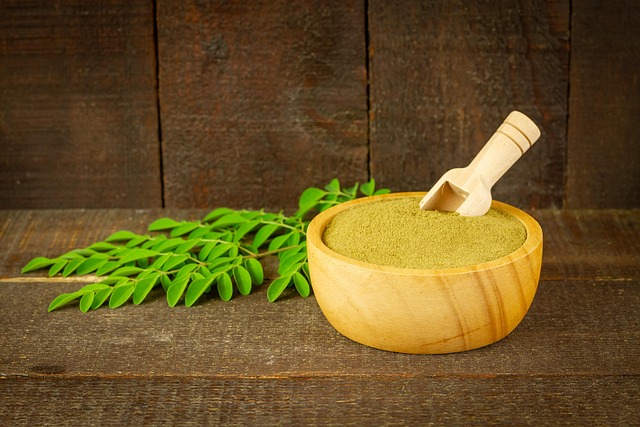
To incorporate moringa powder into your morning routine effectively and safely, a measured, evidence-informed approach is essential. The goal is to integrate this nutrient-dense ingredient without compromising taste or nutritional balance.
Recommended Dosage and Preparation
Clinical studies on moringa's health effects typically use doses ranging from 1.5 to 7 grams daily. For a morning smoothie, a conservative starting point of ½ to 1 teaspoon (approximately 1.5–3 grams) is advisable. This allows you to assess tolerance. Begin with the lower amount for at least a week.
- Mix Thoroughly: Add the powder to your blender with other liquid ingredients first to prevent clumping.
- Flavor Pairing: Moringa has a distinct, earthy, slightly bitter taste. It pairs well with strong-flavored ingredients like banana, mango, pineapple, spinach, cocoa powder, or a dash of cinnamon and ginger.
- Fat for Absorption: Many of moringa's beneficial compounds, like vitamins A and E, are fat-soluble. Including a source of healthy fat, such as avocado, chia seeds, flaxseed, or nut butter, can enhance nutrient absorption.
Building a Balanced Smoothie
A nutritionally complete morning smoothie should extend beyond a single supplement. Consider this framework:
- Liquid Base (1–1.5 cups): Water, unsweetened almond milk, oat milk, or kefir.
- Fruit (1 cup): For vitamins, fiber, and natural sweetness.
- Vegetables (1–2 handfuls): Spinach or kale add nutrients without overpowering flavor.
- Protein & Fat (1–2 tbsp): Greek yogurt, protein powder, nut butter, or seeds to promote satiety and stable energy.
- Moringa Powder (½–1 tsp): Added last to the ingredient list.
Important Cautions and Contraindications
While generally recognized as safe for most adults in culinary amounts, certain individuals should exercise caution or avoid moringa powder without medical consultation.
- Pregnancy: Moringa root and bark extracts are contraindicated due to potential uterine effects. While leaf powder in small amounts is often considered safer, it is prudent for pregnant individuals to avoid it unless explicitly approved by their healthcare provider.
- Medication Interactions: Moringa may theoretically affect the metabolism of drugs processed by the liver's cytochrome P450 enzymes. Those on medications for diabetes, hypertension, or thyroid conditions, or any critical medications, should consult a doctor before regular use.
- Digestive Sensitivity: Starting with a high dose may cause gastrointestinal discomfort, such as gas or diarrhea, in some individuals.
Integrating moringa powder can be a practical way to diversify nutrient intake. Its success depends on consistent, moderate use within a varied diet and an awareness of individual health contexts.
5. Safety Considerations and When to Consult a Healthcare Professional

While moringa powder is generally considered safe for most adults when consumed in typical culinary amounts, such as a teaspoon in a morning smoothie, a responsible approach requires awareness of its bioactive compounds and potential interactions. The evidence for its safety profile is largely based on traditional use and short-term studies; data on the effects of daily, long-term consumption are more limited.
Key Populations for Caution
Certain individuals should exercise particular caution or avoid moringa powder without explicit medical guidance:
- Pregnant Individuals: Moringa root and bark contain compounds that may stimulate uterine contractions. While moringa leaf powder is often considered safer, the evidence is not definitive, and most experts advise complete avoidance during pregnancy due to potential risk.
- Individuals on Medications: Moringa may interact with drugs metabolized by the liver's cytochrome P450 enzymes, potentially altering their effectiveness. This is a particular concern for:
- Diabetes medications (may potentiate hypoglycemia)
- Blood pressure medications (may enhance hypotensive effects)
- Thyroid medications (moringa may influence thyroid hormone levels)
- Those with Underlying Health Conditions: Individuals with kidney issues should be cautious, as high intake of plant-based compounds can stress renal function. Its potential blood-thinning properties also warrant caution for those with bleeding disorders or before scheduled surgery.
Clinical Perspective: From a healthcare provider's viewpoint, moringa is not an inert food but a concentrated source of phytochemicals. The primary safety concern in clinical practice is its undocumented interaction with prescription medications. Patients on chronic drug therapy, especially for diabetes, hypertension, or thyroid disorders, should be advised to discuss any new supplement, including moringa powder, with their physician or pharmacist to assess for potential interactions.
When to Consult a Healthcare Professional
It is prudent to seek advice from a doctor, registered dietitian, or pharmacist before incorporating moringa powder into your routine if you:
- Are pregnant, breastfeeding, or trying to conceive.
- Have a diagnosed chronic condition (e.g., diabetes, hypertension, autoimmune disease, kidney or liver disease).
- Are taking any prescription or over-the-counter medications regularly.
- Have a history of food allergies, particularly to plants in the Moringaceae family.
Start with a very small amount (e.g., ½ teaspoon) to assess tolerance, and discontinue use if you experience any adverse gastrointestinal effects, such as nausea or diarrhea. Prioritizing safety ensures that your pursuit of nutritional enhancement through moringa remains a positive and health-supportive practice.
6. Questions & Expert Insights
Is Moringa Powder Truly a "Superfood," or is that Marketing Hype?
The term "superfood" is not a clinical or scientific classification but a marketing term. Moringa (Moringa oleifera) leaves are, however, nutritionally dense. They are a good source of vitamins A, C, and E, several B vitamins, minerals like calcium and potassium, and contain bioactive compounds such as flavonoids and polyphenols. Preliminary research, often in animal or cell studies, suggests these compounds may have antioxidant and anti-inflammatory properties. However, robust, long-term human clinical trials are limited. It is more accurate to view moringa powder as a concentrated source of certain nutrients that can complement a varied diet, rather than a singular solution for health.
What Are the Potential Risks or Side Effects of Using Moringa Powder?
While generally considered safe as a culinary ingredient in moderate amounts (e.g., 1-2 teaspoons daily), moringa powder is not risk-free. The leaves contain compounds that may act as natural blood thinners and could lower blood pressure. Therefore, individuals on anticoagulant medications (like warfarin), blood pressure drugs, or those with bleeding disorders should use extreme caution. The root and bark, not typically in leaf powder, contain higher levels of potentially toxic alkaloids. Excessive consumption of the powder may lead to digestive upset, including nausea or diarrhea, due to its high fiber and bioactive compound content.
Who Should Avoid Adding Moringa to Their Smoothie?
Specific populations should avoid moringa powder or consult a physician before use. This includes:
- Pregnant women: Compounds in the root, bark, and flowers (and potentially leaves in high doses) have been linked to uterine contractions in animal studies. Due to insufficient safety data, avoidance during pregnancy is the standard medical advice.
- Individuals with thyroid conditions: Moringa contains goitrogens, substances that may interfere with iodine uptake and thyroid hormone production. Those with hypothyroidism or on thyroid medication should discuss this with their endocrinologist.
- People with kidney issues: The high mineral content, particularly potassium, could be problematic for individuals with compromised kidney function who need to manage electrolyte intake.
When Should I Talk to My Doctor About Using a Supplement Like Moringa Powder?
You should consult your doctor or a registered dietitian before starting any new supplement, including moringa powder, if you have a chronic health condition, are taking prescription medications, or are pregnant/breastfeeding. To make the conversation productive, bring:
- A list of all medications and supplements you currently take, including dosages.
- The specific brand and intended dosage of moringa powder you are considering.
- Your primary health goals for using it (e.g., "increase iron intake," "reduce inflammation").
7. In-site article recommendations
8. External article recommendations
9. External resources
The links below point to reputable medical and evidence-based resources that can be used for further reading. Always interpret them in the context of your own situation and your clinician’s advice.
-
drugs drugs.comMoringa powder – Drugs.com (search)
-
wikipedia wikipedia.orgMoringa powder – Wikipedia (search)
-
examine examine.comMoringa powder – Examine.com (search)
These external resources are maintained by third-party organisations. Their content does not represent the editorial position of this site and is provided solely to support readers in accessing additional professional information.