
1. Introduction to Moringa Powder: Background and Context

Moringa oleifera, often called the "drumstick tree" or "miracle tree," is a fast-growing, drought-resistant plant native to parts of Africa and Asia. For centuries, its leaves, pods, seeds, and roots have been utilized in traditional medicine systems like Ayurveda for a wide array of purposes, from supporting nutrition to managing inflammation. The modern interest in moringa, particularly as a powdered supplement derived from its dried leaves, stems from its dense nutritional profile and the potential health benefits suggested by preliminary research.
The powder is notable for its concentration of several essential micronutrients and bioactive compounds. A typical serving (one tablespoon, ~7 grams) can provide a meaningful amount of:
- Protein (including all nine essential amino acids)
- Vitamins A, C, and several B vitamins
- Minerals such as iron, calcium, potassium, and magnesium
- Antioxidants like quercetin, chlorogenic acid, and beta-carotene
This composition has positioned moringa powder as a subject of scientific inquiry, particularly in the context of nutritional supplementation and managing oxidative stress.
Clinical Perspective: While the nutrient density is well-documented, it is crucial to distinguish between nutritional content and proven therapeutic effects. Many popular claims about moringa—such as its ability to significantly lower blood sugar, reduce cholesterol, or boost energy—are primarily supported by animal studies, in vitro research, or small, short-term human trials. The evidence, while promising, is not yet conclusive for broad health claims in diverse populations.
As an addition to a morning routine, moringa powder is often incorporated into smoothies, teas, or oatmeal. Its mild, earthy, and slightly bitter taste makes it a versatile ingredient. The premise of a "30-day transformation" typically hinges on the cumulative effect of consistent micronutrient and antioxidant intake, which may support general well-being, though individual results will vary significantly based on baseline diet and health status.
Important Considerations: Certain individuals should exercise caution and consult a healthcare provider before using moringa powder regularly. This includes:
- Pregnant women, as certain compounds in the root and bark may pose risks; leaf safety data is limited.
- Individuals on medications for diabetes, hypertension, or thyroid conditions, as moringa may interact with their effects.
- Those with kidney issues, due to its high potassium content in concentrated forms.
Understanding this background sets a realistic and evidence-informed foundation for evaluating how incorporating moringa powder might fit into a holistic approach to health.
2. Evidence and Mechanisms: Scientific Basis of Moringa
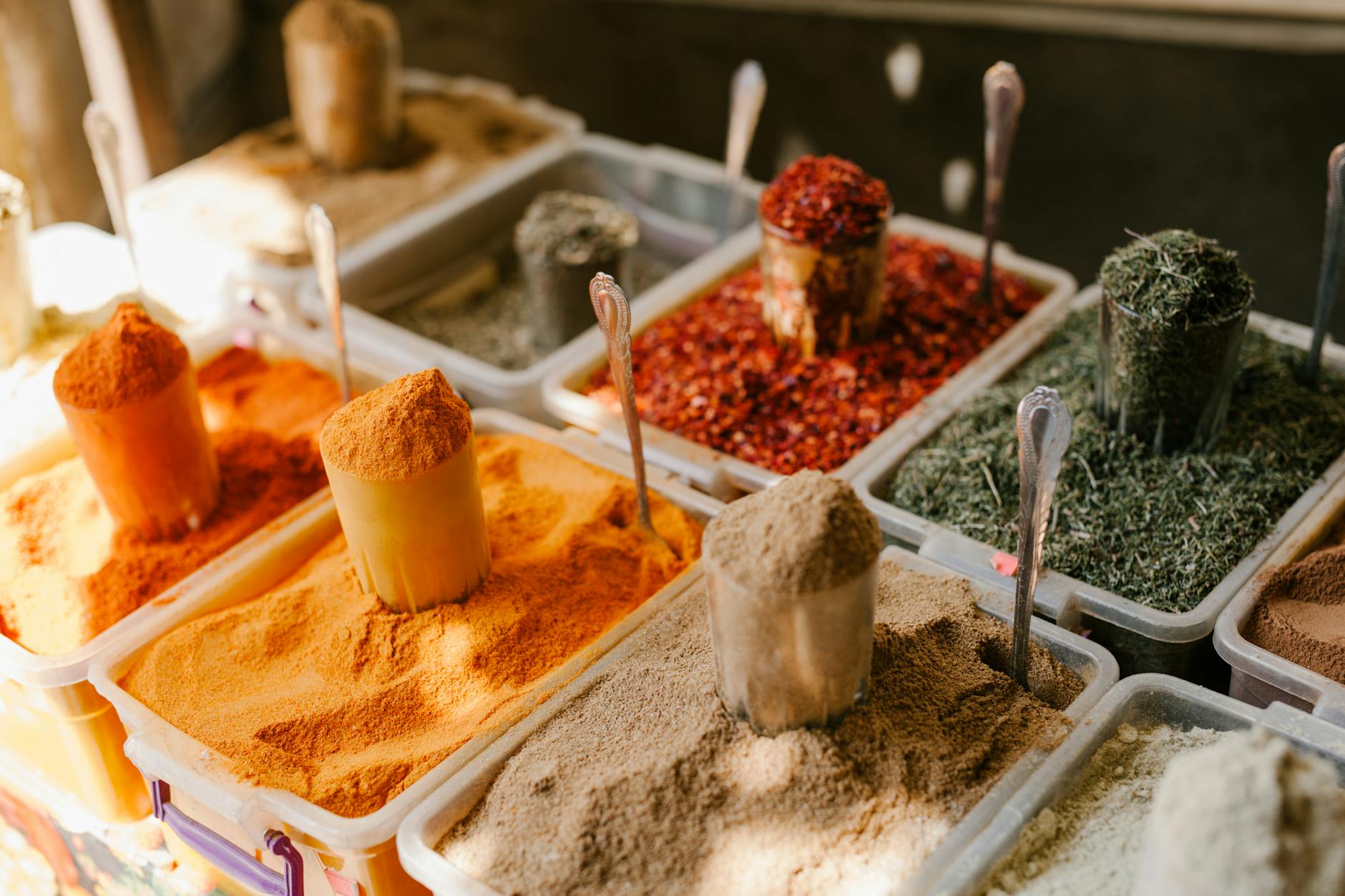
The purported health benefits of moringa (Moringa oleifera) powder are primarily attributed to its dense nutritional profile and high concentration of bioactive phytochemicals. The scientific basis for its inclusion in a wellness routine rests on understanding these components and the evidence for their physiological effects.
Key Bioactive Components
Moringa leaves are rich in several compounds studied for their biological activity:
- Polyphenols (e.g., Quercetin, Chlorogenic Acid): These function as antioxidants, helping to neutralize reactive oxygen species (ROS) and potentially modulating inflammatory pathways.
- Isothiocyanates: Compounds like 4-(α-L-rhamnopyranosyloxy)benzyl glucosinolate are unique to moringa and are being investigated for their anti-inflammatory and metabolic effects.
- Vitamins & Minerals: It is a notable source of vitamin A (as beta-carotene), vitamin C, calcium, potassium, and iron, though bioavailability can vary.
Current Evidence: Strengths and Limitations
The evidence for moringa's effects comes from a mix of cell studies, animal models, and a growing number of human clinical trials. The findings are promising but require cautious interpretation.
Areas with More Substantial Preliminary Evidence:
- Antioxidant & Anti-inflammatory Activity: Multiple human trials, though often small and short-term, consistently show moringa supplementation can significantly reduce biomarkers of oxidative stress (e.g., malondialdehyde) and inflammation (e.g., C-reactive protein).
- Blood Glucose Modulation: Several randomized controlled trials in people with type 2 diabetes indicate moringa leaf powder can modestly improve fasting blood glucose and postprandial glucose levels, likely through inhibition of carbohydrate digestion and absorption.
Areas with Preliminary or Mixed Evidence:
- Lipid Profile & Blood Pressure: Some studies report improvements in cholesterol and blood pressure, but results are inconsistent, and the clinical significance for cardiovascular risk reduction is not yet established.
- Energy & Cognitive Effects: Claims about boosting energy or focus are largely anecdotal or based on nutrient content; robust human trials are lacking.
Clinical Perspective: From a mechanistic standpoint, moringa's antioxidant and anti-inflammatory properties are its most plausible benefits, given the strength of the phytochemical data. However, it is not a substitute for medication. The effects on blood glucose are meaningful but modest. Most human trials have been conducted over 4-12 weeks; long-term safety and efficacy data beyond a few months are limited.
Important Cautions: Individuals on medication for diabetes or hypertension should consult their physician before use, as moringa may potentiate drug effects and require dosage adjustment. Those with kidney conditions should be cautious due to its mineral content. Pregnant women are generally advised to avoid moringa supplements due to limited safety data and potential uterine-stimulating properties of certain root and bark extracts, though leaf powder is considered safer.
3. Risks and Contraindications: Who Should Avoid Moringa

While moringa powder is generally considered safe for most healthy adults when consumed in typical culinary amounts, its concentrated nature as a supplement introduces specific risks and contraindications. A responsible approach requires understanding these potential interactions and who should exercise caution or avoid it entirely.
Specific Populations to Avoid Moringa
Certain individuals should not consume moringa powder without explicit medical clearance:
- Pregnant Individuals: Moringa root, bark, and flowers contain compounds that may stimulate uterine contractions. While moringa leaves are used traditionally for nutrition during pregnancy, the safety of concentrated leaf powder is not well-established in clinical research. The precautionary principle dictates avoidance.
- Individuals on Antidiabetic or Antihypertensive Medications: Preliminary studies suggest moringa may lower blood sugar and blood pressure. For someone already on medication for diabetes or hypertension, adding moringa could potentiate these effects, leading to hypoglycemia or hypotension. Close monitoring by a physician is essential.
- Those with Thyroid Disorders: Moringa contains goitrogens, substances that can interfere with iodine uptake by the thyroid gland. For individuals with hypothyroidism or iodine deficiency, this could potentially exacerbate their condition.
General Cautions and Potential Side Effects
Even for those not in the above categories, starting with a high dose can cause digestive upset, such as diarrhea, nausea, or heartburn, due to its high fiber and nutrient density. It is prudent to begin with a small amount (e.g., half a teaspoon) and assess tolerance.
The evidence for many of moringa's purported benefits comes from cell studies, animal models, or small human trials. While its nutritional profile is robust, claims regarding specific therapeutic effects for chronic diseases in humans often lack large-scale, long-term clinical data.
Clinical Perspective: The primary risk with any herbal supplement is its potential to act as a drug. Moringa's possible hypoglycemic and hypotensive actions are the most clinically significant interactions. Patients on blood thinners like warfarin should also be cautious, as the vitamin K content could theoretically interfere with coagulation therapy. Always disclose all supplement use to your healthcare provider.
In summary, moringa powder is not a universally benign addition. Individuals with pre-existing medical conditions, those taking prescription medications, and pregnant or breastfeeding women should consult a qualified healthcare professional before incorporating it into their routine. For healthy adults, starting low and going slow is the safest approach to monitor individual response.
4. Practical Takeaways: Integrating Moringa into a Morning Routine

Integrating moringa powder into your morning routine requires a measured, evidence-based approach to assess its potential benefits and ensure safety. The primary goal is consistency, allowing you to monitor your body's response over a period of 30 days.
Starting with a Low Dose
Begin with a conservative dose of ½ teaspoon (approximately 1-2 grams) daily. This allows your gastrointestinal system to adapt, minimizing the potential for initial side effects like mild bloating or nausea. After one week, if well-tolerated, you may gradually increase to 1 teaspoon (2-3 grams), which aligns with the typical serving size used in many research studies.
Methods of Consumption
Moringa's earthy, slightly bitter taste is easily masked. Consider these simple methods:
- Smoothies or Shakes: Blend with fruits, greens, and a protein source. This is the most common and palatable approach.
- Beverages: Stir into water, juice, or a morning tea. Note that it may not dissolve completely.
- Foods: Mix into oatmeal, yogurt, or pancake batter. Avoid adding it to very hot foods, as high heat may degrade some heat-sensitive nutrients.
Clinical Perspective: From a nutritional standpoint, moringa is a source of vitamins, minerals, and antioxidants. However, the evidence for specific, transformative health outcomes in humans from short-term use is preliminary and often based on small-scale or animal studies. View it as a potential dietary supplement, not a substitute for a balanced diet or medical treatment.
Monitoring and Expectations
Keep a simple log to note any subjective changes in energy, digestion, or overall well-being. Be realistic; any effects are likely to be subtle. The strongest evidence for moringa relates to its nutrient density. Claims regarding significant metabolic, anti-inflammatory, or blood sugar-regulating effects in healthy individuals require more robust clinical confirmation.
Essential Precautions
Consult a physician before starting moringa if you:
- Are pregnant, breastfeeding, or trying to conceive (its safety profile is not fully established).
- Have a known allergy to plants in the Moringaceae family.
- Are taking medications for diabetes, hypertension, or thyroid conditions, as moringa may theoretically interact with them.
- Have kidney issues, due to its mineral content.
A 30-day trial can help determine personal tolerance, but it is not a sufficient period to evaluate long-term health impacts. Discontinue use and consult a healthcare provider if you experience any adverse reactions.
5. Safety Considerations and When to Consult a Doctor

While moringa powder is generally considered safe for most adults when consumed in typical culinary amounts, integrating any new supplement into a daily routine warrants a cautious and informed approach. The evidence for its safety profile is primarily based on short-term studies and traditional use, with long-term data on chronic consumption being limited.
Key Safety Considerations
Potential interactions and side effects, though uncommon, are important to recognize:
- Medication Interactions: Moringa may have blood sugar-lowering and blood pressure-lowering effects. Individuals taking medications for diabetes (e.g., insulin, metformin) or hypertension (e.g., ACE inhibitors, beta-blockers) should monitor their levels closely, as moringa could potentiate these effects, leading to hypoglycemia or hypotension.
- Pregnancy: Compounds in the root, bark, and flowers may stimulate uterine contractions. While the leaf powder is considered safer, it is clinically prudent for pregnant individuals to avoid moringa supplementation unless explicitly approved by their obstetrician.
- Digestive Effects: Starting with a high dose may cause mild gastrointestinal upset, such as gas or diarrhea, due to its high fiber content. A gradual introduction is recommended.
- Surgery: Due to its potential effects on blood sugar and blood pressure, it is advisable to discontinue use at least two weeks prior to any scheduled surgical procedure.
Clinical Insight: From a pharmacological perspective, moringa's bioactive compounds can act on pathways similar to certain pharmaceuticals. This isn't inherently dangerous but requires a "start low, go slow" approach and awareness, especially for those on polypharmacy. Clinicians often view such supplements not as inert foods but as agents with physiological activity that must be factored into the overall health picture.
When to Consult a Healthcare Professional
It is strongly recommended to seek advice from a doctor or a registered dietitian before beginning regular supplementation in the following circumstances:
- If you have a diagnosed chronic condition, particularly diabetes, hypertension, or thyroid disorders.
- If you are taking any prescription medications, over-the-counter drugs, or other herbal supplements.
- If you are pregnant, breastfeeding, or attempting to conceive.
- If you have a known allergy to plants in the Moringaceae family.
- If you have kidney or liver disease, as the impact of concentrated plant compounds on these organs with long-term use is not fully established.
Ultimately, while moringa powder can be a nutritious addition, it should complement, not replace, a balanced diet and medical advice. Open communication with your healthcare provider ensures its integration into your routine is both safe and effective for your individual health status.
6. Questions & Expert Insights
Is there strong scientific evidence that moringa powder significantly improves energy levels?
While preliminary research is promising, the evidence for moringa as a significant energy booster in healthy individuals is not yet conclusive. Some studies, often in animal models or small human trials, suggest its high content of vitamins (like B vitamins), iron, and antioxidants may help reduce fatigue associated with nutrient deficiencies. The proposed mechanism is supporting mitochondrial function and reducing oxidative stress, which can sap energy. However, robust, large-scale clinical trials specifically measuring energy or exercise endurance in a general population are lacking. The perceived "energy" many report may stem from improved hydration (if mixed in water), better overall nutrient intake displacing less healthy options, or stabilized blood sugar from its fiber content. It is not a stimulant like caffeine. The current evidence supports moringa as a nutrient-dense supplement, but claims of a transformative energy surge should be viewed with cautious optimism pending more research.
What are the potential risks or side effects of taking moringa powder daily?
Moringa is generally well-tolerated, but important risks exist. The leaves and powder are considered safe for most, but the root and bark contain higher levels of alkaloids and should be avoided. Common side effects at high doses (exceeding 1-2 teaspoons daily) may include digestive upset, nausea, or diarrhea due to its high fiber and bioactive compound content. More serious concerns involve its potential to interact with medications: its compounds may lower blood pressure and blood sugar, posing risks for those on antihypertensives or diabetes drugs, and it may interfere with medications processed by the liver's cytochrome P450 system. Specific groups who should avoid moringa or use it only under direct medical supervision include: pregnant women (compounds in the root/bark/flowers may cause uterine contractions), individuals with hypothyroidism (theoretical risk of interfering with thyroid hormone), and those with kidney issues (high mineral content like potassium could be problematic). Starting with a very small dose is prudent.
When should I talk to my doctor before adding moringa to my routine, and what should I discuss?
You should consult your physician or a registered dietitian before starting moringa if you have any chronic health condition, are taking prescription medications, or are pregnant/breastfeeding. This is non-negotiable for safe integration. Come to the appointment prepared to discuss: 1) Your "Why": Be clear about your specific health goals (e.g., "I'm hoping to improve my iron levels" or "I want a natural anti-inflammatory"). 2) Your Full Regimen: Bring a complete list of all medications, supplements, and dosages you currently take. 3) Product Details: Show the specific moringa product label, noting the source (leaf powder is safest), suggested serving, and any other ingredients. This allows your doctor to assess for nutrient overlaps, antagonisms, or dangerous interactions, particularly with diabetes, blood pressure, or blood-thinning medications. They can also help you establish a safe baseline dose and monitor relevant lab values over time.
Can moringa powder realistically support weight management, as some claims suggest?
Moringa is not a weight-loss miracle, but it may offer supportive, indirect benefits within a holistic plan. Its high fiber and protein content can promote satiety, potentially helping to reduce overall calorie intake if it replaces a less nutritious snack. Some animal and test-tube studies indicate compounds in moringa may inhibit fat cell formation and improve lipid metabolism, but human clinical evidence for direct fat loss is extremely limited. Any meaningful weight management effect would likely result from its role as a nutrient-dense, low-calorie addition that supports a balanced diet, not from a direct "fat-burning" property. Relying on it alone for weight loss is ineffective. A sustainable approach combines dietary changes, physical activity, and addressing behavioral factors. Furthermore, individuals with a history of disordered eating should be cautious with any supplement marketed for weight management.
7. In-site article recommendations
8. External article recommendations
9. External resources
The links below point to reputable medical and evidence-based resources that can be used for further reading. Always interpret them in the context of your own situation and your clinician’s advice.
-
mayoclinic mayoclinic.orgMoringa powder – Mayo Clinic (search)
-
drugs drugs.comMoringa powder – Drugs.com (search)
-
examine examine.comMoringa powder – Examine.com (search)
These external resources are maintained by third-party organisations. Their content does not represent the editorial position of this site and is provided solely to support readers in accessing additional professional information.