
1. Introduction to Ozempic and Appetite Signal Research

Ozempic (semaglutide) is a glucagon-like peptide-1 (GLP-1) receptor agonist initially approved for the management of type 2 diabetes. Its profound effect on weight reduction, however, has propelled it to the forefront of obesity medicine. This therapeutic benefit is not primarily due to a direct metabolic "fat-burning" effect, but rather to its powerful influence on the complex neuroendocrine systems that regulate appetite, satiety, and food reward.
At its core, Ozempic mimics the action of the natural incretin hormone GLP-1. When released from the gut after eating, endogenous GLP-1 performs several key functions:
- Stimulating insulin secretion from the pancreas in a glucose-dependent manner.
- Slowing gastric emptying, which prolongs the sensation of fullness.
- Signaling directly to the brain, particularly the hypothalamus and brainstem, to reduce hunger and increase satiety.
By activating GLP-1 receptors with a long-acting synthetic analogue, Ozempic pharmacologically amplifies these signals. The result is a significant reduction in caloric intake, which is the principal driver of its weight loss efficacy. The evidence for this mechanism is strong and well-established in the scientific literature, forming the foundation of its clinical use.
Expert Insight: Clinicians view Ozempic not as a simple appetite suppressant but as a modulator of homeostatic pathways. Its action on brain regions involved in hunger (like the arcuate nucleus) helps "recalibrate" appetite set points. However, individual responses vary significantly due to genetic, psychological, and lifestyle factors, which explains why weight loss outcomes are not uniform across all patients.
This chapter introduces the current scientific framework for understanding how Ozempic impacts appetite signaling. It is crucial to note that while the primary mechanisms are well-characterized, ongoing research continues to uncover nuances, such as its effects on food cravings, specific neural circuits, and potential long-term adaptations. Individuals with a personal or family history of medullary thyroid carcinoma or Multiple Endocrine Neoplasia syndrome type 2 should not use Ozempic. All patients should consult a physician to assess suitability, especially those with pancreatic disease, severe gastrointestinal disorders, or renal impairment.
2. Evidence-Based Mechanisms of Appetite Modulation

Ozempic (semaglutide) is a glucagon-like peptide-1 (GLP-1) receptor agonist. Its primary mechanism for appetite suppression is well-established and involves direct action on specific brain regions that regulate hunger and satiety. The drug mimics the natural GLP-1 hormone, which is released from the gut after eating.
The most robust evidence points to three primary pathways for appetite modulation:
- Direct Central Nervous System Action: Semaglutide crosses the blood-brain barrier and binds to GLP-1 receptors in key brain areas, notably the hypothalamus and brainstem. This action directly reduces hunger signaling and increases feelings of fullness (satiety).
- Slowed Gastric Emptying: By activating receptors in the stomach and intestines, Ozempic significantly delays the rate at which food leaves the stomach. This prolongs gastric distension, sending continuous "fullness" signals to the brain via the vagus nerve.
- Hormonal Regulation: The medication helps normalize post-meal levels of hormones like insulin and glucagon, contributing to more stable blood glucose. This stability may reduce cravings driven by glycemic fluctuations.
Clinical Insight: While the central and gastric mechanisms are strongly supported by human clinical trials and neuroimaging studies, the relative contribution of each pathway to an individual's weight loss is less clear. The effect is synergistic, but the degree of slowed gastric emptying may diminish over time, suggesting the central effect is paramount for sustained appetite control.
Emerging 2026 research is exploring more nuanced mechanisms. Preliminary data from functional MRI studies suggest semaglutide may also alter the brain's reward response to highly palatable foods, reducing their salience and "wanting." However, this evidence is still considered preliminary and requires replication in larger, more diverse populations.
It is crucial to understand that these mechanisms are potent. Individuals with a history of pancreatitis, severe gastrointestinal disease (like gastroparesis), or those taking multiple medications that also slow gastric emptying should exercise caution and discuss these risks thoroughly with their physician before starting therapy.
3. Risks, Side Effects, and Contraindications

Like all potent pharmacotherapies, semaglutide (Ozempic) is associated with a spectrum of potential adverse effects and specific contraindications. A clear understanding of these is essential for safe and effective use.
Common and Gastrointestinal Side Effects
The most frequently reported side effects are gastrointestinal, stemming directly from the drug's mechanism of slowing gastric emptying and acting on central appetite centers. These are often dose-dependent and may subside with gradual titration.
- Nausea, vomiting, and diarrhea: Very common, especially during dose escalation.
- Constipation and abdominal pain: Frequently reported; adequate hydration and fiber intake are often recommended.
- Dyspepsia and gastroesophageal reflux: Can occur due to delayed gastric emptying.
Serious Risks and Emerging 2026 Data
Beyond common side effects, post-marketing surveillance and newer studies highlight more serious considerations. The evidence strength varies, and ongoing large-scale trials aim to provide more definitive answers.
- Gallbladder Disease: There is strong evidence linking GLP-1 receptor agonists to an increased risk of cholelithiasis (gallstones) and cholecystitis, likely due to rapid weight loss.
- Acute Pancreatitis: Cases have been reported, though a definitive causal link remains under investigation. Patients should be advised to seek immediate care for severe, persistent abdominal pain.
- Diabetic Retinopathy Complications: Data are mixed. Some trials noted an increased risk in patients with pre-existing diabetic retinopathy, possibly related to rapid glycemic improvement. Others show no significant signal. Vigilant monitoring is advised for this population.
- Medullary Thyroid Carcinoma (MTC): A black box warning exists based on rodent studies. Human data have not confirmed this risk, but it is contraindicated in patients with a personal or family history of MTC or Multiple Endocrine Neoplasia syndrome type 2 (MEN 2).
Clinical Insight: The most common reason for discontinuation is GI intolerance. A "start low, go slow" titration strategy is paramount for adherence. Furthermore, clinicians must differentiate common GI side effects from rare but serious conditions like pancreatitis. Patient education on "red flag" symptoms is a critical component of prescribing.
Key Contraindications and Precautions
Ozempic is not appropriate for all patients. Key contraindications and groups requiring extreme caution include:
- Absolute Contraindications: Personal or family history of MTC; MEN 2; hypersensitivity to semaglutide or any component.
- Require Extreme Caution/Medical Supervision: Patients with a history of pancreatitis, severe gastrointestinal disease (e.g., gastroparesis, IBD), severe renal impairment, or hepatic impairment.
- Special Populations: Not recommended during pregnancy or breastfeeding due to insufficient safety data. Use with caution in elderly patients or those on multiple medications (polypharmacy) due to increased sensitivity to side effects.
Any individual considering this medication should have a thorough discussion with their physician to weigh personal benefits against these potential risks, ensuring the treatment plan aligns with their complete health profile.
4. Practical Clinical and Lifestyle Takeaways
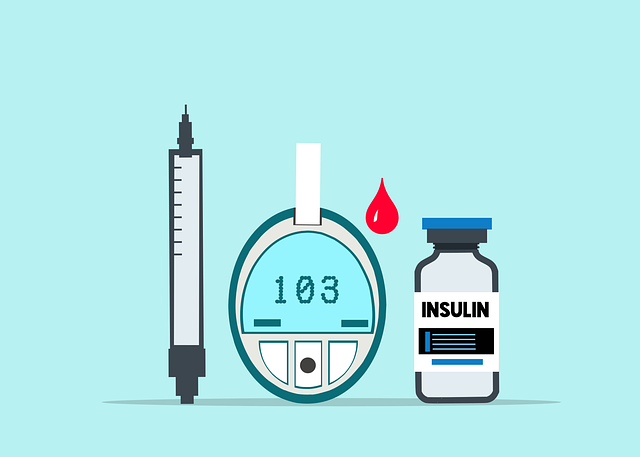
Understanding the neurohormonal mechanisms of semaglutide (Ozempic) provides a framework for optimizing its clinical use and supporting lifestyle strategies. The primary action is a significant reduction in appetite and cravings, which should be leveraged to facilitate sustainable dietary changes rather than seen as a standalone solution.
Clinical Management Considerations
For clinicians, the evidence strongly supports that patients will experience a notable shift in hunger cues. This necessitates proactive guidance to prevent nutritional deficits and support metabolic health.
- Focus on Protein and Nutrient Density: Encourage patients to prioritize lean proteins, vegetables, and whole foods during meals when appetite is present, as spontaneous caloric intake is markedly reduced.
- Hydration and Electrolyte Awareness: Reduced food intake and potential gastrointestinal side effects like nausea increase the risk of dehydration. Consistent fluid and electrolyte intake is crucial.
- Monitor for Excessive Restriction: In patients with a history of or predisposition to eating disorders, the powerful appetite suppression requires careful monitoring to avoid unhealthy restrictive patterns.
Lifestyle and Behavioral Synergy
Robust trial data confirms that semaglutide achieves the best outcomes when combined with structured lifestyle intervention. The most effective approach integrates the pharmacological effect with core behavioral strategies.
- Structured Meal Timing: Adhering to scheduled meals can help maintain energy levels and muscle mass, countering the tendency to skip meals due to lack of hunger.
- Resistance Training is Paramount: The weight loss induced includes a loss of fat-free mass. Engaging in regular resistance exercise is the most evidence-supported method to preserve muscle mass and metabolic rate.
- Mindful Eating Practices: Paying attention to satiety signals becomes easier. Use this enhanced sensitivity to stop eating when comfortably full, reinforcing a healthier relationship with food.
Important Cautions: Individuals with a history of pancreatitis, medullary thyroid carcinoma, multiple endocrine neoplasia syndrome type 2, or severe gastrointestinal disease should not use this medication. All patients should be under the supervision of a physician to manage dosage, monitor for side effects, and assess cardiovascular and renal parameters. The long-term (5+ years) sustainability of weight loss after cessation remains an area of active research, underscoring the importance of concurrent lifestyle modification.
5. Safety Protocols and Indications for Medical Consultation

While GLP-1 receptor agonists like Ozempic (semaglutide) are effective for glycemic control and weight management, their potent appetite-suppressing effects necessitate structured safety protocols. The 2026 research landscape reinforces that these are not benign medications; they are powerful endocrine agents with a defined risk profile that requires proactive management.
Essential Pre-Treatment and Monitoring Protocols
Initiating therapy requires a comprehensive baseline assessment. Strong evidence supports the necessity of the following steps:
- Medical History Review: Screen for personal or family history of medullary thyroid carcinoma (MTC) or Multiple Endocrine Neoplasia syndrome type 2 (MEN 2), as these are absolute contraindications.
- Renal Function Assessment: Check serum creatinine and eGFR. Use caution in patients with chronic kidney disease, especially during initial dose escalation, due to the risk of dehydration from gastrointestinal side effects.
- Pancreatic Health Evaluation: Assess history of pancreatitis. Patients should be informed to report severe, persistent abdominal pain.
- Concurrent Medication Review: Identify potential interactions, particularly with other glucose-lowering agents (risk of hypoglycemia) and oral medications with narrow therapeutic windows, as Ozempic delays gastric emptying.
Clinical Insight: The most common protocol failure is inadequate patient education on gastrointestinal side effects (nausea, vomiting, diarrhea). Emphasizing a low-fat diet, eating smaller meals, and staying hydrated during the first 4-8 weeks can significantly improve tolerability and prevent treatment discontinuation. This is a cornerstone of safe use.
Clear Indications for Immediate Medical Consultation
Patients must be instructed to contact their healthcare provider without delay if they experience symptoms indicative of serious adverse events. The evidence for these risks is well-established.
- Potential Pancreatitis: Severe, persistent abdominal pain that may radiate to the back.
- Allergic Reactions: Rash, itching, difficulty breathing, or swelling of the face, lips, or tongue.
- Vision Changes: Sudden onset of vision problems, which could indicate a rare complication like diabetic retinopathy progression.
- Signs of Gallbladder Disease: Pain in the upper right abdomen, fever, and yellowing of the skin or eyes (jaundice).
Furthermore, individuals with a history of diabetic retinopathy, severe gastrointestinal disease (e.g., gastroparesis, IBD), or those who are pregnant, breastfeeding, or planning pregnancy must consult their physician before starting therapy. The evidence regarding use in these populations is either limited or indicates potential for harm.
Ultimately, the safe use of Ozempic hinges on a collaborative partnership between an informed patient and a vigilant clinician, with clear communication channels for managing both expected side effects and emergent complications.
6. Questions & Expert Insights
Does Ozempic permanently change my brain's appetite signals?
Current research suggests the effects are functional and reversible, not permanent. GLP-1 receptor agonists like Ozempic (semaglutide) work by binding to receptors in brain regions like the hypothalamus and brainstem, modulating neural circuits involved in hunger and satiety. The 2026 data indicates that while patients are on the medication, there is a sustained reduction in the neural "food cue reactivity" seen in functional MRI scans. However, studies following patients who discontinue the drug show that these neural activity patterns and the associated appetite suppression gradually return to baseline, typically within a few weeks to months. This aligns with the clinical observation that weight regain can occur after stopping treatment. The evidence does not support the concept of a "hard reset" or permanent rewiring of appetite signals.
What are the most significant risks or side effects, and who should avoid Ozempic?
The most common side effects are gastrointestinal, including nausea, vomiting, diarrhea, and constipation, which often subside over time but can be severe for some. More serious, though rarer, risks include pancreatitis, gallbladder disease, and diabetic retinopathy complications in those with type 2 diabetes. A key concern is the potential risk of medullary thyroid carcinoma (MTC); Ozempic is contraindicated in patients with a personal or family history of MTC or those with Multiple Endocrine Neoplasia syndrome type 2. It should also be used with extreme caution or avoided in individuals with a history of severe gastroparesis, severe renal impairment, or pancreatitis. Recent pharmacovigilance data also highlights the importance of monitoring for mood changes, as some patients report increased anxiety or depressive symptoms.
When should I talk to my doctor about starting or adjusting Ozempic, and what should I bring to the appointment?
Initiate a conversation with your doctor if you have a BMI ≥30, or ≥27 with at least one weight-related comorbidity (like hypertension, type 2 diabetes, or dyslipidemia) and lifestyle interventions have not been sufficient. For adjustment discussions, talk to your doctor if you experience intolerable side effects, if appetite suppression plateaus significantly for months, or if you are considering discontinuation. Come to the appointment prepared with: 1) A detailed log of your current diet, physical activity, and any weight changes, 2) A complete list of all medications and supplements, 3) A history of your personal and family medical history (focusing on thyroid cancer, pancreatitis, and depression), and 4) A clear list of your goals and questions. This preparation allows for a risk-benefit discussion tailored to your specific health context.
How strong is the evidence linking Ozempic directly to changes in specific brain pathways?
The evidence is robust for observing changes in brain activity but remains inferential regarding the precise causal pathways in humans. High-quality neuroimaging studies (fMRI, PET) consistently show that semaglutide reduces activity in brain regions associated with food reward (e.g., the striatum) and increases activity in areas linked to cognitive control (e.g., the prefrontal cortex) when participants view food images. However, these are association studies. The 2026 findings, while advanced, still rely largely on animal models to delineate the exact neural circuits and receptor subtypes involved. Human trials are limited by the resolution of non-invasive imaging. Therefore, we can confidently say Ozempic affects appetite-related brain networks, but the granular "how" at a micro-circuit level in people is an area of ongoing, promising research.
7. In-site article recommendations
8. External article recommendations
9. External resources
The links below point to reputable medical and evidence-based resources that can be used for further reading. Always interpret them in the context of your own situation and your clinician’s advice.
-
healthline healthline.comOzempic – Healthline (search)
-
wikipedia wikipedia.orgOzempic – Wikipedia (search)
-
examine examine.comOzempic – Examine.com (search)
These external resources are maintained by third-party organisations. Their content does not represent the editorial position of this site and is provided solely to support readers in accessing additional professional information.